mirror of
https://github.com/yyhuni/xingrin.git
synced 2026-02-01 04:03:23 +08:00
Compare commits
146 Commits
v1.2.3-dev
...
v1.5.11-de
| Author | SHA1 | Date | |
|---|---|---|---|

|
d75a3f6882 | ||
|
|
59e48e5b15 | ||
|
|
2d2ec93626 | ||
|
|
ced9f811f4 | ||
|
|
aa99b26f50 | ||
|
|
8342f196db | ||
|
|
1bd2a6ed88 | ||
|
|
033ff89aee | ||
|
|
4284a0cd9a | ||
|
|
943a4cb960 | ||
|
|
eb2d853b76 | ||
|
|
1184c18b74 | ||
|
|
8a6f1b6f24 | ||
|
|
255d505aba | ||
|
|
d06a9bab1f | ||
|
|
6d5c776bf7 | ||
|
|
bf058dd67b | ||
|
|
0532d7c8b8 | ||
|
|
2ee9b5ffa2 | ||
|
|
648a1888d4 | ||
|
|
2508268a45 | ||
|
|
c60383940c | ||
|
|
47298c294a | ||
|
|
eba394e14e | ||
|
|
592a1958c4 | ||
|
|
38e2856c08 | ||
|
|
f5ad8e68e9 | ||
|
|
d5f91a236c | ||
|
|
24ae8b5aeb | ||
|
|
86f43f94a0 | ||
|
|
53ba03d1e5 | ||
|
|
89c44ebd05 | ||
|
|
e0e3419edb | ||
|
|
52ee4684a7 | ||
|
|
ce8cebf11d | ||
|
|
ec006d8f54 | ||
|
|
48976a570f | ||
|
|
5da7229873 | ||
|
|
8bb737a9fa | ||
|
|
2d018d33f3 | ||
|
|
0c07cc8497 | ||
|
|
225b039985 | ||
|
|
d1624627bc | ||
|
|
7bb15e4ae4 | ||
|
|
8e8cc29669 | ||
|
|
d6d5338acb | ||
|
|
c521bdb511 | ||
|
|
abf2d95f6f | ||
|
|
ab58cf0d85 | ||
|
|
fb0111adf2 | ||
|
|
161ee9a2b1 | ||
|
|
0cf75585d5 | ||
|
|
1d8d5f51d9 | ||
|
|
3f8de07c8c | ||
|
|
cd5c2b9f11 | ||
|
|
54786c22dd | ||
|
|
d468f975ab | ||
|
|
a85a12b8ad | ||
|
|
a8b0d97b7b | ||
|
|
b8504921c2 | ||
|
|
ecfc1822fb | ||
|
|
81633642e6 | ||
|
|
d1ec9b7f27 | ||
|
|
2a3d9b4446 | ||
|
|
9b63203b5a | ||
|
|
6ff86e14ec | ||
|
|
4c1282e9bb | ||
|
|
ba3a9b709d | ||
|
|
283b28b46a | ||
|
|
1269e5a314 | ||
|
|
802e967906 | ||
|
|
e446326416 | ||
|
|
e0abb3ce7b | ||
|
|
d418baaf79 | ||
|
|
f8da408580 | ||
|
|
7cd4354d8f | ||
|
|
6bf35a760f | ||
|
|
be9ecadffb | ||
|
|
adb53c9f85 | ||
|
|
7b7bbed634 | ||
|
|
8dd3f0536e | ||
|
|
8a8062a12d | ||
|
|
55908a2da5 | ||
|
|
22a7d4f091 | ||
|
|
f287f18134 | ||
|
|
de27230b7a | ||
|
|
15a6295189 | ||
|
|
674acdac66 | ||
|
|
c59152bedf | ||
|
|
b4037202dc | ||
|
|
4b4f9862bf | ||
|
|
1c42e4978f | ||
|
|
57bab63997 | ||
|
|
b1f0f18ac0 | ||
|
|
ccee5471b8 | ||
|
|
0ccd362535 | ||
|
|
7f2af7f7e2 | ||
|
|
4bd0f9e8c1 | ||
|
|
68cc996e3b | ||
|
|
f1e79d638e | ||
|
|
d484133e4c | ||
|
|
fc977ae029 | ||
|
|
f328474404 | ||
|
|
68e726a066 | ||
|
|
77a6f45909 | ||
|
|
49d1f1f1bb | ||
|
|
db8ecb1644 | ||
|
|
18cc016268 | ||
|
|
23bc463283 | ||
|
|
7b903b91b2 | ||
|
|
b3136d51b9 | ||
|
|
08372588a4 | ||
|
|
236c828041 | ||
|
|
fb13bb74d8 | ||
|
|
f076c682b6 | ||
|
|
9eda2caceb | ||
|
|
b1c9e202dd | ||
|
|
918669bc29 | ||
|
|
fd70b0544d | ||
|
|
0f2df7a5f3 | ||
|
|
857ab737b5 | ||
|
|
ee2d99edda | ||
|
|
db6ce16aca | ||
|
|
ab800eca06 | ||
|
|
e8e5572339 | ||
|
|
d48d4bbcad | ||
|
|
d1cca4c083 | ||
|
|
df0810c863 | ||
|
|
d33e54c440 | ||
|
|
35a306fe8b | ||
|
|
724df82931 | ||
|
|
8dfffdf802 | ||
|
|
b8cb85ce0b | ||
|
|
da96d437a4 | ||
|
|
feaf8062e5 | ||
|
|
4bab76f233 | ||
|
|
09416b4615 | ||
|
|
bc1c5f6b0e | ||
|
|
2f2742e6fe | ||
|
|
be3c346a74 | ||
|
|
0c7a6fff12 | ||
|
|
3b4f0e3147 | ||
|
|
51212a2a0c | ||
|
|
58533bbaf6 | ||
|
|
6ccca1602d | ||
|
|
6389b0f672 |
178
.github/workflows/docker-build.yml
vendored
178
.github/workflows/docker-build.yml
vendored
@@ -19,7 +19,8 @@ permissions:
|
||||
contents: write
|
||||
|
||||
jobs:
|
||||
build:
|
||||
# AMD64 构建(原生 x64 runner)
|
||||
build-amd64:
|
||||
runs-on: ubuntu-latest
|
||||
strategy:
|
||||
matrix:
|
||||
@@ -27,39 +28,30 @@ jobs:
|
||||
- image: xingrin-server
|
||||
dockerfile: docker/server/Dockerfile
|
||||
context: .
|
||||
platforms: linux/amd64,linux/arm64
|
||||
- image: xingrin-frontend
|
||||
dockerfile: docker/frontend/Dockerfile
|
||||
context: .
|
||||
platforms: linux/amd64 # ARM64 构建时 Next.js 在 QEMU 下会崩溃
|
||||
- image: xingrin-worker
|
||||
dockerfile: docker/worker/Dockerfile
|
||||
context: .
|
||||
platforms: linux/amd64,linux/arm64
|
||||
- image: xingrin-nginx
|
||||
dockerfile: docker/nginx/Dockerfile
|
||||
context: .
|
||||
platforms: linux/amd64,linux/arm64
|
||||
- image: xingrin-agent
|
||||
dockerfile: docker/agent/Dockerfile
|
||||
context: .
|
||||
platforms: linux/amd64,linux/arm64
|
||||
- image: xingrin-postgres
|
||||
dockerfile: docker/postgres/Dockerfile
|
||||
context: docker/postgres
|
||||
|
||||
steps:
|
||||
- name: Checkout
|
||||
uses: actions/checkout@v4
|
||||
|
||||
- name: Free disk space (for large builds like worker)
|
||||
- name: Free disk space
|
||||
run: |
|
||||
echo "=== Before cleanup ==="
|
||||
df -h
|
||||
sudo rm -rf /usr/share/dotnet
|
||||
sudo rm -rf /usr/local/lib/android
|
||||
sudo rm -rf /opt/ghc
|
||||
sudo rm -rf /opt/hostedtoolcache/CodeQL
|
||||
sudo rm -rf /usr/share/dotnet /usr/local/lib/android /opt/ghc /opt/hostedtoolcache/CodeQL
|
||||
sudo docker image prune -af
|
||||
echo "=== After cleanup ==="
|
||||
df -h
|
||||
|
||||
- name: Generate SSL certificates for nginx build
|
||||
if: matrix.image == 'xingrin-nginx'
|
||||
@@ -69,10 +61,6 @@ jobs:
|
||||
-keyout docker/nginx/ssl/privkey.pem \
|
||||
-out docker/nginx/ssl/fullchain.pem \
|
||||
-subj "/CN=localhost"
|
||||
echo "SSL certificates generated for CI build"
|
||||
|
||||
- name: Set up QEMU
|
||||
uses: docker/setup-qemu-action@v3
|
||||
|
||||
- name: Set up Docker Buildx
|
||||
uses: docker/setup-buildx-action@v3
|
||||
@@ -83,7 +71,120 @@ jobs:
|
||||
username: ${{ secrets.DOCKERHUB_USERNAME }}
|
||||
password: ${{ secrets.DOCKERHUB_TOKEN }}
|
||||
|
||||
- name: Get version from git tag
|
||||
- name: Get version
|
||||
id: version
|
||||
run: |
|
||||
if [[ $GITHUB_REF == refs/tags/* ]]; then
|
||||
echo "VERSION=${GITHUB_REF#refs/tags/}" >> $GITHUB_OUTPUT
|
||||
else
|
||||
echo "VERSION=dev-$(git rev-parse --short HEAD)" >> $GITHUB_OUTPUT
|
||||
fi
|
||||
|
||||
- name: Build and push AMD64
|
||||
uses: docker/build-push-action@v5
|
||||
with:
|
||||
context: ${{ matrix.context }}
|
||||
file: ${{ matrix.dockerfile }}
|
||||
platforms: linux/amd64
|
||||
push: true
|
||||
tags: ${{ env.IMAGE_PREFIX }}/${{ matrix.image }}:${{ steps.version.outputs.VERSION }}-amd64
|
||||
build-args: IMAGE_TAG=${{ steps.version.outputs.VERSION }}
|
||||
cache-from: type=registry,ref=${{ env.IMAGE_PREFIX }}/${{ matrix.image }}:cache-amd64
|
||||
cache-to: type=registry,ref=${{ env.IMAGE_PREFIX }}/${{ matrix.image }}:cache-amd64,mode=max
|
||||
provenance: false
|
||||
sbom: false
|
||||
|
||||
# ARM64 构建(原生 ARM64 runner)
|
||||
build-arm64:
|
||||
runs-on: ubuntu-22.04-arm
|
||||
strategy:
|
||||
matrix:
|
||||
include:
|
||||
- image: xingrin-server
|
||||
dockerfile: docker/server/Dockerfile
|
||||
context: .
|
||||
- image: xingrin-frontend
|
||||
dockerfile: docker/frontend/Dockerfile
|
||||
context: .
|
||||
- image: xingrin-worker
|
||||
dockerfile: docker/worker/Dockerfile
|
||||
context: .
|
||||
- image: xingrin-nginx
|
||||
dockerfile: docker/nginx/Dockerfile
|
||||
context: .
|
||||
- image: xingrin-agent
|
||||
dockerfile: docker/agent/Dockerfile
|
||||
context: .
|
||||
- image: xingrin-postgres
|
||||
dockerfile: docker/postgres/Dockerfile
|
||||
context: docker/postgres
|
||||
|
||||
steps:
|
||||
- name: Checkout
|
||||
uses: actions/checkout@v4
|
||||
|
||||
- name: Generate SSL certificates for nginx build
|
||||
if: matrix.image == 'xingrin-nginx'
|
||||
run: |
|
||||
mkdir -p docker/nginx/ssl
|
||||
openssl req -x509 -nodes -days 365 -newkey rsa:2048 \
|
||||
-keyout docker/nginx/ssl/privkey.pem \
|
||||
-out docker/nginx/ssl/fullchain.pem \
|
||||
-subj "/CN=localhost"
|
||||
|
||||
- name: Set up Docker Buildx
|
||||
uses: docker/setup-buildx-action@v3
|
||||
|
||||
- name: Login to Docker Hub
|
||||
uses: docker/login-action@v3
|
||||
with:
|
||||
username: ${{ secrets.DOCKERHUB_USERNAME }}
|
||||
password: ${{ secrets.DOCKERHUB_TOKEN }}
|
||||
|
||||
- name: Get version
|
||||
id: version
|
||||
run: |
|
||||
if [[ $GITHUB_REF == refs/tags/* ]]; then
|
||||
echo "VERSION=${GITHUB_REF#refs/tags/}" >> $GITHUB_OUTPUT
|
||||
else
|
||||
echo "VERSION=dev-$(git rev-parse --short HEAD)" >> $GITHUB_OUTPUT
|
||||
fi
|
||||
|
||||
- name: Build and push ARM64
|
||||
uses: docker/build-push-action@v5
|
||||
with:
|
||||
context: ${{ matrix.context }}
|
||||
file: ${{ matrix.dockerfile }}
|
||||
platforms: linux/arm64
|
||||
push: true
|
||||
tags: ${{ env.IMAGE_PREFIX }}/${{ matrix.image }}:${{ steps.version.outputs.VERSION }}-arm64
|
||||
build-args: IMAGE_TAG=${{ steps.version.outputs.VERSION }}
|
||||
cache-from: type=registry,ref=${{ env.IMAGE_PREFIX }}/${{ matrix.image }}:cache-arm64
|
||||
cache-to: type=registry,ref=${{ env.IMAGE_PREFIX }}/${{ matrix.image }}:cache-arm64,mode=max
|
||||
provenance: false
|
||||
sbom: false
|
||||
|
||||
# 合并多架构 manifest
|
||||
merge-manifests:
|
||||
runs-on: ubuntu-latest
|
||||
needs: [build-amd64, build-arm64]
|
||||
strategy:
|
||||
matrix:
|
||||
image:
|
||||
- xingrin-server
|
||||
- xingrin-frontend
|
||||
- xingrin-worker
|
||||
- xingrin-nginx
|
||||
- xingrin-agent
|
||||
- xingrin-postgres
|
||||
steps:
|
||||
- name: Login to Docker Hub
|
||||
uses: docker/login-action@v3
|
||||
with:
|
||||
username: ${{ secrets.DOCKERHUB_USERNAME }}
|
||||
password: ${{ secrets.DOCKERHUB_TOKEN }}
|
||||
|
||||
- name: Get version
|
||||
id: version
|
||||
run: |
|
||||
if [[ $GITHUB_REF == refs/tags/* ]]; then
|
||||
@@ -94,28 +195,27 @@ jobs:
|
||||
echo "IS_RELEASE=false" >> $GITHUB_OUTPUT
|
||||
fi
|
||||
|
||||
- name: Build and push
|
||||
uses: docker/build-push-action@v5
|
||||
with:
|
||||
context: ${{ matrix.context }}
|
||||
file: ${{ matrix.dockerfile }}
|
||||
platforms: ${{ matrix.platforms }}
|
||||
push: true
|
||||
tags: |
|
||||
${{ env.IMAGE_PREFIX }}/${{ matrix.image }}:${{ steps.version.outputs.VERSION }}
|
||||
${{ steps.version.outputs.IS_RELEASE == 'true' && format('{0}/{1}:latest', env.IMAGE_PREFIX, matrix.image) || '' }}
|
||||
build-args: |
|
||||
IMAGE_TAG=${{ steps.version.outputs.VERSION }}
|
||||
cache-from: type=gha,scope=${{ matrix.image }}
|
||||
cache-to: type=gha,mode=max,scope=${{ matrix.image }}
|
||||
provenance: false
|
||||
sbom: false
|
||||
- name: Create and push multi-arch manifest
|
||||
run: |
|
||||
VERSION=${{ steps.version.outputs.VERSION }}
|
||||
IMAGE=${{ env.IMAGE_PREFIX }}/${{ matrix.image }}
|
||||
|
||||
docker manifest create ${IMAGE}:${VERSION} \
|
||||
${IMAGE}:${VERSION}-amd64 \
|
||||
${IMAGE}:${VERSION}-arm64
|
||||
docker manifest push ${IMAGE}:${VERSION}
|
||||
|
||||
if [[ "${{ steps.version.outputs.IS_RELEASE }}" == "true" ]]; then
|
||||
docker manifest create ${IMAGE}:latest \
|
||||
${IMAGE}:${VERSION}-amd64 \
|
||||
${IMAGE}:${VERSION}-arm64
|
||||
docker manifest push ${IMAGE}:latest
|
||||
fi
|
||||
|
||||
# 所有镜像构建成功后,更新 VERSION 文件
|
||||
# 根据 tag 所在的分支更新对应分支的 VERSION 文件
|
||||
# 更新 VERSION 文件
|
||||
update-version:
|
||||
runs-on: ubuntu-latest
|
||||
needs: build
|
||||
needs: merge-manifests
|
||||
if: startsWith(github.ref, 'refs/tags/v')
|
||||
steps:
|
||||
- name: Checkout repository
|
||||
|
||||
1
.gitignore
vendored
1
.gitignore
vendored
@@ -64,6 +64,7 @@ backend/.env.local
|
||||
.coverage
|
||||
htmlcov/
|
||||
*.cover
|
||||
.hypothesis/
|
||||
|
||||
# ============================
|
||||
# 后端 (Go) 相关
|
||||
|
||||
188
README.md
188
README.md
@@ -1,7 +1,7 @@
|
||||
<h1 align="center">XingRin - 星环</h1>
|
||||
|
||||
<p align="center">
|
||||
<b>🛡️ 攻击面管理平台 (ASM) | 自动化资产发现与漏洞扫描系统</b>
|
||||
<b>攻击面管理平台 (ASM) | 自动化资产发现与漏洞扫描系统</b>
|
||||
</p>
|
||||
|
||||
<p align="center">
|
||||
@@ -12,22 +12,29 @@
|
||||
</p>
|
||||
|
||||
<p align="center">
|
||||
<a href="#-功能特性">功能特性</a> •
|
||||
<a href="#-快速开始">快速开始</a> •
|
||||
<a href="#-文档">文档</a> •
|
||||
<a href="#-技术栈">技术栈</a> •
|
||||
<a href="#-反馈与贡献">反馈与贡献</a>
|
||||
<a href="#功能特性">功能特性</a> •
|
||||
<a href="#全局资产搜索">资产搜索</a> •
|
||||
<a href="#快速开始">快速开始</a> •
|
||||
<a href="#文档">文档</a> •
|
||||
<a href="#反馈与贡献">反馈与贡献</a>
|
||||
</p>
|
||||
|
||||
<p align="center">
|
||||
<sub>🔍 关键词: ASM | 攻击面管理 | 漏洞扫描 | 资产发现 | Bug Bounty | 渗透测试 | Nuclei | 子域名枚举 | EASM</sub>
|
||||
<sub>关键词: ASM | 攻击面管理 | 漏洞扫描 | 资产发现 | 资产搜索 | Bug Bounty | 渗透测试 | Nuclei | 子域名枚举 | EASM</sub>
|
||||
</p>
|
||||
|
||||
---
|
||||
|
||||
## 在线 Demo
|
||||
|
||||
**[https://xingrin.vercel.app/](https://xingrin.vercel.app/)**
|
||||
|
||||
> 仅用于 UI 展示,未接入后端数据库
|
||||
|
||||
---
|
||||
|
||||
<p align="center">
|
||||
<b>🎨 现代化 UI </b>
|
||||
<b>现代化 UI</b>
|
||||
</p>
|
||||
|
||||
<p align="center">
|
||||
@@ -37,34 +44,49 @@
|
||||
<img src="docs/screenshots/quantum-rose.png" alt="Quantum Rose" width="24%">
|
||||
</p>
|
||||
|
||||
## 📚 文档
|
||||
## 文档
|
||||
|
||||
- [📖 技术文档](./docs/README.md) - 技术文档导航(🚧 持续完善中)
|
||||
- [🚀 快速开始](./docs/quick-start.md) - 一键安装和部署指南
|
||||
- [🔄 版本管理](./docs/version-management.md) - Git Tag 驱动的自动化版本管理系统
|
||||
- [📦 Nuclei 模板架构](./docs/nuclei-template-architecture.md) - 模板仓库的存储与同步
|
||||
- [📖 字典文件架构](./docs/wordlist-architecture.md) - 字典文件的存储与同步
|
||||
- [🔍 扫描流程架构](./docs/scan-flow-architecture.md) - 完整扫描流程与工具编排
|
||||
- [技术文档](./docs/README.md) - 技术文档导航(持续完善中)
|
||||
- [快速开始](./docs/quick-start.md) - 一键安装和部署指南
|
||||
- [版本管理](./docs/version-management.md) - Git Tag 驱动的自动化版本管理系统
|
||||
- [Nuclei 模板架构](./docs/nuclei-template-architecture.md) - 模板仓库的存储与同步
|
||||
- [字典文件架构](./docs/wordlist-architecture.md) - 字典文件的存储与同步
|
||||
- [扫描流程架构](./docs/scan-flow-architecture.md) - 完整扫描流程与工具编排
|
||||
|
||||
|
||||
---
|
||||
|
||||
## ✨ 功能特性
|
||||
## 功能特性
|
||||
|
||||
### 🎯 目标与资产管理
|
||||
- **组织管理** - 多层级目标组织,灵活分组
|
||||
- **目标管理** - 支持域名、IP目标类型
|
||||
- **资产发现** - 子域名、网站、端点、目录自动发现
|
||||
- **资产快照** - 扫描结果快照对比,追踪资产变化
|
||||
### 扫描能力
|
||||
|
||||
### 🔍 漏洞扫描
|
||||
- **多引擎支持** - 集成 Nuclei 等主流扫描引擎
|
||||
- **自定义流程** - YAML 配置扫描流程,灵活编排
|
||||
- **定时扫描** - Cron 表达式配置,自动化周期扫描
|
||||
| 功能 | 状态 | 工具 | 说明 |
|
||||
|------|------|------|------|
|
||||
| 子域名扫描 | 已完成 | Subfinder, Amass, PureDNS | 被动收集 + 主动爆破,聚合 50+ 数据源 |
|
||||
| 端口扫描 | 已完成 | Naabu | 自定义端口范围 |
|
||||
| 站点发现 | 已完成 | HTTPX | HTTP 探测,自动获取标题、状态码、技术栈 |
|
||||
| 指纹识别 | 已完成 | XingFinger | 2.7W+ 指纹规则,多源指纹库 |
|
||||
| URL 收集 | 已完成 | Waymore, Katana | 历史数据 + 主动爬取 |
|
||||
| 目录扫描 | 已完成 | FFUF | 高速爆破,智能字典 |
|
||||
| 漏洞扫描 | 已完成 | Nuclei, Dalfox | 9000+ POC 模板,XSS 检测 |
|
||||
| 站点截图 | 已完成 | Playwright | WebP 高压缩存储 |
|
||||
|
||||
#### 扫描流程架构
|
||||
### 平台能力
|
||||
|
||||
完整的扫描流程包括:子域名发现、端口扫描、站点发现、URL 收集、目录扫描、漏洞扫描等阶段
|
||||
| 功能 | 状态 | 说明 |
|
||||
|------|------|------|
|
||||
| 目标管理 | 已完成 | 多层级组织,支持域名/IP 目标 |
|
||||
| 资产快照 | 已完成 | 扫描结果对比,追踪资产变化 |
|
||||
| 黑名单过滤 | 已完成 | 全局 + Target 级,支持通配符/CIDR |
|
||||
| 定时任务 | 已完成 | Cron 表达式,自动化周期扫描 |
|
||||
| 分布式扫描 | 已完成 | 多 Worker 节点,负载感知调度 |
|
||||
| 全局搜索 | 已完成 | 表达式语法,多字段组合查询 |
|
||||
| 通知推送 | 已完成 | 企业微信、Telegram、Discord |
|
||||
| API 密钥管理 | 已完成 | 可视化配置各数据源 API Key |
|
||||
|
||||
### 扫描流程架构
|
||||
|
||||
完整的扫描流程包括:子域名发现、端口扫描、站点发现、指纹识别、URL 收集、目录扫描、漏洞扫描等阶段
|
||||
|
||||
```mermaid
|
||||
flowchart LR
|
||||
@@ -75,13 +97,15 @@ flowchart LR
|
||||
SUB["子域名发现<br/>subfinder, amass, puredns"]
|
||||
PORT["端口扫描<br/>naabu"]
|
||||
SITE["站点识别<br/>httpx"]
|
||||
SUB --> PORT --> SITE
|
||||
FINGER["指纹识别<br/>xingfinger"]
|
||||
SUB --> PORT --> SITE --> FINGER
|
||||
end
|
||||
|
||||
subgraph STAGE2["阶段 2: 深度分析"]
|
||||
direction TB
|
||||
URL["URL 收集<br/>waymore, katana"]
|
||||
DIR["目录扫描<br/>ffuf"]
|
||||
SCREENSHOT["站点截图<br/>playwright"]
|
||||
end
|
||||
|
||||
subgraph STAGE3["阶段 3: 漏洞检测"]
|
||||
@@ -91,7 +115,7 @@ flowchart LR
|
||||
FINISH["扫描完成"]
|
||||
|
||||
START --> STAGE1
|
||||
SITE --> STAGE2
|
||||
FINGER --> STAGE2
|
||||
STAGE2 --> STAGE3
|
||||
STAGE3 --> FINISH
|
||||
|
||||
@@ -103,14 +127,16 @@ flowchart LR
|
||||
style SUB fill:#5dade2,stroke:#3498db,stroke-width:1px,color:#fff
|
||||
style PORT fill:#5dade2,stroke:#3498db,stroke-width:1px,color:#fff
|
||||
style SITE fill:#5dade2,stroke:#3498db,stroke-width:1px,color:#fff
|
||||
style FINGER fill:#5dade2,stroke:#3498db,stroke-width:1px,color:#fff
|
||||
style URL fill:#bb8fce,stroke:#9b59b6,stroke-width:1px,color:#fff
|
||||
style DIR fill:#bb8fce,stroke:#9b59b6,stroke-width:1px,color:#fff
|
||||
style SCREENSHOT fill:#bb8fce,stroke:#9b59b6,stroke-width:1px,color:#fff
|
||||
style VULN fill:#f0b27a,stroke:#e67e22,stroke-width:1px,color:#fff
|
||||
```
|
||||
|
||||
详细说明请查看 [扫描流程架构文档](./docs/scan-flow-architecture.md)
|
||||
|
||||
### 🖥️ 分布式架构
|
||||
### 分布式架构
|
||||
- **多节点扫描** - 支持部署多个 Worker 节点,横向扩展扫描能力
|
||||
- **本地节点** - 零配置,安装即自动注册本地 Docker Worker
|
||||
- **远程节点** - SSH 一键部署远程 VPS 作为扫描节点
|
||||
@@ -155,17 +181,43 @@ flowchart TB
|
||||
W3 -.心跳上报.-> REDIS
|
||||
```
|
||||
|
||||
### 📊 可视化界面
|
||||
### 全局资产搜索
|
||||
- **多类型搜索** - 支持 Website 和 Endpoint 两种资产类型
|
||||
- **表达式语法** - 支持 `=`(模糊)、`==`(精确)、`!=`(不等于)操作符
|
||||
- **逻辑组合** - 支持 `&&` (AND) 和 `||` (OR) 逻辑组合
|
||||
- **多字段查询** - 支持 host、url、title、tech、status、body、header 字段
|
||||
- **CSV 导出** - 流式导出全部搜索结果,无数量限制
|
||||
|
||||
#### 搜索语法示例
|
||||
|
||||
```bash
|
||||
# 基础搜索
|
||||
host="api" # host 包含 "api"
|
||||
status=="200" # 状态码精确等于 200
|
||||
tech="nginx" # 技术栈包含 nginx
|
||||
|
||||
# 组合搜索
|
||||
host="api" && status=="200" # host 包含 api 且状态码为 200
|
||||
tech="vue" || tech="react" # 技术栈包含 vue 或 react
|
||||
|
||||
# 复杂查询
|
||||
host="admin" && tech="php" && status=="200"
|
||||
url="/api/v1" && status!="404"
|
||||
```
|
||||
|
||||
### 可视化界面
|
||||
- **数据统计** - 资产/漏洞统计仪表盘
|
||||
- **实时通知** - WebSocket 消息推送
|
||||
- **通知推送** - 实时企业微信,tg,discard消息推送服务
|
||||
|
||||
---
|
||||
|
||||
## 📦 快速开始
|
||||
## 快速开始
|
||||
|
||||
### 环境要求
|
||||
|
||||
- **操作系统**: Ubuntu 20.04+ / Debian 11+ (推荐)
|
||||
- **操作系统**: Ubuntu 20.04+ / Debian 11+
|
||||
- **系统架构**: AMD64 (x86_64) / ARM64 (aarch64)
|
||||
- **硬件**: 2核 4G 内存起步,20GB+ 磁盘空间
|
||||
|
||||
### 一键安装
|
||||
@@ -178,18 +230,18 @@ cd xingrin
|
||||
# 安装并启动(生产模式)
|
||||
sudo ./install.sh
|
||||
|
||||
# 🇨🇳 中国大陆用户推荐使用镜像加速(第三方加速服务可能会失效,不保证长期可用)
|
||||
# 中国大陆用户推荐使用镜像加速(第三方加速服务可能会失效,不保证长期可用)
|
||||
sudo ./install.sh --mirror
|
||||
```
|
||||
|
||||
> **💡 --mirror 参数说明**
|
||||
> **--mirror 参数说明**
|
||||
> - 自动配置 Docker 镜像加速(国内镜像源)
|
||||
> - 加速 Git 仓库克隆(Nuclei 模板等)
|
||||
> - 大幅提升安装速度,避免网络超时
|
||||
|
||||
### 访问服务
|
||||
|
||||
- **Web 界面**: `https://ip:8083`
|
||||
- **默认账号**: admin / admin(首次登录后请修改密码)
|
||||
|
||||
### 常用命令
|
||||
|
||||
@@ -207,21 +259,38 @@ sudo ./restart.sh
|
||||
sudo ./uninstall.sh
|
||||
```
|
||||
|
||||
## 🤝 反馈与贡献
|
||||
## 反馈与贡献
|
||||
|
||||
- 🐛 **如果发现 Bug** 可以点击右边链接进行提交 [Issue](https://github.com/yyhuni/xingrin/issues)
|
||||
- 💡 **有新想法,比如UI设计,功能设计等** 欢迎点击右边链接进行提交建议 [Issue](https://github.com/yyhuni/xingrin/issues)
|
||||
- **发现 Bug,有新想法,比如UI设计,功能设计等** 欢迎点击右边链接进行提交建议 [Issue](https://github.com/yyhuni/xingrin/issues) 或者公众号私信
|
||||
|
||||
## 📧 联系
|
||||
- 目前版本就我个人使用,可能会有很多边界问题
|
||||
- 如有问题,建议,其他,优先提交[Issue](https://github.com/yyhuni/xingrin/issues),也可以直接给我的公众号发消息,我都会回复的
|
||||
|
||||
- 微信公众号: **洋洋的小黑屋**
|
||||
## 联系
|
||||
- 微信公众号: **塔罗安全学苑**
|
||||
- 微信群去公众号底下的菜单,有个交流群,点击就可以看到了,链接过期可以私信我拉你
|
||||
|
||||
<img src="docs/wechat-qrcode.png" alt="微信公众号" width="200">
|
||||
|
||||
### 关注公众号免费领取指纹库
|
||||
|
||||
## ⚠️ 免责声明
|
||||
| 指纹库 | 数量 |
|
||||
|--------|------|
|
||||
| ehole.json | 21,977 |
|
||||
| ARL.yaml | 9,264 |
|
||||
| goby.json | 7,086 |
|
||||
| FingerprintHub.json | 3,147 |
|
||||
|
||||
> 关注公众号回复「指纹」即可获取
|
||||
|
||||
## 赞助支持
|
||||
|
||||
如果这个项目对你有帮助,谢谢请我能喝杯蜜雪冰城,你的star和赞助是我免费更新的动力
|
||||
|
||||
<p>
|
||||
<img src="docs/wx_pay.jpg" alt="微信支付" width="200">
|
||||
<img src="docs/zfb_pay.jpg" alt="支付宝" width="200">
|
||||
</p>
|
||||
|
||||
|
||||
## 免责声明
|
||||
|
||||
**重要:请在使用前仔细阅读**
|
||||
|
||||
@@ -236,30 +305,29 @@ sudo ./uninstall.sh
|
||||
- 遵守所在地区的法律法规
|
||||
- 承担因滥用产生的一切后果
|
||||
|
||||
## 🌟 Star History
|
||||
## Star History
|
||||
|
||||
如果这个项目对你有帮助,请给一个 ⭐ Star 支持一下!
|
||||
如果这个项目对你有帮助,请给一个 Star 支持一下!
|
||||
|
||||
[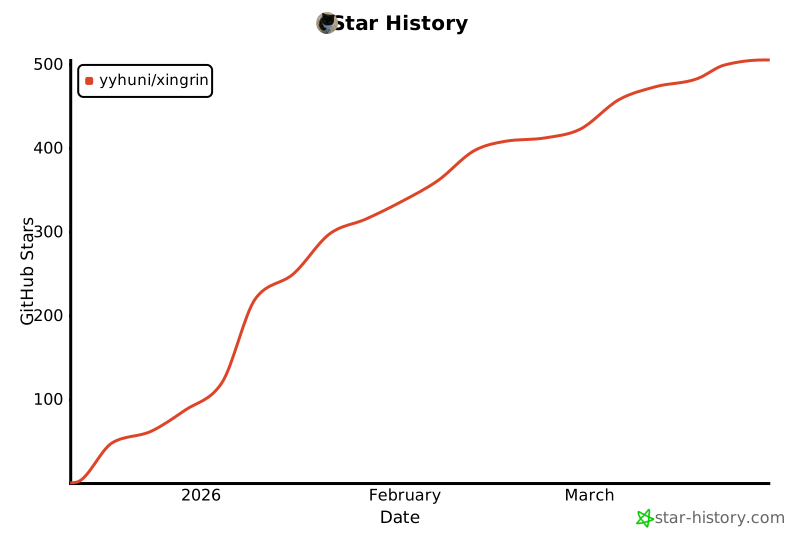](https://star-history.com/#yyhuni/xingrin&Date)
|
||||
|
||||
## 📄 许可证
|
||||
## 许可证
|
||||
|
||||
本项目采用 [GNU General Public License v3.0](LICENSE) 许可证。
|
||||
|
||||
### 允许的用途
|
||||
|
||||
- ✅ 个人学习和研究
|
||||
- ✅ 商业和非商业使用
|
||||
- ✅ 修改和分发
|
||||
- ✅ 专利使用
|
||||
- ✅ 私人使用
|
||||
- 个人学习和研究
|
||||
- 商业和非商业使用
|
||||
- 修改和分发
|
||||
- 专利使用
|
||||
- 私人使用
|
||||
|
||||
### 义务和限制
|
||||
|
||||
- 📋 **开源义务**:分发时必须提供源代码
|
||||
- 📋 **相同许可**:衍生作品必须使用相同许可证
|
||||
- 📋 **版权声明**:必须保留原始版权和许可证声明
|
||||
- ❌ **责任免除**:不提供任何担保
|
||||
- ❌ 未经授权的渗透测试
|
||||
- ❌ 任何违法行为
|
||||
|
||||
- **开源义务**:分发时必须提供源代码
|
||||
- **相同许可**:衍生作品必须使用相同许可证
|
||||
- **版权声明**:必须保留原始版权和许可证声明
|
||||
- **责任免除**:不提供任何担保
|
||||
- 未经授权的渗透测试
|
||||
- 任何违法行为
|
||||
|
||||
1
backend/.gitignore
vendored
1
backend/.gitignore
vendored
@@ -7,6 +7,7 @@ __pycache__/
|
||||
*.egg-info/
|
||||
dist/
|
||||
build/
|
||||
.hypothesis/ # Hypothesis 属性测试缓存
|
||||
|
||||
# 虚拟环境
|
||||
venv/
|
||||
|
||||
@@ -4,7 +4,3 @@ from django.apps import AppConfig
|
||||
class AssetConfig(AppConfig):
|
||||
default_auto_field = 'django.db.models.BigAutoField'
|
||||
name = 'apps.asset'
|
||||
|
||||
def ready(self):
|
||||
# 导入所有模型以确保Django发现并注册
|
||||
from . import models
|
||||
|
||||
@@ -14,12 +14,13 @@ class EndpointDTO:
|
||||
status_code: Optional[int] = None
|
||||
content_length: Optional[int] = None
|
||||
webserver: Optional[str] = None
|
||||
body_preview: Optional[str] = None
|
||||
response_body: Optional[str] = None
|
||||
content_type: Optional[str] = None
|
||||
tech: Optional[List[str]] = None
|
||||
vhost: Optional[bool] = None
|
||||
location: Optional[str] = None
|
||||
matched_gf_patterns: Optional[List[str]] = None
|
||||
response_headers: Optional[str] = None
|
||||
|
||||
def __post_init__(self):
|
||||
if self.tech is None:
|
||||
|
||||
@@ -17,9 +17,10 @@ class WebSiteDTO:
|
||||
webserver: str = ''
|
||||
content_type: str = ''
|
||||
tech: List[str] = None
|
||||
body_preview: str = ''
|
||||
response_body: str = ''
|
||||
vhost: Optional[bool] = None
|
||||
created_at: str = None
|
||||
response_headers: str = ''
|
||||
|
||||
def __post_init__(self):
|
||||
if self.tech is None:
|
||||
|
||||
@@ -13,6 +13,7 @@ class EndpointSnapshotDTO:
|
||||
快照只属于 scan。
|
||||
"""
|
||||
scan_id: int
|
||||
target_id: int # 必填,用于同步到资产表
|
||||
url: str
|
||||
host: str = '' # 主机名(域名或IP地址)
|
||||
title: str = ''
|
||||
@@ -22,10 +23,10 @@ class EndpointSnapshotDTO:
|
||||
webserver: str = ''
|
||||
content_type: str = ''
|
||||
tech: List[str] = None
|
||||
body_preview: str = ''
|
||||
response_body: str = ''
|
||||
vhost: Optional[bool] = None
|
||||
matched_gf_patterns: List[str] = None
|
||||
target_id: Optional[int] = None # 冗余字段,用于同步到资产表
|
||||
response_headers: str = ''
|
||||
|
||||
def __post_init__(self):
|
||||
if self.tech is None:
|
||||
@@ -42,9 +43,6 @@ class EndpointSnapshotDTO:
|
||||
"""
|
||||
from apps.asset.dtos.asset import EndpointDTO
|
||||
|
||||
if self.target_id is None:
|
||||
raise ValueError("target_id 不能为 None,无法同步到资产表")
|
||||
|
||||
return EndpointDTO(
|
||||
target_id=self.target_id,
|
||||
url=self.url,
|
||||
@@ -53,10 +51,11 @@ class EndpointSnapshotDTO:
|
||||
status_code=self.status_code,
|
||||
content_length=self.content_length,
|
||||
webserver=self.webserver,
|
||||
body_preview=self.body_preview,
|
||||
response_body=self.response_body,
|
||||
content_type=self.content_type,
|
||||
tech=self.tech if self.tech else [],
|
||||
vhost=self.vhost,
|
||||
location=self.location,
|
||||
matched_gf_patterns=self.matched_gf_patterns if self.matched_gf_patterns else []
|
||||
matched_gf_patterns=self.matched_gf_patterns if self.matched_gf_patterns else [],
|
||||
response_headers=self.response_headers,
|
||||
)
|
||||
|
||||
@@ -13,18 +13,19 @@ class WebsiteSnapshotDTO:
|
||||
快照只属于 scan,target 信息通过 scan.target 获取。
|
||||
"""
|
||||
scan_id: int
|
||||
target_id: int # 仅用于传递数据,不保存到数据库
|
||||
target_id: int # 必填,用于同步到资产表
|
||||
url: str
|
||||
host: str
|
||||
title: str = ''
|
||||
status: Optional[int] = None
|
||||
status_code: Optional[int] = None # 统一命名:status -> status_code
|
||||
content_length: Optional[int] = None
|
||||
location: str = ''
|
||||
web_server: str = ''
|
||||
webserver: str = '' # 统一命名:web_server -> webserver
|
||||
content_type: str = ''
|
||||
tech: List[str] = None
|
||||
body_preview: str = ''
|
||||
response_body: str = ''
|
||||
vhost: Optional[bool] = None
|
||||
response_headers: str = ''
|
||||
|
||||
def __post_init__(self):
|
||||
if self.tech is None:
|
||||
@@ -44,12 +45,13 @@ class WebsiteSnapshotDTO:
|
||||
url=self.url,
|
||||
host=self.host,
|
||||
title=self.title,
|
||||
status_code=self.status,
|
||||
status_code=self.status_code,
|
||||
content_length=self.content_length,
|
||||
location=self.location,
|
||||
webserver=self.web_server,
|
||||
webserver=self.webserver,
|
||||
content_type=self.content_type,
|
||||
tech=self.tech if self.tech else [],
|
||||
body_preview=self.body_preview,
|
||||
vhost=self.vhost
|
||||
response_body=self.response_body,
|
||||
vhost=self.vhost,
|
||||
response_headers=self.response_headers,
|
||||
)
|
||||
|
||||
345
backend/apps/asset/migrations/0001_initial.py
Normal file
345
backend/apps/asset/migrations/0001_initial.py
Normal file
@@ -0,0 +1,345 @@
|
||||
# Generated by Django 5.2.7 on 2026-01-06 00:55
|
||||
|
||||
import django.contrib.postgres.fields
|
||||
import django.contrib.postgres.indexes
|
||||
import django.core.validators
|
||||
import django.db.models.deletion
|
||||
from django.db import migrations, models
|
||||
|
||||
|
||||
class Migration(migrations.Migration):
|
||||
|
||||
initial = True
|
||||
|
||||
dependencies = [
|
||||
('scan', '0001_initial'),
|
||||
('targets', '0001_initial'),
|
||||
]
|
||||
|
||||
operations = [
|
||||
migrations.CreateModel(
|
||||
name='AssetStatistics',
|
||||
fields=[
|
||||
('id', models.AutoField(primary_key=True, serialize=False)),
|
||||
('total_targets', models.IntegerField(default=0, help_text='目标总数')),
|
||||
('total_subdomains', models.IntegerField(default=0, help_text='子域名总数')),
|
||||
('total_ips', models.IntegerField(default=0, help_text='IP地址总数')),
|
||||
('total_endpoints', models.IntegerField(default=0, help_text='端点总数')),
|
||||
('total_websites', models.IntegerField(default=0, help_text='网站总数')),
|
||||
('total_vulns', models.IntegerField(default=0, help_text='漏洞总数')),
|
||||
('total_assets', models.IntegerField(default=0, help_text='总资产数(子域名+IP+端点+网站)')),
|
||||
('prev_targets', models.IntegerField(default=0, help_text='上次目标总数')),
|
||||
('prev_subdomains', models.IntegerField(default=0, help_text='上次子域名总数')),
|
||||
('prev_ips', models.IntegerField(default=0, help_text='上次IP地址总数')),
|
||||
('prev_endpoints', models.IntegerField(default=0, help_text='上次端点总数')),
|
||||
('prev_websites', models.IntegerField(default=0, help_text='上次网站总数')),
|
||||
('prev_vulns', models.IntegerField(default=0, help_text='上次漏洞总数')),
|
||||
('prev_assets', models.IntegerField(default=0, help_text='上次总资产数')),
|
||||
('updated_at', models.DateTimeField(auto_now=True, help_text='最后更新时间')),
|
||||
],
|
||||
options={
|
||||
'verbose_name': '资产统计',
|
||||
'verbose_name_plural': '资产统计',
|
||||
'db_table': 'asset_statistics',
|
||||
},
|
||||
),
|
||||
migrations.CreateModel(
|
||||
name='StatisticsHistory',
|
||||
fields=[
|
||||
('id', models.BigAutoField(auto_created=True, primary_key=True, serialize=False, verbose_name='ID')),
|
||||
('date', models.DateField(help_text='统计日期', unique=True)),
|
||||
('total_targets', models.IntegerField(default=0, help_text='目标总数')),
|
||||
('total_subdomains', models.IntegerField(default=0, help_text='子域名总数')),
|
||||
('total_ips', models.IntegerField(default=0, help_text='IP地址总数')),
|
||||
('total_endpoints', models.IntegerField(default=0, help_text='端点总数')),
|
||||
('total_websites', models.IntegerField(default=0, help_text='网站总数')),
|
||||
('total_vulns', models.IntegerField(default=0, help_text='漏洞总数')),
|
||||
('total_assets', models.IntegerField(default=0, help_text='总资产数')),
|
||||
('created_at', models.DateTimeField(auto_now_add=True, help_text='创建时间')),
|
||||
('updated_at', models.DateTimeField(auto_now=True, help_text='更新时间')),
|
||||
],
|
||||
options={
|
||||
'verbose_name': '统计历史',
|
||||
'verbose_name_plural': '统计历史',
|
||||
'db_table': 'statistics_history',
|
||||
'ordering': ['-date'],
|
||||
'indexes': [models.Index(fields=['date'], name='statistics__date_1d29cd_idx')],
|
||||
},
|
||||
),
|
||||
migrations.CreateModel(
|
||||
name='Directory',
|
||||
fields=[
|
||||
('id', models.AutoField(primary_key=True, serialize=False)),
|
||||
('url', models.CharField(help_text='完整请求 URL', max_length=2000)),
|
||||
('status', models.IntegerField(blank=True, help_text='HTTP 响应状态码', null=True)),
|
||||
('content_length', models.BigIntegerField(blank=True, help_text='响应体字节大小(Content-Length 或实际长度)', null=True)),
|
||||
('words', models.IntegerField(blank=True, help_text='响应体中单词数量(按空格分割)', null=True)),
|
||||
('lines', models.IntegerField(blank=True, help_text='响应体行数(按换行符分割)', null=True)),
|
||||
('content_type', models.CharField(blank=True, default='', help_text='响应头 Content-Type 值', max_length=200)),
|
||||
('duration', models.BigIntegerField(blank=True, help_text='请求耗时(单位:纳秒)', null=True)),
|
||||
('created_at', models.DateTimeField(auto_now_add=True, help_text='创建时间')),
|
||||
('target', models.ForeignKey(help_text='所属的扫描目标', on_delete=django.db.models.deletion.CASCADE, related_name='directories', to='targets.target')),
|
||||
],
|
||||
options={
|
||||
'verbose_name': '目录',
|
||||
'verbose_name_plural': '目录',
|
||||
'db_table': 'directory',
|
||||
'ordering': ['-created_at'],
|
||||
'indexes': [models.Index(fields=['-created_at'], name='directory_created_2cef03_idx'), models.Index(fields=['target'], name='directory_target__e310c8_idx'), models.Index(fields=['url'], name='directory_url_ba40cd_idx'), models.Index(fields=['status'], name='directory_status_40bbe6_idx'), django.contrib.postgres.indexes.GinIndex(fields=['url'], name='directory_url_trgm_idx', opclasses=['gin_trgm_ops'])],
|
||||
'constraints': [models.UniqueConstraint(fields=('target', 'url'), name='unique_directory_url_target')],
|
||||
},
|
||||
),
|
||||
migrations.CreateModel(
|
||||
name='DirectorySnapshot',
|
||||
fields=[
|
||||
('id', models.AutoField(primary_key=True, serialize=False)),
|
||||
('url', models.CharField(help_text='目录URL', max_length=2000)),
|
||||
('status', models.IntegerField(blank=True, help_text='HTTP状态码', null=True)),
|
||||
('content_length', models.BigIntegerField(blank=True, help_text='内容长度', null=True)),
|
||||
('words', models.IntegerField(blank=True, help_text='响应体中单词数量(按空格分割)', null=True)),
|
||||
('lines', models.IntegerField(blank=True, help_text='响应体行数(按换行符分割)', null=True)),
|
||||
('content_type', models.CharField(blank=True, default='', help_text='响应头 Content-Type 值', max_length=200)),
|
||||
('duration', models.BigIntegerField(blank=True, help_text='请求耗时(单位:纳秒)', null=True)),
|
||||
('created_at', models.DateTimeField(auto_now_add=True, help_text='创建时间')),
|
||||
('scan', models.ForeignKey(help_text='所属的扫描任务', on_delete=django.db.models.deletion.CASCADE, related_name='directory_snapshots', to='scan.scan')),
|
||||
],
|
||||
options={
|
||||
'verbose_name': '目录快照',
|
||||
'verbose_name_plural': '目录快照',
|
||||
'db_table': 'directory_snapshot',
|
||||
'ordering': ['-created_at'],
|
||||
'indexes': [models.Index(fields=['scan'], name='directory_s_scan_id_c45900_idx'), models.Index(fields=['url'], name='directory_s_url_b4b72b_idx'), models.Index(fields=['status'], name='directory_s_status_e9f57e_idx'), models.Index(fields=['content_type'], name='directory_s_content_45e864_idx'), models.Index(fields=['-created_at'], name='directory_s_created_eb9d27_idx'), django.contrib.postgres.indexes.GinIndex(fields=['url'], name='dir_snap_url_trgm', opclasses=['gin_trgm_ops'])],
|
||||
'constraints': [models.UniqueConstraint(fields=('scan', 'url'), name='unique_directory_per_scan_snapshot')],
|
||||
},
|
||||
),
|
||||
migrations.CreateModel(
|
||||
name='Endpoint',
|
||||
fields=[
|
||||
('id', models.AutoField(primary_key=True, serialize=False)),
|
||||
('url', models.TextField(help_text='最终访问的完整URL')),
|
||||
('host', models.CharField(blank=True, default='', help_text='主机名(域名或IP地址)', max_length=253)),
|
||||
('location', models.TextField(blank=True, default='', help_text='重定向地址(HTTP 3xx 响应头 Location)')),
|
||||
('created_at', models.DateTimeField(auto_now_add=True, help_text='创建时间')),
|
||||
('title', models.TextField(blank=True, default='', help_text='网页标题(HTML <title> 标签内容)')),
|
||||
('webserver', models.TextField(blank=True, default='', help_text='服务器类型(HTTP 响应头 Server 值)')),
|
||||
('response_body', models.TextField(blank=True, default='', help_text='HTTP响应体')),
|
||||
('content_type', models.TextField(blank=True, default='', help_text='响应类型(HTTP Content-Type 响应头)')),
|
||||
('tech', django.contrib.postgres.fields.ArrayField(base_field=models.CharField(max_length=100), blank=True, default=list, help_text='技术栈(服务器/框架/语言等)', size=None)),
|
||||
('status_code', models.IntegerField(blank=True, help_text='HTTP状态码', null=True)),
|
||||
('content_length', models.IntegerField(blank=True, help_text='响应体大小(单位字节)', null=True)),
|
||||
('vhost', models.BooleanField(blank=True, help_text='是否支持虚拟主机', null=True)),
|
||||
('matched_gf_patterns', django.contrib.postgres.fields.ArrayField(base_field=models.CharField(max_length=100), blank=True, default=list, help_text='匹配的GF模式列表,用于识别敏感端点(如api, debug, config等)', size=None)),
|
||||
('response_headers', models.TextField(blank=True, default='', help_text='原始HTTP响应头')),
|
||||
('target', models.ForeignKey(help_text='所属的扫描目标(主关联字段,表示所属关系,不能为空)', on_delete=django.db.models.deletion.CASCADE, related_name='endpoints', to='targets.target')),
|
||||
],
|
||||
options={
|
||||
'verbose_name': '端点',
|
||||
'verbose_name_plural': '端点',
|
||||
'db_table': 'endpoint',
|
||||
'ordering': ['-created_at'],
|
||||
'indexes': [models.Index(fields=['-created_at'], name='endpoint_created_44fe9c_idx'), models.Index(fields=['target'], name='endpoint_target__7f9065_idx'), models.Index(fields=['url'], name='endpoint_url_30f66e_idx'), models.Index(fields=['host'], name='endpoint_host_5b4cc8_idx'), models.Index(fields=['status_code'], name='endpoint_status__5d4fdd_idx'), models.Index(fields=['title'], name='endpoint_title_29e26c_idx'), django.contrib.postgres.indexes.GinIndex(fields=['tech'], name='endpoint_tech_2bfa7c_gin'), django.contrib.postgres.indexes.GinIndex(fields=['response_headers'], name='endpoint_resp_headers_trgm_idx', opclasses=['gin_trgm_ops']), django.contrib.postgres.indexes.GinIndex(fields=['url'], name='endpoint_url_trgm_idx', opclasses=['gin_trgm_ops']), django.contrib.postgres.indexes.GinIndex(fields=['title'], name='endpoint_title_trgm_idx', opclasses=['gin_trgm_ops'])],
|
||||
'constraints': [models.UniqueConstraint(fields=('url', 'target'), name='unique_endpoint_url_target')],
|
||||
},
|
||||
),
|
||||
migrations.CreateModel(
|
||||
name='EndpointSnapshot',
|
||||
fields=[
|
||||
('id', models.AutoField(primary_key=True, serialize=False)),
|
||||
('url', models.TextField(help_text='端点URL')),
|
||||
('host', models.CharField(blank=True, default='', help_text='主机名(域名或IP地址)', max_length=253)),
|
||||
('title', models.TextField(blank=True, default='', help_text='页面标题')),
|
||||
('status_code', models.IntegerField(blank=True, help_text='HTTP状态码', null=True)),
|
||||
('content_length', models.IntegerField(blank=True, help_text='内容长度', null=True)),
|
||||
('location', models.TextField(blank=True, default='', help_text='重定向位置')),
|
||||
('webserver', models.TextField(blank=True, default='', help_text='Web服务器')),
|
||||
('content_type', models.TextField(blank=True, default='', help_text='内容类型')),
|
||||
('tech', django.contrib.postgres.fields.ArrayField(base_field=models.CharField(max_length=100), blank=True, default=list, help_text='技术栈', size=None)),
|
||||
('response_body', models.TextField(blank=True, default='', help_text='HTTP响应体')),
|
||||
('vhost', models.BooleanField(blank=True, help_text='虚拟主机标志', null=True)),
|
||||
('matched_gf_patterns', django.contrib.postgres.fields.ArrayField(base_field=models.CharField(max_length=100), blank=True, default=list, help_text='匹配的GF模式列表', size=None)),
|
||||
('response_headers', models.TextField(blank=True, default='', help_text='原始HTTP响应头')),
|
||||
('created_at', models.DateTimeField(auto_now_add=True, help_text='创建时间')),
|
||||
('scan', models.ForeignKey(help_text='所属的扫描任务', on_delete=django.db.models.deletion.CASCADE, related_name='endpoint_snapshots', to='scan.scan')),
|
||||
],
|
||||
options={
|
||||
'verbose_name': '端点快照',
|
||||
'verbose_name_plural': '端点快照',
|
||||
'db_table': 'endpoint_snapshot',
|
||||
'ordering': ['-created_at'],
|
||||
'indexes': [models.Index(fields=['scan'], name='endpoint_sn_scan_id_6ac9a7_idx'), models.Index(fields=['url'], name='endpoint_sn_url_205160_idx'), models.Index(fields=['host'], name='endpoint_sn_host_577bfd_idx'), models.Index(fields=['title'], name='endpoint_sn_title_516a05_idx'), models.Index(fields=['status_code'], name='endpoint_sn_status__83efb0_idx'), models.Index(fields=['webserver'], name='endpoint_sn_webserv_66be83_idx'), models.Index(fields=['-created_at'], name='endpoint_sn_created_21fb5b_idx'), django.contrib.postgres.indexes.GinIndex(fields=['tech'], name='endpoint_sn_tech_0d0752_gin'), django.contrib.postgres.indexes.GinIndex(fields=['response_headers'], name='ep_snap_resp_hdr_trgm', opclasses=['gin_trgm_ops']), django.contrib.postgres.indexes.GinIndex(fields=['url'], name='ep_snap_url_trgm', opclasses=['gin_trgm_ops']), django.contrib.postgres.indexes.GinIndex(fields=['title'], name='ep_snap_title_trgm', opclasses=['gin_trgm_ops'])],
|
||||
'constraints': [models.UniqueConstraint(fields=('scan', 'url'), name='unique_endpoint_per_scan_snapshot')],
|
||||
},
|
||||
),
|
||||
migrations.CreateModel(
|
||||
name='HostPortMapping',
|
||||
fields=[
|
||||
('id', models.AutoField(primary_key=True, serialize=False)),
|
||||
('host', models.CharField(help_text='主机名(域名或IP)', max_length=1000)),
|
||||
('ip', models.GenericIPAddressField(help_text='IP地址')),
|
||||
('port', models.IntegerField(help_text='端口号(1-65535)', validators=[django.core.validators.MinValueValidator(1, message='端口号必须大于等于1'), django.core.validators.MaxValueValidator(65535, message='端口号必须小于等于65535')])),
|
||||
('created_at', models.DateTimeField(auto_now_add=True, help_text='创建时间')),
|
||||
('target', models.ForeignKey(help_text='所属的扫描目标', on_delete=django.db.models.deletion.CASCADE, related_name='host_port_mappings', to='targets.target')),
|
||||
],
|
||||
options={
|
||||
'verbose_name': '主机端口映射',
|
||||
'verbose_name_plural': '主机端口映射',
|
||||
'db_table': 'host_port_mapping',
|
||||
'ordering': ['-created_at'],
|
||||
'indexes': [models.Index(fields=['target'], name='host_port_m_target__943e9b_idx'), models.Index(fields=['host'], name='host_port_m_host_f78363_idx'), models.Index(fields=['ip'], name='host_port_m_ip_2e6f02_idx'), models.Index(fields=['port'], name='host_port_m_port_9fb9ff_idx'), models.Index(fields=['host', 'ip'], name='host_port_m_host_3ce245_idx'), models.Index(fields=['-created_at'], name='host_port_m_created_11cd22_idx')],
|
||||
'constraints': [models.UniqueConstraint(fields=('target', 'host', 'ip', 'port'), name='unique_target_host_ip_port')],
|
||||
},
|
||||
),
|
||||
migrations.CreateModel(
|
||||
name='HostPortMappingSnapshot',
|
||||
fields=[
|
||||
('id', models.AutoField(primary_key=True, serialize=False)),
|
||||
('host', models.CharField(help_text='主机名(域名或IP)', max_length=1000)),
|
||||
('ip', models.GenericIPAddressField(help_text='IP地址')),
|
||||
('port', models.IntegerField(help_text='端口号(1-65535)', validators=[django.core.validators.MinValueValidator(1, message='端口号必须大于等于1'), django.core.validators.MaxValueValidator(65535, message='端口号必须小于等于65535')])),
|
||||
('created_at', models.DateTimeField(auto_now_add=True, help_text='创建时间')),
|
||||
('scan', models.ForeignKey(help_text='所属的扫描任务(主关联)', on_delete=django.db.models.deletion.CASCADE, related_name='host_port_mapping_snapshots', to='scan.scan')),
|
||||
],
|
||||
options={
|
||||
'verbose_name': '主机端口映射快照',
|
||||
'verbose_name_plural': '主机端口映射快照',
|
||||
'db_table': 'host_port_mapping_snapshot',
|
||||
'ordering': ['-created_at'],
|
||||
'indexes': [models.Index(fields=['scan'], name='host_port_m_scan_id_50ba0b_idx'), models.Index(fields=['host'], name='host_port_m_host_e99054_idx'), models.Index(fields=['ip'], name='host_port_m_ip_54818c_idx'), models.Index(fields=['port'], name='host_port_m_port_ed7b48_idx'), models.Index(fields=['host', 'ip'], name='host_port_m_host_8a463a_idx'), models.Index(fields=['scan', 'host'], name='host_port_m_scan_id_426fdb_idx'), models.Index(fields=['-created_at'], name='host_port_m_created_fb28b8_idx')],
|
||||
'constraints': [models.UniqueConstraint(fields=('scan', 'host', 'ip', 'port'), name='unique_scan_host_ip_port_snapshot')],
|
||||
},
|
||||
),
|
||||
migrations.CreateModel(
|
||||
name='Subdomain',
|
||||
fields=[
|
||||
('id', models.AutoField(primary_key=True, serialize=False)),
|
||||
('name', models.CharField(help_text='子域名名称', max_length=1000)),
|
||||
('created_at', models.DateTimeField(auto_now_add=True, help_text='创建时间')),
|
||||
('target', models.ForeignKey(help_text='所属的扫描目标(主关联字段,表示所属关系,不能为空)', on_delete=django.db.models.deletion.CASCADE, related_name='subdomains', to='targets.target')),
|
||||
],
|
||||
options={
|
||||
'verbose_name': '子域名',
|
||||
'verbose_name_plural': '子域名',
|
||||
'db_table': 'subdomain',
|
||||
'ordering': ['-created_at'],
|
||||
'indexes': [models.Index(fields=['-created_at'], name='subdomain_created_e187a8_idx'), models.Index(fields=['name', 'target'], name='subdomain_name_60e1d0_idx'), models.Index(fields=['target'], name='subdomain_target__e409f0_idx'), models.Index(fields=['name'], name='subdomain_name_d40ba7_idx'), django.contrib.postgres.indexes.GinIndex(fields=['name'], name='subdomain_name_trgm_idx', opclasses=['gin_trgm_ops'])],
|
||||
'constraints': [models.UniqueConstraint(fields=('name', 'target'), name='unique_subdomain_name_target')],
|
||||
},
|
||||
),
|
||||
migrations.CreateModel(
|
||||
name='SubdomainSnapshot',
|
||||
fields=[
|
||||
('id', models.AutoField(primary_key=True, serialize=False)),
|
||||
('name', models.CharField(help_text='子域名名称', max_length=1000)),
|
||||
('created_at', models.DateTimeField(auto_now_add=True, help_text='创建时间')),
|
||||
('scan', models.ForeignKey(help_text='所属的扫描任务', on_delete=django.db.models.deletion.CASCADE, related_name='subdomain_snapshots', to='scan.scan')),
|
||||
],
|
||||
options={
|
||||
'verbose_name': '子域名快照',
|
||||
'verbose_name_plural': '子域名快照',
|
||||
'db_table': 'subdomain_snapshot',
|
||||
'ordering': ['-created_at'],
|
||||
'indexes': [models.Index(fields=['scan'], name='subdomain_s_scan_id_68c253_idx'), models.Index(fields=['name'], name='subdomain_s_name_2da42b_idx'), models.Index(fields=['-created_at'], name='subdomain_s_created_d2b48e_idx'), django.contrib.postgres.indexes.GinIndex(fields=['name'], name='subdomain_snap_name_trgm', opclasses=['gin_trgm_ops'])],
|
||||
'constraints': [models.UniqueConstraint(fields=('scan', 'name'), name='unique_subdomain_per_scan_snapshot')],
|
||||
},
|
||||
),
|
||||
migrations.CreateModel(
|
||||
name='Vulnerability',
|
||||
fields=[
|
||||
('id', models.AutoField(primary_key=True, serialize=False)),
|
||||
('url', models.CharField(help_text='漏洞所在的URL', max_length=2000)),
|
||||
('vuln_type', models.CharField(help_text='漏洞类型(如 xss, sqli)', max_length=100)),
|
||||
('severity', models.CharField(choices=[('unknown', '未知'), ('info', '信息'), ('low', '低'), ('medium', '中'), ('high', '高'), ('critical', '危急')], default='unknown', help_text='严重性(未知/信息/低/中/高/危急)', max_length=20)),
|
||||
('source', models.CharField(blank=True, default='', help_text='来源工具(如 dalfox, nuclei, crlfuzz)', max_length=50)),
|
||||
('cvss_score', models.DecimalField(blank=True, decimal_places=1, help_text='CVSS 评分(0.0-10.0)', max_digits=3, null=True)),
|
||||
('description', models.TextField(blank=True, default='', help_text='漏洞描述')),
|
||||
('raw_output', models.JSONField(blank=True, default=dict, help_text='工具原始输出')),
|
||||
('created_at', models.DateTimeField(auto_now_add=True, help_text='创建时间')),
|
||||
('target', models.ForeignKey(help_text='所属的扫描目标', on_delete=django.db.models.deletion.CASCADE, related_name='vulnerabilities', to='targets.target')),
|
||||
],
|
||||
options={
|
||||
'verbose_name': '漏洞',
|
||||
'verbose_name_plural': '漏洞',
|
||||
'db_table': 'vulnerability',
|
||||
'ordering': ['-created_at'],
|
||||
'indexes': [models.Index(fields=['target'], name='vulnerabili_target__755a02_idx'), models.Index(fields=['vuln_type'], name='vulnerabili_vuln_ty_3010cd_idx'), models.Index(fields=['severity'], name='vulnerabili_severit_1a798b_idx'), models.Index(fields=['source'], name='vulnerabili_source_7c7552_idx'), models.Index(fields=['url'], name='vulnerabili_url_4dcc4d_idx'), models.Index(fields=['-created_at'], name='vulnerabili_created_e25ff7_idx')],
|
||||
},
|
||||
),
|
||||
migrations.CreateModel(
|
||||
name='VulnerabilitySnapshot',
|
||||
fields=[
|
||||
('id', models.AutoField(primary_key=True, serialize=False)),
|
||||
('url', models.CharField(help_text='漏洞所在的URL', max_length=2000)),
|
||||
('vuln_type', models.CharField(help_text='漏洞类型(如 xss, sqli)', max_length=100)),
|
||||
('severity', models.CharField(choices=[('unknown', '未知'), ('info', '信息'), ('low', '低'), ('medium', '中'), ('high', '高'), ('critical', '危急')], default='unknown', help_text='严重性(未知/信息/低/中/高/危急)', max_length=20)),
|
||||
('source', models.CharField(blank=True, default='', help_text='来源工具(如 dalfox, nuclei, crlfuzz)', max_length=50)),
|
||||
('cvss_score', models.DecimalField(blank=True, decimal_places=1, help_text='CVSS 评分(0.0-10.0)', max_digits=3, null=True)),
|
||||
('description', models.TextField(blank=True, default='', help_text='漏洞描述')),
|
||||
('raw_output', models.JSONField(blank=True, default=dict, help_text='工具原始输出')),
|
||||
('created_at', models.DateTimeField(auto_now_add=True, help_text='创建时间')),
|
||||
('scan', models.ForeignKey(help_text='所属的扫描任务', on_delete=django.db.models.deletion.CASCADE, related_name='vulnerability_snapshots', to='scan.scan')),
|
||||
],
|
||||
options={
|
||||
'verbose_name': '漏洞快照',
|
||||
'verbose_name_plural': '漏洞快照',
|
||||
'db_table': 'vulnerability_snapshot',
|
||||
'ordering': ['-created_at'],
|
||||
'indexes': [models.Index(fields=['scan'], name='vulnerabili_scan_id_7b81c9_idx'), models.Index(fields=['url'], name='vulnerabili_url_11a707_idx'), models.Index(fields=['vuln_type'], name='vulnerabili_vuln_ty_6b90ee_idx'), models.Index(fields=['severity'], name='vulnerabili_severit_4eae0d_idx'), models.Index(fields=['source'], name='vulnerabili_source_968b1f_idx'), models.Index(fields=['-created_at'], name='vulnerabili_created_53a12e_idx')],
|
||||
},
|
||||
),
|
||||
migrations.CreateModel(
|
||||
name='WebSite',
|
||||
fields=[
|
||||
('id', models.AutoField(primary_key=True, serialize=False)),
|
||||
('url', models.TextField(help_text='最终访问的完整URL')),
|
||||
('host', models.CharField(blank=True, default='', help_text='主机名(域名或IP地址)', max_length=253)),
|
||||
('location', models.TextField(blank=True, default='', help_text='重定向地址(HTTP 3xx 响应头 Location)')),
|
||||
('created_at', models.DateTimeField(auto_now_add=True, help_text='创建时间')),
|
||||
('title', models.TextField(blank=True, default='', help_text='网页标题(HTML <title> 标签内容)')),
|
||||
('webserver', models.TextField(blank=True, default='', help_text='服务器类型(HTTP 响应头 Server 值)')),
|
||||
('response_body', models.TextField(blank=True, default='', help_text='HTTP响应体')),
|
||||
('content_type', models.TextField(blank=True, default='', help_text='响应类型(HTTP Content-Type 响应头)')),
|
||||
('tech', django.contrib.postgres.fields.ArrayField(base_field=models.CharField(max_length=100), blank=True, default=list, help_text='技术栈(服务器/框架/语言等)', size=None)),
|
||||
('status_code', models.IntegerField(blank=True, help_text='HTTP状态码', null=True)),
|
||||
('content_length', models.IntegerField(blank=True, help_text='响应体大小(单位字节)', null=True)),
|
||||
('vhost', models.BooleanField(blank=True, help_text='是否支持虚拟主机', null=True)),
|
||||
('response_headers', models.TextField(blank=True, default='', help_text='原始HTTP响应头')),
|
||||
('target', models.ForeignKey(help_text='所属的扫描目标(主关联字段,表示所属关系,不能为空)', on_delete=django.db.models.deletion.CASCADE, related_name='websites', to='targets.target')),
|
||||
],
|
||||
options={
|
||||
'verbose_name': '站点',
|
||||
'verbose_name_plural': '站点',
|
||||
'db_table': 'website',
|
||||
'ordering': ['-created_at'],
|
||||
'indexes': [models.Index(fields=['-created_at'], name='website_created_c9cfd2_idx'), models.Index(fields=['url'], name='website_url_b18883_idx'), models.Index(fields=['host'], name='website_host_996b50_idx'), models.Index(fields=['target'], name='website_target__2a353b_idx'), models.Index(fields=['title'], name='website_title_c2775b_idx'), models.Index(fields=['status_code'], name='website_status__51663d_idx'), django.contrib.postgres.indexes.GinIndex(fields=['tech'], name='website_tech_e3f0cb_gin'), django.contrib.postgres.indexes.GinIndex(fields=['response_headers'], name='website_resp_headers_trgm_idx', opclasses=['gin_trgm_ops']), django.contrib.postgres.indexes.GinIndex(fields=['url'], name='website_url_trgm_idx', opclasses=['gin_trgm_ops']), django.contrib.postgres.indexes.GinIndex(fields=['title'], name='website_title_trgm_idx', opclasses=['gin_trgm_ops'])],
|
||||
'constraints': [models.UniqueConstraint(fields=('url', 'target'), name='unique_website_url_target')],
|
||||
},
|
||||
),
|
||||
migrations.CreateModel(
|
||||
name='WebsiteSnapshot',
|
||||
fields=[
|
||||
('id', models.AutoField(primary_key=True, serialize=False)),
|
||||
('url', models.TextField(help_text='站点URL')),
|
||||
('host', models.CharField(blank=True, default='', help_text='主机名(域名或IP地址)', max_length=253)),
|
||||
('title', models.TextField(blank=True, default='', help_text='页面标题')),
|
||||
('status_code', models.IntegerField(blank=True, help_text='HTTP状态码', null=True)),
|
||||
('content_length', models.BigIntegerField(blank=True, help_text='内容长度', null=True)),
|
||||
('location', models.TextField(blank=True, default='', help_text='重定向位置')),
|
||||
('webserver', models.TextField(blank=True, default='', help_text='Web服务器')),
|
||||
('content_type', models.TextField(blank=True, default='', help_text='内容类型')),
|
||||
('tech', django.contrib.postgres.fields.ArrayField(base_field=models.CharField(max_length=100), blank=True, default=list, help_text='技术栈', size=None)),
|
||||
('response_body', models.TextField(blank=True, default='', help_text='HTTP响应体')),
|
||||
('vhost', models.BooleanField(blank=True, help_text='虚拟主机标志', null=True)),
|
||||
('response_headers', models.TextField(blank=True, default='', help_text='原始HTTP响应头')),
|
||||
('created_at', models.DateTimeField(auto_now_add=True, help_text='创建时间')),
|
||||
('scan', models.ForeignKey(help_text='所属的扫描任务', on_delete=django.db.models.deletion.CASCADE, related_name='website_snapshots', to='scan.scan')),
|
||||
],
|
||||
options={
|
||||
'verbose_name': '网站快照',
|
||||
'verbose_name_plural': '网站快照',
|
||||
'db_table': 'website_snapshot',
|
||||
'ordering': ['-created_at'],
|
||||
'indexes': [models.Index(fields=['scan'], name='website_sna_scan_id_26b6dc_idx'), models.Index(fields=['url'], name='website_sna_url_801a70_idx'), models.Index(fields=['host'], name='website_sna_host_348fe1_idx'), models.Index(fields=['title'], name='website_sna_title_b1a5ee_idx'), models.Index(fields=['-created_at'], name='website_sna_created_2c149a_idx'), django.contrib.postgres.indexes.GinIndex(fields=['tech'], name='website_sna_tech_3d6d2f_gin'), django.contrib.postgres.indexes.GinIndex(fields=['response_headers'], name='ws_snap_resp_hdr_trgm', opclasses=['gin_trgm_ops']), django.contrib.postgres.indexes.GinIndex(fields=['url'], name='ws_snap_url_trgm', opclasses=['gin_trgm_ops']), django.contrib.postgres.indexes.GinIndex(fields=['title'], name='ws_snap_title_trgm', opclasses=['gin_trgm_ops'])],
|
||||
'constraints': [models.UniqueConstraint(fields=('scan', 'url'), name='unique_website_per_scan_snapshot')],
|
||||
},
|
||||
),
|
||||
]
|
||||
104
backend/apps/asset/migrations/0002_create_search_views.py
Normal file
104
backend/apps/asset/migrations/0002_create_search_views.py
Normal file
@@ -0,0 +1,104 @@
|
||||
"""
|
||||
创建资产搜索物化视图(使用 pg_ivm 增量维护)
|
||||
|
||||
这些视图用于资产搜索功能,提供高性能的全文搜索能力。
|
||||
"""
|
||||
|
||||
from django.db import migrations
|
||||
|
||||
|
||||
class Migration(migrations.Migration):
|
||||
"""创建资产搜索所需的增量物化视图"""
|
||||
|
||||
dependencies = [
|
||||
('asset', '0001_initial'),
|
||||
]
|
||||
|
||||
operations = [
|
||||
# 1. 确保 pg_ivm 扩展已安装
|
||||
migrations.RunSQL(
|
||||
sql="CREATE EXTENSION IF NOT EXISTS pg_ivm;",
|
||||
reverse_sql="DROP EXTENSION IF EXISTS pg_ivm;",
|
||||
),
|
||||
|
||||
# 2. 创建 Website 搜索视图
|
||||
# 注意:pg_ivm 不支持 ArrayField,所以 tech 字段需要从原表 JOIN 获取
|
||||
migrations.RunSQL(
|
||||
sql="""
|
||||
SELECT pgivm.create_immv('asset_search_view', $$
|
||||
SELECT
|
||||
w.id,
|
||||
w.url,
|
||||
w.host,
|
||||
w.title,
|
||||
w.status_code,
|
||||
w.response_headers,
|
||||
w.response_body,
|
||||
w.content_type,
|
||||
w.content_length,
|
||||
w.webserver,
|
||||
w.location,
|
||||
w.vhost,
|
||||
w.created_at,
|
||||
w.target_id
|
||||
FROM website w
|
||||
$$);
|
||||
""",
|
||||
reverse_sql="DROP TABLE IF EXISTS asset_search_view CASCADE;",
|
||||
),
|
||||
|
||||
# 3. 创建 Endpoint 搜索视图
|
||||
migrations.RunSQL(
|
||||
sql="""
|
||||
SELECT pgivm.create_immv('endpoint_search_view', $$
|
||||
SELECT
|
||||
e.id,
|
||||
e.url,
|
||||
e.host,
|
||||
e.title,
|
||||
e.status_code,
|
||||
e.response_headers,
|
||||
e.response_body,
|
||||
e.content_type,
|
||||
e.content_length,
|
||||
e.webserver,
|
||||
e.location,
|
||||
e.vhost,
|
||||
e.created_at,
|
||||
e.target_id
|
||||
FROM endpoint e
|
||||
$$);
|
||||
""",
|
||||
reverse_sql="DROP TABLE IF EXISTS endpoint_search_view CASCADE;",
|
||||
),
|
||||
|
||||
# 4. 为搜索视图创建索引(加速查询)
|
||||
migrations.RunSQL(
|
||||
sql=[
|
||||
# Website 搜索视图索引
|
||||
"CREATE INDEX IF NOT EXISTS asset_search_view_host_idx ON asset_search_view (host);",
|
||||
"CREATE INDEX IF NOT EXISTS asset_search_view_url_idx ON asset_search_view (url);",
|
||||
"CREATE INDEX IF NOT EXISTS asset_search_view_title_idx ON asset_search_view (title);",
|
||||
"CREATE INDEX IF NOT EXISTS asset_search_view_status_idx ON asset_search_view (status_code);",
|
||||
"CREATE INDEX IF NOT EXISTS asset_search_view_created_idx ON asset_search_view (created_at DESC);",
|
||||
# Endpoint 搜索视图索引
|
||||
"CREATE INDEX IF NOT EXISTS endpoint_search_view_host_idx ON endpoint_search_view (host);",
|
||||
"CREATE INDEX IF NOT EXISTS endpoint_search_view_url_idx ON endpoint_search_view (url);",
|
||||
"CREATE INDEX IF NOT EXISTS endpoint_search_view_title_idx ON endpoint_search_view (title);",
|
||||
"CREATE INDEX IF NOT EXISTS endpoint_search_view_status_idx ON endpoint_search_view (status_code);",
|
||||
"CREATE INDEX IF NOT EXISTS endpoint_search_view_created_idx ON endpoint_search_view (created_at DESC);",
|
||||
],
|
||||
reverse_sql=[
|
||||
"DROP INDEX IF EXISTS asset_search_view_host_idx;",
|
||||
"DROP INDEX IF EXISTS asset_search_view_url_idx;",
|
||||
"DROP INDEX IF EXISTS asset_search_view_title_idx;",
|
||||
"DROP INDEX IF EXISTS asset_search_view_status_idx;",
|
||||
"DROP INDEX IF EXISTS asset_search_view_created_idx;",
|
||||
"DROP INDEX IF EXISTS endpoint_search_view_host_idx;",
|
||||
"DROP INDEX IF EXISTS endpoint_search_view_url_idx;",
|
||||
"DROP INDEX IF EXISTS endpoint_search_view_title_idx;",
|
||||
"DROP INDEX IF EXISTS endpoint_search_view_status_idx;",
|
||||
"DROP INDEX IF EXISTS endpoint_search_view_created_idx;",
|
||||
],
|
||||
),
|
||||
]
|
||||
53
backend/apps/asset/migrations/0003_add_screenshot_models.py
Normal file
53
backend/apps/asset/migrations/0003_add_screenshot_models.py
Normal file
@@ -0,0 +1,53 @@
|
||||
# Generated by Django 5.2.7 on 2026-01-07 02:21
|
||||
|
||||
import django.db.models.deletion
|
||||
from django.db import migrations, models
|
||||
|
||||
|
||||
class Migration(migrations.Migration):
|
||||
|
||||
dependencies = [
|
||||
('asset', '0002_create_search_views'),
|
||||
('scan', '0001_initial'),
|
||||
('targets', '0001_initial'),
|
||||
]
|
||||
|
||||
operations = [
|
||||
migrations.CreateModel(
|
||||
name='Screenshot',
|
||||
fields=[
|
||||
('id', models.AutoField(primary_key=True, serialize=False)),
|
||||
('url', models.TextField(help_text='截图对应的 URL')),
|
||||
('image', models.BinaryField(help_text='截图 WebP 二进制数据(压缩后)')),
|
||||
('created_at', models.DateTimeField(auto_now_add=True, help_text='创建时间')),
|
||||
('updated_at', models.DateTimeField(auto_now=True, help_text='更新时间')),
|
||||
('target', models.ForeignKey(help_text='所属目标', on_delete=django.db.models.deletion.CASCADE, related_name='screenshots', to='targets.target')),
|
||||
],
|
||||
options={
|
||||
'verbose_name': '截图',
|
||||
'verbose_name_plural': '截图',
|
||||
'db_table': 'screenshot',
|
||||
'ordering': ['-created_at'],
|
||||
'indexes': [models.Index(fields=['target'], name='screenshot_target__2f01f6_idx'), models.Index(fields=['-created_at'], name='screenshot_created_c0ad4b_idx')],
|
||||
'constraints': [models.UniqueConstraint(fields=('target', 'url'), name='unique_screenshot_per_target')],
|
||||
},
|
||||
),
|
||||
migrations.CreateModel(
|
||||
name='ScreenshotSnapshot',
|
||||
fields=[
|
||||
('id', models.AutoField(primary_key=True, serialize=False)),
|
||||
('url', models.TextField(help_text='截图对应的 URL')),
|
||||
('image', models.BinaryField(help_text='截图 WebP 二进制数据(压缩后)')),
|
||||
('created_at', models.DateTimeField(auto_now_add=True, help_text='创建时间')),
|
||||
('scan', models.ForeignKey(help_text='所属的扫描任务', on_delete=django.db.models.deletion.CASCADE, related_name='screenshot_snapshots', to='scan.scan')),
|
||||
],
|
||||
options={
|
||||
'verbose_name': '截图快照',
|
||||
'verbose_name_plural': '截图快照',
|
||||
'db_table': 'screenshot_snapshot',
|
||||
'ordering': ['-created_at'],
|
||||
'indexes': [models.Index(fields=['scan'], name='screenshot__scan_id_fb8c4d_idx'), models.Index(fields=['-created_at'], name='screenshot__created_804117_idx')],
|
||||
'constraints': [models.UniqueConstraint(fields=('scan', 'url'), name='unique_screenshot_per_scan_snapshot')],
|
||||
},
|
||||
),
|
||||
]
|
||||
@@ -0,0 +1,23 @@
|
||||
# Generated by Django 5.2.7 on 2026-01-07 13:29
|
||||
|
||||
from django.db import migrations, models
|
||||
|
||||
|
||||
class Migration(migrations.Migration):
|
||||
|
||||
dependencies = [
|
||||
('asset', '0003_add_screenshot_models'),
|
||||
]
|
||||
|
||||
operations = [
|
||||
migrations.AddField(
|
||||
model_name='screenshot',
|
||||
name='status_code',
|
||||
field=models.SmallIntegerField(blank=True, help_text='HTTP 响应状态码', null=True),
|
||||
),
|
||||
migrations.AddField(
|
||||
model_name='screenshotsnapshot',
|
||||
name='status_code',
|
||||
field=models.SmallIntegerField(blank=True, help_text='HTTP 响应状态码', null=True),
|
||||
),
|
||||
]
|
||||
@@ -20,6 +20,12 @@ from .snapshot_models import (
|
||||
VulnerabilitySnapshot,
|
||||
)
|
||||
|
||||
# 截图模型
|
||||
from .screenshot_models import (
|
||||
Screenshot,
|
||||
ScreenshotSnapshot,
|
||||
)
|
||||
|
||||
# 统计模型
|
||||
from .statistics_models import AssetStatistics, StatisticsHistory
|
||||
|
||||
@@ -39,6 +45,9 @@ __all__ = [
|
||||
'HostPortMappingSnapshot',
|
||||
'EndpointSnapshot',
|
||||
'VulnerabilitySnapshot',
|
||||
# 截图模型
|
||||
'Screenshot',
|
||||
'ScreenshotSnapshot',
|
||||
# 统计模型
|
||||
'AssetStatistics',
|
||||
'StatisticsHistory',
|
||||
|
||||
@@ -1,6 +1,7 @@
|
||||
|
||||
from django.db import models
|
||||
from django.contrib.postgres.fields import ArrayField
|
||||
from django.contrib.postgres.indexes import GinIndex
|
||||
from django.core.validators import MinValueValidator, MaxValueValidator
|
||||
|
||||
|
||||
@@ -34,6 +35,12 @@ class Subdomain(models.Model):
|
||||
models.Index(fields=['name', 'target']), # 复合索引,优化 get_by_names_and_target_id 批量查询
|
||||
models.Index(fields=['target']), # 优化从target_id快速查找下面的子域名
|
||||
models.Index(fields=['name']), # 优化从name快速查找子域名,搜索场景
|
||||
# pg_trgm GIN 索引,支持 LIKE '%keyword%' 模糊搜索
|
||||
GinIndex(
|
||||
name='subdomain_name_trgm_idx',
|
||||
fields=['name'],
|
||||
opclasses=['gin_trgm_ops']
|
||||
),
|
||||
]
|
||||
constraints = [
|
||||
# 普通唯一约束:name + target 组合唯一
|
||||
@@ -58,40 +65,35 @@ class Endpoint(models.Model):
|
||||
help_text='所属的扫描目标(主关联字段,表示所属关系,不能为空)'
|
||||
)
|
||||
|
||||
url = models.CharField(max_length=2000, help_text='最终访问的完整URL')
|
||||
url = models.TextField(help_text='最终访问的完整URL')
|
||||
host = models.CharField(
|
||||
max_length=253,
|
||||
blank=True,
|
||||
default='',
|
||||
help_text='主机名(域名或IP地址)'
|
||||
)
|
||||
location = models.CharField(
|
||||
max_length=1000,
|
||||
location = models.TextField(
|
||||
blank=True,
|
||||
default='',
|
||||
help_text='重定向地址(HTTP 3xx 响应头 Location)'
|
||||
)
|
||||
created_at = models.DateTimeField(auto_now_add=True, help_text='创建时间')
|
||||
title = models.CharField(
|
||||
max_length=1000,
|
||||
title = models.TextField(
|
||||
blank=True,
|
||||
default='',
|
||||
help_text='网页标题(HTML <title> 标签内容)'
|
||||
)
|
||||
webserver = models.CharField(
|
||||
max_length=200,
|
||||
webserver = models.TextField(
|
||||
blank=True,
|
||||
default='',
|
||||
help_text='服务器类型(HTTP 响应头 Server 值)'
|
||||
)
|
||||
body_preview = models.CharField(
|
||||
max_length=1000,
|
||||
response_body = models.TextField(
|
||||
blank=True,
|
||||
default='',
|
||||
help_text='响应正文前N个字符(默认100个字符)'
|
||||
help_text='HTTP响应体'
|
||||
)
|
||||
content_type = models.CharField(
|
||||
max_length=200,
|
||||
content_type = models.TextField(
|
||||
blank=True,
|
||||
default='',
|
||||
help_text='响应类型(HTTP Content-Type 响应头)'
|
||||
@@ -123,6 +125,11 @@ class Endpoint(models.Model):
|
||||
default=list,
|
||||
help_text='匹配的GF模式列表,用于识别敏感端点(如api, debug, config等)'
|
||||
)
|
||||
response_headers = models.TextField(
|
||||
blank=True,
|
||||
default='',
|
||||
help_text='原始HTTP响应头'
|
||||
)
|
||||
|
||||
class Meta:
|
||||
db_table = 'endpoint'
|
||||
@@ -131,11 +138,28 @@ class Endpoint(models.Model):
|
||||
ordering = ['-created_at']
|
||||
indexes = [
|
||||
models.Index(fields=['-created_at']),
|
||||
models.Index(fields=['target']), # 优化从target_id快速查找下面的端点(主关联字段)
|
||||
models.Index(fields=['target']), # 优化从 target_id快速查找下面的端点(主关联字段)
|
||||
models.Index(fields=['url']), # URL索引,优化查询性能
|
||||
models.Index(fields=['host']), # host索引,优化根据主机名查询
|
||||
models.Index(fields=['status_code']), # 状态码索引,优化筛选
|
||||
models.Index(fields=['title']), # title索引,优化智能过滤搜索
|
||||
GinIndex(fields=['tech']), # GIN索引,优化 tech 数组字段的 __contains 查询
|
||||
# pg_trgm GIN 索引,支持 LIKE '%keyword%' 模糊搜索
|
||||
GinIndex(
|
||||
name='endpoint_resp_headers_trgm_idx',
|
||||
fields=['response_headers'],
|
||||
opclasses=['gin_trgm_ops']
|
||||
),
|
||||
GinIndex(
|
||||
name='endpoint_url_trgm_idx',
|
||||
fields=['url'],
|
||||
opclasses=['gin_trgm_ops']
|
||||
),
|
||||
GinIndex(
|
||||
name='endpoint_title_trgm_idx',
|
||||
fields=['title'],
|
||||
opclasses=['gin_trgm_ops']
|
||||
),
|
||||
]
|
||||
constraints = [
|
||||
# 普通唯一约束:url + target 组合唯一
|
||||
@@ -160,40 +184,35 @@ class WebSite(models.Model):
|
||||
help_text='所属的扫描目标(主关联字段,表示所属关系,不能为空)'
|
||||
)
|
||||
|
||||
url = models.CharField(max_length=2000, help_text='最终访问的完整URL')
|
||||
url = models.TextField(help_text='最终访问的完整URL')
|
||||
host = models.CharField(
|
||||
max_length=253,
|
||||
blank=True,
|
||||
default='',
|
||||
help_text='主机名(域名或IP地址)'
|
||||
)
|
||||
location = models.CharField(
|
||||
max_length=1000,
|
||||
location = models.TextField(
|
||||
blank=True,
|
||||
default='',
|
||||
help_text='重定向地址(HTTP 3xx 响应头 Location)'
|
||||
)
|
||||
created_at = models.DateTimeField(auto_now_add=True, help_text='创建时间')
|
||||
title = models.CharField(
|
||||
max_length=1000,
|
||||
title = models.TextField(
|
||||
blank=True,
|
||||
default='',
|
||||
help_text='网页标题(HTML <title> 标签内容)'
|
||||
)
|
||||
webserver = models.CharField(
|
||||
max_length=200,
|
||||
webserver = models.TextField(
|
||||
blank=True,
|
||||
default='',
|
||||
help_text='服务器类型(HTTP 响应头 Server 值)'
|
||||
)
|
||||
body_preview = models.CharField(
|
||||
max_length=1000,
|
||||
response_body = models.TextField(
|
||||
blank=True,
|
||||
default='',
|
||||
help_text='响应正文前N个字符(默认100个字符)'
|
||||
help_text='HTTP响应体'
|
||||
)
|
||||
content_type = models.CharField(
|
||||
max_length=200,
|
||||
content_type = models.TextField(
|
||||
blank=True,
|
||||
default='',
|
||||
help_text='响应类型(HTTP Content-Type 响应头)'
|
||||
@@ -219,6 +238,11 @@ class WebSite(models.Model):
|
||||
blank=True,
|
||||
help_text='是否支持虚拟主机'
|
||||
)
|
||||
response_headers = models.TextField(
|
||||
blank=True,
|
||||
default='',
|
||||
help_text='原始HTTP响应头'
|
||||
)
|
||||
|
||||
class Meta:
|
||||
db_table = 'website'
|
||||
@@ -229,9 +253,26 @@ class WebSite(models.Model):
|
||||
models.Index(fields=['-created_at']),
|
||||
models.Index(fields=['url']), # URL索引,优化查询性能
|
||||
models.Index(fields=['host']), # host索引,优化根据主机名查询
|
||||
models.Index(fields=['target']), # 优化从target_id快速查找下面的站点
|
||||
models.Index(fields=['target']), # 优化从 target_id快速查找下面的站点
|
||||
models.Index(fields=['title']), # title索引,优化智能过滤搜索
|
||||
models.Index(fields=['status_code']), # 状态码索引,优化智能过滤搜索
|
||||
GinIndex(fields=['tech']), # GIN索引,优化 tech 数组字段的 __contains 查询
|
||||
# pg_trgm GIN 索引,支持 LIKE '%keyword%' 模糊搜索
|
||||
GinIndex(
|
||||
name='website_resp_headers_trgm_idx',
|
||||
fields=['response_headers'],
|
||||
opclasses=['gin_trgm_ops']
|
||||
),
|
||||
GinIndex(
|
||||
name='website_url_trgm_idx',
|
||||
fields=['url'],
|
||||
opclasses=['gin_trgm_ops']
|
||||
),
|
||||
GinIndex(
|
||||
name='website_title_trgm_idx',
|
||||
fields=['title'],
|
||||
opclasses=['gin_trgm_ops']
|
||||
),
|
||||
]
|
||||
constraints = [
|
||||
# 普通唯一约束:url + target 组合唯一
|
||||
@@ -308,6 +349,12 @@ class Directory(models.Model):
|
||||
models.Index(fields=['target']), # 优化从target_id快速查找下面的目录
|
||||
models.Index(fields=['url']), # URL索引,优化搜索和唯一约束
|
||||
models.Index(fields=['status']), # 状态码索引,优化筛选
|
||||
# pg_trgm GIN 索引,支持 LIKE '%keyword%' 模糊搜索
|
||||
GinIndex(
|
||||
name='directory_url_trgm_idx',
|
||||
fields=['url'],
|
||||
opclasses=['gin_trgm_ops']
|
||||
),
|
||||
]
|
||||
constraints = [
|
||||
# 普通唯一约束:target + url 组合唯一
|
||||
|
||||
80
backend/apps/asset/models/screenshot_models.py
Normal file
80
backend/apps/asset/models/screenshot_models.py
Normal file
@@ -0,0 +1,80 @@
|
||||
from django.db import models
|
||||
|
||||
|
||||
class ScreenshotSnapshot(models.Model):
|
||||
"""
|
||||
截图快照
|
||||
|
||||
记录:某次扫描中捕获的网站截图
|
||||
"""
|
||||
|
||||
id = models.AutoField(primary_key=True)
|
||||
scan = models.ForeignKey(
|
||||
'scan.Scan',
|
||||
on_delete=models.CASCADE,
|
||||
related_name='screenshot_snapshots',
|
||||
help_text='所属的扫描任务'
|
||||
)
|
||||
url = models.TextField(help_text='截图对应的 URL')
|
||||
status_code = models.SmallIntegerField(null=True, blank=True, help_text='HTTP 响应状态码')
|
||||
image = models.BinaryField(help_text='截图 WebP 二进制数据(压缩后)')
|
||||
created_at = models.DateTimeField(auto_now_add=True, help_text='创建时间')
|
||||
|
||||
class Meta:
|
||||
db_table = 'screenshot_snapshot'
|
||||
verbose_name = '截图快照'
|
||||
verbose_name_plural = '截图快照'
|
||||
ordering = ['-created_at']
|
||||
indexes = [
|
||||
models.Index(fields=['scan']),
|
||||
models.Index(fields=['-created_at']),
|
||||
]
|
||||
constraints = [
|
||||
models.UniqueConstraint(
|
||||
fields=['scan', 'url'],
|
||||
name='unique_screenshot_per_scan_snapshot'
|
||||
),
|
||||
]
|
||||
|
||||
def __str__(self):
|
||||
return f'{self.url} (Scan #{self.scan_id})'
|
||||
|
||||
|
||||
class Screenshot(models.Model):
|
||||
"""
|
||||
截图资产
|
||||
|
||||
存储:目标的最新截图(从快照同步)
|
||||
"""
|
||||
|
||||
id = models.AutoField(primary_key=True)
|
||||
target = models.ForeignKey(
|
||||
'targets.Target',
|
||||
on_delete=models.CASCADE,
|
||||
related_name='screenshots',
|
||||
help_text='所属目标'
|
||||
)
|
||||
url = models.TextField(help_text='截图对应的 URL')
|
||||
status_code = models.SmallIntegerField(null=True, blank=True, help_text='HTTP 响应状态码')
|
||||
image = models.BinaryField(help_text='截图 WebP 二进制数据(压缩后)')
|
||||
created_at = models.DateTimeField(auto_now_add=True, help_text='创建时间')
|
||||
updated_at = models.DateTimeField(auto_now=True, help_text='更新时间')
|
||||
|
||||
class Meta:
|
||||
db_table = 'screenshot'
|
||||
verbose_name = '截图'
|
||||
verbose_name_plural = '截图'
|
||||
ordering = ['-created_at']
|
||||
indexes = [
|
||||
models.Index(fields=['target']),
|
||||
models.Index(fields=['-created_at']),
|
||||
]
|
||||
constraints = [
|
||||
models.UniqueConstraint(
|
||||
fields=['target', 'url'],
|
||||
name='unique_screenshot_per_target'
|
||||
),
|
||||
]
|
||||
|
||||
def __str__(self):
|
||||
return f'{self.url} (Target #{self.target_id})'
|
||||
@@ -1,5 +1,6 @@
|
||||
from django.db import models
|
||||
from django.contrib.postgres.fields import ArrayField
|
||||
from django.contrib.postgres.indexes import GinIndex
|
||||
from django.core.validators import MinValueValidator, MaxValueValidator
|
||||
|
||||
|
||||
@@ -26,6 +27,12 @@ class SubdomainSnapshot(models.Model):
|
||||
models.Index(fields=['scan']),
|
||||
models.Index(fields=['name']),
|
||||
models.Index(fields=['-created_at']),
|
||||
# pg_trgm GIN 索引,支持 LIKE '%keyword%' 模糊搜索
|
||||
GinIndex(
|
||||
name='subdomain_snap_name_trgm',
|
||||
fields=['name'],
|
||||
opclasses=['gin_trgm_ops']
|
||||
),
|
||||
]
|
||||
constraints = [
|
||||
# 唯一约束:同一次扫描中,同一个子域名只能记录一次
|
||||
@@ -54,22 +61,27 @@ class WebsiteSnapshot(models.Model):
|
||||
)
|
||||
|
||||
# 扫描结果数据
|
||||
url = models.CharField(max_length=2000, help_text='站点URL')
|
||||
url = models.TextField(help_text='站点URL')
|
||||
host = models.CharField(max_length=253, blank=True, default='', help_text='主机名(域名或IP地址)')
|
||||
title = models.CharField(max_length=500, blank=True, default='', help_text='页面标题')
|
||||
status = models.IntegerField(null=True, blank=True, help_text='HTTP状态码')
|
||||
title = models.TextField(blank=True, default='', help_text='页面标题')
|
||||
status_code = models.IntegerField(null=True, blank=True, help_text='HTTP状态码')
|
||||
content_length = models.BigIntegerField(null=True, blank=True, help_text='内容长度')
|
||||
location = models.CharField(max_length=1000, blank=True, default='', help_text='重定向位置')
|
||||
web_server = models.CharField(max_length=200, blank=True, default='', help_text='Web服务器')
|
||||
content_type = models.CharField(max_length=200, blank=True, default='', help_text='内容类型')
|
||||
location = models.TextField(blank=True, default='', help_text='重定向位置')
|
||||
webserver = models.TextField(blank=True, default='', help_text='Web服务器')
|
||||
content_type = models.TextField(blank=True, default='', help_text='内容类型')
|
||||
tech = ArrayField(
|
||||
models.CharField(max_length=100),
|
||||
blank=True,
|
||||
default=list,
|
||||
help_text='技术栈'
|
||||
)
|
||||
body_preview = models.TextField(blank=True, default='', help_text='响应体预览')
|
||||
response_body = models.TextField(blank=True, default='', help_text='HTTP响应体')
|
||||
vhost = models.BooleanField(null=True, blank=True, help_text='虚拟主机标志')
|
||||
response_headers = models.TextField(
|
||||
blank=True,
|
||||
default='',
|
||||
help_text='原始HTTP响应头'
|
||||
)
|
||||
created_at = models.DateTimeField(auto_now_add=True, help_text='创建时间')
|
||||
|
||||
class Meta:
|
||||
@@ -83,6 +95,23 @@ class WebsiteSnapshot(models.Model):
|
||||
models.Index(fields=['host']), # host索引,优化根据主机名查询
|
||||
models.Index(fields=['title']), # title索引,优化标题搜索
|
||||
models.Index(fields=['-created_at']),
|
||||
GinIndex(fields=['tech']), # GIN索引,优化数组字段查询
|
||||
# pg_trgm GIN 索引,支持 LIKE '%keyword%' 模糊搜索
|
||||
GinIndex(
|
||||
name='ws_snap_resp_hdr_trgm',
|
||||
fields=['response_headers'],
|
||||
opclasses=['gin_trgm_ops']
|
||||
),
|
||||
GinIndex(
|
||||
name='ws_snap_url_trgm',
|
||||
fields=['url'],
|
||||
opclasses=['gin_trgm_ops']
|
||||
),
|
||||
GinIndex(
|
||||
name='ws_snap_title_trgm',
|
||||
fields=['title'],
|
||||
opclasses=['gin_trgm_ops']
|
||||
),
|
||||
]
|
||||
constraints = [
|
||||
# 唯一约束:同一次扫描中,同一个URL只能记录一次
|
||||
@@ -132,6 +161,12 @@ class DirectorySnapshot(models.Model):
|
||||
models.Index(fields=['status']), # 状态码索引,优化筛选
|
||||
models.Index(fields=['content_type']), # content_type索引,优化内容类型搜索
|
||||
models.Index(fields=['-created_at']),
|
||||
# pg_trgm GIN 索引,支持 LIKE '%keyword%' 模糊搜索
|
||||
GinIndex(
|
||||
name='dir_snap_url_trgm',
|
||||
fields=['url'],
|
||||
opclasses=['gin_trgm_ops']
|
||||
),
|
||||
]
|
||||
constraints = [
|
||||
# 唯一约束:同一次扫描中,同一个目录URL只能记录一次
|
||||
@@ -232,26 +267,26 @@ class EndpointSnapshot(models.Model):
|
||||
)
|
||||
|
||||
# 扫描结果数据
|
||||
url = models.CharField(max_length=2000, help_text='端点URL')
|
||||
url = models.TextField(help_text='端点URL')
|
||||
host = models.CharField(
|
||||
max_length=253,
|
||||
blank=True,
|
||||
default='',
|
||||
help_text='主机名(域名或IP地址)'
|
||||
)
|
||||
title = models.CharField(max_length=1000, blank=True, default='', help_text='页面标题')
|
||||
title = models.TextField(blank=True, default='', help_text='页面标题')
|
||||
status_code = models.IntegerField(null=True, blank=True, help_text='HTTP状态码')
|
||||
content_length = models.IntegerField(null=True, blank=True, help_text='内容长度')
|
||||
location = models.CharField(max_length=1000, blank=True, default='', help_text='重定向位置')
|
||||
webserver = models.CharField(max_length=200, blank=True, default='', help_text='Web服务器')
|
||||
content_type = models.CharField(max_length=200, blank=True, default='', help_text='内容类型')
|
||||
location = models.TextField(blank=True, default='', help_text='重定向位置')
|
||||
webserver = models.TextField(blank=True, default='', help_text='Web服务器')
|
||||
content_type = models.TextField(blank=True, default='', help_text='内容类型')
|
||||
tech = ArrayField(
|
||||
models.CharField(max_length=100),
|
||||
blank=True,
|
||||
default=list,
|
||||
help_text='技术栈'
|
||||
)
|
||||
body_preview = models.CharField(max_length=1000, blank=True, default='', help_text='响应体预览')
|
||||
response_body = models.TextField(blank=True, default='', help_text='HTTP响应体')
|
||||
vhost = models.BooleanField(null=True, blank=True, help_text='虚拟主机标志')
|
||||
matched_gf_patterns = ArrayField(
|
||||
models.CharField(max_length=100),
|
||||
@@ -259,6 +294,11 @@ class EndpointSnapshot(models.Model):
|
||||
default=list,
|
||||
help_text='匹配的GF模式列表'
|
||||
)
|
||||
response_headers = models.TextField(
|
||||
blank=True,
|
||||
default='',
|
||||
help_text='原始HTTP响应头'
|
||||
)
|
||||
created_at = models.DateTimeField(auto_now_add=True, help_text='创建时间')
|
||||
|
||||
class Meta:
|
||||
@@ -274,6 +314,23 @@ class EndpointSnapshot(models.Model):
|
||||
models.Index(fields=['status_code']), # 状态码索引,优化筛选
|
||||
models.Index(fields=['webserver']), # webserver索引,优化服务器搜索
|
||||
models.Index(fields=['-created_at']),
|
||||
GinIndex(fields=['tech']), # GIN索引,优化数组字段查询
|
||||
# pg_trgm GIN 索引,支持 LIKE '%keyword%' 模糊搜索
|
||||
GinIndex(
|
||||
name='ep_snap_resp_hdr_trgm',
|
||||
fields=['response_headers'],
|
||||
opclasses=['gin_trgm_ops']
|
||||
),
|
||||
GinIndex(
|
||||
name='ep_snap_url_trgm',
|
||||
fields=['url'],
|
||||
opclasses=['gin_trgm_ops']
|
||||
),
|
||||
GinIndex(
|
||||
name='ep_snap_title_trgm',
|
||||
fields=['title'],
|
||||
opclasses=['gin_trgm_ops']
|
||||
),
|
||||
]
|
||||
constraints = [
|
||||
# 唯一约束:同一次扫描中,同一个URL只能记录一次
|
||||
|
||||
@@ -48,12 +48,13 @@ class DjangoEndpointRepository:
|
||||
status_code=item.status_code,
|
||||
content_length=item.content_length,
|
||||
webserver=item.webserver or '',
|
||||
body_preview=item.body_preview or '',
|
||||
response_body=item.response_body or '',
|
||||
content_type=item.content_type or '',
|
||||
tech=item.tech if item.tech else [],
|
||||
vhost=item.vhost,
|
||||
location=item.location or '',
|
||||
matched_gf_patterns=item.matched_gf_patterns if item.matched_gf_patterns else []
|
||||
matched_gf_patterns=item.matched_gf_patterns if item.matched_gf_patterns else [],
|
||||
response_headers=item.response_headers if item.response_headers else ''
|
||||
)
|
||||
for item in unique_items
|
||||
]
|
||||
@@ -65,8 +66,8 @@ class DjangoEndpointRepository:
|
||||
unique_fields=['url', 'target'],
|
||||
update_fields=[
|
||||
'host', 'title', 'status_code', 'content_length',
|
||||
'webserver', 'body_preview', 'content_type', 'tech',
|
||||
'vhost', 'location', 'matched_gf_patterns'
|
||||
'webserver', 'response_body', 'content_type', 'tech',
|
||||
'vhost', 'location', 'matched_gf_patterns', 'response_headers'
|
||||
],
|
||||
batch_size=1000
|
||||
)
|
||||
@@ -138,12 +139,13 @@ class DjangoEndpointRepository:
|
||||
status_code=item.status_code,
|
||||
content_length=item.content_length,
|
||||
webserver=item.webserver or '',
|
||||
body_preview=item.body_preview or '',
|
||||
response_body=item.response_body or '',
|
||||
content_type=item.content_type or '',
|
||||
tech=item.tech if item.tech else [],
|
||||
vhost=item.vhost,
|
||||
location=item.location or '',
|
||||
matched_gf_patterns=item.matched_gf_patterns if item.matched_gf_patterns else []
|
||||
matched_gf_patterns=item.matched_gf_patterns if item.matched_gf_patterns else [],
|
||||
response_headers=item.response_headers if item.response_headers else ''
|
||||
)
|
||||
for item in unique_items
|
||||
]
|
||||
@@ -183,7 +185,7 @@ class DjangoEndpointRepository:
|
||||
.values(
|
||||
'url', 'host', 'location', 'title', 'status_code',
|
||||
'content_length', 'content_type', 'webserver', 'tech',
|
||||
'body_preview', 'vhost', 'matched_gf_patterns', 'created_at'
|
||||
'response_body', 'response_headers', 'vhost', 'matched_gf_patterns', 'created_at'
|
||||
)
|
||||
.order_by('url')
|
||||
)
|
||||
|
||||
@@ -49,12 +49,13 @@ class DjangoWebSiteRepository:
|
||||
location=item.location or '',
|
||||
title=item.title or '',
|
||||
webserver=item.webserver or '',
|
||||
body_preview=item.body_preview or '',
|
||||
response_body=item.response_body or '',
|
||||
content_type=item.content_type or '',
|
||||
tech=item.tech if item.tech else [],
|
||||
status_code=item.status_code,
|
||||
content_length=item.content_length,
|
||||
vhost=item.vhost
|
||||
vhost=item.vhost,
|
||||
response_headers=item.response_headers if item.response_headers else ''
|
||||
)
|
||||
for item in unique_items
|
||||
]
|
||||
@@ -66,8 +67,8 @@ class DjangoWebSiteRepository:
|
||||
unique_fields=['url', 'target'],
|
||||
update_fields=[
|
||||
'host', 'location', 'title', 'webserver',
|
||||
'body_preview', 'content_type', 'tech',
|
||||
'status_code', 'content_length', 'vhost'
|
||||
'response_body', 'content_type', 'tech',
|
||||
'status_code', 'content_length', 'vhost', 'response_headers'
|
||||
],
|
||||
batch_size=1000
|
||||
)
|
||||
@@ -132,12 +133,13 @@ class DjangoWebSiteRepository:
|
||||
location=item.location or '',
|
||||
title=item.title or '',
|
||||
webserver=item.webserver or '',
|
||||
body_preview=item.body_preview or '',
|
||||
response_body=item.response_body or '',
|
||||
content_type=item.content_type or '',
|
||||
tech=item.tech if item.tech else [],
|
||||
status_code=item.status_code,
|
||||
content_length=item.content_length,
|
||||
vhost=item.vhost
|
||||
vhost=item.vhost,
|
||||
response_headers=item.response_headers if item.response_headers else ''
|
||||
)
|
||||
for item in unique_items
|
||||
]
|
||||
@@ -177,7 +179,7 @@ class DjangoWebSiteRepository:
|
||||
.values(
|
||||
'url', 'host', 'location', 'title', 'status_code',
|
||||
'content_length', 'content_type', 'webserver', 'tech',
|
||||
'body_preview', 'vhost', 'created_at'
|
||||
'response_body', 'response_headers', 'vhost', 'created_at'
|
||||
)
|
||||
.order_by('url')
|
||||
)
|
||||
|
||||
@@ -44,6 +44,7 @@ class DjangoEndpointSnapshotRepository:
|
||||
snapshots.append(EndpointSnapshot(
|
||||
scan_id=item.scan_id,
|
||||
url=item.url,
|
||||
host=item.host if item.host else '',
|
||||
title=item.title,
|
||||
status_code=item.status_code,
|
||||
content_length=item.content_length,
|
||||
@@ -51,9 +52,10 @@ class DjangoEndpointSnapshotRepository:
|
||||
webserver=item.webserver,
|
||||
content_type=item.content_type,
|
||||
tech=item.tech if item.tech else [],
|
||||
body_preview=item.body_preview,
|
||||
response_body=item.response_body,
|
||||
vhost=item.vhost,
|
||||
matched_gf_patterns=item.matched_gf_patterns if item.matched_gf_patterns else []
|
||||
matched_gf_patterns=item.matched_gf_patterns if item.matched_gf_patterns else [],
|
||||
response_headers=item.response_headers if item.response_headers else ''
|
||||
))
|
||||
|
||||
# 批量创建(忽略冲突,基于唯一约束去重)
|
||||
@@ -100,7 +102,7 @@ class DjangoEndpointSnapshotRepository:
|
||||
.values(
|
||||
'url', 'host', 'location', 'title', 'status_code',
|
||||
'content_length', 'content_type', 'webserver', 'tech',
|
||||
'body_preview', 'vhost', 'matched_gf_patterns', 'created_at'
|
||||
'response_body', 'response_headers', 'vhost', 'matched_gf_patterns', 'created_at'
|
||||
)
|
||||
.order_by('url')
|
||||
)
|
||||
|
||||
@@ -195,3 +195,32 @@ class DjangoHostPortMappingSnapshotRepository:
|
||||
|
||||
for row in qs.iterator(chunk_size=batch_size):
|
||||
yield row
|
||||
|
||||
def iter_unique_host_ports_by_scan(
|
||||
self,
|
||||
scan_id: int,
|
||||
batch_size: int = 1000
|
||||
) -> Iterator[dict]:
|
||||
"""
|
||||
流式获取扫描下的唯一 host:port 组合(去重)
|
||||
|
||||
用于生成 URL 时避免重复,同一个 host:port 可能对应多个 IP,
|
||||
但生成 URL 时只需要一个。
|
||||
|
||||
Args:
|
||||
scan_id: 扫描 ID
|
||||
batch_size: 每批数据量
|
||||
|
||||
Yields:
|
||||
{'host': 'example.com', 'port': 80}
|
||||
"""
|
||||
qs = (
|
||||
HostPortMappingSnapshot.objects
|
||||
.filter(scan_id=scan_id)
|
||||
.values('host', 'port')
|
||||
.distinct()
|
||||
.order_by('host', 'port')
|
||||
)
|
||||
|
||||
for row in qs.iterator(chunk_size=batch_size):
|
||||
yield row
|
||||
|
||||
@@ -46,14 +46,15 @@ class DjangoWebsiteSnapshotRepository:
|
||||
url=item.url,
|
||||
host=item.host,
|
||||
title=item.title,
|
||||
status=item.status,
|
||||
status_code=item.status_code,
|
||||
content_length=item.content_length,
|
||||
location=item.location,
|
||||
web_server=item.web_server,
|
||||
webserver=item.webserver,
|
||||
content_type=item.content_type,
|
||||
tech=item.tech if item.tech else [],
|
||||
body_preview=item.body_preview,
|
||||
vhost=item.vhost
|
||||
response_body=item.response_body,
|
||||
vhost=item.vhost,
|
||||
response_headers=item.response_headers if item.response_headers else ''
|
||||
))
|
||||
|
||||
# 批量创建(忽略冲突,基于唯一约束去重)
|
||||
@@ -98,26 +99,12 @@ class DjangoWebsiteSnapshotRepository:
|
||||
WebsiteSnapshot.objects
|
||||
.filter(scan_id=scan_id)
|
||||
.values(
|
||||
'url', 'host', 'location', 'title', 'status',
|
||||
'content_length', 'content_type', 'web_server', 'tech',
|
||||
'body_preview', 'vhost', 'created_at'
|
||||
'url', 'host', 'location', 'title', 'status_code',
|
||||
'content_length', 'content_type', 'webserver', 'tech',
|
||||
'response_body', 'response_headers', 'vhost', 'created_at'
|
||||
)
|
||||
.order_by('url')
|
||||
)
|
||||
|
||||
for row in qs.iterator(chunk_size=batch_size):
|
||||
# 重命名字段以匹配 CSV 表头
|
||||
yield {
|
||||
'url': row['url'],
|
||||
'host': row['host'],
|
||||
'location': row['location'],
|
||||
'title': row['title'],
|
||||
'status_code': row['status'],
|
||||
'content_length': row['content_length'],
|
||||
'content_type': row['content_type'],
|
||||
'webserver': row['web_server'],
|
||||
'tech': row['tech'],
|
||||
'body_preview': row['body_preview'],
|
||||
'vhost': row['vhost'],
|
||||
'created_at': row['created_at'],
|
||||
}
|
||||
yield row
|
||||
|
||||
@@ -7,6 +7,7 @@ from .models.snapshot_models import (
|
||||
EndpointSnapshot,
|
||||
VulnerabilitySnapshot,
|
||||
)
|
||||
from .models.screenshot_models import Screenshot, ScreenshotSnapshot
|
||||
|
||||
|
||||
# 注意:IPAddress 和 Port 模型已被重构为 HostPortMapping
|
||||
@@ -67,9 +68,10 @@ class SubdomainListSerializer(serializers.ModelSerializer):
|
||||
|
||||
|
||||
class WebSiteSerializer(serializers.ModelSerializer):
|
||||
"""站点序列化器"""
|
||||
"""站点序列化器(目标详情页)"""
|
||||
|
||||
subdomain = serializers.CharField(source='subdomain.name', allow_blank=True, default='')
|
||||
responseHeaders = serializers.CharField(source='response_headers', read_only=True) # 原始HTTP响应头
|
||||
|
||||
class Meta:
|
||||
model = WebSite
|
||||
@@ -83,9 +85,10 @@ class WebSiteSerializer(serializers.ModelSerializer):
|
||||
'content_type',
|
||||
'status_code',
|
||||
'content_length',
|
||||
'body_preview',
|
||||
'response_body',
|
||||
'tech',
|
||||
'vhost',
|
||||
'responseHeaders', # HTTP响应头
|
||||
'subdomain',
|
||||
'created_at',
|
||||
]
|
||||
@@ -140,6 +143,7 @@ class EndpointListSerializer(serializers.ModelSerializer):
|
||||
source='matched_gf_patterns',
|
||||
read_only=True,
|
||||
)
|
||||
responseHeaders = serializers.CharField(source='response_headers', read_only=True) # 原始HTTP响应头
|
||||
|
||||
class Meta:
|
||||
model = Endpoint
|
||||
@@ -152,9 +156,10 @@ class EndpointListSerializer(serializers.ModelSerializer):
|
||||
'content_length',
|
||||
'content_type',
|
||||
'webserver',
|
||||
'body_preview',
|
||||
'response_body',
|
||||
'tech',
|
||||
'vhost',
|
||||
'responseHeaders', # HTTP响应头
|
||||
'gfPatterns',
|
||||
'created_at',
|
||||
]
|
||||
@@ -213,8 +218,7 @@ class WebsiteSnapshotSerializer(serializers.ModelSerializer):
|
||||
"""网站快照序列化器(用于扫描历史)"""
|
||||
|
||||
subdomain_name = serializers.CharField(source='subdomain.name', read_only=True)
|
||||
webserver = serializers.CharField(source='web_server', read_only=True) # 映射字段名
|
||||
status_code = serializers.IntegerField(source='status', read_only=True) # 映射字段名
|
||||
responseHeaders = serializers.CharField(source='response_headers', read_only=True) # 原始HTTP响应头
|
||||
|
||||
class Meta:
|
||||
model = WebsiteSnapshot
|
||||
@@ -223,13 +227,14 @@ class WebsiteSnapshotSerializer(serializers.ModelSerializer):
|
||||
'url',
|
||||
'location',
|
||||
'title',
|
||||
'webserver', # 使用映射后的字段名
|
||||
'webserver',
|
||||
'content_type',
|
||||
'status_code', # 使用映射后的字段名
|
||||
'status_code',
|
||||
'content_length',
|
||||
'body_preview',
|
||||
'response_body',
|
||||
'tech',
|
||||
'vhost',
|
||||
'responseHeaders', # HTTP响应头
|
||||
'subdomain_name',
|
||||
'created_at',
|
||||
]
|
||||
@@ -264,6 +269,7 @@ class EndpointSnapshotSerializer(serializers.ModelSerializer):
|
||||
source='matched_gf_patterns',
|
||||
read_only=True,
|
||||
)
|
||||
responseHeaders = serializers.CharField(source='response_headers', read_only=True) # 原始HTTP响应头
|
||||
|
||||
class Meta:
|
||||
model = EndpointSnapshot
|
||||
@@ -277,10 +283,31 @@ class EndpointSnapshotSerializer(serializers.ModelSerializer):
|
||||
'content_type',
|
||||
'status_code',
|
||||
'content_length',
|
||||
'body_preview',
|
||||
'response_body',
|
||||
'tech',
|
||||
'vhost',
|
||||
'responseHeaders', # HTTP响应头
|
||||
'gfPatterns',
|
||||
'created_at',
|
||||
]
|
||||
read_only_fields = fields
|
||||
|
||||
|
||||
# ==================== 截图序列化器 ====================
|
||||
|
||||
class ScreenshotListSerializer(serializers.ModelSerializer):
|
||||
"""截图资产列表序列化器(不包含 image 字段)"""
|
||||
|
||||
class Meta:
|
||||
model = Screenshot
|
||||
fields = ['id', 'url', 'status_code', 'created_at', 'updated_at']
|
||||
read_only_fields = fields
|
||||
|
||||
|
||||
class ScreenshotSnapshotListSerializer(serializers.ModelSerializer):
|
||||
"""截图快照列表序列化器(不包含 image 字段)"""
|
||||
|
||||
class Meta:
|
||||
model = ScreenshotSnapshot
|
||||
fields = ['id', 'url', 'status_code', 'created_at']
|
||||
read_only_fields = fields
|
||||
|
||||
@@ -27,7 +27,8 @@ class EndpointService:
|
||||
'url': 'url',
|
||||
'host': 'host',
|
||||
'title': 'title',
|
||||
'status': 'status_code',
|
||||
'status_code': 'status_code',
|
||||
'tech': 'tech',
|
||||
}
|
||||
|
||||
def __init__(self):
|
||||
@@ -115,7 +116,7 @@ class EndpointService:
|
||||
"""获取目标下的所有端点"""
|
||||
queryset = self.repo.get_by_target(target_id)
|
||||
if filter_query:
|
||||
queryset = apply_filters(queryset, filter_query, self.FILTER_FIELD_MAPPING)
|
||||
queryset = apply_filters(queryset, filter_query, self.FILTER_FIELD_MAPPING, json_array_fields=['tech'])
|
||||
return queryset
|
||||
|
||||
def count_endpoints_by_target(self, target_id: int) -> int:
|
||||
@@ -134,7 +135,7 @@ class EndpointService:
|
||||
"""获取所有端点(全局查询)"""
|
||||
queryset = self.repo.get_all()
|
||||
if filter_query:
|
||||
queryset = apply_filters(queryset, filter_query, self.FILTER_FIELD_MAPPING)
|
||||
queryset = apply_filters(queryset, filter_query, self.FILTER_FIELD_MAPPING, json_array_fields=['tech'])
|
||||
return queryset
|
||||
|
||||
def iter_endpoint_urls_by_target(self, target_id: int, chunk_size: int = 1000) -> Iterator[str]:
|
||||
|
||||
@@ -19,7 +19,8 @@ class WebSiteService:
|
||||
'url': 'url',
|
||||
'host': 'host',
|
||||
'title': 'title',
|
||||
'status': 'status_code',
|
||||
'status_code': 'status_code',
|
||||
'tech': 'tech',
|
||||
}
|
||||
|
||||
def __init__(self, repository=None):
|
||||
@@ -107,14 +108,14 @@ class WebSiteService:
|
||||
"""获取目标下的所有网站"""
|
||||
queryset = self.repo.get_by_target(target_id)
|
||||
if filter_query:
|
||||
queryset = apply_filters(queryset, filter_query, self.FILTER_FIELD_MAPPING)
|
||||
queryset = apply_filters(queryset, filter_query, self.FILTER_FIELD_MAPPING, json_array_fields=['tech'])
|
||||
return queryset
|
||||
|
||||
def get_all(self, filter_query: Optional[str] = None):
|
||||
"""获取所有网站"""
|
||||
queryset = self.repo.get_all()
|
||||
if filter_query:
|
||||
queryset = apply_filters(queryset, filter_query, self.FILTER_FIELD_MAPPING)
|
||||
queryset = apply_filters(queryset, filter_query, self.FILTER_FIELD_MAPPING, json_array_fields=['tech'])
|
||||
return queryset
|
||||
|
||||
def get_by_url(self, url: str, target_id: int) -> int:
|
||||
|
||||
186
backend/apps/asset/services/playwright_screenshot_service.py
Normal file
186
backend/apps/asset/services/playwright_screenshot_service.py
Normal file
@@ -0,0 +1,186 @@
|
||||
"""
|
||||
Playwright 截图服务
|
||||
|
||||
使用 Playwright 异步批量捕获网站截图
|
||||
"""
|
||||
import asyncio
|
||||
import logging
|
||||
from typing import Optional, AsyncGenerator
|
||||
|
||||
logger = logging.getLogger(__name__)
|
||||
|
||||
|
||||
class PlaywrightScreenshotService:
|
||||
"""Playwright 截图服务 - 异步多 Page 并发截图"""
|
||||
|
||||
# 内置默认值(不暴露给用户)
|
||||
DEFAULT_VIEWPORT_WIDTH = 1920
|
||||
DEFAULT_VIEWPORT_HEIGHT = 1080
|
||||
DEFAULT_TIMEOUT = 30000 # 毫秒
|
||||
DEFAULT_JPEG_QUALITY = 85
|
||||
|
||||
def __init__(
|
||||
self,
|
||||
viewport_width: int = DEFAULT_VIEWPORT_WIDTH,
|
||||
viewport_height: int = DEFAULT_VIEWPORT_HEIGHT,
|
||||
timeout: int = DEFAULT_TIMEOUT,
|
||||
concurrency: int = 5
|
||||
):
|
||||
"""
|
||||
初始化 Playwright 截图服务
|
||||
|
||||
Args:
|
||||
viewport_width: 视口宽度(像素)
|
||||
viewport_height: 视口高度(像素)
|
||||
timeout: 页面加载超时时间(毫秒)
|
||||
concurrency: 并发截图数
|
||||
"""
|
||||
self.viewport_width = viewport_width
|
||||
self.viewport_height = viewport_height
|
||||
self.timeout = timeout
|
||||
self.concurrency = concurrency
|
||||
|
||||
async def capture_screenshot(self, url: str, page) -> tuple[Optional[bytes], Optional[int]]:
|
||||
"""
|
||||
捕获单个 URL 的截图
|
||||
|
||||
Args:
|
||||
url: 目标 URL
|
||||
page: Playwright Page 对象
|
||||
|
||||
Returns:
|
||||
(screenshot_bytes, status_code) 元组
|
||||
- screenshot_bytes: JPEG 格式的截图字节数据,失败返回 None
|
||||
- status_code: HTTP 响应状态码,失败返回 None
|
||||
"""
|
||||
status_code = None
|
||||
try:
|
||||
# 尝试加载页面,即使返回错误状态码也继续截图
|
||||
try:
|
||||
response = await page.goto(url, timeout=self.timeout, wait_until='networkidle')
|
||||
if response:
|
||||
status_code = response.status
|
||||
except Exception as goto_error:
|
||||
# 页面加载失败(4xx/5xx 或其他错误),但页面可能已部分渲染
|
||||
# 仍然尝试截图以捕获错误页面
|
||||
logger.debug("页面加载异常但尝试截图: %s, 错误: %s", url, str(goto_error)[:50])
|
||||
|
||||
# 尝试截图(即使 goto 失败)
|
||||
screenshot_bytes = await page.screenshot(
|
||||
type='jpeg',
|
||||
quality=self.DEFAULT_JPEG_QUALITY,
|
||||
full_page=False
|
||||
)
|
||||
return (screenshot_bytes, status_code)
|
||||
except asyncio.TimeoutError:
|
||||
logger.warning("截图超时: %s", url)
|
||||
return (None, None)
|
||||
except Exception as e:
|
||||
logger.warning("截图失败: %s, 错误: %s", url, str(e)[:100])
|
||||
return (None, None)
|
||||
|
||||
async def _capture_with_semaphore(
|
||||
self,
|
||||
url: str,
|
||||
context,
|
||||
semaphore: asyncio.Semaphore
|
||||
) -> tuple[str, Optional[bytes], Optional[int]]:
|
||||
"""
|
||||
使用信号量控制并发的截图任务
|
||||
|
||||
Args:
|
||||
url: 目标 URL
|
||||
context: Playwright BrowserContext
|
||||
semaphore: 并发控制信号量
|
||||
|
||||
Returns:
|
||||
(url, screenshot_bytes, status_code) 元组
|
||||
"""
|
||||
async with semaphore:
|
||||
page = await context.new_page()
|
||||
try:
|
||||
screenshot_bytes, status_code = await self.capture_screenshot(url, page)
|
||||
return (url, screenshot_bytes, status_code)
|
||||
finally:
|
||||
await page.close()
|
||||
|
||||
async def capture_batch(
|
||||
self,
|
||||
urls: list[str]
|
||||
) -> AsyncGenerator[tuple[str, Optional[bytes], Optional[int]], None]:
|
||||
"""
|
||||
批量捕获截图(异步生成器)
|
||||
|
||||
使用单个 BrowserContext + 多 Page 并发模式
|
||||
通过 Semaphore 控制并发数
|
||||
|
||||
Args:
|
||||
urls: URL 列表
|
||||
|
||||
Yields:
|
||||
(url, screenshot_bytes, status_code) 元组
|
||||
"""
|
||||
if not urls:
|
||||
return
|
||||
|
||||
from playwright.async_api import async_playwright
|
||||
|
||||
async with async_playwright() as p:
|
||||
# 启动浏览器(headless 模式)
|
||||
browser = await p.chromium.launch(
|
||||
headless=True,
|
||||
args=[
|
||||
'--no-sandbox',
|
||||
'--disable-setuid-sandbox',
|
||||
'--disable-dev-shm-usage',
|
||||
'--disable-gpu'
|
||||
]
|
||||
)
|
||||
|
||||
try:
|
||||
# 创建单个 context
|
||||
context = await browser.new_context(
|
||||
viewport={
|
||||
'width': self.viewport_width,
|
||||
'height': self.viewport_height
|
||||
},
|
||||
ignore_https_errors=True,
|
||||
user_agent='Mozilla/5.0 (Windows NT 10.0; Win64; x64) AppleWebKit/537.36 (KHTML, like Gecko) Chrome/120.0.0.0 Safari/537.36'
|
||||
)
|
||||
|
||||
# 使用 Semaphore 控制并发
|
||||
semaphore = asyncio.Semaphore(self.concurrency)
|
||||
|
||||
# 创建所有任务
|
||||
tasks = [
|
||||
self._capture_with_semaphore(url, context, semaphore)
|
||||
for url in urls
|
||||
]
|
||||
|
||||
# 使用 as_completed 实现流式返回
|
||||
for coro in asyncio.as_completed(tasks):
|
||||
result = await coro
|
||||
yield result
|
||||
|
||||
await context.close()
|
||||
|
||||
finally:
|
||||
await browser.close()
|
||||
|
||||
async def capture_batch_collect(
|
||||
self,
|
||||
urls: list[str]
|
||||
) -> list[tuple[str, Optional[bytes], Optional[int]]]:
|
||||
"""
|
||||
批量捕获截图(收集所有结果)
|
||||
|
||||
Args:
|
||||
urls: URL 列表
|
||||
|
||||
Returns:
|
||||
[(url, screenshot_bytes, status_code), ...] 列表
|
||||
"""
|
||||
results = []
|
||||
async for result in self.capture_batch(urls):
|
||||
results.append(result)
|
||||
return results
|
||||
187
backend/apps/asset/services/screenshot_service.py
Normal file
187
backend/apps/asset/services/screenshot_service.py
Normal file
@@ -0,0 +1,187 @@
|
||||
"""
|
||||
截图服务
|
||||
|
||||
负责截图的压缩、保存和同步
|
||||
"""
|
||||
import io
|
||||
import logging
|
||||
import os
|
||||
from typing import Optional
|
||||
|
||||
from PIL import Image
|
||||
|
||||
logger = logging.getLogger(__name__)
|
||||
|
||||
|
||||
class ScreenshotService:
|
||||
"""截图服务 - 负责压缩、保存和同步"""
|
||||
|
||||
def __init__(self, max_width: int = 800, target_kb: int = 100):
|
||||
"""
|
||||
初始化截图服务
|
||||
|
||||
Args:
|
||||
max_width: 最大宽度(像素)
|
||||
target_kb: 目标文件大小(KB)
|
||||
"""
|
||||
self.max_width = max_width
|
||||
self.target_kb = target_kb
|
||||
|
||||
def compress_screenshot(self, image_path: str) -> Optional[bytes]:
|
||||
"""
|
||||
压缩截图为 WebP 格式
|
||||
|
||||
Args:
|
||||
image_path: PNG 截图文件路径
|
||||
|
||||
Returns:
|
||||
压缩后的 WebP 二进制数据,失败返回 None
|
||||
"""
|
||||
if not os.path.exists(image_path):
|
||||
logger.warning(f"截图文件不存在: {image_path}")
|
||||
return None
|
||||
|
||||
try:
|
||||
with Image.open(image_path) as img:
|
||||
return self._compress_image(img)
|
||||
except Exception as e:
|
||||
logger.error(f"压缩截图失败: {image_path}, 错误: {e}")
|
||||
return None
|
||||
|
||||
def compress_from_bytes(self, image_bytes: bytes) -> Optional[bytes]:
|
||||
"""
|
||||
从字节数据压缩截图为 WebP 格式
|
||||
|
||||
Args:
|
||||
image_bytes: JPEG/PNG 图片字节数据
|
||||
|
||||
Returns:
|
||||
压缩后的 WebP 二进制数据,失败返回 None
|
||||
"""
|
||||
if not image_bytes:
|
||||
return None
|
||||
|
||||
try:
|
||||
img = Image.open(io.BytesIO(image_bytes))
|
||||
return self._compress_image(img)
|
||||
except Exception as e:
|
||||
logger.error(f"从字节压缩截图失败: {e}")
|
||||
return None
|
||||
|
||||
def _compress_image(self, img: Image.Image) -> Optional[bytes]:
|
||||
"""
|
||||
压缩 PIL Image 对象为 WebP 格式
|
||||
|
||||
Args:
|
||||
img: PIL Image 对象
|
||||
|
||||
Returns:
|
||||
压缩后的 WebP 二进制数据
|
||||
"""
|
||||
try:
|
||||
if img.mode in ('RGBA', 'P'):
|
||||
img = img.convert('RGB')
|
||||
|
||||
width, height = img.size
|
||||
if width > self.max_width:
|
||||
ratio = self.max_width / width
|
||||
new_size = (self.max_width, int(height * ratio))
|
||||
img = img.resize(new_size, Image.Resampling.LANCZOS)
|
||||
|
||||
quality = 80
|
||||
while quality >= 10:
|
||||
buffer = io.BytesIO()
|
||||
img.save(buffer, format='WEBP', quality=quality, method=6)
|
||||
if len(buffer.getvalue()) <= self.target_kb * 1024:
|
||||
return buffer.getvalue()
|
||||
quality -= 10
|
||||
|
||||
return buffer.getvalue()
|
||||
except Exception as e:
|
||||
logger.error(f"压缩图片失败: {e}")
|
||||
return None
|
||||
|
||||
def save_screenshot_snapshot(
|
||||
self,
|
||||
scan_id: int,
|
||||
url: str,
|
||||
image_data: bytes,
|
||||
status_code: int | None = None
|
||||
) -> bool:
|
||||
"""
|
||||
保存截图快照到 ScreenshotSnapshot 表
|
||||
|
||||
Args:
|
||||
scan_id: 扫描 ID
|
||||
url: 截图对应的 URL
|
||||
image_data: 压缩后的图片二进制数据
|
||||
status_code: HTTP 响应状态码
|
||||
|
||||
Returns:
|
||||
是否保存成功
|
||||
"""
|
||||
from apps.asset.models import ScreenshotSnapshot
|
||||
|
||||
try:
|
||||
ScreenshotSnapshot.objects.update_or_create(
|
||||
scan_id=scan_id,
|
||||
url=url,
|
||||
defaults={'image': image_data, 'status_code': status_code}
|
||||
)
|
||||
return True
|
||||
except Exception as e:
|
||||
logger.error(f"保存截图快照失败: scan_id={scan_id}, url={url}, 错误: {e}")
|
||||
return False
|
||||
|
||||
def sync_screenshots_to_asset(self, scan_id: int, target_id: int) -> int:
|
||||
"""
|
||||
将扫描的截图快照同步到资产表
|
||||
|
||||
Args:
|
||||
scan_id: 扫描 ID
|
||||
target_id: 目标 ID
|
||||
|
||||
Returns:
|
||||
同步的截图数量
|
||||
"""
|
||||
from apps.asset.models import Screenshot, ScreenshotSnapshot
|
||||
|
||||
# 使用 iterator() 避免 QuerySet 缓存大量 BinaryField 数据导致内存飙升
|
||||
# chunk_size=50: 每次只加载 50 条记录,处理完后释放内存
|
||||
snapshots = ScreenshotSnapshot.objects.filter(scan_id=scan_id).iterator(chunk_size=50)
|
||||
count = 0
|
||||
|
||||
for snapshot in snapshots:
|
||||
try:
|
||||
Screenshot.objects.update_or_create(
|
||||
target_id=target_id,
|
||||
url=snapshot.url,
|
||||
defaults={
|
||||
'image': snapshot.image,
|
||||
'status_code': snapshot.status_code
|
||||
}
|
||||
)
|
||||
count += 1
|
||||
except Exception as e:
|
||||
logger.error(f"同步截图到资产表失败: url={snapshot.url}, 错误: {e}")
|
||||
|
||||
logger.info(f"同步截图完成: scan_id={scan_id}, target_id={target_id}, 数量={count}")
|
||||
return count
|
||||
|
||||
def process_and_save_screenshot(self, scan_id: int, url: str, image_path: str) -> bool:
|
||||
"""
|
||||
处理并保存截图(压缩 + 保存快照)
|
||||
|
||||
Args:
|
||||
scan_id: 扫描 ID
|
||||
url: 截图对应的 URL
|
||||
image_path: PNG 截图文件路径
|
||||
|
||||
Returns:
|
||||
是否处理成功
|
||||
"""
|
||||
image_data = self.compress_screenshot(image_path)
|
||||
if image_data is None:
|
||||
return False
|
||||
|
||||
return self.save_screenshot_snapshot(scan_id, url, image_data)
|
||||
477
backend/apps/asset/services/search_service.py
Normal file
477
backend/apps/asset/services/search_service.py
Normal file
@@ -0,0 +1,477 @@
|
||||
"""
|
||||
资产搜索服务
|
||||
|
||||
提供资产搜索的核心业务逻辑:
|
||||
- 从物化视图查询数据
|
||||
- 支持表达式语法解析
|
||||
- 支持 =(模糊)、==(精确)、!=(不等于)操作符
|
||||
- 支持 && (AND) 和 || (OR) 逻辑组合
|
||||
- 支持 Website 和 Endpoint 两种资产类型
|
||||
"""
|
||||
|
||||
import logging
|
||||
import re
|
||||
from typing import Optional, List, Dict, Any, Tuple, Literal, Iterator
|
||||
|
||||
from django.db import connection
|
||||
|
||||
logger = logging.getLogger(__name__)
|
||||
|
||||
# 支持的字段映射(前端字段名 -> 数据库字段名)
|
||||
FIELD_MAPPING = {
|
||||
'host': 'host',
|
||||
'url': 'url',
|
||||
'title': 'title',
|
||||
'tech': 'tech',
|
||||
'status': 'status_code',
|
||||
'body': 'response_body',
|
||||
'header': 'response_headers',
|
||||
}
|
||||
|
||||
# 数组类型字段
|
||||
ARRAY_FIELDS = {'tech'}
|
||||
|
||||
# 资产类型到视图名的映射
|
||||
VIEW_MAPPING = {
|
||||
'website': 'asset_search_view',
|
||||
'endpoint': 'endpoint_search_view',
|
||||
}
|
||||
|
||||
# 资产类型到原表名的映射(用于 JOIN 获取数组字段)
|
||||
# ⚠️ 重要:pg_ivm 不支持 ArrayField,所有数组字段必须从原表 JOIN 获取
|
||||
TABLE_MAPPING = {
|
||||
'website': 'website',
|
||||
'endpoint': 'endpoint',
|
||||
}
|
||||
|
||||
# 有效的资产类型
|
||||
VALID_ASSET_TYPES = {'website', 'endpoint'}
|
||||
|
||||
# Website 查询字段(v=视图,t=原表)
|
||||
# ⚠️ 注意:t.tech 从原表获取,因为 pg_ivm 不支持 ArrayField
|
||||
WEBSITE_SELECT_FIELDS = """
|
||||
v.id,
|
||||
v.url,
|
||||
v.host,
|
||||
v.title,
|
||||
t.tech, -- ArrayField,从 website 表 JOIN 获取
|
||||
v.status_code,
|
||||
v.response_headers,
|
||||
v.response_body,
|
||||
v.content_type,
|
||||
v.content_length,
|
||||
v.webserver,
|
||||
v.location,
|
||||
v.vhost,
|
||||
v.created_at,
|
||||
v.target_id
|
||||
"""
|
||||
|
||||
# Endpoint 查询字段
|
||||
# ⚠️ 注意:t.tech 和 t.matched_gf_patterns 从原表获取,因为 pg_ivm 不支持 ArrayField
|
||||
ENDPOINT_SELECT_FIELDS = """
|
||||
v.id,
|
||||
v.url,
|
||||
v.host,
|
||||
v.title,
|
||||
t.tech, -- ArrayField,从 endpoint 表 JOIN 获取
|
||||
v.status_code,
|
||||
v.response_headers,
|
||||
v.response_body,
|
||||
v.content_type,
|
||||
v.content_length,
|
||||
v.webserver,
|
||||
v.location,
|
||||
v.vhost,
|
||||
t.matched_gf_patterns, -- ArrayField,从 endpoint 表 JOIN 获取
|
||||
v.created_at,
|
||||
v.target_id
|
||||
"""
|
||||
|
||||
|
||||
class SearchQueryParser:
|
||||
"""
|
||||
搜索查询解析器
|
||||
|
||||
支持语法:
|
||||
- field="value" 模糊匹配(ILIKE %value%)
|
||||
- field=="value" 精确匹配
|
||||
- field!="value" 不等于
|
||||
- && AND 连接
|
||||
- || OR 连接
|
||||
- () 分组(暂不支持嵌套)
|
||||
|
||||
示例:
|
||||
- host="api" && tech="nginx"
|
||||
- tech="vue" || tech="react"
|
||||
- status=="200" && host!="test"
|
||||
"""
|
||||
|
||||
# 匹配单个条件: field="value" 或 field=="value" 或 field!="value"
|
||||
CONDITION_PATTERN = re.compile(r'(\w+)\s*(==|!=|=)\s*"([^"]*)"')
|
||||
|
||||
@classmethod
|
||||
def parse(cls, query: str) -> Tuple[str, List[Any]]:
|
||||
"""
|
||||
解析查询字符串,返回 SQL WHERE 子句和参数
|
||||
|
||||
Args:
|
||||
query: 搜索查询字符串
|
||||
|
||||
Returns:
|
||||
(where_clause, params) 元组
|
||||
"""
|
||||
if not query or not query.strip():
|
||||
return "1=1", []
|
||||
|
||||
query = query.strip()
|
||||
|
||||
# 检查是否包含操作符语法,如果不包含则作为 host 模糊搜索
|
||||
if not cls.CONDITION_PATTERN.search(query):
|
||||
# 裸文本,默认作为 host 模糊搜索(v 是视图别名)
|
||||
return "v.host ILIKE %s", [f"%{query}%"]
|
||||
|
||||
# 按 || 分割为 OR 组
|
||||
or_groups = cls._split_by_or(query)
|
||||
|
||||
if len(or_groups) == 1:
|
||||
# 没有 OR,直接解析 AND 条件
|
||||
return cls._parse_and_group(or_groups[0])
|
||||
|
||||
# 多个 OR 组
|
||||
or_clauses = []
|
||||
all_params = []
|
||||
|
||||
for group in or_groups:
|
||||
clause, params = cls._parse_and_group(group)
|
||||
if clause and clause != "1=1":
|
||||
or_clauses.append(f"({clause})")
|
||||
all_params.extend(params)
|
||||
|
||||
if not or_clauses:
|
||||
return "1=1", []
|
||||
|
||||
return " OR ".join(or_clauses), all_params
|
||||
|
||||
@classmethod
|
||||
def _split_by_or(cls, query: str) -> List[str]:
|
||||
"""按 || 分割查询,但忽略引号内的 ||"""
|
||||
parts = []
|
||||
current = ""
|
||||
in_quotes = False
|
||||
i = 0
|
||||
|
||||
while i < len(query):
|
||||
char = query[i]
|
||||
|
||||
if char == '"':
|
||||
in_quotes = not in_quotes
|
||||
current += char
|
||||
elif not in_quotes and i + 1 < len(query) and query[i:i+2] == '||':
|
||||
if current.strip():
|
||||
parts.append(current.strip())
|
||||
current = ""
|
||||
i += 1 # 跳过第二个 |
|
||||
else:
|
||||
current += char
|
||||
|
||||
i += 1
|
||||
|
||||
if current.strip():
|
||||
parts.append(current.strip())
|
||||
|
||||
return parts if parts else [query]
|
||||
|
||||
@classmethod
|
||||
def _parse_and_group(cls, group: str) -> Tuple[str, List[Any]]:
|
||||
"""解析 AND 组(用 && 连接的条件)"""
|
||||
# 移除外层括号
|
||||
group = group.strip()
|
||||
if group.startswith('(') and group.endswith(')'):
|
||||
group = group[1:-1].strip()
|
||||
|
||||
# 按 && 分割
|
||||
parts = cls._split_by_and(group)
|
||||
|
||||
and_clauses = []
|
||||
all_params = []
|
||||
|
||||
for part in parts:
|
||||
clause, params = cls._parse_condition(part.strip())
|
||||
if clause:
|
||||
and_clauses.append(clause)
|
||||
all_params.extend(params)
|
||||
|
||||
if not and_clauses:
|
||||
return "1=1", []
|
||||
|
||||
return " AND ".join(and_clauses), all_params
|
||||
|
||||
@classmethod
|
||||
def _split_by_and(cls, query: str) -> List[str]:
|
||||
"""按 && 分割查询,但忽略引号内的 &&"""
|
||||
parts = []
|
||||
current = ""
|
||||
in_quotes = False
|
||||
i = 0
|
||||
|
||||
while i < len(query):
|
||||
char = query[i]
|
||||
|
||||
if char == '"':
|
||||
in_quotes = not in_quotes
|
||||
current += char
|
||||
elif not in_quotes and i + 1 < len(query) and query[i:i+2] == '&&':
|
||||
if current.strip():
|
||||
parts.append(current.strip())
|
||||
current = ""
|
||||
i += 1 # 跳过第二个 &
|
||||
else:
|
||||
current += char
|
||||
|
||||
i += 1
|
||||
|
||||
if current.strip():
|
||||
parts.append(current.strip())
|
||||
|
||||
return parts if parts else [query]
|
||||
|
||||
@classmethod
|
||||
def _parse_condition(cls, condition: str) -> Tuple[Optional[str], List[Any]]:
|
||||
"""
|
||||
解析单个条件
|
||||
|
||||
Returns:
|
||||
(sql_clause, params) 或 (None, []) 如果解析失败
|
||||
"""
|
||||
# 移除括号
|
||||
condition = condition.strip()
|
||||
if condition.startswith('(') and condition.endswith(')'):
|
||||
condition = condition[1:-1].strip()
|
||||
|
||||
match = cls.CONDITION_PATTERN.match(condition)
|
||||
if not match:
|
||||
logger.warning(f"无法解析条件: {condition}")
|
||||
return None, []
|
||||
|
||||
field, operator, value = match.groups()
|
||||
field = field.lower()
|
||||
|
||||
# 验证字段
|
||||
if field not in FIELD_MAPPING:
|
||||
logger.warning(f"未知字段: {field}")
|
||||
return None, []
|
||||
|
||||
db_field = FIELD_MAPPING[field]
|
||||
is_array = field in ARRAY_FIELDS
|
||||
|
||||
# 根据操作符生成 SQL
|
||||
if operator == '=':
|
||||
# 模糊匹配
|
||||
return cls._build_like_condition(db_field, value, is_array)
|
||||
elif operator == '==':
|
||||
# 精确匹配
|
||||
return cls._build_exact_condition(db_field, value, is_array)
|
||||
elif operator == '!=':
|
||||
# 不等于
|
||||
return cls._build_not_equal_condition(db_field, value, is_array)
|
||||
|
||||
return None, []
|
||||
|
||||
@classmethod
|
||||
def _build_like_condition(cls, field: str, value: str, is_array: bool) -> Tuple[str, List[Any]]:
|
||||
"""构建模糊匹配条件"""
|
||||
if is_array:
|
||||
# 数组字段:检查数组中是否有元素包含该值(从原表 t 获取)
|
||||
return f"EXISTS (SELECT 1 FROM unnest(t.{field}) AS elem WHERE elem ILIKE %s)", [f"%{value}%"]
|
||||
elif field == 'status_code':
|
||||
# 状态码是整数,模糊匹配转为精确匹配
|
||||
try:
|
||||
return f"v.{field} = %s", [int(value)]
|
||||
except ValueError:
|
||||
return f"v.{field}::text ILIKE %s", [f"%{value}%"]
|
||||
else:
|
||||
return f"v.{field} ILIKE %s", [f"%{value}%"]
|
||||
|
||||
@classmethod
|
||||
def _build_exact_condition(cls, field: str, value: str, is_array: bool) -> Tuple[str, List[Any]]:
|
||||
"""构建精确匹配条件"""
|
||||
if is_array:
|
||||
# 数组字段:检查数组中是否包含该精确值(从原表 t 获取)
|
||||
return f"%s = ANY(t.{field})", [value]
|
||||
elif field == 'status_code':
|
||||
# 状态码是整数
|
||||
try:
|
||||
return f"v.{field} = %s", [int(value)]
|
||||
except ValueError:
|
||||
return f"v.{field}::text = %s", [value]
|
||||
else:
|
||||
return f"v.{field} = %s", [value]
|
||||
|
||||
@classmethod
|
||||
def _build_not_equal_condition(cls, field: str, value: str, is_array: bool) -> Tuple[str, List[Any]]:
|
||||
"""构建不等于条件"""
|
||||
if is_array:
|
||||
# 数组字段:检查数组中不包含该值(从原表 t 获取)
|
||||
return f"NOT (%s = ANY(t.{field}))", [value]
|
||||
elif field == 'status_code':
|
||||
try:
|
||||
return f"(v.{field} IS NULL OR v.{field} != %s)", [int(value)]
|
||||
except ValueError:
|
||||
return f"(v.{field} IS NULL OR v.{field}::text != %s)", [value]
|
||||
else:
|
||||
return f"(v.{field} IS NULL OR v.{field} != %s)", [value]
|
||||
|
||||
|
||||
AssetType = Literal['website', 'endpoint']
|
||||
|
||||
|
||||
class AssetSearchService:
|
||||
"""资产搜索服务"""
|
||||
|
||||
def search(
|
||||
self,
|
||||
query: str,
|
||||
asset_type: AssetType = 'website',
|
||||
limit: Optional[int] = None
|
||||
) -> List[Dict[str, Any]]:
|
||||
"""
|
||||
搜索资产
|
||||
|
||||
Args:
|
||||
query: 搜索查询字符串
|
||||
asset_type: 资产类型 ('website' 或 'endpoint')
|
||||
limit: 最大返回数量(可选)
|
||||
|
||||
Returns:
|
||||
List[Dict]: 搜索结果列表
|
||||
"""
|
||||
where_clause, params = SearchQueryParser.parse(query)
|
||||
|
||||
# 根据资产类型选择视图、原表和字段
|
||||
view_name = VIEW_MAPPING.get(asset_type, 'asset_search_view')
|
||||
table_name = TABLE_MAPPING.get(asset_type, 'website')
|
||||
select_fields = ENDPOINT_SELECT_FIELDS if asset_type == 'endpoint' else WEBSITE_SELECT_FIELDS
|
||||
|
||||
# JOIN 原表获取数组字段(tech, matched_gf_patterns)
|
||||
sql = f"""
|
||||
SELECT {select_fields}
|
||||
FROM {view_name} v
|
||||
JOIN {table_name} t ON v.id = t.id
|
||||
WHERE {where_clause}
|
||||
ORDER BY v.created_at DESC
|
||||
"""
|
||||
|
||||
# 添加 LIMIT
|
||||
if limit is not None and limit > 0:
|
||||
sql += f" LIMIT {int(limit)}"
|
||||
|
||||
try:
|
||||
with connection.cursor() as cursor:
|
||||
cursor.execute(sql, params)
|
||||
columns = [col[0] for col in cursor.description]
|
||||
results = []
|
||||
|
||||
for row in cursor.fetchall():
|
||||
result = dict(zip(columns, row))
|
||||
results.append(result)
|
||||
|
||||
return results
|
||||
except Exception as e:
|
||||
logger.error(f"搜索查询失败: {e}, SQL: {sql}, params: {params}")
|
||||
raise
|
||||
|
||||
def count(self, query: str, asset_type: AssetType = 'website', statement_timeout_ms: int = 300000) -> int:
|
||||
"""
|
||||
统计搜索结果数量
|
||||
|
||||
Args:
|
||||
query: 搜索查询字符串
|
||||
asset_type: 资产类型 ('website' 或 'endpoint')
|
||||
statement_timeout_ms: SQL 语句超时时间(毫秒),默认 5 分钟
|
||||
|
||||
Returns:
|
||||
int: 结果总数
|
||||
"""
|
||||
where_clause, params = SearchQueryParser.parse(query)
|
||||
|
||||
# 根据资产类型选择视图和原表
|
||||
view_name = VIEW_MAPPING.get(asset_type, 'asset_search_view')
|
||||
table_name = TABLE_MAPPING.get(asset_type, 'website')
|
||||
|
||||
# JOIN 原表以支持数组字段查询
|
||||
sql = f"SELECT COUNT(*) FROM {view_name} v JOIN {table_name} t ON v.id = t.id WHERE {where_clause}"
|
||||
|
||||
try:
|
||||
with connection.cursor() as cursor:
|
||||
# 为导出设置更长的超时时间(仅影响当前会话)
|
||||
cursor.execute(f"SET LOCAL statement_timeout = {statement_timeout_ms}")
|
||||
cursor.execute(sql, params)
|
||||
return cursor.fetchone()[0]
|
||||
except Exception as e:
|
||||
logger.error(f"统计查询失败: {e}")
|
||||
raise
|
||||
|
||||
def search_iter(
|
||||
self,
|
||||
query: str,
|
||||
asset_type: AssetType = 'website',
|
||||
batch_size: int = 1000,
|
||||
statement_timeout_ms: int = 300000
|
||||
) -> Iterator[Dict[str, Any]]:
|
||||
"""
|
||||
流式搜索资产(使用分批查询,内存友好)
|
||||
|
||||
Args:
|
||||
query: 搜索查询字符串
|
||||
asset_type: 资产类型 ('website' 或 'endpoint')
|
||||
batch_size: 每批获取的数量
|
||||
statement_timeout_ms: SQL 语句超时时间(毫秒),默认 5 分钟
|
||||
|
||||
Yields:
|
||||
Dict: 单条搜索结果
|
||||
"""
|
||||
where_clause, params = SearchQueryParser.parse(query)
|
||||
|
||||
# 根据资产类型选择视图、原表和字段
|
||||
view_name = VIEW_MAPPING.get(asset_type, 'asset_search_view')
|
||||
table_name = TABLE_MAPPING.get(asset_type, 'website')
|
||||
select_fields = ENDPOINT_SELECT_FIELDS if asset_type == 'endpoint' else WEBSITE_SELECT_FIELDS
|
||||
|
||||
# 使用 OFFSET/LIMIT 分批查询(Django 不支持命名游标)
|
||||
offset = 0
|
||||
|
||||
try:
|
||||
while True:
|
||||
# JOIN 原表获取数组字段
|
||||
sql = f"""
|
||||
SELECT {select_fields}
|
||||
FROM {view_name} v
|
||||
JOIN {table_name} t ON v.id = t.id
|
||||
WHERE {where_clause}
|
||||
ORDER BY v.created_at DESC
|
||||
LIMIT {batch_size} OFFSET {offset}
|
||||
"""
|
||||
|
||||
with connection.cursor() as cursor:
|
||||
# 为导出设置更长的超时时间(仅影响当前会话)
|
||||
cursor.execute(f"SET LOCAL statement_timeout = {statement_timeout_ms}")
|
||||
cursor.execute(sql, params)
|
||||
columns = [col[0] for col in cursor.description]
|
||||
rows = cursor.fetchall()
|
||||
|
||||
if not rows:
|
||||
break
|
||||
|
||||
for row in rows:
|
||||
yield dict(zip(columns, row))
|
||||
|
||||
# 如果返回的行数少于 batch_size,说明已经是最后一批
|
||||
if len(rows) < batch_size:
|
||||
break
|
||||
|
||||
offset += batch_size
|
||||
|
||||
except Exception as e:
|
||||
logger.error(f"流式搜索查询失败: {e}, SQL: {sql}, params: {params}")
|
||||
raise
|
||||
@@ -1,101 +1,110 @@
|
||||
"""Endpoint Snapshots Service - 业务逻辑层"""
|
||||
|
||||
import logging
|
||||
from typing import List, Iterator
|
||||
from typing import Iterator, List, Optional
|
||||
|
||||
from apps.asset.dtos.snapshot import EndpointSnapshotDTO
|
||||
from apps.asset.repositories.snapshot import DjangoEndpointSnapshotRepository
|
||||
from apps.asset.services.asset import EndpointService
|
||||
from apps.asset.dtos.snapshot import EndpointSnapshotDTO
|
||||
|
||||
logger = logging.getLogger(__name__)
|
||||
|
||||
|
||||
class EndpointSnapshotsService:
|
||||
"""端点快照服务 - 统一管理快照和资产同步"""
|
||||
|
||||
|
||||
# 智能过滤字段映射
|
||||
FILTER_FIELD_MAPPING = {
|
||||
'url': 'url',
|
||||
'host': 'host',
|
||||
'title': 'title',
|
||||
'status_code': 'status_code',
|
||||
'webserver': 'webserver',
|
||||
'tech': 'tech',
|
||||
}
|
||||
|
||||
def __init__(self):
|
||||
self.snapshot_repo = DjangoEndpointSnapshotRepository()
|
||||
self.asset_service = EndpointService()
|
||||
|
||||
|
||||
def save_and_sync(self, items: List[EndpointSnapshotDTO]) -> None:
|
||||
"""
|
||||
保存端点快照并同步到资产表(统一入口)
|
||||
|
||||
|
||||
流程:
|
||||
1. 保存到快照表(完整记录)
|
||||
2. 同步到资产表(去重)
|
||||
|
||||
|
||||
Args:
|
||||
items: 端点快照 DTO 列表(必须包含 target_id)
|
||||
|
||||
|
||||
Raises:
|
||||
ValueError: 如果 items 中的 target_id 为 None
|
||||
Exception: 数据库操作失败
|
||||
"""
|
||||
if not items:
|
||||
return
|
||||
|
||||
|
||||
# 检查 Scan 是否仍存在(防止删除后竞态写入)
|
||||
scan_id = items[0].scan_id
|
||||
from apps.scan.repositories import DjangoScanRepository
|
||||
if not DjangoScanRepository().exists(scan_id):
|
||||
logger.warning("Scan 已删除,跳过端点快照保存 - scan_id=%s, 数量=%d", scan_id, len(items))
|
||||
return
|
||||
|
||||
|
||||
try:
|
||||
logger.debug("保存端点快照并同步到资产表 - 数量: %d", len(items))
|
||||
|
||||
|
||||
# 步骤 1: 保存到快照表
|
||||
logger.debug("步骤 1: 保存到快照表")
|
||||
self.snapshot_repo.save_snapshots(items)
|
||||
|
||||
# 步骤 2: 转换为资产 DTO 并保存到资产表
|
||||
# 使用 upsert:新记录插入,已存在的记录更新
|
||||
logger.debug("步骤 2: 同步到资产表(通过 Service 层)")
|
||||
|
||||
# 步骤 2: 转换为资产 DTO 并保存到资产表(upsert)
|
||||
asset_items = [item.to_asset_dto() for item in items]
|
||||
|
||||
self.asset_service.bulk_upsert(asset_items)
|
||||
|
||||
|
||||
logger.info("端点快照和资产数据保存成功 - 数量: %d", len(items))
|
||||
|
||||
|
||||
except Exception as e:
|
||||
logger.error(
|
||||
"保存端点快照失败 - 数量: %d, 错误: %s",
|
||||
len(items),
|
||||
str(e),
|
||||
exc_info=True
|
||||
)
|
||||
logger.error("保存端点快照失败 - 数量: %d, 错误: %s", len(items), str(e), exc_info=True)
|
||||
raise
|
||||
|
||||
# 智能过滤字段映射
|
||||
FILTER_FIELD_MAPPING = {
|
||||
'url': 'url',
|
||||
'host': 'host',
|
||||
'title': 'title',
|
||||
'status': 'status_code',
|
||||
'webserver': 'webserver',
|
||||
'tech': 'tech',
|
||||
}
|
||||
|
||||
def get_by_scan(self, scan_id: int, filter_query: str = None):
|
||||
|
||||
def get_by_scan(self, scan_id: int, filter_query: Optional[str] = None):
|
||||
"""
|
||||
获取指定扫描的端点快照
|
||||
|
||||
Args:
|
||||
scan_id: 扫描 ID
|
||||
filter_query: 过滤查询字符串
|
||||
|
||||
Returns:
|
||||
QuerySet: 端点快照查询集
|
||||
"""
|
||||
from apps.common.utils.filter_utils import apply_filters
|
||||
|
||||
|
||||
queryset = self.snapshot_repo.get_by_scan(scan_id)
|
||||
if filter_query:
|
||||
queryset = apply_filters(queryset, filter_query, self.FILTER_FIELD_MAPPING)
|
||||
return queryset
|
||||
|
||||
def get_all(self, filter_query: str = None):
|
||||
"""获取所有端点快照"""
|
||||
def get_all(self, filter_query: Optional[str] = None):
|
||||
"""
|
||||
获取所有端点快照
|
||||
|
||||
Args:
|
||||
filter_query: 过滤查询字符串
|
||||
|
||||
Returns:
|
||||
QuerySet: 端点快照查询集
|
||||
"""
|
||||
from apps.common.utils.filter_utils import apply_filters
|
||||
|
||||
|
||||
queryset = self.snapshot_repo.get_all()
|
||||
if filter_query:
|
||||
queryset = apply_filters(queryset, filter_query, self.FILTER_FIELD_MAPPING)
|
||||
return queryset
|
||||
|
||||
def iter_endpoint_urls_by_scan(self, scan_id: int, chunk_size: int = 1000) -> Iterator[str]:
|
||||
"""流式获取某次扫描下的所有端点 URL。"""
|
||||
"""流式获取某次扫描下的所有端点 URL"""
|
||||
queryset = self.snapshot_repo.get_by_scan(scan_id)
|
||||
for snapshot in queryset.iterator(chunk_size=chunk_size):
|
||||
yield snapshot.url
|
||||
@@ -103,10 +112,10 @@ class EndpointSnapshotsService:
|
||||
def iter_raw_data_for_csv_export(self, scan_id: int) -> Iterator[dict]:
|
||||
"""
|
||||
流式获取原始数据用于 CSV 导出
|
||||
|
||||
|
||||
Args:
|
||||
scan_id: 扫描 ID
|
||||
|
||||
|
||||
Yields:
|
||||
原始数据字典
|
||||
"""
|
||||
|
||||
@@ -91,3 +91,25 @@ class HostPortMappingSnapshotsService:
|
||||
原始数据字典 {ip, host, port, created_at}
|
||||
"""
|
||||
return self.snapshot_repo.iter_raw_data_for_export(scan_id=scan_id)
|
||||
|
||||
def iter_unique_host_ports_by_scan(
|
||||
self,
|
||||
scan_id: int,
|
||||
batch_size: int = 1000
|
||||
) -> Iterator[dict]:
|
||||
"""
|
||||
流式获取扫描下的唯一 host:port 组合(去重)
|
||||
|
||||
用于生成 URL 时避免重复。
|
||||
|
||||
Args:
|
||||
scan_id: 扫描 ID
|
||||
batch_size: 每批数据量
|
||||
|
||||
Yields:
|
||||
{'host': 'example.com', 'port': 80}
|
||||
"""
|
||||
return self.snapshot_repo.iter_unique_host_ports_by_scan(
|
||||
scan_id=scan_id,
|
||||
batch_size=batch_size
|
||||
)
|
||||
|
||||
@@ -73,8 +73,8 @@ class WebsiteSnapshotsService:
|
||||
'url': 'url',
|
||||
'host': 'host',
|
||||
'title': 'title',
|
||||
'status': 'status',
|
||||
'webserver': 'web_server',
|
||||
'status_code': 'status_code',
|
||||
'webserver': 'webserver',
|
||||
'tech': 'tech',
|
||||
}
|
||||
|
||||
|
||||
@@ -10,19 +10,28 @@ from .views import (
|
||||
DirectoryViewSet,
|
||||
VulnerabilityViewSet,
|
||||
AssetStatisticsViewSet,
|
||||
AssetSearchView,
|
||||
AssetSearchExportView,
|
||||
EndpointViewSet,
|
||||
HostPortMappingViewSet,
|
||||
ScreenshotViewSet,
|
||||
)
|
||||
|
||||
# 创建 DRF 路由器
|
||||
router = DefaultRouter()
|
||||
|
||||
# 注册 ViewSet
|
||||
# 注意:IPAddress 模型已被重构为 HostPortMapping,相关路由已移除
|
||||
router.register(r'subdomains', SubdomainViewSet, basename='subdomain')
|
||||
router.register(r'websites', WebSiteViewSet, basename='website')
|
||||
router.register(r'directories', DirectoryViewSet, basename='directory')
|
||||
router.register(r'endpoints', EndpointViewSet, basename='endpoint')
|
||||
router.register(r'ip-addresses', HostPortMappingViewSet, basename='ip-address')
|
||||
router.register(r'vulnerabilities', VulnerabilityViewSet, basename='vulnerability')
|
||||
router.register(r'screenshots', ScreenshotViewSet, basename='screenshot')
|
||||
router.register(r'statistics', AssetStatisticsViewSet, basename='asset-statistics')
|
||||
|
||||
urlpatterns = [
|
||||
path('assets/', include(router.urls)),
|
||||
path('assets/search/', AssetSearchView.as_view(), name='asset-search'),
|
||||
path('assets/search/export/', AssetSearchExportView.as_view(), name='asset-search-export'),
|
||||
]
|
||||
|
||||
44
backend/apps/asset/views/__init__.py
Normal file
44
backend/apps/asset/views/__init__.py
Normal file
@@ -0,0 +1,44 @@
|
||||
"""
|
||||
Asset 应用视图模块
|
||||
|
||||
重新导出所有视图类以保持向后兼容
|
||||
"""
|
||||
|
||||
from .asset_views import (
|
||||
AssetStatisticsViewSet,
|
||||
SubdomainViewSet,
|
||||
WebSiteViewSet,
|
||||
DirectoryViewSet,
|
||||
EndpointViewSet,
|
||||
HostPortMappingViewSet,
|
||||
VulnerabilityViewSet,
|
||||
SubdomainSnapshotViewSet,
|
||||
WebsiteSnapshotViewSet,
|
||||
DirectorySnapshotViewSet,
|
||||
EndpointSnapshotViewSet,
|
||||
HostPortMappingSnapshotViewSet,
|
||||
VulnerabilitySnapshotViewSet,
|
||||
ScreenshotViewSet,
|
||||
ScreenshotSnapshotViewSet,
|
||||
)
|
||||
from .search_views import AssetSearchView, AssetSearchExportView
|
||||
|
||||
__all__ = [
|
||||
'AssetStatisticsViewSet',
|
||||
'SubdomainViewSet',
|
||||
'WebSiteViewSet',
|
||||
'DirectoryViewSet',
|
||||
'EndpointViewSet',
|
||||
'HostPortMappingViewSet',
|
||||
'VulnerabilityViewSet',
|
||||
'SubdomainSnapshotViewSet',
|
||||
'WebsiteSnapshotViewSet',
|
||||
'DirectorySnapshotViewSet',
|
||||
'EndpointSnapshotViewSet',
|
||||
'HostPortMappingSnapshotViewSet',
|
||||
'VulnerabilitySnapshotViewSet',
|
||||
'ScreenshotViewSet',
|
||||
'ScreenshotSnapshotViewSet',
|
||||
'AssetSearchView',
|
||||
'AssetSearchExportView',
|
||||
]
|
||||
@@ -8,19 +8,18 @@ from rest_framework.request import Request
|
||||
from rest_framework.exceptions import NotFound, ValidationError as DRFValidationError
|
||||
from django.core.exceptions import ValidationError, ObjectDoesNotExist
|
||||
from django.db import DatabaseError, IntegrityError, OperationalError
|
||||
from django.http import StreamingHttpResponse
|
||||
|
||||
from .serializers import (
|
||||
from ..serializers import (
|
||||
SubdomainListSerializer, WebSiteSerializer, DirectorySerializer,
|
||||
VulnerabilitySerializer, EndpointListSerializer, IPAddressAggregatedSerializer,
|
||||
SubdomainSnapshotSerializer, WebsiteSnapshotSerializer, DirectorySnapshotSerializer,
|
||||
EndpointSnapshotSerializer, VulnerabilitySnapshotSerializer
|
||||
)
|
||||
from .services import (
|
||||
from ..services import (
|
||||
SubdomainService, WebSiteService, DirectoryService,
|
||||
VulnerabilityService, AssetStatisticsService, EndpointService, HostPortMappingService
|
||||
)
|
||||
from .services.snapshot import (
|
||||
from ..services.snapshot import (
|
||||
SubdomainSnapshotsService, WebsiteSnapshotsService, DirectorySnapshotsService,
|
||||
EndpointSnapshotsService, HostPortMappingSnapshotsService, VulnerabilitySnapshotsService
|
||||
)
|
||||
@@ -243,7 +242,7 @@ class SubdomainViewSet(viewsets.ModelViewSet):
|
||||
|
||||
CSV 列:name, created_at
|
||||
"""
|
||||
from apps.common.utils import generate_csv_rows, format_datetime
|
||||
from apps.common.utils import create_csv_export_response, format_datetime
|
||||
|
||||
target_pk = self.kwargs.get('target_pk')
|
||||
if not target_pk:
|
||||
@@ -254,12 +253,41 @@ class SubdomainViewSet(viewsets.ModelViewSet):
|
||||
headers = ['name', 'created_at']
|
||||
formatters = {'created_at': format_datetime}
|
||||
|
||||
response = StreamingHttpResponse(
|
||||
generate_csv_rows(data_iterator, headers, formatters),
|
||||
content_type='text/csv; charset=utf-8'
|
||||
return create_csv_export_response(
|
||||
data_iterator=data_iterator,
|
||||
headers=headers,
|
||||
filename=f"target-{target_pk}-subdomains.csv",
|
||||
field_formatters=formatters
|
||||
)
|
||||
response['Content-Disposition'] = f'attachment; filename="target-{target_pk}-subdomains.csv"'
|
||||
return response
|
||||
|
||||
@action(detail=False, methods=['post'], url_path='bulk-delete')
|
||||
def bulk_delete(self, request, **kwargs):
|
||||
"""批量删除子域名
|
||||
|
||||
POST /api/assets/subdomains/bulk-delete/
|
||||
|
||||
请求体: {"ids": [1, 2, 3]}
|
||||
响应: {"deletedCount": 3}
|
||||
"""
|
||||
ids = request.data.get('ids', [])
|
||||
if not ids or not isinstance(ids, list):
|
||||
return error_response(
|
||||
code=ErrorCodes.VALIDATION_ERROR,
|
||||
message='ids is required and must be a list',
|
||||
status_code=status.HTTP_400_BAD_REQUEST
|
||||
)
|
||||
|
||||
try:
|
||||
from ..models import Subdomain
|
||||
deleted_count, _ = Subdomain.objects.filter(id__in=ids).delete()
|
||||
return success_response(data={'deletedCount': deleted_count})
|
||||
except Exception as e:
|
||||
logger.exception("批量删除子域名失败")
|
||||
return error_response(
|
||||
code=ErrorCodes.SERVER_ERROR,
|
||||
message='Failed to delete subdomains',
|
||||
status_code=status.HTTP_500_INTERNAL_SERVER_ERROR
|
||||
)
|
||||
|
||||
|
||||
class WebSiteViewSet(viewsets.ModelViewSet):
|
||||
@@ -274,6 +302,7 @@ class WebSiteViewSet(viewsets.ModelViewSet):
|
||||
- host="example" 主机名模糊匹配
|
||||
- title="login" 标题模糊匹配
|
||||
- status="200,301" 状态码多值匹配
|
||||
- tech="nginx" 技术栈匹配(数组字段)
|
||||
- 多条件空格分隔 AND 关系
|
||||
"""
|
||||
|
||||
@@ -366,9 +395,9 @@ class WebSiteViewSet(viewsets.ModelViewSet):
|
||||
def export(self, request, **kwargs):
|
||||
"""导出网站为 CSV 格式
|
||||
|
||||
CSV 列:url, host, location, title, status_code, content_length, content_type, webserver, tech, body_preview, vhost, created_at
|
||||
CSV 列:url, host, location, title, status_code, content_length, content_type, webserver, tech, response_body, response_headers, vhost, created_at
|
||||
"""
|
||||
from apps.common.utils import generate_csv_rows, format_datetime, format_list_field
|
||||
from apps.common.utils import create_csv_export_response, format_datetime, format_list_field
|
||||
|
||||
target_pk = self.kwargs.get('target_pk')
|
||||
if not target_pk:
|
||||
@@ -379,19 +408,48 @@ class WebSiteViewSet(viewsets.ModelViewSet):
|
||||
headers = [
|
||||
'url', 'host', 'location', 'title', 'status_code',
|
||||
'content_length', 'content_type', 'webserver', 'tech',
|
||||
'body_preview', 'vhost', 'created_at'
|
||||
'response_body', 'response_headers', 'vhost', 'created_at'
|
||||
]
|
||||
formatters = {
|
||||
'created_at': format_datetime,
|
||||
'tech': lambda x: format_list_field(x, separator=','),
|
||||
}
|
||||
|
||||
response = StreamingHttpResponse(
|
||||
generate_csv_rows(data_iterator, headers, formatters),
|
||||
content_type='text/csv; charset=utf-8'
|
||||
return create_csv_export_response(
|
||||
data_iterator=data_iterator,
|
||||
headers=headers,
|
||||
filename=f"target-{target_pk}-websites.csv",
|
||||
field_formatters=formatters
|
||||
)
|
||||
response['Content-Disposition'] = f'attachment; filename="target-{target_pk}-websites.csv"'
|
||||
return response
|
||||
|
||||
@action(detail=False, methods=['post'], url_path='bulk-delete')
|
||||
def bulk_delete(self, request, **kwargs):
|
||||
"""批量删除网站
|
||||
|
||||
POST /api/assets/websites/bulk-delete/
|
||||
|
||||
请求体: {"ids": [1, 2, 3]}
|
||||
响应: {"deletedCount": 3}
|
||||
"""
|
||||
ids = request.data.get('ids', [])
|
||||
if not ids or not isinstance(ids, list):
|
||||
return error_response(
|
||||
code=ErrorCodes.VALIDATION_ERROR,
|
||||
message='ids is required and must be a list',
|
||||
status_code=status.HTTP_400_BAD_REQUEST
|
||||
)
|
||||
|
||||
try:
|
||||
from ..models import WebSite
|
||||
deleted_count, _ = WebSite.objects.filter(id__in=ids).delete()
|
||||
return success_response(data={'deletedCount': deleted_count})
|
||||
except Exception as e:
|
||||
logger.exception("批量删除网站失败")
|
||||
return error_response(
|
||||
code=ErrorCodes.SERVER_ERROR,
|
||||
message='Failed to delete websites',
|
||||
status_code=status.HTTP_500_INTERNAL_SERVER_ERROR
|
||||
)
|
||||
|
||||
|
||||
class DirectoryViewSet(viewsets.ModelViewSet):
|
||||
@@ -498,7 +556,7 @@ class DirectoryViewSet(viewsets.ModelViewSet):
|
||||
|
||||
CSV 列:url, status, content_length, words, lines, content_type, duration, created_at
|
||||
"""
|
||||
from apps.common.utils import generate_csv_rows, format_datetime
|
||||
from apps.common.utils import create_csv_export_response, format_datetime
|
||||
|
||||
target_pk = self.kwargs.get('target_pk')
|
||||
if not target_pk:
|
||||
@@ -514,12 +572,41 @@ class DirectoryViewSet(viewsets.ModelViewSet):
|
||||
'created_at': format_datetime,
|
||||
}
|
||||
|
||||
response = StreamingHttpResponse(
|
||||
generate_csv_rows(data_iterator, headers, formatters),
|
||||
content_type='text/csv; charset=utf-8'
|
||||
return create_csv_export_response(
|
||||
data_iterator=data_iterator,
|
||||
headers=headers,
|
||||
filename=f"target-{target_pk}-directories.csv",
|
||||
field_formatters=formatters
|
||||
)
|
||||
response['Content-Disposition'] = f'attachment; filename="target-{target_pk}-directories.csv"'
|
||||
return response
|
||||
|
||||
@action(detail=False, methods=['post'], url_path='bulk-delete')
|
||||
def bulk_delete(self, request, **kwargs):
|
||||
"""批量删除目录
|
||||
|
||||
POST /api/assets/directories/bulk-delete/
|
||||
|
||||
请求体: {"ids": [1, 2, 3]}
|
||||
响应: {"deletedCount": 3}
|
||||
"""
|
||||
ids = request.data.get('ids', [])
|
||||
if not ids or not isinstance(ids, list):
|
||||
return error_response(
|
||||
code=ErrorCodes.VALIDATION_ERROR,
|
||||
message='ids is required and must be a list',
|
||||
status_code=status.HTTP_400_BAD_REQUEST
|
||||
)
|
||||
|
||||
try:
|
||||
from ..models import Directory
|
||||
deleted_count, _ = Directory.objects.filter(id__in=ids).delete()
|
||||
return success_response(data={'deletedCount': deleted_count})
|
||||
except Exception as e:
|
||||
logger.exception("批量删除目录失败")
|
||||
return error_response(
|
||||
code=ErrorCodes.SERVER_ERROR,
|
||||
message='Failed to delete directories',
|
||||
status_code=status.HTTP_500_INTERNAL_SERVER_ERROR
|
||||
)
|
||||
|
||||
|
||||
class EndpointViewSet(viewsets.ModelViewSet):
|
||||
@@ -534,6 +621,7 @@ class EndpointViewSet(viewsets.ModelViewSet):
|
||||
- host="example" 主机名模糊匹配
|
||||
- title="login" 标题模糊匹配
|
||||
- status="200,301" 状态码多值匹配
|
||||
- tech="nginx" 技术栈匹配(数组字段)
|
||||
- 多条件空格分隔 AND 关系
|
||||
"""
|
||||
|
||||
@@ -626,9 +714,9 @@ class EndpointViewSet(viewsets.ModelViewSet):
|
||||
def export(self, request, **kwargs):
|
||||
"""导出端点为 CSV 格式
|
||||
|
||||
CSV 列:url, host, location, title, status_code, content_length, content_type, webserver, tech, body_preview, vhost, matched_gf_patterns, created_at
|
||||
CSV 列:url, host, location, title, status_code, content_length, content_type, webserver, tech, response_body, response_headers, vhost, matched_gf_patterns, created_at
|
||||
"""
|
||||
from apps.common.utils import generate_csv_rows, format_datetime, format_list_field
|
||||
from apps.common.utils import create_csv_export_response, format_datetime, format_list_field
|
||||
|
||||
target_pk = self.kwargs.get('target_pk')
|
||||
if not target_pk:
|
||||
@@ -639,7 +727,7 @@ class EndpointViewSet(viewsets.ModelViewSet):
|
||||
headers = [
|
||||
'url', 'host', 'location', 'title', 'status_code',
|
||||
'content_length', 'content_type', 'webserver', 'tech',
|
||||
'body_preview', 'vhost', 'matched_gf_patterns', 'created_at'
|
||||
'response_body', 'response_headers', 'vhost', 'matched_gf_patterns', 'created_at'
|
||||
]
|
||||
formatters = {
|
||||
'created_at': format_datetime,
|
||||
@@ -647,12 +735,41 @@ class EndpointViewSet(viewsets.ModelViewSet):
|
||||
'matched_gf_patterns': lambda x: format_list_field(x, separator=','),
|
||||
}
|
||||
|
||||
response = StreamingHttpResponse(
|
||||
generate_csv_rows(data_iterator, headers, formatters),
|
||||
content_type='text/csv; charset=utf-8'
|
||||
return create_csv_export_response(
|
||||
data_iterator=data_iterator,
|
||||
headers=headers,
|
||||
filename=f"target-{target_pk}-endpoints.csv",
|
||||
field_formatters=formatters
|
||||
)
|
||||
response['Content-Disposition'] = f'attachment; filename="target-{target_pk}-endpoints.csv"'
|
||||
return response
|
||||
|
||||
@action(detail=False, methods=['post'], url_path='bulk-delete')
|
||||
def bulk_delete(self, request, **kwargs):
|
||||
"""批量删除端点
|
||||
|
||||
POST /api/assets/endpoints/bulk-delete/
|
||||
|
||||
请求体: {"ids": [1, 2, 3]}
|
||||
响应: {"deletedCount": 3}
|
||||
"""
|
||||
ids = request.data.get('ids', [])
|
||||
if not ids or not isinstance(ids, list):
|
||||
return error_response(
|
||||
code=ErrorCodes.VALIDATION_ERROR,
|
||||
message='ids is required and must be a list',
|
||||
status_code=status.HTTP_400_BAD_REQUEST
|
||||
)
|
||||
|
||||
try:
|
||||
from ..models import Endpoint
|
||||
deleted_count, _ = Endpoint.objects.filter(id__in=ids).delete()
|
||||
return success_response(data={'deletedCount': deleted_count})
|
||||
except Exception as e:
|
||||
logger.exception("批量删除端点失败")
|
||||
return error_response(
|
||||
code=ErrorCodes.SERVER_ERROR,
|
||||
message='Failed to delete endpoints',
|
||||
status_code=status.HTTP_500_INTERNAL_SERVER_ERROR
|
||||
)
|
||||
|
||||
|
||||
class HostPortMappingViewSet(viewsets.ModelViewSet):
|
||||
@@ -705,7 +822,7 @@ class HostPortMappingViewSet(viewsets.ModelViewSet):
|
||||
|
||||
CSV 列:ip, host, port, created_at
|
||||
"""
|
||||
from apps.common.utils import generate_csv_rows, format_datetime
|
||||
from apps.common.utils import create_csv_export_response, format_datetime
|
||||
|
||||
target_pk = self.kwargs.get('target_pk')
|
||||
if not target_pk:
|
||||
@@ -720,14 +837,44 @@ class HostPortMappingViewSet(viewsets.ModelViewSet):
|
||||
'created_at': format_datetime
|
||||
}
|
||||
|
||||
# 生成流式响应
|
||||
response = StreamingHttpResponse(
|
||||
generate_csv_rows(data_iterator, headers, formatters),
|
||||
content_type='text/csv; charset=utf-8'
|
||||
return create_csv_export_response(
|
||||
data_iterator=data_iterator,
|
||||
headers=headers,
|
||||
filename=f"target-{target_pk}-ip-addresses.csv",
|
||||
field_formatters=formatters
|
||||
)
|
||||
response['Content-Disposition'] = f'attachment; filename="target-{target_pk}-ip-addresses.csv"'
|
||||
|
||||
@action(detail=False, methods=['post'], url_path='bulk-delete')
|
||||
def bulk_delete(self, request, **kwargs):
|
||||
"""批量删除 IP 地址映射
|
||||
|
||||
return response
|
||||
POST /api/assets/ip-addresses/bulk-delete/
|
||||
|
||||
请求体: {"ips": ["192.168.1.1", "10.0.0.1"]}
|
||||
响应: {"deletedCount": 3}
|
||||
|
||||
注意:由于 IP 地址是聚合显示的,删除时传入 IP 列表,
|
||||
会删除该 IP 下的所有 host:port 映射记录
|
||||
"""
|
||||
ips = request.data.get('ips', [])
|
||||
if not ips or not isinstance(ips, list):
|
||||
return error_response(
|
||||
code=ErrorCodes.VALIDATION_ERROR,
|
||||
message='ips is required and must be a list',
|
||||
status_code=status.HTTP_400_BAD_REQUEST
|
||||
)
|
||||
|
||||
try:
|
||||
from ..models import HostPortMapping
|
||||
deleted_count, _ = HostPortMapping.objects.filter(ip__in=ips).delete()
|
||||
return success_response(data={'deletedCount': deleted_count})
|
||||
except Exception as e:
|
||||
logger.exception("批量删除 IP 地址映射失败")
|
||||
return error_response(
|
||||
code=ErrorCodes.SERVER_ERROR,
|
||||
message='Failed to delete ip addresses',
|
||||
status_code=status.HTTP_500_INTERNAL_SERVER_ERROR
|
||||
)
|
||||
|
||||
|
||||
class VulnerabilityViewSet(viewsets.ModelViewSet):
|
||||
@@ -799,7 +946,7 @@ class SubdomainSnapshotViewSet(viewsets.ModelViewSet):
|
||||
|
||||
CSV 列:name, created_at
|
||||
"""
|
||||
from apps.common.utils import generate_csv_rows, format_datetime
|
||||
from apps.common.utils import create_csv_export_response, format_datetime
|
||||
|
||||
scan_pk = self.kwargs.get('scan_pk')
|
||||
if not scan_pk:
|
||||
@@ -810,12 +957,12 @@ class SubdomainSnapshotViewSet(viewsets.ModelViewSet):
|
||||
headers = ['name', 'created_at']
|
||||
formatters = {'created_at': format_datetime}
|
||||
|
||||
response = StreamingHttpResponse(
|
||||
generate_csv_rows(data_iterator, headers, formatters),
|
||||
content_type='text/csv; charset=utf-8'
|
||||
return create_csv_export_response(
|
||||
data_iterator=data_iterator,
|
||||
headers=headers,
|
||||
filename=f"scan-{scan_pk}-subdomains.csv",
|
||||
field_formatters=formatters
|
||||
)
|
||||
response['Content-Disposition'] = f'attachment; filename="scan-{scan_pk}-subdomains.csv"'
|
||||
return response
|
||||
|
||||
|
||||
class WebsiteSnapshotViewSet(viewsets.ModelViewSet):
|
||||
@@ -851,9 +998,9 @@ class WebsiteSnapshotViewSet(viewsets.ModelViewSet):
|
||||
def export(self, request, **kwargs):
|
||||
"""导出网站快照为 CSV 格式
|
||||
|
||||
CSV 列:url, host, location, title, status_code, content_length, content_type, webserver, tech, body_preview, vhost, created_at
|
||||
CSV 列:url, host, location, title, status_code, content_length, content_type, webserver, tech, response_body, response_headers, vhost, created_at
|
||||
"""
|
||||
from apps.common.utils import generate_csv_rows, format_datetime, format_list_field
|
||||
from apps.common.utils import create_csv_export_response, format_datetime, format_list_field
|
||||
|
||||
scan_pk = self.kwargs.get('scan_pk')
|
||||
if not scan_pk:
|
||||
@@ -864,19 +1011,19 @@ class WebsiteSnapshotViewSet(viewsets.ModelViewSet):
|
||||
headers = [
|
||||
'url', 'host', 'location', 'title', 'status_code',
|
||||
'content_length', 'content_type', 'webserver', 'tech',
|
||||
'body_preview', 'vhost', 'created_at'
|
||||
'response_body', 'response_headers', 'vhost', 'created_at'
|
||||
]
|
||||
formatters = {
|
||||
'created_at': format_datetime,
|
||||
'tech': lambda x: format_list_field(x, separator=','),
|
||||
}
|
||||
|
||||
response = StreamingHttpResponse(
|
||||
generate_csv_rows(data_iterator, headers, formatters),
|
||||
content_type='text/csv; charset=utf-8'
|
||||
return create_csv_export_response(
|
||||
data_iterator=data_iterator,
|
||||
headers=headers,
|
||||
filename=f"scan-{scan_pk}-websites.csv",
|
||||
field_formatters=formatters
|
||||
)
|
||||
response['Content-Disposition'] = f'attachment; filename="scan-{scan_pk}-websites.csv"'
|
||||
return response
|
||||
|
||||
|
||||
class DirectorySnapshotViewSet(viewsets.ModelViewSet):
|
||||
@@ -911,7 +1058,7 @@ class DirectorySnapshotViewSet(viewsets.ModelViewSet):
|
||||
|
||||
CSV 列:url, status, content_length, words, lines, content_type, duration, created_at
|
||||
"""
|
||||
from apps.common.utils import generate_csv_rows, format_datetime
|
||||
from apps.common.utils import create_csv_export_response, format_datetime
|
||||
|
||||
scan_pk = self.kwargs.get('scan_pk')
|
||||
if not scan_pk:
|
||||
@@ -927,12 +1074,12 @@ class DirectorySnapshotViewSet(viewsets.ModelViewSet):
|
||||
'created_at': format_datetime,
|
||||
}
|
||||
|
||||
response = StreamingHttpResponse(
|
||||
generate_csv_rows(data_iterator, headers, formatters),
|
||||
content_type='text/csv; charset=utf-8'
|
||||
return create_csv_export_response(
|
||||
data_iterator=data_iterator,
|
||||
headers=headers,
|
||||
filename=f"scan-{scan_pk}-directories.csv",
|
||||
field_formatters=formatters
|
||||
)
|
||||
response['Content-Disposition'] = f'attachment; filename="scan-{scan_pk}-directories.csv"'
|
||||
return response
|
||||
|
||||
|
||||
class EndpointSnapshotViewSet(viewsets.ModelViewSet):
|
||||
@@ -968,9 +1115,9 @@ class EndpointSnapshotViewSet(viewsets.ModelViewSet):
|
||||
def export(self, request, **kwargs):
|
||||
"""导出端点快照为 CSV 格式
|
||||
|
||||
CSV 列:url, host, location, title, status_code, content_length, content_type, webserver, tech, body_preview, vhost, matched_gf_patterns, created_at
|
||||
CSV 列:url, host, location, title, status_code, content_length, content_type, webserver, tech, response_body, response_headers, vhost, matched_gf_patterns, created_at
|
||||
"""
|
||||
from apps.common.utils import generate_csv_rows, format_datetime, format_list_field
|
||||
from apps.common.utils import create_csv_export_response, format_datetime, format_list_field
|
||||
|
||||
scan_pk = self.kwargs.get('scan_pk')
|
||||
if not scan_pk:
|
||||
@@ -981,7 +1128,7 @@ class EndpointSnapshotViewSet(viewsets.ModelViewSet):
|
||||
headers = [
|
||||
'url', 'host', 'location', 'title', 'status_code',
|
||||
'content_length', 'content_type', 'webserver', 'tech',
|
||||
'body_preview', 'vhost', 'matched_gf_patterns', 'created_at'
|
||||
'response_body', 'response_headers', 'vhost', 'matched_gf_patterns', 'created_at'
|
||||
]
|
||||
formatters = {
|
||||
'created_at': format_datetime,
|
||||
@@ -989,12 +1136,12 @@ class EndpointSnapshotViewSet(viewsets.ModelViewSet):
|
||||
'matched_gf_patterns': lambda x: format_list_field(x, separator=','),
|
||||
}
|
||||
|
||||
response = StreamingHttpResponse(
|
||||
generate_csv_rows(data_iterator, headers, formatters),
|
||||
content_type='text/csv; charset=utf-8'
|
||||
return create_csv_export_response(
|
||||
data_iterator=data_iterator,
|
||||
headers=headers,
|
||||
filename=f"scan-{scan_pk}-endpoints.csv",
|
||||
field_formatters=formatters
|
||||
)
|
||||
response['Content-Disposition'] = f'attachment; filename="scan-{scan_pk}-endpoints.csv"'
|
||||
return response
|
||||
|
||||
|
||||
class HostPortMappingSnapshotViewSet(viewsets.ModelViewSet):
|
||||
@@ -1029,7 +1176,7 @@ class HostPortMappingSnapshotViewSet(viewsets.ModelViewSet):
|
||||
|
||||
CSV 列:ip, host, port, created_at
|
||||
"""
|
||||
from apps.common.utils import generate_csv_rows, format_datetime
|
||||
from apps.common.utils import create_csv_export_response, format_datetime
|
||||
|
||||
scan_pk = self.kwargs.get('scan_pk')
|
||||
if not scan_pk:
|
||||
@@ -1044,14 +1191,12 @@ class HostPortMappingSnapshotViewSet(viewsets.ModelViewSet):
|
||||
'created_at': format_datetime
|
||||
}
|
||||
|
||||
# 生成流式响应
|
||||
response = StreamingHttpResponse(
|
||||
generate_csv_rows(data_iterator, headers, formatters),
|
||||
content_type='text/csv; charset=utf-8'
|
||||
return create_csv_export_response(
|
||||
data_iterator=data_iterator,
|
||||
headers=headers,
|
||||
filename=f"scan-{scan_pk}-ip-addresses.csv",
|
||||
field_formatters=formatters
|
||||
)
|
||||
response['Content-Disposition'] = f'attachment; filename="scan-{scan_pk}-ip-addresses.csv"'
|
||||
|
||||
return response
|
||||
|
||||
|
||||
class VulnerabilitySnapshotViewSet(viewsets.ModelViewSet):
|
||||
@@ -1080,3 +1225,162 @@ class VulnerabilitySnapshotViewSet(viewsets.ModelViewSet):
|
||||
if scan_pk:
|
||||
return self.service.get_by_scan(scan_pk, filter_query=filter_query)
|
||||
return self.service.get_all(filter_query=filter_query)
|
||||
|
||||
|
||||
# ==================== 截图 ViewSet ====================
|
||||
|
||||
class ScreenshotViewSet(viewsets.ModelViewSet):
|
||||
"""截图资产 ViewSet
|
||||
|
||||
支持两种访问方式:
|
||||
1. 嵌套路由:GET /api/targets/{target_pk}/screenshots/
|
||||
2. 独立路由:GET /api/screenshots/(全局查询)
|
||||
|
||||
支持智能过滤语法(filter 参数):
|
||||
- url="example" URL 模糊匹配
|
||||
"""
|
||||
|
||||
from ..serializers import ScreenshotListSerializer
|
||||
|
||||
serializer_class = ScreenshotListSerializer
|
||||
pagination_class = BasePagination
|
||||
filter_backends = [filters.OrderingFilter]
|
||||
ordering = ['-created_at']
|
||||
|
||||
def get_queryset(self):
|
||||
"""根据是否有 target_pk 参数决定查询范围"""
|
||||
from ..models import Screenshot
|
||||
|
||||
target_pk = self.kwargs.get('target_pk')
|
||||
filter_query = self.request.query_params.get('filter', None)
|
||||
|
||||
queryset = Screenshot.objects.all()
|
||||
if target_pk:
|
||||
queryset = queryset.filter(target_id=target_pk)
|
||||
|
||||
if filter_query:
|
||||
# 简单的 URL 模糊匹配
|
||||
queryset = queryset.filter(url__icontains=filter_query)
|
||||
|
||||
return queryset.order_by('-created_at')
|
||||
|
||||
@action(detail=True, methods=['get'], url_path='image')
|
||||
def image(self, request, pk=None, **kwargs):
|
||||
"""获取截图图片
|
||||
|
||||
GET /api/assets/screenshots/{id}/image/
|
||||
|
||||
返回 WebP 格式的图片二进制数据
|
||||
"""
|
||||
from django.http import HttpResponse
|
||||
from ..models import Screenshot
|
||||
|
||||
try:
|
||||
screenshot = Screenshot.objects.get(pk=pk)
|
||||
if not screenshot.image:
|
||||
return error_response(
|
||||
code=ErrorCodes.NOT_FOUND,
|
||||
message='Screenshot image not found',
|
||||
status_code=status.HTTP_404_NOT_FOUND
|
||||
)
|
||||
|
||||
response = HttpResponse(screenshot.image, content_type='image/webp')
|
||||
response['Content-Disposition'] = f'inline; filename="screenshot_{pk}.webp"'
|
||||
return response
|
||||
except Screenshot.DoesNotExist:
|
||||
return error_response(
|
||||
code=ErrorCodes.NOT_FOUND,
|
||||
message='Screenshot not found',
|
||||
status_code=status.HTTP_404_NOT_FOUND
|
||||
)
|
||||
|
||||
@action(detail=False, methods=['post'], url_path='bulk-delete')
|
||||
def bulk_delete(self, request, **kwargs):
|
||||
"""批量删除截图
|
||||
|
||||
POST /api/assets/screenshots/bulk-delete/
|
||||
|
||||
请求体: {"ids": [1, 2, 3]}
|
||||
响应: {"deletedCount": 3}
|
||||
"""
|
||||
ids = request.data.get('ids', [])
|
||||
if not ids or not isinstance(ids, list):
|
||||
return error_response(
|
||||
code=ErrorCodes.VALIDATION_ERROR,
|
||||
message='ids is required and must be a list',
|
||||
status_code=status.HTTP_400_BAD_REQUEST
|
||||
)
|
||||
|
||||
try:
|
||||
from ..models import Screenshot
|
||||
deleted_count, _ = Screenshot.objects.filter(id__in=ids).delete()
|
||||
return success_response(data={'deletedCount': deleted_count})
|
||||
except Exception as e:
|
||||
logger.exception("批量删除截图失败")
|
||||
return error_response(
|
||||
code=ErrorCodes.SERVER_ERROR,
|
||||
message='Failed to delete screenshots',
|
||||
status_code=status.HTTP_500_INTERNAL_SERVER_ERROR
|
||||
)
|
||||
|
||||
|
||||
class ScreenshotSnapshotViewSet(viewsets.ModelViewSet):
|
||||
"""截图快照 ViewSet - 嵌套路由:GET /api/scans/{scan_pk}/screenshots/
|
||||
|
||||
支持智能过滤语法(filter 参数):
|
||||
- url="example" URL 模糊匹配
|
||||
"""
|
||||
|
||||
from ..serializers import ScreenshotSnapshotListSerializer
|
||||
|
||||
serializer_class = ScreenshotSnapshotListSerializer
|
||||
pagination_class = BasePagination
|
||||
filter_backends = [filters.OrderingFilter]
|
||||
ordering = ['-created_at']
|
||||
|
||||
def get_queryset(self):
|
||||
"""根据 scan_pk 参数查询"""
|
||||
from ..models import ScreenshotSnapshot
|
||||
|
||||
scan_pk = self.kwargs.get('scan_pk')
|
||||
filter_query = self.request.query_params.get('filter', None)
|
||||
|
||||
queryset = ScreenshotSnapshot.objects.all()
|
||||
if scan_pk:
|
||||
queryset = queryset.filter(scan_id=scan_pk)
|
||||
|
||||
if filter_query:
|
||||
# 简单的 URL 模糊匹配
|
||||
queryset = queryset.filter(url__icontains=filter_query)
|
||||
|
||||
return queryset.order_by('-created_at')
|
||||
|
||||
@action(detail=True, methods=['get'], url_path='image')
|
||||
def image(self, request, pk=None, **kwargs):
|
||||
"""获取截图快照图片
|
||||
|
||||
GET /api/scans/{scan_pk}/screenshots/{id}/image/
|
||||
|
||||
返回 WebP 格式的图片二进制数据
|
||||
"""
|
||||
from django.http import HttpResponse
|
||||
from ..models import ScreenshotSnapshot
|
||||
|
||||
try:
|
||||
screenshot = ScreenshotSnapshot.objects.get(pk=pk)
|
||||
if not screenshot.image:
|
||||
return error_response(
|
||||
code=ErrorCodes.NOT_FOUND,
|
||||
message='Screenshot image not found',
|
||||
status_code=status.HTTP_404_NOT_FOUND
|
||||
)
|
||||
|
||||
response = HttpResponse(screenshot.image, content_type='image/webp')
|
||||
response['Content-Disposition'] = f'inline; filename="screenshot_snapshot_{pk}.webp"'
|
||||
return response
|
||||
except ScreenshotSnapshot.DoesNotExist:
|
||||
return error_response(
|
||||
code=ErrorCodes.NOT_FOUND,
|
||||
message='Screenshot snapshot not found',
|
||||
status_code=status.HTTP_404_NOT_FOUND
|
||||
)
|
||||
361
backend/apps/asset/views/search_views.py
Normal file
361
backend/apps/asset/views/search_views.py
Normal file
@@ -0,0 +1,361 @@
|
||||
"""
|
||||
资产搜索 API 视图
|
||||
|
||||
提供资产搜索的 REST API 接口:
|
||||
- GET /api/assets/search/ - 搜索资产
|
||||
- GET /api/assets/search/export/ - 导出搜索结果为 CSV
|
||||
|
||||
搜索语法:
|
||||
- field="value" 模糊匹配(ILIKE %value%)
|
||||
- field=="value" 精确匹配
|
||||
- field!="value" 不等于
|
||||
- && AND 连接
|
||||
- || OR 连接
|
||||
|
||||
支持的字段:
|
||||
- host: 主机名
|
||||
- url: URL
|
||||
- title: 标题
|
||||
- tech: 技术栈
|
||||
- status: 状态码
|
||||
- body: 响应体
|
||||
- header: 响应头
|
||||
|
||||
支持的资产类型:
|
||||
- website: 站点(默认)
|
||||
- endpoint: 端点
|
||||
"""
|
||||
|
||||
import logging
|
||||
import json
|
||||
from datetime import datetime
|
||||
from urllib.parse import urlparse, urlunparse
|
||||
from rest_framework import status
|
||||
from rest_framework.views import APIView
|
||||
from rest_framework.request import Request
|
||||
from django.db import connection
|
||||
|
||||
from apps.common.response_helpers import success_response, error_response
|
||||
from apps.common.error_codes import ErrorCodes
|
||||
from apps.asset.services.search_service import AssetSearchService, VALID_ASSET_TYPES
|
||||
|
||||
logger = logging.getLogger(__name__)
|
||||
|
||||
|
||||
class AssetSearchView(APIView):
|
||||
"""
|
||||
资产搜索 API
|
||||
|
||||
GET /api/assets/search/
|
||||
|
||||
Query Parameters:
|
||||
q: 搜索查询表达式
|
||||
asset_type: 资产类型 ('website' 或 'endpoint',默认 'website')
|
||||
page: 页码(从 1 开始,默认 1)
|
||||
pageSize: 每页数量(默认 10,最大 100)
|
||||
|
||||
示例查询:
|
||||
?q=host="api" && tech="nginx"
|
||||
?q=tech="vue" || tech="react"&asset_type=endpoint
|
||||
?q=status=="200" && host!="test"
|
||||
|
||||
Response:
|
||||
{
|
||||
"results": [...],
|
||||
"total": 100,
|
||||
"page": 1,
|
||||
"pageSize": 10,
|
||||
"totalPages": 10,
|
||||
"assetType": "website"
|
||||
}
|
||||
"""
|
||||
|
||||
def __init__(self, **kwargs):
|
||||
super().__init__(**kwargs)
|
||||
self.service = AssetSearchService()
|
||||
|
||||
def _parse_headers(self, headers_data) -> dict:
|
||||
"""解析响应头为字典"""
|
||||
if not headers_data:
|
||||
return {}
|
||||
try:
|
||||
return json.loads(headers_data)
|
||||
except (json.JSONDecodeError, TypeError):
|
||||
result = {}
|
||||
for line in str(headers_data).split('\n'):
|
||||
if ':' in line:
|
||||
key, value = line.split(':', 1)
|
||||
result[key.strip()] = value.strip()
|
||||
return result
|
||||
|
||||
def _format_result(self, result: dict, vulnerabilities_by_url: dict, asset_type: str) -> dict:
|
||||
"""格式化单个搜索结果"""
|
||||
url = result.get('url', '')
|
||||
vulns = vulnerabilities_by_url.get(url, [])
|
||||
|
||||
# 基础字段(Website 和 Endpoint 共有)
|
||||
formatted = {
|
||||
'id': result.get('id'),
|
||||
'url': url,
|
||||
'host': result.get('host', ''),
|
||||
'title': result.get('title', ''),
|
||||
'technologies': result.get('tech', []) or [],
|
||||
'statusCode': result.get('status_code'),
|
||||
'contentLength': result.get('content_length'),
|
||||
'contentType': result.get('content_type', ''),
|
||||
'webserver': result.get('webserver', ''),
|
||||
'location': result.get('location', ''),
|
||||
'vhost': result.get('vhost'),
|
||||
'responseHeaders': self._parse_headers(result.get('response_headers')),
|
||||
'responseBody': result.get('response_body', ''),
|
||||
'createdAt': result.get('created_at').isoformat() if result.get('created_at') else None,
|
||||
'targetId': result.get('target_id'),
|
||||
}
|
||||
|
||||
# Website 特有字段:漏洞关联
|
||||
if asset_type == 'website':
|
||||
formatted['vulnerabilities'] = [
|
||||
{
|
||||
'id': v.get('id'),
|
||||
'name': v.get('vuln_type', ''),
|
||||
'vulnType': v.get('vuln_type', ''),
|
||||
'severity': v.get('severity', 'info'),
|
||||
}
|
||||
for v in vulns
|
||||
]
|
||||
|
||||
# Endpoint 特有字段
|
||||
if asset_type == 'endpoint':
|
||||
formatted['matchedGfPatterns'] = result.get('matched_gf_patterns', []) or []
|
||||
|
||||
return formatted
|
||||
|
||||
def _get_vulnerabilities_by_url_prefix(self, website_urls: list) -> dict:
|
||||
"""
|
||||
根据 URL 前缀批量查询漏洞数据
|
||||
|
||||
漏洞 URL 是 website URL 的子路径,使用前缀匹配:
|
||||
- website.url: https://example.com/path?query=1
|
||||
- vulnerability.url: https://example.com/path/api/users
|
||||
|
||||
Args:
|
||||
website_urls: website URL 列表,格式为 [(url, target_id), ...]
|
||||
|
||||
Returns:
|
||||
dict: {website_url: [vulnerability_list]}
|
||||
"""
|
||||
if not website_urls:
|
||||
return {}
|
||||
|
||||
try:
|
||||
with connection.cursor() as cursor:
|
||||
# 构建 OR 条件:每个 website URL(去掉查询参数)作为前缀匹配
|
||||
conditions = []
|
||||
params = []
|
||||
url_mapping = {} # base_url -> original_url
|
||||
|
||||
for url, target_id in website_urls:
|
||||
if not url or target_id is None:
|
||||
continue
|
||||
# 使用 urlparse 去掉查询参数和片段,只保留 scheme://netloc/path
|
||||
parsed = urlparse(url)
|
||||
base_url = urlunparse((parsed.scheme, parsed.netloc, parsed.path, '', '', ''))
|
||||
url_mapping[base_url] = url
|
||||
conditions.append("(v.url LIKE %s AND v.target_id = %s)")
|
||||
params.extend([base_url + '%', target_id])
|
||||
|
||||
if not conditions:
|
||||
return {}
|
||||
|
||||
where_clause = " OR ".join(conditions)
|
||||
|
||||
sql = f"""
|
||||
SELECT v.id, v.vuln_type, v.severity, v.url, v.target_id
|
||||
FROM vulnerability v
|
||||
WHERE {where_clause}
|
||||
ORDER BY
|
||||
CASE v.severity
|
||||
WHEN 'critical' THEN 1
|
||||
WHEN 'high' THEN 2
|
||||
WHEN 'medium' THEN 3
|
||||
WHEN 'low' THEN 4
|
||||
ELSE 5
|
||||
END
|
||||
"""
|
||||
cursor.execute(sql, params)
|
||||
|
||||
# 获取所有漏洞
|
||||
all_vulns = []
|
||||
for row in cursor.fetchall():
|
||||
all_vulns.append({
|
||||
'id': row[0],
|
||||
'vuln_type': row[1],
|
||||
'name': row[1],
|
||||
'severity': row[2],
|
||||
'url': row[3],
|
||||
'target_id': row[4],
|
||||
})
|
||||
|
||||
# 按原始 website URL 分组(用于返回结果)
|
||||
result = {url: [] for url, _ in website_urls}
|
||||
for vuln in all_vulns:
|
||||
vuln_url = vuln['url']
|
||||
# 找到匹配的 website URL(最长前缀匹配)
|
||||
for website_url, target_id in website_urls:
|
||||
parsed = urlparse(website_url)
|
||||
base_url = urlunparse((parsed.scheme, parsed.netloc, parsed.path, '', '', ''))
|
||||
if vuln_url.startswith(base_url) and vuln['target_id'] == target_id:
|
||||
result[website_url].append(vuln)
|
||||
break
|
||||
|
||||
return result
|
||||
except Exception as e:
|
||||
logger.error(f"批量查询漏洞失败: {e}")
|
||||
return {}
|
||||
|
||||
def get(self, request: Request):
|
||||
"""搜索资产"""
|
||||
# 获取搜索查询
|
||||
query = request.query_params.get('q', '').strip()
|
||||
|
||||
if not query:
|
||||
return error_response(
|
||||
code=ErrorCodes.VALIDATION_ERROR,
|
||||
message='Search query (q) is required',
|
||||
status_code=status.HTTP_400_BAD_REQUEST
|
||||
)
|
||||
|
||||
# 获取并验证资产类型
|
||||
asset_type = request.query_params.get('asset_type', 'website').strip().lower()
|
||||
if asset_type not in VALID_ASSET_TYPES:
|
||||
return error_response(
|
||||
code=ErrorCodes.VALIDATION_ERROR,
|
||||
message=f'Invalid asset_type. Must be one of: {", ".join(VALID_ASSET_TYPES)}',
|
||||
status_code=status.HTTP_400_BAD_REQUEST
|
||||
)
|
||||
|
||||
# 获取分页参数
|
||||
try:
|
||||
page = int(request.query_params.get('page', 1))
|
||||
page_size = int(request.query_params.get('pageSize', 10))
|
||||
except (ValueError, TypeError):
|
||||
page = 1
|
||||
page_size = 10
|
||||
|
||||
# 限制分页参数
|
||||
page = max(1, page)
|
||||
page_size = min(max(1, page_size), 100)
|
||||
|
||||
# 获取总数和搜索结果
|
||||
total = self.service.count(query, asset_type)
|
||||
total_pages = (total + page_size - 1) // page_size if total > 0 else 1
|
||||
offset = (page - 1) * page_size
|
||||
|
||||
all_results = self.service.search(query, asset_type)
|
||||
results = all_results[offset:offset + page_size]
|
||||
|
||||
# 批量查询漏洞数据(仅 Website 类型需要)
|
||||
vulnerabilities_by_url = {}
|
||||
if asset_type == 'website':
|
||||
website_urls = [(r.get('url'), r.get('target_id')) for r in results if r.get('url') and r.get('target_id')]
|
||||
vulnerabilities_by_url = self._get_vulnerabilities_by_url_prefix(website_urls) if website_urls else {}
|
||||
|
||||
# 格式化结果
|
||||
formatted_results = [self._format_result(r, vulnerabilities_by_url, asset_type) for r in results]
|
||||
|
||||
return success_response(data={
|
||||
'results': formatted_results,
|
||||
'total': total,
|
||||
'page': page,
|
||||
'pageSize': page_size,
|
||||
'totalPages': total_pages,
|
||||
'assetType': asset_type,
|
||||
})
|
||||
|
||||
|
||||
class AssetSearchExportView(APIView):
|
||||
"""
|
||||
资产搜索导出 API
|
||||
|
||||
GET /api/assets/search/export/
|
||||
|
||||
Query Parameters:
|
||||
q: 搜索查询表达式
|
||||
asset_type: 资产类型 ('website' 或 'endpoint',默认 'website')
|
||||
|
||||
Response:
|
||||
CSV 文件(带 Content-Length,支持浏览器显示下载进度)
|
||||
"""
|
||||
|
||||
def __init__(self, **kwargs):
|
||||
super().__init__(**kwargs)
|
||||
self.service = AssetSearchService()
|
||||
|
||||
def _get_headers_and_formatters(self, asset_type: str):
|
||||
"""获取 CSV 表头和格式化器"""
|
||||
from apps.common.utils import format_datetime, format_list_field
|
||||
|
||||
if asset_type == 'website':
|
||||
headers = ['url', 'host', 'title', 'status_code', 'content_type', 'content_length',
|
||||
'webserver', 'location', 'tech', 'vhost', 'created_at']
|
||||
else:
|
||||
headers = ['url', 'host', 'title', 'status_code', 'content_type', 'content_length',
|
||||
'webserver', 'location', 'tech', 'matched_gf_patterns', 'vhost', 'created_at']
|
||||
|
||||
formatters = {
|
||||
'created_at': format_datetime,
|
||||
'tech': lambda x: format_list_field(x, separator='; '),
|
||||
'matched_gf_patterns': lambda x: format_list_field(x, separator='; '),
|
||||
'vhost': lambda x: 'true' if x else ('false' if x is False else ''),
|
||||
}
|
||||
|
||||
return headers, formatters
|
||||
|
||||
def get(self, request: Request):
|
||||
"""导出搜索结果为 CSV(带 Content-Length,支持下载进度显示)"""
|
||||
from apps.common.utils import create_csv_export_response
|
||||
|
||||
# 获取搜索查询
|
||||
query = request.query_params.get('q', '').strip()
|
||||
|
||||
if not query:
|
||||
return error_response(
|
||||
code=ErrorCodes.VALIDATION_ERROR,
|
||||
message='Search query (q) is required',
|
||||
status_code=status.HTTP_400_BAD_REQUEST
|
||||
)
|
||||
|
||||
# 获取并验证资产类型
|
||||
asset_type = request.query_params.get('asset_type', 'website').strip().lower()
|
||||
if asset_type not in VALID_ASSET_TYPES:
|
||||
return error_response(
|
||||
code=ErrorCodes.VALIDATION_ERROR,
|
||||
message=f'Invalid asset_type. Must be one of: {", ".join(VALID_ASSET_TYPES)}',
|
||||
status_code=status.HTTP_400_BAD_REQUEST
|
||||
)
|
||||
|
||||
# 检查是否有结果(快速检查,避免空导出)
|
||||
total = self.service.count(query, asset_type)
|
||||
if total == 0:
|
||||
return error_response(
|
||||
code=ErrorCodes.NOT_FOUND,
|
||||
message='No results to export',
|
||||
status_code=status.HTTP_404_NOT_FOUND
|
||||
)
|
||||
|
||||
# 获取表头和格式化器
|
||||
headers, formatters = self._get_headers_and_formatters(asset_type)
|
||||
|
||||
# 生成文件名
|
||||
timestamp = datetime.now().strftime('%Y%m%d_%H%M%S')
|
||||
filename = f'search_{asset_type}_{timestamp}.csv'
|
||||
|
||||
# 使用通用导出工具
|
||||
data_iterator = self.service.search_iter(query, asset_type)
|
||||
return create_csv_export_response(
|
||||
data_iterator=data_iterator,
|
||||
headers=headers,
|
||||
filename=filename,
|
||||
field_formatters=formatters,
|
||||
show_progress=True # 显示下载进度
|
||||
)
|
||||
@@ -40,8 +40,14 @@ def fetch_config_and_setup_django():
|
||||
print(f"[CONFIG] 正在从配置中心获取配置: {config_url}")
|
||||
print(f"[CONFIG] IS_LOCAL={is_local}")
|
||||
try:
|
||||
# 构建请求头(包含 Worker API Key)
|
||||
headers = {}
|
||||
worker_api_key = os.environ.get("WORKER_API_KEY", "")
|
||||
if worker_api_key:
|
||||
headers["X-Worker-API-Key"] = worker_api_key
|
||||
|
||||
# verify=False: 远程 Worker 通过 HTTPS 访问时可能使用自签名证书
|
||||
resp = requests.get(config_url, timeout=10, verify=False)
|
||||
resp = requests.get(config_url, headers=headers, timeout=10, verify=False)
|
||||
resp.raise_for_status()
|
||||
config = resp.json()
|
||||
|
||||
@@ -57,9 +63,6 @@ def fetch_config_and_setup_django():
|
||||
os.environ.setdefault("DB_USER", db_user)
|
||||
os.environ.setdefault("DB_PASSWORD", config['db']['password'])
|
||||
|
||||
# Redis 配置
|
||||
os.environ.setdefault("REDIS_URL", config['redisUrl'])
|
||||
|
||||
# 日志配置
|
||||
os.environ.setdefault("LOG_DIR", config['paths']['logs'])
|
||||
os.environ.setdefault("LOG_LEVEL", config['logging']['level'])
|
||||
@@ -71,7 +74,6 @@ def fetch_config_and_setup_django():
|
||||
print(f"[CONFIG] DB_PORT: {db_port}")
|
||||
print(f"[CONFIG] DB_NAME: {db_name}")
|
||||
print(f"[CONFIG] DB_USER: {db_user}")
|
||||
print(f"[CONFIG] REDIS_URL: {config['redisUrl']}")
|
||||
|
||||
except Exception as e:
|
||||
print(f"[ERROR] 获取配置失败: {config_url} - {e}", file=sys.stderr)
|
||||
|
||||
49
backend/apps/common/exception_handlers.py
Normal file
49
backend/apps/common/exception_handlers.py
Normal file
@@ -0,0 +1,49 @@
|
||||
"""
|
||||
自定义异常处理器
|
||||
|
||||
统一处理 DRF 异常,确保错误响应格式一致
|
||||
"""
|
||||
|
||||
from rest_framework.views import exception_handler
|
||||
from rest_framework import status
|
||||
from rest_framework.exceptions import AuthenticationFailed, NotAuthenticated
|
||||
|
||||
from apps.common.response_helpers import error_response
|
||||
from apps.common.error_codes import ErrorCodes
|
||||
|
||||
|
||||
def custom_exception_handler(exc, context):
|
||||
"""
|
||||
自定义异常处理器
|
||||
|
||||
处理认证相关异常,返回统一格式的错误响应
|
||||
"""
|
||||
# 先调用 DRF 默认的异常处理器
|
||||
response = exception_handler(exc, context)
|
||||
|
||||
if response is not None:
|
||||
# 处理 401 未认证错误
|
||||
if response.status_code == status.HTTP_401_UNAUTHORIZED:
|
||||
return error_response(
|
||||
code=ErrorCodes.UNAUTHORIZED,
|
||||
message='Authentication required',
|
||||
status_code=status.HTTP_401_UNAUTHORIZED
|
||||
)
|
||||
|
||||
# 处理 403 权限不足错误
|
||||
if response.status_code == status.HTTP_403_FORBIDDEN:
|
||||
return error_response(
|
||||
code=ErrorCodes.PERMISSION_DENIED,
|
||||
message='Permission denied',
|
||||
status_code=status.HTTP_403_FORBIDDEN
|
||||
)
|
||||
|
||||
# 处理 NotAuthenticated 和 AuthenticationFailed 异常
|
||||
if isinstance(exc, (NotAuthenticated, AuthenticationFailed)):
|
||||
return error_response(
|
||||
code=ErrorCodes.UNAUTHORIZED,
|
||||
message='Authentication required',
|
||||
status_code=status.HTTP_401_UNAUTHORIZED
|
||||
)
|
||||
|
||||
return response
|
||||
34
backend/apps/common/migrations/0001_initial.py
Normal file
34
backend/apps/common/migrations/0001_initial.py
Normal file
@@ -0,0 +1,34 @@
|
||||
# Generated by Django 5.2.7 on 2026-01-06 00:55
|
||||
|
||||
import django.db.models.deletion
|
||||
from django.db import migrations, models
|
||||
|
||||
|
||||
class Migration(migrations.Migration):
|
||||
|
||||
initial = True
|
||||
|
||||
dependencies = [
|
||||
('targets', '0001_initial'),
|
||||
]
|
||||
|
||||
operations = [
|
||||
migrations.CreateModel(
|
||||
name='BlacklistRule',
|
||||
fields=[
|
||||
('id', models.AutoField(primary_key=True, serialize=False)),
|
||||
('pattern', models.CharField(help_text='规则模式,如 *.gov, 10.0.0.0/8, 192.168.1.1', max_length=255)),
|
||||
('rule_type', models.CharField(choices=[('domain', '域名'), ('ip', 'IP地址'), ('cidr', 'CIDR范围'), ('keyword', '关键词')], help_text='规则类型:domain, ip, cidr', max_length=20)),
|
||||
('scope', models.CharField(choices=[('global', '全局规则'), ('target', 'Target规则')], db_index=True, help_text='作用域:global 或 target', max_length=20)),
|
||||
('description', models.CharField(blank=True, default='', help_text='规则描述', max_length=500)),
|
||||
('created_at', models.DateTimeField(auto_now_add=True)),
|
||||
('target', models.ForeignKey(blank=True, help_text='关联的 Target(仅 scope=target 时有值)', null=True, on_delete=django.db.models.deletion.CASCADE, related_name='blacklist_rules', to='targets.target')),
|
||||
],
|
||||
options={
|
||||
'db_table': 'blacklist_rule',
|
||||
'ordering': ['-created_at'],
|
||||
'indexes': [models.Index(fields=['scope', 'rule_type'], name='blacklist_r_scope_6ff77f_idx'), models.Index(fields=['target', 'scope'], name='blacklist_r_target__191441_idx')],
|
||||
'constraints': [models.UniqueConstraint(fields=('pattern', 'scope', 'target'), name='unique_blacklist_rule')],
|
||||
},
|
||||
),
|
||||
]
|
||||
0
backend/apps/common/migrations/__init__.py
Normal file
0
backend/apps/common/migrations/__init__.py
Normal file
4
backend/apps/common/models/__init__.py
Normal file
4
backend/apps/common/models/__init__.py
Normal file
@@ -0,0 +1,4 @@
|
||||
"""Common models"""
|
||||
from apps.common.models.blacklist import BlacklistRule
|
||||
|
||||
__all__ = ['BlacklistRule']
|
||||
71
backend/apps/common/models/blacklist.py
Normal file
71
backend/apps/common/models/blacklist.py
Normal file
@@ -0,0 +1,71 @@
|
||||
"""黑名单规则模型"""
|
||||
from django.db import models
|
||||
|
||||
|
||||
class BlacklistRule(models.Model):
|
||||
"""黑名单规则模型
|
||||
|
||||
用于存储黑名单过滤规则,支持域名、IP、CIDR 三种类型。
|
||||
支持两层作用域:全局规则和 Target 级规则。
|
||||
"""
|
||||
|
||||
class RuleType(models.TextChoices):
|
||||
DOMAIN = 'domain', '域名'
|
||||
IP = 'ip', 'IP地址'
|
||||
CIDR = 'cidr', 'CIDR范围'
|
||||
KEYWORD = 'keyword', '关键词'
|
||||
|
||||
class Scope(models.TextChoices):
|
||||
GLOBAL = 'global', '全局规则'
|
||||
TARGET = 'target', 'Target规则'
|
||||
|
||||
id = models.AutoField(primary_key=True)
|
||||
pattern = models.CharField(
|
||||
max_length=255,
|
||||
help_text='规则模式,如 *.gov, 10.0.0.0/8, 192.168.1.1'
|
||||
)
|
||||
rule_type = models.CharField(
|
||||
max_length=20,
|
||||
choices=RuleType.choices,
|
||||
help_text='规则类型:domain, ip, cidr'
|
||||
)
|
||||
scope = models.CharField(
|
||||
max_length=20,
|
||||
choices=Scope.choices,
|
||||
db_index=True,
|
||||
help_text='作用域:global 或 target'
|
||||
)
|
||||
target = models.ForeignKey(
|
||||
'targets.Target',
|
||||
on_delete=models.CASCADE,
|
||||
null=True,
|
||||
blank=True,
|
||||
related_name='blacklist_rules',
|
||||
help_text='关联的 Target(仅 scope=target 时有值)'
|
||||
)
|
||||
description = models.CharField(
|
||||
max_length=500,
|
||||
blank=True,
|
||||
default='',
|
||||
help_text='规则描述'
|
||||
)
|
||||
created_at = models.DateTimeField(auto_now_add=True)
|
||||
|
||||
class Meta:
|
||||
db_table = 'blacklist_rule'
|
||||
indexes = [
|
||||
models.Index(fields=['scope', 'rule_type']),
|
||||
models.Index(fields=['target', 'scope']),
|
||||
]
|
||||
constraints = [
|
||||
models.UniqueConstraint(
|
||||
fields=['pattern', 'scope', 'target'],
|
||||
name='unique_blacklist_rule'
|
||||
),
|
||||
]
|
||||
ordering = ['-created_at']
|
||||
|
||||
def __str__(self):
|
||||
if self.scope == self.Scope.TARGET and self.target:
|
||||
return f"[{self.scope}:{self.target_id}] {self.pattern}"
|
||||
return f"[{self.scope}] {self.pattern}"
|
||||
80
backend/apps/common/permissions.py
Normal file
80
backend/apps/common/permissions.py
Normal file
@@ -0,0 +1,80 @@
|
||||
"""
|
||||
集中式权限管理
|
||||
|
||||
实现三类端点的认证逻辑:
|
||||
1. 公开端点(无需认证):登录、登出、获取当前用户状态
|
||||
2. Worker 端点(API Key 认证):注册、配置、心跳、回调、资源同步
|
||||
3. 业务端点(Session 认证):其他所有 API
|
||||
"""
|
||||
|
||||
import re
|
||||
import logging
|
||||
from django.conf import settings
|
||||
from rest_framework.permissions import BasePermission
|
||||
|
||||
logger = logging.getLogger(__name__)
|
||||
|
||||
# 公开端点白名单(无需任何认证)
|
||||
PUBLIC_ENDPOINTS = [
|
||||
r'^/api/auth/login/$',
|
||||
r'^/api/auth/logout/$',
|
||||
r'^/api/auth/me/$',
|
||||
]
|
||||
|
||||
# Worker API 端点(需要 API Key 认证)
|
||||
# 包括:注册、配置、心跳、回调、资源同步(字典下载)
|
||||
WORKER_ENDPOINTS = [
|
||||
r'^/api/workers/register/$',
|
||||
r'^/api/workers/config/$',
|
||||
r'^/api/workers/\d+/heartbeat/$',
|
||||
r'^/api/callbacks/',
|
||||
# 资源同步端点(Worker 需要下载字典文件)
|
||||
r'^/api/wordlists/download/$',
|
||||
# 注意:指纹导出 API 使用 Session 认证(前端用户导出用)
|
||||
# Worker 通过数据库直接获取指纹数据,不需要 HTTP API
|
||||
]
|
||||
|
||||
|
||||
class IsAuthenticatedOrPublic(BasePermission):
|
||||
"""
|
||||
自定义权限类:
|
||||
- 白名单内的端点公开访问
|
||||
- Worker 端点需要 API Key 认证
|
||||
- 其他端点需要 Session 认证
|
||||
"""
|
||||
|
||||
def has_permission(self, request, view):
|
||||
path = request.path
|
||||
|
||||
# 检查是否在公开白名单内
|
||||
for pattern in PUBLIC_ENDPOINTS:
|
||||
if re.match(pattern, path):
|
||||
return True
|
||||
|
||||
# 检查是否是 Worker 端点
|
||||
for pattern in WORKER_ENDPOINTS:
|
||||
if re.match(pattern, path):
|
||||
return self._check_worker_api_key(request)
|
||||
|
||||
# 其他路径需要 Session 认证
|
||||
return request.user and request.user.is_authenticated
|
||||
|
||||
def _check_worker_api_key(self, request):
|
||||
"""验证 Worker API Key"""
|
||||
api_key = request.headers.get('X-Worker-API-Key')
|
||||
expected_key = getattr(settings, 'WORKER_API_KEY', None)
|
||||
|
||||
if not expected_key:
|
||||
# 未配置 API Key 时,拒绝所有 Worker 请求
|
||||
logger.warning("WORKER_API_KEY 未配置,拒绝 Worker 请求")
|
||||
return False
|
||||
|
||||
if not api_key:
|
||||
logger.warning(f"Worker 请求缺少 X-Worker-API-Key Header: {request.path}")
|
||||
return False
|
||||
|
||||
if api_key != expected_key:
|
||||
logger.warning(f"Worker API Key 无效: {request.path}")
|
||||
return False
|
||||
|
||||
return True
|
||||
12
backend/apps/common/serializers/__init__.py
Normal file
12
backend/apps/common/serializers/__init__.py
Normal file
@@ -0,0 +1,12 @@
|
||||
"""Common serializers"""
|
||||
from .blacklist_serializers import (
|
||||
BlacklistRuleSerializer,
|
||||
GlobalBlacklistRuleSerializer,
|
||||
TargetBlacklistRuleSerializer,
|
||||
)
|
||||
|
||||
__all__ = [
|
||||
'BlacklistRuleSerializer',
|
||||
'GlobalBlacklistRuleSerializer',
|
||||
'TargetBlacklistRuleSerializer',
|
||||
]
|
||||
68
backend/apps/common/serializers/blacklist_serializers.py
Normal file
68
backend/apps/common/serializers/blacklist_serializers.py
Normal file
@@ -0,0 +1,68 @@
|
||||
"""黑名单规则序列化器"""
|
||||
from rest_framework import serializers
|
||||
|
||||
from apps.common.models import BlacklistRule
|
||||
from apps.common.utils import detect_rule_type
|
||||
|
||||
|
||||
class BlacklistRuleSerializer(serializers.ModelSerializer):
|
||||
"""黑名单规则序列化器"""
|
||||
|
||||
class Meta:
|
||||
model = BlacklistRule
|
||||
fields = [
|
||||
'id',
|
||||
'pattern',
|
||||
'rule_type',
|
||||
'scope',
|
||||
'target',
|
||||
'description',
|
||||
'created_at',
|
||||
]
|
||||
read_only_fields = ['id', 'rule_type', 'created_at']
|
||||
|
||||
def validate_pattern(self, value):
|
||||
"""验证规则模式"""
|
||||
if not value or not value.strip():
|
||||
raise serializers.ValidationError("规则模式不能为空")
|
||||
return value.strip()
|
||||
|
||||
def create(self, validated_data):
|
||||
"""创建规则时自动识别规则类型"""
|
||||
pattern = validated_data.get('pattern', '')
|
||||
validated_data['rule_type'] = detect_rule_type(pattern)
|
||||
return super().create(validated_data)
|
||||
|
||||
def update(self, instance, validated_data):
|
||||
"""更新规则时重新识别规则类型"""
|
||||
if 'pattern' in validated_data:
|
||||
pattern = validated_data['pattern']
|
||||
validated_data['rule_type'] = detect_rule_type(pattern)
|
||||
return super().update(instance, validated_data)
|
||||
|
||||
|
||||
class GlobalBlacklistRuleSerializer(BlacklistRuleSerializer):
|
||||
"""全局黑名单规则序列化器"""
|
||||
|
||||
class Meta(BlacklistRuleSerializer.Meta):
|
||||
fields = ['id', 'pattern', 'rule_type', 'description', 'created_at']
|
||||
read_only_fields = ['id', 'rule_type', 'created_at']
|
||||
|
||||
def create(self, validated_data):
|
||||
"""创建全局规则"""
|
||||
validated_data['scope'] = BlacklistRule.Scope.GLOBAL
|
||||
validated_data['target'] = None
|
||||
return super().create(validated_data)
|
||||
|
||||
|
||||
class TargetBlacklistRuleSerializer(BlacklistRuleSerializer):
|
||||
"""Target 黑名单规则序列化器"""
|
||||
|
||||
class Meta(BlacklistRuleSerializer.Meta):
|
||||
fields = ['id', 'pattern', 'rule_type', 'description', 'created_at']
|
||||
read_only_fields = ['id', 'rule_type', 'created_at']
|
||||
|
||||
def create(self, validated_data):
|
||||
"""创建 Target 规则(target_id 由 view 设置)"""
|
||||
validated_data['scope'] = BlacklistRule.Scope.TARGET
|
||||
return super().create(validated_data)
|
||||
@@ -3,13 +3,16 @@
|
||||
|
||||
提供系统级别的公共服务,包括:
|
||||
- SystemLogService: 系统日志读取服务
|
||||
- BlacklistService: 黑名单过滤服务
|
||||
|
||||
注意:FilterService 已移至 apps.common.utils.filter_utils
|
||||
推荐使用: from apps.common.utils.filter_utils import apply_filters
|
||||
"""
|
||||
|
||||
from .system_log_service import SystemLogService
|
||||
from .blacklist_service import BlacklistService
|
||||
|
||||
__all__ = [
|
||||
'SystemLogService',
|
||||
'BlacklistService',
|
||||
]
|
||||
|
||||
176
backend/apps/common/services/blacklist_service.py
Normal file
176
backend/apps/common/services/blacklist_service.py
Normal file
@@ -0,0 +1,176 @@
|
||||
"""
|
||||
黑名单规则管理服务
|
||||
|
||||
负责黑名单规则的 CRUD 操作(数据库层面)。
|
||||
过滤逻辑请使用 apps.common.utils.BlacklistFilter。
|
||||
|
||||
架构说明:
|
||||
- Model: BlacklistRule (apps.common.models.blacklist)
|
||||
- Service: BlacklistService (本文件) - 规则 CRUD
|
||||
- Utils: BlacklistFilter (apps.common.utils.blacklist_filter) - 过滤逻辑
|
||||
- View: GlobalBlacklistView, TargetViewSet.blacklist
|
||||
"""
|
||||
|
||||
import logging
|
||||
from typing import List, Dict, Any, Optional
|
||||
|
||||
from django.db.models import QuerySet
|
||||
|
||||
from apps.common.utils import detect_rule_type
|
||||
|
||||
logger = logging.getLogger(__name__)
|
||||
|
||||
|
||||
def _normalize_patterns(patterns: List[str]) -> List[str]:
|
||||
"""
|
||||
规范化规则列表:去重 + 过滤空行
|
||||
|
||||
Args:
|
||||
patterns: 原始规则列表
|
||||
|
||||
Returns:
|
||||
List[str]: 去重后的规则列表(保持顺序)
|
||||
"""
|
||||
return list(dict.fromkeys(filter(None, (p.strip() for p in patterns))))
|
||||
|
||||
|
||||
class BlacklistService:
|
||||
"""
|
||||
黑名单规则管理服务
|
||||
|
||||
只负责规则的 CRUD 操作,不包含过滤逻辑。
|
||||
过滤逻辑请使用 BlacklistFilter 工具类。
|
||||
"""
|
||||
|
||||
def get_global_rules(self) -> QuerySet:
|
||||
"""
|
||||
获取全局黑名单规则列表
|
||||
|
||||
Returns:
|
||||
QuerySet: 全局规则查询集
|
||||
"""
|
||||
from apps.common.models import BlacklistRule
|
||||
return BlacklistRule.objects.filter(scope=BlacklistRule.Scope.GLOBAL)
|
||||
|
||||
def get_target_rules(self, target_id: int) -> QuerySet:
|
||||
"""
|
||||
获取 Target 级黑名单规则列表
|
||||
|
||||
Args:
|
||||
target_id: Target ID
|
||||
|
||||
Returns:
|
||||
QuerySet: Target 级规则查询集
|
||||
"""
|
||||
from apps.common.models import BlacklistRule
|
||||
return BlacklistRule.objects.filter(
|
||||
scope=BlacklistRule.Scope.TARGET,
|
||||
target_id=target_id
|
||||
)
|
||||
|
||||
def get_rules(self, target_id: Optional[int] = None) -> List:
|
||||
"""
|
||||
获取黑名单规则(全局 + Target 级)
|
||||
|
||||
Args:
|
||||
target_id: Target ID,用于加载 Target 级规则
|
||||
|
||||
Returns:
|
||||
List[BlacklistRule]: 规则列表
|
||||
"""
|
||||
from apps.common.models import BlacklistRule
|
||||
|
||||
# 加载全局规则
|
||||
rules = list(BlacklistRule.objects.filter(scope=BlacklistRule.Scope.GLOBAL))
|
||||
|
||||
# 加载 Target 级规则
|
||||
if target_id:
|
||||
target_rules = BlacklistRule.objects.filter(
|
||||
scope=BlacklistRule.Scope.TARGET,
|
||||
target_id=target_id
|
||||
)
|
||||
rules.extend(target_rules)
|
||||
|
||||
return rules
|
||||
|
||||
def replace_global_rules(self, patterns: List[str]) -> Dict[str, Any]:
|
||||
"""
|
||||
全量替换全局黑名单规则(PUT 语义)
|
||||
|
||||
Args:
|
||||
patterns: 新的规则模式列表
|
||||
|
||||
Returns:
|
||||
Dict: {'count': int} 最终规则数量
|
||||
"""
|
||||
from apps.common.models import BlacklistRule
|
||||
|
||||
count = self._replace_rules(
|
||||
patterns=patterns,
|
||||
scope=BlacklistRule.Scope.GLOBAL,
|
||||
target=None
|
||||
)
|
||||
|
||||
logger.info("全量替换全局黑名单规则: %d 条", count)
|
||||
return {'count': count}
|
||||
|
||||
def replace_target_rules(self, target, patterns: List[str]) -> Dict[str, Any]:
|
||||
"""
|
||||
全量替换 Target 级黑名单规则(PUT 语义)
|
||||
|
||||
Args:
|
||||
target: Target 对象
|
||||
patterns: 新的规则模式列表
|
||||
|
||||
Returns:
|
||||
Dict: {'count': int} 最终规则数量
|
||||
"""
|
||||
from apps.common.models import BlacklistRule
|
||||
|
||||
count = self._replace_rules(
|
||||
patterns=patterns,
|
||||
scope=BlacklistRule.Scope.TARGET,
|
||||
target=target
|
||||
)
|
||||
|
||||
logger.info("全量替换 Target 黑名单规则: %d 条 (Target: %s)", count, target.name)
|
||||
return {'count': count}
|
||||
|
||||
def _replace_rules(self, patterns: List[str], scope: str, target=None) -> int:
|
||||
"""
|
||||
内部方法:全量替换规则
|
||||
|
||||
Args:
|
||||
patterns: 规则模式列表
|
||||
scope: 规则作用域 (GLOBAL/TARGET)
|
||||
target: Target 对象(仅 TARGET 作用域需要)
|
||||
|
||||
Returns:
|
||||
int: 最终规则数量
|
||||
"""
|
||||
from apps.common.models import BlacklistRule
|
||||
from django.db import transaction
|
||||
|
||||
patterns = _normalize_patterns(patterns)
|
||||
|
||||
with transaction.atomic():
|
||||
# 1. 删除旧规则
|
||||
delete_filter = {'scope': scope}
|
||||
if target:
|
||||
delete_filter['target'] = target
|
||||
BlacklistRule.objects.filter(**delete_filter).delete()
|
||||
|
||||
# 2. 创建新规则
|
||||
if patterns:
|
||||
rules = [
|
||||
BlacklistRule(
|
||||
pattern=pattern,
|
||||
rule_type=detect_rule_type(pattern),
|
||||
scope=scope,
|
||||
target=target
|
||||
)
|
||||
for pattern in patterns
|
||||
]
|
||||
BlacklistRule.objects.bulk_create(rules)
|
||||
|
||||
return len(patterns)
|
||||
@@ -2,14 +2,25 @@
|
||||
通用模块 URL 配置
|
||||
|
||||
路由说明:
|
||||
- /api/auth/* 认证相关接口(登录、登出、用户信息)
|
||||
- /api/system/* 系统管理接口(日志查看等)
|
||||
- /api/health/ 健康检查接口(无需认证)
|
||||
- /api/auth/* 认证相关接口(登录、登出、用户信息)
|
||||
- /api/system/* 系统管理接口(日志查看等)
|
||||
- /api/blacklist/* 黑名单管理接口
|
||||
"""
|
||||
|
||||
from django.urls import path
|
||||
from .views import LoginView, LogoutView, MeView, ChangePasswordView, SystemLogsView, SystemLogFilesView
|
||||
|
||||
from .views import (
|
||||
LoginView, LogoutView, MeView, ChangePasswordView,
|
||||
SystemLogsView, SystemLogFilesView, HealthCheckView,
|
||||
GlobalBlacklistView,
|
||||
VersionView, CheckUpdateView,
|
||||
)
|
||||
|
||||
urlpatterns = [
|
||||
# 健康检查(无需认证)
|
||||
path('health/', HealthCheckView.as_view(), name='health-check'),
|
||||
|
||||
# 认证相关
|
||||
path('auth/login/', LoginView.as_view(), name='auth-login'),
|
||||
path('auth/logout/', LogoutView.as_view(), name='auth-logout'),
|
||||
@@ -19,4 +30,9 @@ urlpatterns = [
|
||||
# 系统管理
|
||||
path('system/logs/', SystemLogsView.as_view(), name='system-logs'),
|
||||
path('system/logs/files/', SystemLogFilesView.as_view(), name='system-log-files'),
|
||||
path('system/version/', VersionView.as_view(), name='system-version'),
|
||||
path('system/check-update/', CheckUpdateView.as_view(), name='system-check-update'),
|
||||
|
||||
# 黑名单管理(PUT 全量替换模式)
|
||||
path('blacklist/rules/', GlobalBlacklistView.as_view(), name='blacklist-rules'),
|
||||
]
|
||||
|
||||
@@ -11,8 +11,14 @@ from .csv_utils import (
|
||||
generate_csv_rows,
|
||||
format_list_field,
|
||||
format_datetime,
|
||||
create_csv_export_response,
|
||||
UTF8_BOM,
|
||||
)
|
||||
from .blacklist_filter import (
|
||||
BlacklistFilter,
|
||||
detect_rule_type,
|
||||
extract_host,
|
||||
)
|
||||
|
||||
__all__ = [
|
||||
'deduplicate_for_bulk',
|
||||
@@ -24,5 +30,9 @@ __all__ = [
|
||||
'generate_csv_rows',
|
||||
'format_list_field',
|
||||
'format_datetime',
|
||||
'create_csv_export_response',
|
||||
'UTF8_BOM',
|
||||
'BlacklistFilter',
|
||||
'detect_rule_type',
|
||||
'extract_host',
|
||||
]
|
||||
|
||||
246
backend/apps/common/utils/blacklist_filter.py
Normal file
246
backend/apps/common/utils/blacklist_filter.py
Normal file
@@ -0,0 +1,246 @@
|
||||
"""
|
||||
黑名单过滤工具
|
||||
|
||||
提供域名、IP、CIDR、关键词的黑名单匹配功能。
|
||||
纯工具类,不涉及数据库操作。
|
||||
|
||||
支持的规则类型:
|
||||
1. 域名精确匹配: example.com
|
||||
- 规则: example.com
|
||||
- 匹配: example.com
|
||||
- 不匹配: sub.example.com, other.com
|
||||
|
||||
2. 域名后缀匹配: *.example.com
|
||||
- 规则: *.example.com
|
||||
- 匹配: sub.example.com, a.b.example.com, example.com
|
||||
- 不匹配: other.com, example.com.cn
|
||||
|
||||
3. 关键词匹配: *cdn*
|
||||
- 规则: *cdn*
|
||||
- 匹配: cdn.example.com, a.cdn.b.com, mycdn123.com
|
||||
- 不匹配: example.com (不包含 cdn)
|
||||
|
||||
4. IP 精确匹配: 192.168.1.1
|
||||
- 规则: 192.168.1.1
|
||||
- 匹配: 192.168.1.1
|
||||
- 不匹配: 192.168.1.2
|
||||
|
||||
5. CIDR 范围匹配: 192.168.0.0/24
|
||||
- 规则: 192.168.0.0/24
|
||||
- 匹配: 192.168.0.1, 192.168.0.255
|
||||
- 不匹配: 192.168.1.1
|
||||
|
||||
使用方式:
|
||||
from apps.common.utils import BlacklistFilter
|
||||
|
||||
# 创建过滤器(传入规则列表)
|
||||
rules = BlacklistRule.objects.filter(...)
|
||||
filter = BlacklistFilter(rules)
|
||||
|
||||
# 检查单个目标
|
||||
if filter.is_allowed('http://example.com'):
|
||||
process(url)
|
||||
|
||||
# 流式处理
|
||||
for url in urls:
|
||||
if filter.is_allowed(url):
|
||||
process(url)
|
||||
"""
|
||||
|
||||
import ipaddress
|
||||
import logging
|
||||
from typing import List, Optional
|
||||
from urllib.parse import urlparse
|
||||
|
||||
from apps.common.validators import is_valid_ip, validate_cidr
|
||||
|
||||
logger = logging.getLogger(__name__)
|
||||
|
||||
|
||||
def detect_rule_type(pattern: str) -> str:
|
||||
"""
|
||||
自动识别规则类型
|
||||
|
||||
支持的模式:
|
||||
- 域名精确匹配: example.com
|
||||
- 域名后缀匹配: *.example.com
|
||||
- 关键词匹配: *cdn* (匹配包含 cdn 的域名)
|
||||
- IP 精确匹配: 192.168.1.1
|
||||
- CIDR 范围: 192.168.0.0/24
|
||||
|
||||
Args:
|
||||
pattern: 规则模式字符串
|
||||
|
||||
Returns:
|
||||
str: 规则类型 ('domain', 'ip', 'cidr', 'keyword')
|
||||
"""
|
||||
if not pattern:
|
||||
return 'domain'
|
||||
|
||||
pattern = pattern.strip()
|
||||
|
||||
# 检查关键词模式: *keyword* (前后都有星号,中间无点)
|
||||
if pattern.startswith('*') and pattern.endswith('*') and len(pattern) > 2:
|
||||
keyword = pattern[1:-1]
|
||||
# 关键词中不能有点(否则可能是域名模式)
|
||||
if '.' not in keyword:
|
||||
return 'keyword'
|
||||
|
||||
# 检查 CIDR(包含 /)
|
||||
if '/' in pattern:
|
||||
try:
|
||||
validate_cidr(pattern)
|
||||
return 'cidr'
|
||||
except ValueError:
|
||||
pass
|
||||
|
||||
# 检查 IP(去掉通配符前缀后验证)
|
||||
clean_pattern = pattern.lstrip('*').lstrip('.')
|
||||
if is_valid_ip(clean_pattern):
|
||||
return 'ip'
|
||||
|
||||
# 默认为域名
|
||||
return 'domain'
|
||||
|
||||
|
||||
def extract_host(target: str) -> str:
|
||||
"""
|
||||
从目标字符串中提取主机名
|
||||
|
||||
支持:
|
||||
- 纯域名:example.com
|
||||
- 纯 IP:192.168.1.1
|
||||
- URL:http://example.com/path
|
||||
|
||||
Args:
|
||||
target: 目标字符串
|
||||
|
||||
Returns:
|
||||
str: 提取的主机名
|
||||
"""
|
||||
if not target:
|
||||
return ''
|
||||
|
||||
target = target.strip()
|
||||
|
||||
# 如果是 URL,提取 hostname
|
||||
if '://' in target:
|
||||
try:
|
||||
parsed = urlparse(target)
|
||||
return parsed.hostname or target
|
||||
except Exception:
|
||||
return target
|
||||
|
||||
return target
|
||||
|
||||
|
||||
class BlacklistFilter:
|
||||
"""
|
||||
黑名单过滤器
|
||||
|
||||
预编译规则,提供高效的匹配功能。
|
||||
"""
|
||||
|
||||
def __init__(self, rules: List):
|
||||
"""
|
||||
初始化过滤器
|
||||
|
||||
Args:
|
||||
rules: BlacklistRule 对象列表
|
||||
"""
|
||||
from apps.common.models import BlacklistRule
|
||||
|
||||
# 预解析:按类型分类 + CIDR 预编译
|
||||
self._domain_rules = [] # (pattern, is_wildcard, suffix)
|
||||
self._ip_rules = set() # 精确 IP 用 set,O(1) 查找
|
||||
self._cidr_rules = [] # (pattern, network_obj)
|
||||
self._keyword_rules = [] # 关键词列表(小写)
|
||||
|
||||
# 去重:跨 scope 可能有重复规则
|
||||
seen_patterns = set()
|
||||
|
||||
for rule in rules:
|
||||
if rule.pattern in seen_patterns:
|
||||
continue
|
||||
seen_patterns.add(rule.pattern)
|
||||
if rule.rule_type == BlacklistRule.RuleType.DOMAIN:
|
||||
pattern = rule.pattern.lower()
|
||||
if pattern.startswith('*.'):
|
||||
self._domain_rules.append((pattern, True, pattern[1:]))
|
||||
else:
|
||||
self._domain_rules.append((pattern, False, None))
|
||||
elif rule.rule_type == BlacklistRule.RuleType.IP:
|
||||
self._ip_rules.add(rule.pattern)
|
||||
elif rule.rule_type == BlacklistRule.RuleType.CIDR:
|
||||
try:
|
||||
network = ipaddress.ip_network(rule.pattern, strict=False)
|
||||
self._cidr_rules.append((rule.pattern, network))
|
||||
except ValueError:
|
||||
pass
|
||||
elif rule.rule_type == BlacklistRule.RuleType.KEYWORD:
|
||||
# *cdn* -> cdn
|
||||
keyword = rule.pattern[1:-1].lower()
|
||||
self._keyword_rules.append(keyword)
|
||||
|
||||
def is_allowed(self, target: str) -> bool:
|
||||
"""
|
||||
检查目标是否通过过滤
|
||||
|
||||
Args:
|
||||
target: 要检查的目标(域名/IP/URL)
|
||||
|
||||
Returns:
|
||||
bool: True 表示通过(不在黑名单),False 表示被过滤
|
||||
"""
|
||||
if not target:
|
||||
return True
|
||||
|
||||
host = extract_host(target)
|
||||
if not host:
|
||||
return True
|
||||
|
||||
# 先判断输入类型,再走对应分支
|
||||
if is_valid_ip(host):
|
||||
return self._check_ip_rules(host)
|
||||
else:
|
||||
return self._check_domain_rules(host)
|
||||
|
||||
def _check_domain_rules(self, host: str) -> bool:
|
||||
"""检查域名规则(精确匹配 + 后缀匹配 + 关键词匹配)"""
|
||||
host_lower = host.lower()
|
||||
|
||||
# 1. 域名规则(精确 + 后缀)
|
||||
for pattern, is_wildcard, suffix in self._domain_rules:
|
||||
if is_wildcard:
|
||||
if host_lower.endswith(suffix) or host_lower == pattern[2:]:
|
||||
return False
|
||||
else:
|
||||
if host_lower == pattern:
|
||||
return False
|
||||
|
||||
# 2. 关键词匹配(字符串 in 操作,O(n*m))
|
||||
for keyword in self._keyword_rules:
|
||||
if keyword in host_lower:
|
||||
return False
|
||||
|
||||
return True
|
||||
|
||||
def _check_ip_rules(self, host: str) -> bool:
|
||||
"""检查 IP 规则(精确匹配 + CIDR)"""
|
||||
# 1. IP 精确匹配(O(1))
|
||||
if host in self._ip_rules:
|
||||
return False
|
||||
|
||||
# 2. CIDR 匹配
|
||||
if self._cidr_rules:
|
||||
try:
|
||||
ip_obj = ipaddress.ip_address(host)
|
||||
for _, network in self._cidr_rules:
|
||||
if ip_obj in network:
|
||||
return False
|
||||
except ValueError:
|
||||
pass
|
||||
|
||||
return True
|
||||
|
||||
|
||||
@@ -4,13 +4,21 @@
|
||||
- UTF-8 BOM(Excel 兼容)
|
||||
- RFC 4180 规范转义
|
||||
- 流式生成(内存友好)
|
||||
- 带 Content-Length 的文件响应(支持浏览器下载进度显示)
|
||||
"""
|
||||
|
||||
import csv
|
||||
import io
|
||||
import os
|
||||
import tempfile
|
||||
import logging
|
||||
from datetime import datetime
|
||||
from typing import Iterator, Dict, Any, List, Callable, Optional
|
||||
|
||||
from django.http import FileResponse, StreamingHttpResponse
|
||||
|
||||
logger = logging.getLogger(__name__)
|
||||
|
||||
# UTF-8 BOM,确保 Excel 正确识别编码
|
||||
UTF8_BOM = '\ufeff'
|
||||
|
||||
@@ -114,3 +122,123 @@ def format_datetime(dt: Optional[datetime]) -> str:
|
||||
dt = timezone.localtime(dt)
|
||||
|
||||
return dt.strftime('%Y-%m-%d %H:%M:%S')
|
||||
|
||||
|
||||
def create_csv_export_response(
|
||||
data_iterator: Iterator[Dict[str, Any]],
|
||||
headers: List[str],
|
||||
filename: str,
|
||||
field_formatters: Optional[Dict[str, Callable]] = None,
|
||||
show_progress: bool = True
|
||||
) -> FileResponse | StreamingHttpResponse:
|
||||
"""
|
||||
创建 CSV 导出响应
|
||||
|
||||
根据 show_progress 参数选择响应类型:
|
||||
- True: 使用临时文件 + FileResponse,带 Content-Length(浏览器显示下载进度)
|
||||
- False: 使用 StreamingHttpResponse(内存更友好,但无下载进度)
|
||||
|
||||
Args:
|
||||
data_iterator: 数据迭代器,每个元素是一个字典
|
||||
headers: CSV 表头列表
|
||||
filename: 下载文件名(如 "export_2024.csv")
|
||||
field_formatters: 字段格式化函数字典
|
||||
show_progress: 是否显示下载进度(默认 True)
|
||||
|
||||
Returns:
|
||||
FileResponse 或 StreamingHttpResponse
|
||||
|
||||
Example:
|
||||
>>> data_iter = service.iter_data()
|
||||
>>> headers = ['url', 'host', 'created_at']
|
||||
>>> formatters = {'created_at': format_datetime}
|
||||
>>> response = create_csv_export_response(
|
||||
... data_iter, headers, 'websites.csv', formatters
|
||||
... )
|
||||
>>> return response
|
||||
"""
|
||||
if show_progress:
|
||||
return _create_file_response(data_iterator, headers, filename, field_formatters)
|
||||
else:
|
||||
return _create_streaming_response(data_iterator, headers, filename, field_formatters)
|
||||
|
||||
|
||||
def _create_file_response(
|
||||
data_iterator: Iterator[Dict[str, Any]],
|
||||
headers: List[str],
|
||||
filename: str,
|
||||
field_formatters: Optional[Dict[str, Callable]] = None
|
||||
) -> FileResponse:
|
||||
"""
|
||||
创建带 Content-Length 的文件响应(支持浏览器下载进度)
|
||||
|
||||
实现方式:先写入临时文件,再返回 FileResponse
|
||||
"""
|
||||
# 创建临时文件
|
||||
temp_file = tempfile.NamedTemporaryFile(
|
||||
mode='w',
|
||||
suffix='.csv',
|
||||
delete=False,
|
||||
encoding='utf-8'
|
||||
)
|
||||
temp_path = temp_file.name
|
||||
|
||||
try:
|
||||
# 流式写入 CSV 数据到临时文件
|
||||
for row in generate_csv_rows(data_iterator, headers, field_formatters):
|
||||
temp_file.write(row)
|
||||
temp_file.close()
|
||||
|
||||
# 获取文件大小
|
||||
file_size = os.path.getsize(temp_path)
|
||||
|
||||
# 创建文件响应
|
||||
response = FileResponse(
|
||||
open(temp_path, 'rb'),
|
||||
content_type='text/csv; charset=utf-8',
|
||||
as_attachment=True,
|
||||
filename=filename
|
||||
)
|
||||
response['Content-Length'] = file_size
|
||||
|
||||
# 设置清理回调:响应完成后删除临时文件
|
||||
original_close = response.file_to_stream.close
|
||||
def close_and_cleanup():
|
||||
original_close()
|
||||
try:
|
||||
os.unlink(temp_path)
|
||||
except OSError:
|
||||
pass
|
||||
response.file_to_stream.close = close_and_cleanup
|
||||
|
||||
return response
|
||||
|
||||
except Exception as e:
|
||||
# 清理临时文件
|
||||
try:
|
||||
temp_file.close()
|
||||
except:
|
||||
pass
|
||||
try:
|
||||
os.unlink(temp_path)
|
||||
except OSError:
|
||||
pass
|
||||
logger.error(f"创建 CSV 导出响应失败: {e}")
|
||||
raise
|
||||
|
||||
|
||||
def _create_streaming_response(
|
||||
data_iterator: Iterator[Dict[str, Any]],
|
||||
headers: List[str],
|
||||
filename: str,
|
||||
field_formatters: Optional[Dict[str, Callable]] = None
|
||||
) -> StreamingHttpResponse:
|
||||
"""
|
||||
创建流式响应(无 Content-Length,内存更友好)
|
||||
"""
|
||||
response = StreamingHttpResponse(
|
||||
generate_csv_rows(data_iterator, headers, field_formatters),
|
||||
content_type='text/csv; charset=utf-8'
|
||||
)
|
||||
response['Content-Disposition'] = f'attachment; filename="{filename}"'
|
||||
return response
|
||||
|
||||
@@ -29,11 +29,19 @@ from dataclasses import dataclass
|
||||
from typing import List, Dict, Optional, Union
|
||||
from enum import Enum
|
||||
|
||||
from django.db.models import QuerySet, Q
|
||||
from django.db.models import QuerySet, Q, F, Func, CharField
|
||||
from django.db.models.functions import Cast
|
||||
|
||||
logger = logging.getLogger(__name__)
|
||||
|
||||
|
||||
class ArrayToString(Func):
|
||||
"""PostgreSQL array_to_string 函数"""
|
||||
function = 'array_to_string'
|
||||
template = "%(function)s(%(expressions)s, ',')"
|
||||
output_field = CharField()
|
||||
|
||||
|
||||
class LogicalOp(Enum):
|
||||
"""逻辑运算符"""
|
||||
AND = 'AND'
|
||||
@@ -86,9 +94,21 @@ class QueryParser:
|
||||
if not query_string or not query_string.strip():
|
||||
return []
|
||||
|
||||
# 第一步:提取所有过滤条件并用占位符替换,保护引号内的空格
|
||||
filters_found = []
|
||||
placeholder_pattern = '__FILTER_{}__'
|
||||
|
||||
def replace_filter(match):
|
||||
idx = len(filters_found)
|
||||
filters_found.append(match.group(0))
|
||||
return placeholder_pattern.format(idx)
|
||||
|
||||
# 先用正则提取所有 field="value" 形式的条件
|
||||
protected = cls.FILTER_PATTERN.sub(replace_filter, query_string)
|
||||
|
||||
# 标准化逻辑运算符
|
||||
# 先处理 || 和 or -> __OR__
|
||||
normalized = cls.OR_PATTERN.sub(' __OR__ ', query_string)
|
||||
normalized = cls.OR_PATTERN.sub(' __OR__ ', protected)
|
||||
# 再处理 && 和 and -> __AND__
|
||||
normalized = cls.AND_PATTERN.sub(' __AND__ ', normalized)
|
||||
|
||||
@@ -103,20 +123,26 @@ class QueryParser:
|
||||
pending_op = LogicalOp.OR
|
||||
elif token == '__AND__':
|
||||
pending_op = LogicalOp.AND
|
||||
else:
|
||||
# 尝试解析为过滤条件
|
||||
match = cls.FILTER_PATTERN.match(token)
|
||||
if match:
|
||||
field, operator, value = match.groups()
|
||||
groups.append(FilterGroup(
|
||||
filter=ParsedFilter(
|
||||
field=field.lower(),
|
||||
operator=operator,
|
||||
value=value
|
||||
),
|
||||
logical_op=pending_op if groups else LogicalOp.AND # 第一个条件默认 AND
|
||||
))
|
||||
pending_op = LogicalOp.AND # 重置为默认 AND
|
||||
elif token.startswith('__FILTER_') and token.endswith('__'):
|
||||
# 还原占位符为原始过滤条件
|
||||
try:
|
||||
idx = int(token[9:-2]) # 提取索引
|
||||
original_filter = filters_found[idx]
|
||||
match = cls.FILTER_PATTERN.match(original_filter)
|
||||
if match:
|
||||
field, operator, value = match.groups()
|
||||
groups.append(FilterGroup(
|
||||
filter=ParsedFilter(
|
||||
field=field.lower(),
|
||||
operator=operator,
|
||||
value=value
|
||||
),
|
||||
logical_op=pending_op if groups else LogicalOp.AND
|
||||
))
|
||||
pending_op = LogicalOp.AND # 重置为默认 AND
|
||||
except (ValueError, IndexError):
|
||||
pass
|
||||
# 其他 token 忽略(无效输入)
|
||||
|
||||
return groups
|
||||
|
||||
@@ -151,6 +177,21 @@ class QueryBuilder:
|
||||
|
||||
json_array_fields = json_array_fields or []
|
||||
|
||||
# 收集需要 annotate 的数组模糊搜索字段
|
||||
array_fuzzy_fields = set()
|
||||
|
||||
# 第一遍:检查是否有数组模糊匹配
|
||||
for group in filter_groups:
|
||||
f = group.filter
|
||||
db_field = field_mapping.get(f.field)
|
||||
if db_field and db_field in json_array_fields and f.operator == '=':
|
||||
array_fuzzy_fields.add(db_field)
|
||||
|
||||
# 对数组模糊搜索字段做 annotate
|
||||
for field in array_fuzzy_fields:
|
||||
annotate_name = f'{field}_text'
|
||||
queryset = queryset.annotate(**{annotate_name: ArrayToString(F(field))})
|
||||
|
||||
# 构建 Q 对象
|
||||
combined_q = None
|
||||
|
||||
@@ -187,8 +228,17 @@ class QueryBuilder:
|
||||
def _build_single_q(cls, field: str, operator: str, value: str, is_json_array: bool = False) -> Optional[Q]:
|
||||
"""构建单个条件的 Q 对象"""
|
||||
if is_json_array:
|
||||
# JSON 数组字段使用 __contains 查询
|
||||
return Q(**{f'{field}__contains': [value]})
|
||||
if operator == '==':
|
||||
# 精确匹配:数组中包含完全等于 value 的元素
|
||||
return Q(**{f'{field}__contains': [value]})
|
||||
elif operator == '!=':
|
||||
# 不包含:数组中不包含完全等于 value 的元素
|
||||
return ~Q(**{f'{field}__contains': [value]})
|
||||
else: # '=' 模糊匹配
|
||||
# 使用 annotate 后的字段进行模糊搜索
|
||||
# 字段已在 build_query 中通过 ArrayToString 转换为文本
|
||||
annotate_name = f'{field}_text'
|
||||
return Q(**{f'{annotate_name}__icontains': value})
|
||||
|
||||
if operator == '!=':
|
||||
return cls._build_not_equal_q(field, value)
|
||||
|
||||
@@ -2,11 +2,23 @@
|
||||
通用模块视图导出
|
||||
|
||||
包含:
|
||||
- 健康检查视图:Docker 健康检查
|
||||
- 认证相关视图:登录、登出、用户信息、修改密码
|
||||
- 系统日志视图:实时日志查看
|
||||
- 黑名单视图:全局黑名单规则管理
|
||||
- 版本视图:系统版本和更新检查
|
||||
"""
|
||||
|
||||
from .health_views import HealthCheckView
|
||||
from .auth_views import LoginView, LogoutView, MeView, ChangePasswordView
|
||||
from .system_log_views import SystemLogsView, SystemLogFilesView
|
||||
from .blacklist_views import GlobalBlacklistView
|
||||
from .version_views import VersionView, CheckUpdateView
|
||||
|
||||
__all__ = ['LoginView', 'LogoutView', 'MeView', 'ChangePasswordView', 'SystemLogsView', 'SystemLogFilesView']
|
||||
__all__ = [
|
||||
'HealthCheckView',
|
||||
'LoginView', 'LogoutView', 'MeView', 'ChangePasswordView',
|
||||
'SystemLogsView', 'SystemLogFilesView',
|
||||
'GlobalBlacklistView',
|
||||
'VersionView', 'CheckUpdateView',
|
||||
]
|
||||
|
||||
@@ -9,7 +9,7 @@ from django.utils.decorators import method_decorator
|
||||
from rest_framework import status
|
||||
from rest_framework.views import APIView
|
||||
from rest_framework.response import Response
|
||||
from rest_framework.permissions import AllowAny, IsAuthenticated
|
||||
from rest_framework.permissions import AllowAny
|
||||
|
||||
from apps.common.response_helpers import success_response, error_response
|
||||
from apps.common.error_codes import ErrorCodes
|
||||
@@ -134,30 +134,10 @@ class ChangePasswordView(APIView):
|
||||
修改密码
|
||||
POST /api/auth/change-password/
|
||||
"""
|
||||
authentication_classes = [] # 禁用认证(绕过 CSRF)
|
||||
permission_classes = [AllowAny] # 手动检查登录状态
|
||||
|
||||
def post(self, request):
|
||||
# 手动检查登录状态(从 session 获取用户)
|
||||
from django.contrib.auth import get_user_model
|
||||
User = get_user_model()
|
||||
|
||||
user_id = request.session.get('_auth_user_id')
|
||||
if not user_id:
|
||||
return error_response(
|
||||
code=ErrorCodes.UNAUTHORIZED,
|
||||
message='Please login first',
|
||||
status_code=status.HTTP_401_UNAUTHORIZED
|
||||
)
|
||||
|
||||
try:
|
||||
user = User.objects.get(pk=user_id)
|
||||
except User.DoesNotExist:
|
||||
return error_response(
|
||||
code=ErrorCodes.UNAUTHORIZED,
|
||||
message='User does not exist',
|
||||
status_code=status.HTTP_401_UNAUTHORIZED
|
||||
)
|
||||
# 使用全局权限类验证,request.user 已经是认证用户
|
||||
user = request.user
|
||||
|
||||
# CamelCaseParser 将 oldPassword -> old_password
|
||||
old_password = request.data.get('old_password')
|
||||
|
||||
80
backend/apps/common/views/blacklist_views.py
Normal file
80
backend/apps/common/views/blacklist_views.py
Normal file
@@ -0,0 +1,80 @@
|
||||
"""全局黑名单 API 视图"""
|
||||
import logging
|
||||
|
||||
from rest_framework import status
|
||||
from rest_framework.views import APIView
|
||||
from rest_framework.permissions import IsAuthenticated
|
||||
|
||||
from apps.common.response_helpers import success_response, error_response
|
||||
from apps.common.services import BlacklistService
|
||||
|
||||
logger = logging.getLogger(__name__)
|
||||
|
||||
|
||||
class GlobalBlacklistView(APIView):
|
||||
"""
|
||||
全局黑名单规则 API
|
||||
|
||||
Endpoints:
|
||||
- GET /api/blacklist/rules/ - 获取全局黑名单列表
|
||||
- PUT /api/blacklist/rules/ - 全量替换规则(文本框保存场景)
|
||||
|
||||
设计说明:
|
||||
- 使用 PUT 全量替换模式,适合"文本框每行一个规则"的前端场景
|
||||
- 用户编辑文本框 -> 点击保存 -> 后端全量替换
|
||||
|
||||
架构:MVS 模式
|
||||
- View: 参数验证、响应格式化
|
||||
- Service: 业务逻辑(BlacklistService)
|
||||
- Model: 数据持久化(BlacklistRule)
|
||||
"""
|
||||
|
||||
permission_classes = [IsAuthenticated]
|
||||
|
||||
def __init__(self, **kwargs):
|
||||
super().__init__(**kwargs)
|
||||
self.blacklist_service = BlacklistService()
|
||||
|
||||
def get(self, request):
|
||||
"""
|
||||
获取全局黑名单规则列表
|
||||
|
||||
返回格式:
|
||||
{
|
||||
"patterns": ["*.gov", "*.edu", "10.0.0.0/8"]
|
||||
}
|
||||
"""
|
||||
rules = self.blacklist_service.get_global_rules()
|
||||
patterns = list(rules.values_list('pattern', flat=True))
|
||||
return success_response(data={'patterns': patterns})
|
||||
|
||||
def put(self, request):
|
||||
"""
|
||||
全量替换全局黑名单规则
|
||||
|
||||
请求格式:
|
||||
{
|
||||
"patterns": ["*.gov", "*.edu", "10.0.0.0/8"]
|
||||
}
|
||||
|
||||
或者空数组清空所有规则:
|
||||
{
|
||||
"patterns": []
|
||||
}
|
||||
"""
|
||||
patterns = request.data.get('patterns', [])
|
||||
|
||||
# 兼容字符串输入(换行分隔)
|
||||
if isinstance(patterns, str):
|
||||
patterns = [p for p in patterns.split('\n') if p.strip()]
|
||||
|
||||
if not isinstance(patterns, list):
|
||||
return error_response(
|
||||
code='VALIDATION_ERROR',
|
||||
message='patterns 必须是数组'
|
||||
)
|
||||
|
||||
# 调用 Service 层全量替换
|
||||
result = self.blacklist_service.replace_global_rules(patterns)
|
||||
|
||||
return success_response(data=result)
|
||||
24
backend/apps/common/views/health_views.py
Normal file
24
backend/apps/common/views/health_views.py
Normal file
@@ -0,0 +1,24 @@
|
||||
"""
|
||||
健康检查视图
|
||||
|
||||
提供 Docker 健康检查端点,无需认证。
|
||||
"""
|
||||
|
||||
from rest_framework.views import APIView
|
||||
from rest_framework.response import Response
|
||||
from rest_framework.permissions import AllowAny
|
||||
|
||||
|
||||
class HealthCheckView(APIView):
|
||||
"""
|
||||
健康检查端点
|
||||
|
||||
GET /api/health/
|
||||
|
||||
返回服务状态,用于 Docker 健康检查。
|
||||
此端点无需认证。
|
||||
"""
|
||||
permission_classes = [AllowAny]
|
||||
|
||||
def get(self, request):
|
||||
return Response({'status': 'ok'})
|
||||
@@ -9,7 +9,6 @@ import logging
|
||||
from django.utils.decorators import method_decorator
|
||||
from django.views.decorators.csrf import csrf_exempt
|
||||
from rest_framework import status
|
||||
from rest_framework.permissions import AllowAny
|
||||
from rest_framework.response import Response
|
||||
from rest_framework.views import APIView
|
||||
|
||||
@@ -42,9 +41,6 @@ class SystemLogFilesView(APIView):
|
||||
]
|
||||
}
|
||||
"""
|
||||
|
||||
authentication_classes = []
|
||||
permission_classes = [AllowAny]
|
||||
|
||||
def __init__(self, **kwargs):
|
||||
super().__init__(**kwargs)
|
||||
@@ -80,15 +76,7 @@ class SystemLogsView(APIView):
|
||||
{
|
||||
"content": "日志内容字符串..."
|
||||
}
|
||||
|
||||
Note:
|
||||
- 当前为开发阶段,暂时允许匿名访问
|
||||
- 生产环境应添加管理员权限验证
|
||||
"""
|
||||
|
||||
# TODO: 生产环境应改为 IsAdminUser 权限
|
||||
authentication_classes = []
|
||||
permission_classes = [AllowAny]
|
||||
|
||||
def __init__(self, **kwargs):
|
||||
super().__init__(**kwargs)
|
||||
|
||||
136
backend/apps/common/views/version_views.py
Normal file
136
backend/apps/common/views/version_views.py
Normal file
@@ -0,0 +1,136 @@
|
||||
"""
|
||||
系统版本相关视图
|
||||
"""
|
||||
|
||||
import logging
|
||||
from pathlib import Path
|
||||
|
||||
import requests
|
||||
from rest_framework.request import Request
|
||||
from rest_framework.response import Response
|
||||
from rest_framework.views import APIView
|
||||
|
||||
from apps.common.error_codes import ErrorCodes
|
||||
from apps.common.response_helpers import error_response, success_response
|
||||
|
||||
logger = logging.getLogger(__name__)
|
||||
|
||||
# GitHub 仓库信息
|
||||
GITHUB_REPO = "yyhuni/xingrin"
|
||||
GITHUB_API_URL = f"https://api.github.com/repos/{GITHUB_REPO}/releases/latest"
|
||||
GITHUB_RELEASES_URL = f"https://github.com/{GITHUB_REPO}/releases"
|
||||
|
||||
|
||||
def get_current_version() -> str:
|
||||
"""读取当前版本号"""
|
||||
import os
|
||||
|
||||
# 方式1:从环境变量读取(Docker 容器中推荐)
|
||||
version = os.environ.get('IMAGE_TAG', '')
|
||||
if version:
|
||||
return version
|
||||
|
||||
# 方式2:从文件读取(开发环境)
|
||||
possible_paths = [
|
||||
Path('/app/VERSION'),
|
||||
Path(__file__).parent.parent.parent.parent.parent / 'VERSION',
|
||||
]
|
||||
|
||||
for path in possible_paths:
|
||||
try:
|
||||
return path.read_text(encoding='utf-8').strip()
|
||||
except (FileNotFoundError, OSError):
|
||||
continue
|
||||
|
||||
return "unknown"
|
||||
|
||||
|
||||
def compare_versions(current: str, latest: str) -> bool:
|
||||
"""
|
||||
比较版本号,判断是否有更新
|
||||
|
||||
Returns:
|
||||
True 表示有更新可用
|
||||
"""
|
||||
def parse_version(v: str) -> tuple:
|
||||
v = v.lstrip('v')
|
||||
parts = v.split('.')
|
||||
result = []
|
||||
for part in parts:
|
||||
if '-' in part:
|
||||
num, _ = part.split('-', 1)
|
||||
result.append(int(num))
|
||||
else:
|
||||
result.append(int(part))
|
||||
return tuple(result)
|
||||
|
||||
try:
|
||||
return parse_version(latest) > parse_version(current)
|
||||
except (ValueError, AttributeError):
|
||||
return False
|
||||
|
||||
|
||||
class VersionView(APIView):
|
||||
"""获取当前系统版本"""
|
||||
|
||||
def get(self, _request: Request) -> Response:
|
||||
"""获取当前版本信息"""
|
||||
return success_response(data={
|
||||
'version': get_current_version(),
|
||||
'github_repo': GITHUB_REPO,
|
||||
})
|
||||
|
||||
|
||||
class CheckUpdateView(APIView):
|
||||
"""检查系统更新"""
|
||||
|
||||
def get(self, _request: Request) -> Response:
|
||||
"""
|
||||
检查是否有新版本
|
||||
|
||||
Returns:
|
||||
- current_version: 当前版本
|
||||
- latest_version: 最新版本
|
||||
- has_update: 是否有更新
|
||||
- release_url: 发布页面 URL
|
||||
- release_notes: 更新说明(如果有)
|
||||
"""
|
||||
current_version = get_current_version()
|
||||
|
||||
try:
|
||||
response = requests.get(
|
||||
GITHUB_API_URL,
|
||||
headers={'Accept': 'application/vnd.github.v3+json'},
|
||||
timeout=10
|
||||
)
|
||||
|
||||
if response.status_code == 404:
|
||||
return success_response(data={
|
||||
'current_version': current_version,
|
||||
'latest_version': current_version,
|
||||
'has_update': False,
|
||||
'release_url': GITHUB_RELEASES_URL,
|
||||
'release_notes': None,
|
||||
})
|
||||
|
||||
response.raise_for_status()
|
||||
release_data = response.json()
|
||||
|
||||
latest_version = release_data.get('tag_name', current_version)
|
||||
has_update = compare_versions(current_version, latest_version)
|
||||
|
||||
return success_response(data={
|
||||
'current_version': current_version,
|
||||
'latest_version': latest_version,
|
||||
'has_update': has_update,
|
||||
'release_url': release_data.get('html_url', GITHUB_RELEASES_URL),
|
||||
'release_notes': release_data.get('body'),
|
||||
'published_at': release_data.get('published_at'),
|
||||
})
|
||||
|
||||
except requests.RequestException as e:
|
||||
logger.warning("检查更新失败: %s", e)
|
||||
return error_response(
|
||||
code=ErrorCodes.SERVER_ERROR,
|
||||
message="无法连接到 GitHub,请稍后重试",
|
||||
)
|
||||
44
backend/apps/common/websocket_auth.py
Normal file
44
backend/apps/common/websocket_auth.py
Normal file
@@ -0,0 +1,44 @@
|
||||
"""
|
||||
WebSocket 认证基类
|
||||
|
||||
提供需要认证的 WebSocket Consumer 基类
|
||||
"""
|
||||
|
||||
import logging
|
||||
from channels.generic.websocket import AsyncWebsocketConsumer
|
||||
|
||||
logger = logging.getLogger(__name__)
|
||||
|
||||
|
||||
class AuthenticatedWebsocketConsumer(AsyncWebsocketConsumer):
|
||||
"""
|
||||
需要认证的 WebSocket Consumer 基类
|
||||
|
||||
子类应该重写 on_connect() 方法实现具体的连接逻辑
|
||||
"""
|
||||
|
||||
async def connect(self):
|
||||
"""
|
||||
连接时验证用户认证状态
|
||||
|
||||
未认证时使用 close(code=4001) 拒绝连接
|
||||
"""
|
||||
user = self.scope.get('user')
|
||||
|
||||
if not user or not user.is_authenticated:
|
||||
logger.warning(
|
||||
f"WebSocket 连接被拒绝:用户未认证 - Path: {self.scope.get('path')}"
|
||||
)
|
||||
await self.close(code=4001)
|
||||
return
|
||||
|
||||
# 调用子类的连接逻辑
|
||||
await self.on_connect()
|
||||
|
||||
async def on_connect(self):
|
||||
"""
|
||||
子类实现具体的连接逻辑
|
||||
|
||||
默认实现:接受连接
|
||||
"""
|
||||
await self.accept()
|
||||
@@ -6,17 +6,17 @@ import json
|
||||
import logging
|
||||
import asyncio
|
||||
import os
|
||||
from channels.generic.websocket import AsyncWebsocketConsumer
|
||||
from asgiref.sync import sync_to_async
|
||||
|
||||
from django.conf import settings
|
||||
|
||||
from apps.common.websocket_auth import AuthenticatedWebsocketConsumer
|
||||
from apps.engine.services import WorkerService
|
||||
|
||||
logger = logging.getLogger(__name__)
|
||||
|
||||
|
||||
class WorkerDeployConsumer(AsyncWebsocketConsumer):
|
||||
class WorkerDeployConsumer(AuthenticatedWebsocketConsumer):
|
||||
"""
|
||||
Worker 交互式终端 WebSocket Consumer
|
||||
|
||||
@@ -31,8 +31,8 @@ class WorkerDeployConsumer(AsyncWebsocketConsumer):
|
||||
self.read_task = None
|
||||
self.worker_service = WorkerService()
|
||||
|
||||
async def connect(self):
|
||||
"""连接时加入对应 Worker 的组并自动建立 SSH 连接"""
|
||||
async def on_connect(self):
|
||||
"""连接时加入对应 Worker 的组并自动建立 SSH 连接(已通过认证)"""
|
||||
self.worker_id = self.scope['url_route']['kwargs']['worker_id']
|
||||
self.group_name = f'worker_deploy_{self.worker_id}'
|
||||
|
||||
|
||||
@@ -2,8 +2,9 @@
|
||||
初始化默认扫描引擎
|
||||
|
||||
用法:
|
||||
python manage.py init_default_engine # 只创建不存在的引擎(不覆盖已有)
|
||||
python manage.py init_default_engine --force # 强制覆盖所有引擎配置
|
||||
python manage.py init_default_engine # 只创建不存在的引擎(不覆盖已有)
|
||||
python manage.py init_default_engine --force # 强制覆盖所有引擎配置
|
||||
python manage.py init_default_engine --force-sub # 只覆盖子引擎,保留 full scan
|
||||
|
||||
cd /root/my-vulun-scan/docker
|
||||
docker compose exec server python backend/manage.py init_default_engine --force
|
||||
@@ -12,12 +13,14 @@
|
||||
- 读取 engine_config_example.yaml 作为默认配置
|
||||
- 创建 full scan(默认引擎)+ 各扫描类型的子引擎
|
||||
- 默认不覆盖已有配置,加 --force 才会覆盖
|
||||
- 加 --force-sub 只覆盖子引擎配置,保留用户自定义的 full scan
|
||||
"""
|
||||
|
||||
from django.core.management.base import BaseCommand
|
||||
from io import StringIO
|
||||
from pathlib import Path
|
||||
|
||||
import yaml
|
||||
from ruamel.yaml import YAML
|
||||
|
||||
from apps.engine.models import ScanEngine
|
||||
|
||||
@@ -29,11 +32,18 @@ class Command(BaseCommand):
|
||||
parser.add_argument(
|
||||
'--force',
|
||||
action='store_true',
|
||||
help='强制覆盖已有的引擎配置',
|
||||
help='强制覆盖已有的引擎配置(包括 full scan 和子引擎)',
|
||||
)
|
||||
parser.add_argument(
|
||||
'--force-sub',
|
||||
action='store_true',
|
||||
help='只覆盖子引擎配置,保留 full scan(升级时使用)',
|
||||
)
|
||||
|
||||
def handle(self, *args, **options):
|
||||
force = options.get('force', False)
|
||||
force_sub = options.get('force_sub', False)
|
||||
|
||||
# 读取默认配置文件
|
||||
config_path = Path(__file__).resolve().parent.parent.parent.parent / 'scan' / 'configs' / 'engine_config_example.yaml'
|
||||
|
||||
@@ -44,10 +54,12 @@ class Command(BaseCommand):
|
||||
with open(config_path, 'r', encoding='utf-8') as f:
|
||||
default_config = f.read()
|
||||
|
||||
# 解析 YAML 为字典,后续用于生成子引擎配置
|
||||
# 使用 ruamel.yaml 解析,保留注释
|
||||
yaml_parser = YAML()
|
||||
yaml_parser.preserve_quotes = True
|
||||
try:
|
||||
config_dict = yaml.safe_load(default_config) or {}
|
||||
except yaml.YAMLError as e:
|
||||
config_dict = yaml_parser.load(default_config) or {}
|
||||
except Exception as e:
|
||||
self.stdout.write(self.style.ERROR(f'引擎配置 YAML 解析失败: {e}'))
|
||||
return
|
||||
|
||||
@@ -83,30 +95,35 @@ class Command(BaseCommand):
|
||||
if scan_type != 'subdomain_discovery' and 'tools' not in scan_cfg:
|
||||
continue
|
||||
|
||||
# 构造只包含当前扫描类型配置的 YAML
|
||||
# 构造只包含当前扫描类型配置的 YAML(保留注释)
|
||||
single_config = {scan_type: scan_cfg}
|
||||
try:
|
||||
single_yaml = yaml.safe_dump(
|
||||
single_config,
|
||||
sort_keys=False,
|
||||
allow_unicode=True,
|
||||
)
|
||||
except yaml.YAMLError as e:
|
||||
stream = StringIO()
|
||||
yaml_parser.dump(single_config, stream)
|
||||
single_yaml = stream.getvalue()
|
||||
except Exception as e:
|
||||
self.stdout.write(self.style.ERROR(f'生成子引擎 {scan_type} 配置失败: {e}'))
|
||||
continue
|
||||
|
||||
engine_name = f"{scan_type}"
|
||||
sub_engine = ScanEngine.objects.filter(name=engine_name).first()
|
||||
if sub_engine:
|
||||
if force:
|
||||
# force 或 force_sub 都会覆盖子引擎
|
||||
if force or force_sub:
|
||||
sub_engine.configuration = single_yaml
|
||||
sub_engine.save()
|
||||
self.stdout.write(self.style.SUCCESS(f' ✓ 子引擎 {engine_name} 配置已更新 (ID: {sub_engine.id})'))
|
||||
self.stdout.write(self.style.SUCCESS(
|
||||
f' ✓ 子引擎 {engine_name} 配置已更新 (ID: {sub_engine.id})'
|
||||
))
|
||||
else:
|
||||
self.stdout.write(self.style.WARNING(f' ⊘ {engine_name} 已存在,跳过(使用 --force 覆盖)'))
|
||||
self.stdout.write(self.style.WARNING(
|
||||
f' ⊘ {engine_name} 已存在,跳过(使用 --force 覆盖)'
|
||||
))
|
||||
else:
|
||||
sub_engine = ScanEngine.objects.create(
|
||||
name=engine_name,
|
||||
configuration=single_yaml,
|
||||
)
|
||||
self.stdout.write(self.style.SUCCESS(f' ✓ 子引擎 {engine_name} 已创建 (ID: {sub_engine.id})'))
|
||||
self.stdout.write(self.style.SUCCESS(
|
||||
f' ✓ 子引擎 {engine_name} 已创建 (ID: {sub_engine.id})'
|
||||
))
|
||||
|
||||
213
backend/apps/engine/migrations/0001_initial.py
Normal file
213
backend/apps/engine/migrations/0001_initial.py
Normal file
@@ -0,0 +1,213 @@
|
||||
# Generated by Django 5.2.7 on 2026-01-06 00:55
|
||||
|
||||
from django.db import migrations, models
|
||||
|
||||
|
||||
class Migration(migrations.Migration):
|
||||
|
||||
initial = True
|
||||
|
||||
dependencies = [
|
||||
]
|
||||
|
||||
operations = [
|
||||
migrations.CreateModel(
|
||||
name='NucleiTemplateRepo',
|
||||
fields=[
|
||||
('id', models.BigAutoField(auto_created=True, primary_key=True, serialize=False, verbose_name='ID')),
|
||||
('name', models.CharField(help_text='仓库名称,用于前端展示和配置引用', max_length=200, unique=True)),
|
||||
('repo_url', models.CharField(help_text='Git 仓库地址', max_length=500)),
|
||||
('local_path', models.CharField(blank=True, default='', help_text='本地工作目录绝对路径', max_length=500)),
|
||||
('commit_hash', models.CharField(blank=True, default='', help_text='最后同步的 Git commit hash,用于 Worker 版本校验', max_length=40)),
|
||||
('last_synced_at', models.DateTimeField(blank=True, help_text='最后一次成功同步时间', null=True)),
|
||||
('created_at', models.DateTimeField(auto_now_add=True, help_text='创建时间')),
|
||||
('updated_at', models.DateTimeField(auto_now=True, help_text='更新时间')),
|
||||
],
|
||||
options={
|
||||
'verbose_name': 'Nuclei 模板仓库',
|
||||
'verbose_name_plural': 'Nuclei 模板仓库',
|
||||
'db_table': 'nuclei_template_repo',
|
||||
},
|
||||
),
|
||||
migrations.CreateModel(
|
||||
name='ARLFingerprint',
|
||||
fields=[
|
||||
('id', models.BigAutoField(auto_created=True, primary_key=True, serialize=False, verbose_name='ID')),
|
||||
('name', models.CharField(help_text='指纹名称', max_length=300, unique=True)),
|
||||
('rule', models.TextField(help_text='匹配规则表达式')),
|
||||
('created_at', models.DateTimeField(auto_now_add=True)),
|
||||
],
|
||||
options={
|
||||
'verbose_name': 'ARL 指纹',
|
||||
'verbose_name_plural': 'ARL 指纹',
|
||||
'db_table': 'arl_fingerprint',
|
||||
'ordering': ['-created_at'],
|
||||
'indexes': [models.Index(fields=['name'], name='arl_fingerp_name_c3a305_idx'), models.Index(fields=['-created_at'], name='arl_fingerp_created_ed1060_idx')],
|
||||
},
|
||||
),
|
||||
migrations.CreateModel(
|
||||
name='EholeFingerprint',
|
||||
fields=[
|
||||
('id', models.BigAutoField(auto_created=True, primary_key=True, serialize=False, verbose_name='ID')),
|
||||
('cms', models.CharField(help_text='产品/CMS名称', max_length=200)),
|
||||
('method', models.CharField(default='keyword', help_text='匹配方式', max_length=200)),
|
||||
('location', models.CharField(default='body', help_text='匹配位置', max_length=200)),
|
||||
('keyword', models.JSONField(default=list, help_text='关键词列表')),
|
||||
('is_important', models.BooleanField(default=False, help_text='是否重点资产')),
|
||||
('type', models.CharField(blank=True, default='-', help_text='分类', max_length=100)),
|
||||
('created_at', models.DateTimeField(auto_now_add=True)),
|
||||
],
|
||||
options={
|
||||
'verbose_name': 'EHole 指纹',
|
||||
'verbose_name_plural': 'EHole 指纹',
|
||||
'db_table': 'ehole_fingerprint',
|
||||
'ordering': ['-created_at'],
|
||||
'indexes': [models.Index(fields=['cms'], name='ehole_finge_cms_72ca2c_idx'), models.Index(fields=['method'], name='ehole_finge_method_17f0db_idx'), models.Index(fields=['location'], name='ehole_finge_locatio_7bb82b_idx'), models.Index(fields=['type'], name='ehole_finge_type_ca2bce_idx'), models.Index(fields=['is_important'], name='ehole_finge_is_impo_d56e64_idx'), models.Index(fields=['-created_at'], name='ehole_finge_created_d862b0_idx')],
|
||||
'constraints': [models.UniqueConstraint(fields=('cms', 'method', 'location'), name='unique_ehole_fingerprint')],
|
||||
},
|
||||
),
|
||||
migrations.CreateModel(
|
||||
name='FingerPrintHubFingerprint',
|
||||
fields=[
|
||||
('id', models.BigAutoField(auto_created=True, primary_key=True, serialize=False, verbose_name='ID')),
|
||||
('fp_id', models.CharField(help_text='指纹ID', max_length=200, unique=True)),
|
||||
('name', models.CharField(help_text='指纹名称', max_length=300)),
|
||||
('author', models.CharField(blank=True, default='', help_text='作者', max_length=200)),
|
||||
('tags', models.CharField(blank=True, default='', help_text='标签', max_length=500)),
|
||||
('severity', models.CharField(blank=True, default='info', help_text='严重程度', max_length=50)),
|
||||
('metadata', models.JSONField(blank=True, default=dict, help_text='元数据')),
|
||||
('http', models.JSONField(default=list, help_text='HTTP 匹配规则')),
|
||||
('source_file', models.CharField(blank=True, default='', help_text='来源文件', max_length=500)),
|
||||
('created_at', models.DateTimeField(auto_now_add=True)),
|
||||
],
|
||||
options={
|
||||
'verbose_name': 'FingerPrintHub 指纹',
|
||||
'verbose_name_plural': 'FingerPrintHub 指纹',
|
||||
'db_table': 'fingerprinthub_fingerprint',
|
||||
'ordering': ['-created_at'],
|
||||
'indexes': [models.Index(fields=['fp_id'], name='fingerprint_fp_id_df467f_idx'), models.Index(fields=['name'], name='fingerprint_name_95b6fb_idx'), models.Index(fields=['author'], name='fingerprint_author_80f54b_idx'), models.Index(fields=['severity'], name='fingerprint_severit_f70422_idx'), models.Index(fields=['-created_at'], name='fingerprint_created_bec16c_idx')],
|
||||
},
|
||||
),
|
||||
migrations.CreateModel(
|
||||
name='FingersFingerprint',
|
||||
fields=[
|
||||
('id', models.BigAutoField(auto_created=True, primary_key=True, serialize=False, verbose_name='ID')),
|
||||
('name', models.CharField(help_text='指纹名称', max_length=300, unique=True)),
|
||||
('link', models.URLField(blank=True, default='', help_text='相关链接', max_length=500)),
|
||||
('rule', models.JSONField(default=list, help_text='匹配规则数组')),
|
||||
('tag', models.JSONField(default=list, help_text='标签数组')),
|
||||
('focus', models.BooleanField(default=False, help_text='是否重点关注')),
|
||||
('default_port', models.JSONField(blank=True, default=list, help_text='默认端口数组')),
|
||||
('created_at', models.DateTimeField(auto_now_add=True)),
|
||||
],
|
||||
options={
|
||||
'verbose_name': 'Fingers 指纹',
|
||||
'verbose_name_plural': 'Fingers 指纹',
|
||||
'db_table': 'fingers_fingerprint',
|
||||
'ordering': ['-created_at'],
|
||||
'indexes': [models.Index(fields=['name'], name='fingers_fin_name_952de0_idx'), models.Index(fields=['link'], name='fingers_fin_link_4c6b7f_idx'), models.Index(fields=['focus'], name='fingers_fin_focus_568c7f_idx'), models.Index(fields=['-created_at'], name='fingers_fin_created_46fc91_idx')],
|
||||
},
|
||||
),
|
||||
migrations.CreateModel(
|
||||
name='GobyFingerprint',
|
||||
fields=[
|
||||
('id', models.BigAutoField(auto_created=True, primary_key=True, serialize=False, verbose_name='ID')),
|
||||
('name', models.CharField(help_text='产品名称', max_length=300, unique=True)),
|
||||
('logic', models.CharField(help_text='逻辑表达式', max_length=500)),
|
||||
('rule', models.JSONField(default=list, help_text='规则数组')),
|
||||
('created_at', models.DateTimeField(auto_now_add=True)),
|
||||
],
|
||||
options={
|
||||
'verbose_name': 'Goby 指纹',
|
||||
'verbose_name_plural': 'Goby 指纹',
|
||||
'db_table': 'goby_fingerprint',
|
||||
'ordering': ['-created_at'],
|
||||
'indexes': [models.Index(fields=['name'], name='goby_finger_name_82084c_idx'), models.Index(fields=['logic'], name='goby_finger_logic_a63226_idx'), models.Index(fields=['-created_at'], name='goby_finger_created_50e000_idx')],
|
||||
},
|
||||
),
|
||||
migrations.CreateModel(
|
||||
name='ScanEngine',
|
||||
fields=[
|
||||
('id', models.AutoField(primary_key=True, serialize=False)),
|
||||
('name', models.CharField(help_text='引擎名称', max_length=200, unique=True)),
|
||||
('configuration', models.CharField(blank=True, default='', help_text='引擎配置,yaml 格式', max_length=10000)),
|
||||
('created_at', models.DateTimeField(auto_now_add=True, help_text='创建时间')),
|
||||
('updated_at', models.DateTimeField(auto_now=True, help_text='更新时间')),
|
||||
],
|
||||
options={
|
||||
'verbose_name': '扫描引擎',
|
||||
'verbose_name_plural': '扫描引擎',
|
||||
'db_table': 'scan_engine',
|
||||
'ordering': ['-created_at'],
|
||||
'indexes': [models.Index(fields=['-created_at'], name='scan_engine_created_da4870_idx')],
|
||||
},
|
||||
),
|
||||
migrations.CreateModel(
|
||||
name='WappalyzerFingerprint',
|
||||
fields=[
|
||||
('id', models.BigAutoField(auto_created=True, primary_key=True, serialize=False, verbose_name='ID')),
|
||||
('name', models.CharField(help_text='应用名称', max_length=300, unique=True)),
|
||||
('cats', models.JSONField(default=list, help_text='分类 ID 数组')),
|
||||
('cookies', models.JSONField(blank=True, default=dict, help_text='Cookie 检测规则')),
|
||||
('headers', models.JSONField(blank=True, default=dict, help_text='HTTP Header 检测规则')),
|
||||
('script_src', models.JSONField(blank=True, default=list, help_text='脚本 URL 正则数组')),
|
||||
('js', models.JSONField(blank=True, default=list, help_text='JavaScript 变量检测规则')),
|
||||
('implies', models.JSONField(blank=True, default=list, help_text='依赖关系数组')),
|
||||
('meta', models.JSONField(blank=True, default=dict, help_text='HTML meta 标签检测规则')),
|
||||
('html', models.JSONField(blank=True, default=list, help_text='HTML 内容正则数组')),
|
||||
('description', models.TextField(blank=True, default='', help_text='应用描述')),
|
||||
('website', models.URLField(blank=True, default='', help_text='官网链接', max_length=500)),
|
||||
('cpe', models.CharField(blank=True, default='', help_text='CPE 标识符', max_length=300)),
|
||||
('created_at', models.DateTimeField(auto_now_add=True)),
|
||||
],
|
||||
options={
|
||||
'verbose_name': 'Wappalyzer 指纹',
|
||||
'verbose_name_plural': 'Wappalyzer 指纹',
|
||||
'db_table': 'wappalyzer_fingerprint',
|
||||
'ordering': ['-created_at'],
|
||||
'indexes': [models.Index(fields=['name'], name='wappalyzer__name_63c669_idx'), models.Index(fields=['website'], name='wappalyzer__website_88de1c_idx'), models.Index(fields=['cpe'], name='wappalyzer__cpe_30c761_idx'), models.Index(fields=['-created_at'], name='wappalyzer__created_8e6c21_idx')],
|
||||
},
|
||||
),
|
||||
migrations.CreateModel(
|
||||
name='Wordlist',
|
||||
fields=[
|
||||
('id', models.AutoField(primary_key=True, serialize=False)),
|
||||
('name', models.CharField(help_text='字典名称,唯一', max_length=200, unique=True)),
|
||||
('description', models.CharField(blank=True, default='', help_text='字典描述', max_length=200)),
|
||||
('file_path', models.CharField(help_text='后端保存的字典文件绝对路径', max_length=500)),
|
||||
('file_size', models.BigIntegerField(default=0, help_text='文件大小(字节)')),
|
||||
('line_count', models.IntegerField(default=0, help_text='字典行数')),
|
||||
('file_hash', models.CharField(blank=True, default='', help_text='文件 SHA-256 哈希,用于缓存校验', max_length=64)),
|
||||
('created_at', models.DateTimeField(auto_now_add=True, help_text='创建时间')),
|
||||
('updated_at', models.DateTimeField(auto_now=True, help_text='更新时间')),
|
||||
],
|
||||
options={
|
||||
'verbose_name': '字典文件',
|
||||
'verbose_name_plural': '字典文件',
|
||||
'db_table': 'wordlist',
|
||||
'ordering': ['-created_at'],
|
||||
'indexes': [models.Index(fields=['-created_at'], name='wordlist_created_4afb02_idx')],
|
||||
},
|
||||
),
|
||||
migrations.CreateModel(
|
||||
name='WorkerNode',
|
||||
fields=[
|
||||
('id', models.BigAutoField(auto_created=True, primary_key=True, serialize=False, verbose_name='ID')),
|
||||
('name', models.CharField(help_text='节点名称', max_length=100)),
|
||||
('ip_address', models.GenericIPAddressField(help_text='IP 地址(本地节点为 127.0.0.1)')),
|
||||
('ssh_port', models.IntegerField(default=22, help_text='SSH 端口')),
|
||||
('username', models.CharField(default='root', help_text='SSH 用户名', max_length=50)),
|
||||
('password', models.CharField(blank=True, default='', help_text='SSH 密码', max_length=200)),
|
||||
('is_local', models.BooleanField(default=False, help_text='是否为本地节点(Docker 容器内)')),
|
||||
('status', models.CharField(choices=[('pending', '待部署'), ('deploying', '部署中'), ('online', '在线'), ('offline', '离线'), ('updating', '更新中'), ('outdated', '版本过低')], default='pending', help_text='状态: pending/deploying/online/offline', max_length=20)),
|
||||
('created_at', models.DateTimeField(auto_now_add=True)),
|
||||
('updated_at', models.DateTimeField(auto_now=True)),
|
||||
],
|
||||
options={
|
||||
'verbose_name': 'Worker 节点',
|
||||
'db_table': 'worker_node',
|
||||
'ordering': ['-created_at'],
|
||||
'constraints': [models.UniqueConstraint(condition=models.Q(('is_local', False)), fields=('ip_address',), name='unique_remote_worker_ip'), models.UniqueConstraint(fields=('name',), name='unique_worker_name')],
|
||||
},
|
||||
),
|
||||
]
|
||||
@@ -88,6 +88,8 @@ def _register_scheduled_jobs(scheduler: BackgroundScheduler):
|
||||
replace_existing=True,
|
||||
)
|
||||
logger.info(" - 已注册: 扫描结果清理(每天 03:00)")
|
||||
|
||||
# 注意:搜索物化视图刷新已迁移到 pg_ivm 增量维护,无需定时任务
|
||||
|
||||
|
||||
def _trigger_scheduled_scans():
|
||||
|
||||
@@ -66,6 +66,7 @@ def get_start_agent_script(
|
||||
# 替换变量
|
||||
script = script.replace("{{HEARTBEAT_API_URL}}", heartbeat_api_url or '')
|
||||
script = script.replace("{{WORKER_ID}}", str(worker_id) if worker_id else '')
|
||||
script = script.replace("{{WORKER_API_KEY}}", getattr(settings, 'WORKER_API_KEY', ''))
|
||||
|
||||
# 注入镜像版本配置(确保远程节点使用相同版本)
|
||||
docker_user = getattr(settings, 'DOCKER_USER', 'yyhuni')
|
||||
|
||||
@@ -16,10 +16,9 @@ class GobyFingerprintService(BaseFingerprintService):
|
||||
"""
|
||||
校验单条 Goby 指纹
|
||||
|
||||
校验规则:
|
||||
- name 字段必须存在且非空
|
||||
- logic 字段必须存在
|
||||
- rule 字段必须是数组
|
||||
支持两种格式:
|
||||
1. 标准格式: {"name": "...", "logic": "...", "rule": [...]}
|
||||
2. JSONL 格式: {"product": "...", "rule": "..."}
|
||||
|
||||
Args:
|
||||
item: 单条指纹数据
|
||||
@@ -27,25 +26,43 @@ class GobyFingerprintService(BaseFingerprintService):
|
||||
Returns:
|
||||
bool: 是否有效
|
||||
"""
|
||||
# 标准格式:name + logic + rule(数组)
|
||||
name = item.get('name', '')
|
||||
logic = item.get('logic', '')
|
||||
rule = item.get('rule')
|
||||
return bool(name and str(name).strip()) and bool(logic) and isinstance(rule, list)
|
||||
if name and item.get('logic') is not None and isinstance(item.get('rule'), list):
|
||||
return bool(str(name).strip())
|
||||
|
||||
# JSONL 格式:product + rule(字符串)
|
||||
product = item.get('product', '')
|
||||
rule = item.get('rule', '')
|
||||
return bool(product and str(product).strip() and rule and str(rule).strip())
|
||||
|
||||
def to_model_data(self, item: dict) -> dict:
|
||||
"""
|
||||
转换 Goby JSON 格式为 Model 字段
|
||||
|
||||
支持两种输入格式:
|
||||
1. 标准格式: {"name": "...", "logic": "...", "rule": [...]}
|
||||
2. JSONL 格式: {"product": "...", "rule": "..."}
|
||||
|
||||
Args:
|
||||
item: 原始 Goby JSON 数据
|
||||
|
||||
Returns:
|
||||
dict: Model 字段数据
|
||||
"""
|
||||
# 标准格式
|
||||
if 'name' in item and isinstance(item.get('rule'), list):
|
||||
return {
|
||||
'name': str(item.get('name', '')).strip(),
|
||||
'logic': item.get('logic', ''),
|
||||
'rule': item.get('rule', []),
|
||||
}
|
||||
|
||||
# JSONL 格式:将 rule 字符串转为单元素数组
|
||||
return {
|
||||
'name': str(item.get('name', '')).strip(),
|
||||
'logic': item.get('logic', ''),
|
||||
'rule': item.get('rule', []),
|
||||
'name': str(item.get('product', '')).strip(),
|
||||
'logic': 'or', # JSONL 格式默认 or 逻辑
|
||||
'rule': [item.get('rule', '')] if item.get('rule') else [],
|
||||
}
|
||||
|
||||
def get_export_data(self) -> list:
|
||||
|
||||
@@ -156,10 +156,10 @@ class TaskDistributor:
|
||||
# 降级策略:如果没有正常负载的,循环等待后重新检测
|
||||
if not scored_workers:
|
||||
if high_load_workers:
|
||||
# 高负载等待参数(默认每 60 秒检测一次,最多 10 次)
|
||||
high_load_wait = getattr(settings, 'HIGH_LOAD_WAIT_SECONDS', 60)
|
||||
high_load_max_retries = getattr(settings, 'HIGH_LOAD_MAX_RETRIES', 10)
|
||||
|
||||
# 高负载等待参数(每 2 分钟检测一次,最多等待 2 小时)
|
||||
high_load_wait = getattr(settings, 'HIGH_LOAD_WAIT_SECONDS', 120)
|
||||
high_load_max_retries = getattr(settings, 'HIGH_LOAD_MAX_RETRIES', 60)
|
||||
|
||||
# 开始等待前发送高负载通知
|
||||
high_load_workers.sort(key=lambda x: x[1])
|
||||
_, _, first_cpu, first_mem = high_load_workers[0]
|
||||
@@ -170,51 +170,51 @@ class TaskDistributor:
|
||||
cpu=first_cpu,
|
||||
mem=first_mem
|
||||
)
|
||||
|
||||
|
||||
for retry in range(high_load_max_retries):
|
||||
logger.warning(
|
||||
"所有 Worker 高负载,等待 %d 秒后重试... (%d/%d)",
|
||||
high_load_wait, retry + 1, high_load_max_retries
|
||||
)
|
||||
time.sleep(high_load_wait)
|
||||
|
||||
|
||||
# 重新获取负载数据
|
||||
loads = worker_load_service.get_all_loads(worker_ids)
|
||||
|
||||
|
||||
# 重新评估
|
||||
scored_workers = []
|
||||
high_load_workers = []
|
||||
|
||||
|
||||
for worker in workers:
|
||||
load = loads.get(worker.id)
|
||||
if not load:
|
||||
continue
|
||||
|
||||
|
||||
cpu = load.get('cpu', 0)
|
||||
mem = load.get('mem', 0)
|
||||
score = cpu * 0.7 + mem * 0.3
|
||||
|
||||
|
||||
if cpu > 85 or mem > 85:
|
||||
high_load_workers.append((worker, score, cpu, mem))
|
||||
else:
|
||||
scored_workers.append((worker, score, cpu, mem))
|
||||
|
||||
|
||||
# 如果有正常负载的 Worker,跳出循环
|
||||
if scored_workers:
|
||||
logger.info("检测到正常负载 Worker,结束等待")
|
||||
break
|
||||
|
||||
# 超时或仍然高负载,选择负载最低的
|
||||
|
||||
# 超时后强制派发到负载最低的 Worker
|
||||
if not scored_workers and high_load_workers:
|
||||
high_load_workers.sort(key=lambda x: x[1])
|
||||
best_worker, _, cpu, mem = high_load_workers[0]
|
||||
|
||||
|
||||
logger.warning(
|
||||
"等待超时,强制分发到高负载 Worker: %s (CPU: %.1f%%, MEM: %.1f%%)",
|
||||
"等待 %d 分钟后仍高负载,强制分发到 Worker: %s (CPU: %.1f%%, MEM: %.1f%%)",
|
||||
(high_load_wait * high_load_max_retries) // 60,
|
||||
best_worker.name, cpu, mem
|
||||
)
|
||||
return best_worker
|
||||
return best_worker
|
||||
else:
|
||||
logger.warning("没有可用的 Worker")
|
||||
return None
|
||||
@@ -264,10 +264,6 @@ class TaskDistributor:
|
||||
"""
|
||||
import shlex
|
||||
|
||||
# Docker API 版本配置(避免版本不兼容问题)
|
||||
# 默认使用 1.40 以获得最大兼容性(支持 Docker 19.03+)
|
||||
api_version = getattr(settings, 'DOCKER_API_VERSION', '1.40')
|
||||
|
||||
# 根据 Worker 类型确定网络和 Server 地址
|
||||
if worker.is_local:
|
||||
# 本地:加入 Docker 网络,使用内部服务名
|
||||
@@ -288,6 +284,7 @@ class TaskDistributor:
|
||||
env_vars = [
|
||||
f"-e SERVER_URL={shlex.quote(server_url)}",
|
||||
f"-e IS_LOCAL={is_local_str}",
|
||||
f"-e WORKER_API_KEY={shlex.quote(settings.WORKER_API_KEY)}", # Worker API 认证密钥
|
||||
"-e PREFECT_HOME=/tmp/.prefect", # 设置 Prefect 数据目录到可写位置
|
||||
"-e PREFECT_SERVER_EPHEMERAL_ENABLED=true", # 启用 ephemeral server(本地临时服务器)
|
||||
"-e PREFECT_SERVER_EPHEMERAL_STARTUP_TIMEOUT_SECONDS=120", # 增加启动超时时间
|
||||
@@ -315,9 +312,11 @@ class TaskDistributor:
|
||||
# - 本地 Worker:install.sh 已预拉取镜像,直接使用本地版本
|
||||
# - 远程 Worker:deploy 时已预拉取镜像,直接使用本地版本
|
||||
# - 避免每次任务都检查 Docker Hub,提升性能和稳定性
|
||||
# 使用双引号包裹 sh -c 命令,内部 shlex.quote 生成的单引号参数可正确解析
|
||||
# DOCKER_API_VERSION 环境变量确保客户端和服务端 API 版本兼容
|
||||
cmd = f'''DOCKER_API_VERSION={api_version} docker run --rm -d --pull=missing {network_arg} \\
|
||||
# OOM 优先级:--oom-score-adj=1000 让 Worker 在内存不足时优先被杀
|
||||
# - 范围 -1000 到 1000,值越大越容易被 OOM Killer 选中
|
||||
# - 保护 server/nginx/frontend 等核心服务,确保 Web 界面可用
|
||||
cmd = f'''docker run --rm -d --pull=missing {network_arg} \\
|
||||
--oom-score-adj=1000 \\
|
||||
{' '.join(env_vars)} \\
|
||||
{' '.join(volumes)} \\
|
||||
{self.docker_image} \\
|
||||
@@ -450,34 +449,33 @@ class TaskDistributor:
|
||||
def execute_scan_flow(
|
||||
self,
|
||||
scan_id: int,
|
||||
target_name: str,
|
||||
target_id: int,
|
||||
target_name: str,
|
||||
scan_workspace_dir: str,
|
||||
engine_name: str,
|
||||
scheduled_scan_name: str | None = None,
|
||||
) -> tuple[bool, str, Optional[str], Optional[int]]:
|
||||
"""
|
||||
在远程或本地 Worker 上执行扫描 Flow
|
||||
|
||||
|
||||
Args:
|
||||
scan_id: 扫描任务 ID
|
||||
target_name: 目标名称
|
||||
target_id: 目标 ID
|
||||
scan_workspace_dir: 扫描工作目录
|
||||
engine_name: 引擎名称
|
||||
scheduled_scan_name: 定时扫描任务名称(可选)
|
||||
|
||||
|
||||
Returns:
|
||||
(success, message, container_id, worker_id) 元组
|
||||
|
||||
|
||||
Note:
|
||||
engine_config 由 Flow 内部通过 scan_id 查询数据库获取
|
||||
"""
|
||||
logger.info("="*60)
|
||||
logger.info("execute_scan_flow 开始")
|
||||
logger.info(" scan_id: %s", scan_id)
|
||||
logger.info(" target_name: %s", target_name)
|
||||
logger.info(" target_id: %s", target_id)
|
||||
logger.info(" target_name: %s", target_name)
|
||||
logger.info(" scan_workspace_dir: %s", scan_workspace_dir)
|
||||
logger.info(" engine_name: %s", engine_name)
|
||||
logger.info(" docker_image: %s", self.docker_image)
|
||||
@@ -496,23 +494,22 @@ class TaskDistributor:
|
||||
# 3. 构建 docker run 命令
|
||||
script_args = {
|
||||
'scan_id': scan_id,
|
||||
'target_name': target_name,
|
||||
'target_id': target_id,
|
||||
'scan_workspace_dir': scan_workspace_dir,
|
||||
'engine_name': engine_name,
|
||||
}
|
||||
if scheduled_scan_name:
|
||||
script_args['scheduled_scan_name'] = scheduled_scan_name
|
||||
|
||||
|
||||
docker_cmd = self._build_docker_command(
|
||||
worker=worker,
|
||||
script_module='apps.scan.scripts.run_initiate_scan',
|
||||
script_args=script_args,
|
||||
)
|
||||
|
||||
|
||||
logger.info(
|
||||
"提交扫描任务到 Worker: %s - Scan ID: %d, Target: %s",
|
||||
worker.name, scan_id, target_name
|
||||
"提交扫描任务到 Worker: %s - Scan ID: %d, Target: %s (ID: %d)",
|
||||
worker.name, scan_id, target_name, target_id
|
||||
)
|
||||
|
||||
# 4. 执行 docker run(本地直接执行,远程通过 SSH)
|
||||
|
||||
@@ -139,7 +139,7 @@ class BaseFingerprintViewSet(viewsets.ModelViewSet):
|
||||
POST /api/engine/fingerprints/{type}/import_file/
|
||||
|
||||
请求格式:multipart/form-data
|
||||
- file: JSON 文件
|
||||
- file: JSON 文件(支持标准 JSON 和 JSONL 格式)
|
||||
|
||||
返回:同 batch_create
|
||||
"""
|
||||
@@ -148,9 +148,12 @@ class BaseFingerprintViewSet(viewsets.ModelViewSet):
|
||||
raise ValidationError('缺少文件')
|
||||
|
||||
try:
|
||||
json_data = json.load(file)
|
||||
content = file.read().decode('utf-8')
|
||||
json_data = self._parse_json_content(content)
|
||||
except json.JSONDecodeError as e:
|
||||
raise ValidationError(f'无效的 JSON 格式: {e}')
|
||||
except UnicodeDecodeError as e:
|
||||
raise ValidationError(f'文件编码错误: {e}')
|
||||
|
||||
fingerprints = self.parse_import_data(json_data)
|
||||
if not fingerprints:
|
||||
@@ -159,6 +162,41 @@ class BaseFingerprintViewSet(viewsets.ModelViewSet):
|
||||
result = self.get_service().batch_create_fingerprints(fingerprints)
|
||||
return success_response(data=result, status_code=status.HTTP_201_CREATED)
|
||||
|
||||
def _parse_json_content(self, content: str):
|
||||
"""
|
||||
解析 JSON 内容,支持标准 JSON 和 JSONL 格式
|
||||
|
||||
Args:
|
||||
content: 文件内容字符串
|
||||
|
||||
Returns:
|
||||
解析后的数据(list 或 dict)
|
||||
"""
|
||||
content = content.strip()
|
||||
|
||||
# 尝试标准 JSON 解析
|
||||
try:
|
||||
return json.loads(content)
|
||||
except json.JSONDecodeError:
|
||||
pass
|
||||
|
||||
# 尝试 JSONL 格式(每行一个 JSON 对象)
|
||||
lines = content.split('\n')
|
||||
result = []
|
||||
for i, line in enumerate(lines):
|
||||
line = line.strip()
|
||||
if not line:
|
||||
continue
|
||||
try:
|
||||
result.append(json.loads(line))
|
||||
except json.JSONDecodeError as e:
|
||||
raise json.JSONDecodeError(f'第 {i + 1} 行解析失败: {e.msg}', e.doc, e.pos)
|
||||
|
||||
if not result:
|
||||
raise json.JSONDecodeError('文件为空或格式无效', content, 0)
|
||||
|
||||
return result
|
||||
|
||||
@action(detail=False, methods=['post'], url_path='bulk-delete')
|
||||
def bulk_delete(self, request):
|
||||
"""
|
||||
|
||||
@@ -340,13 +340,12 @@ class WorkerNodeViewSet(viewsets.ModelViewSet):
|
||||
返回:
|
||||
{
|
||||
"db": {"host": "...", "port": "...", ...},
|
||||
"redisUrl": "...",
|
||||
"paths": {"results": "...", "logs": "..."}
|
||||
}
|
||||
|
||||
配置逻辑:
|
||||
- 本地 Worker (is_local=true): db_host=postgres, redis=redis:6379
|
||||
- 远程 Worker (is_local=false): db_host=PUBLIC_HOST, redis=PUBLIC_HOST:6379
|
||||
- 本地 Worker (is_local=true): db_host=postgres
|
||||
- 远程 Worker (is_local=false): db_host=PUBLIC_HOST
|
||||
"""
|
||||
from django.conf import settings
|
||||
import logging
|
||||
@@ -371,20 +370,17 @@ class WorkerNodeViewSet(viewsets.ModelViewSet):
|
||||
if is_local_worker:
|
||||
# 本地 Worker:直接用 Docker 内部服务名
|
||||
worker_db_host = 'postgres'
|
||||
worker_redis_url = 'redis://redis:6379/0'
|
||||
else:
|
||||
# 远程 Worker:通过公网 IP 访问
|
||||
public_host = settings.PUBLIC_HOST
|
||||
if public_host in ('server', 'localhost', '127.0.0.1'):
|
||||
logger.warning("远程 Worker 请求配置,但 PUBLIC_HOST=%s 不是有效的公网地址", public_host)
|
||||
worker_db_host = public_host
|
||||
worker_redis_url = f'redis://{public_host}:6379/0'
|
||||
else:
|
||||
# 远程数据库场景:所有 Worker 都用 DB_HOST
|
||||
worker_db_host = db_host
|
||||
worker_redis_url = getattr(settings, 'WORKER_REDIS_URL', 'redis://redis:6379/0')
|
||||
|
||||
logger.info("返回 Worker 配置 - db_host: %s, redis_url: %s", worker_db_host, worker_redis_url)
|
||||
logger.info("返回 Worker 配置 - db_host: %s", worker_db_host)
|
||||
|
||||
return success_response(
|
||||
data={
|
||||
@@ -395,7 +391,6 @@ class WorkerNodeViewSet(viewsets.ModelViewSet):
|
||||
'user': settings.DATABASES['default']['USER'],
|
||||
'password': settings.DATABASES['default']['PASSWORD'],
|
||||
},
|
||||
'redisUrl': worker_redis_url,
|
||||
'paths': {
|
||||
'results': getattr(settings, 'CONTAINER_RESULTS_MOUNT', '/opt/xingrin/results'),
|
||||
'logs': getattr(settings, 'CONTAINER_LOGS_MOUNT', '/opt/xingrin/logs'),
|
||||
|
||||
@@ -13,27 +13,17 @@ SCAN_TOOLS_BASE_PATH = getattr(settings, 'SCAN_TOOLS_BASE_PATH', '/usr/local/bin
|
||||
|
||||
SUBDOMAIN_DISCOVERY_COMMANDS = {
|
||||
'subfinder': {
|
||||
# 默认使用所有数据源(更全面,略慢),并始终开启递归
|
||||
# -all 使用所有数据源
|
||||
# -recursive 对支持递归的源启用递归枚举(默认开启)
|
||||
'base': "subfinder -d {domain} -all -recursive -o '{output_file}' -silent",
|
||||
# 使用所有数据源(包括付费源,只要配置了 API key)
|
||||
# -all 使用所有数据源(slow 但全面)
|
||||
# -v 显示详细输出,包括使用的数据源(调试用)
|
||||
# 注意:不要加 -recursive,它会排除不支持递归的源(如 fofa)
|
||||
'base': "subfinder -d {domain} -all -o '{output_file}' -v",
|
||||
'optional': {
|
||||
'threads': '-t {threads}', # 控制并发 goroutine 数
|
||||
'provider_config': "-pc '{provider_config}'", # Provider 配置文件路径
|
||||
}
|
||||
},
|
||||
|
||||
'amass_passive': {
|
||||
# 先执行被动枚举,将结果写入 amass 内部数据库,然后从数据库中导出纯域名(names)到 output_file
|
||||
# -silent 禁用进度条和其他输出
|
||||
'base': "amass enum -passive -silent -d {domain} && amass subs -names -d {domain} > '{output_file}'"
|
||||
},
|
||||
|
||||
'amass_active': {
|
||||
# 先执行主动枚举 + 爆破,将结果写入 amass 内部数据库,然后从数据库中导出纯域名(names)到 output_file
|
||||
# -silent 禁用进度条和其他输出
|
||||
'base': "amass enum -active -silent -d {domain} -brute && amass subs -names -d {domain} > '{output_file}'"
|
||||
},
|
||||
|
||||
'sublist3r': {
|
||||
'base': "python3 '/usr/local/share/Sublist3r/sublist3r.py' -d {domain} -o '{output_file}'",
|
||||
'optional': {
|
||||
@@ -97,9 +87,11 @@ SITE_SCAN_COMMANDS = {
|
||||
'base': (
|
||||
"'{scan_tools_base}/httpx' -l '{url_file}' "
|
||||
'-status-code -content-type -content-length '
|
||||
'-location -title -server -body-preview '
|
||||
'-location -title -server '
|
||||
'-tech-detect -cdn -vhost '
|
||||
'-random-agent -no-color -json'
|
||||
'-include-response '
|
||||
'-rstr 2000 '
|
||||
'-random-agent -no-color -json -silent'
|
||||
),
|
||||
'optional': {
|
||||
'threads': '-threads {threads}',
|
||||
@@ -169,9 +161,11 @@ URL_FETCH_COMMANDS = {
|
||||
'base': (
|
||||
"'{scan_tools_base}/httpx' -l '{url_file}' "
|
||||
'-status-code -content-type -content-length '
|
||||
'-location -title -server -body-preview '
|
||||
'-location -title -server '
|
||||
'-tech-detect -cdn -vhost '
|
||||
'-random-agent -no-color -json'
|
||||
'-include-response '
|
||||
'-rstr 2000 '
|
||||
'-random-agent -no-color -json -silent'
|
||||
),
|
||||
'optional': {
|
||||
'threads': '-threads {threads}',
|
||||
@@ -209,7 +203,7 @@ VULN_SCAN_COMMANDS = {
|
||||
# -silent: 静默模式
|
||||
# -l: 输入 URL 列表文件
|
||||
# -t: 模板目录路径(支持多个仓库,多次 -t 由 template_args 直接拼接)
|
||||
'base': "nuclei -j -silent -l '{endpoints_file}' {template_args}",
|
||||
'base': "nuclei -j -silent -l '{input_file}' {template_args}",
|
||||
'optional': {
|
||||
'concurrency': '-c {concurrency}', # 并发数(默认 25)
|
||||
'rate_limit': '-rl {rate_limit}', # 每秒请求数限制
|
||||
@@ -220,7 +214,12 @@ VULN_SCAN_COMMANDS = {
|
||||
'tags': '-tags {tags}', # 过滤标签
|
||||
'exclude_tags': '-etags {exclude_tags}', # 排除标签
|
||||
},
|
||||
'input_type': 'endpoints_file',
|
||||
# 支持多种输入类型,用户通过 scan_endpoints/scan_websites 选择
|
||||
'input_types': ['endpoints_file', 'websites_file'],
|
||||
'defaults': {
|
||||
'scan_endpoints': False, # 默认不扫描 endpoints
|
||||
'scan_websites': True, # 默认扫描 websites
|
||||
},
|
||||
},
|
||||
}
|
||||
|
||||
@@ -257,11 +256,16 @@ COMMAND_TEMPLATES = {
|
||||
'directory_scan': DIRECTORY_SCAN_COMMANDS,
|
||||
'url_fetch': URL_FETCH_COMMANDS,
|
||||
'vuln_scan': VULN_SCAN_COMMANDS,
|
||||
'screenshot': {}, # 使用 Python 原生库(Playwright),无命令模板
|
||||
}
|
||||
|
||||
# ==================== 扫描类型配置 ====================
|
||||
|
||||
# 执行阶段定义(按顺序执行)
|
||||
# Stage 1: 资产发现 - 子域名 → 端口 → 站点探测 → 指纹识别
|
||||
# Stage 2: URL 收集 - URL 获取 + 目录扫描(并行)
|
||||
# Stage 3: 截图 - 在 URL 收集完成后执行,捕获更多发现的页面
|
||||
# Stage 4: 漏洞扫描 - 最后执行
|
||||
EXECUTION_STAGES = [
|
||||
{
|
||||
'mode': 'sequential',
|
||||
@@ -271,6 +275,10 @@ EXECUTION_STAGES = [
|
||||
'mode': 'parallel',
|
||||
'flows': ['url_fetch', 'directory_scan']
|
||||
},
|
||||
{
|
||||
'mode': 'sequential',
|
||||
'flows': ['screenshot']
|
||||
},
|
||||
{
|
||||
'mode': 'sequential',
|
||||
'flows': ['vuln_scan']
|
||||
|
||||
@@ -4,14 +4,12 @@
|
||||
# 必需参数:enabled(是否启用)
|
||||
# 可选参数:timeout(超时秒数,默认 auto 自动计算)
|
||||
|
||||
# ==================== 子域名发现 ====================
|
||||
#
|
||||
# Stage 1: 被动收集(并行) - 必选,至少启用一个工具
|
||||
# Stage 2: 字典爆破(可选) - 使用字典暴力枚举子域名
|
||||
# Stage 3: 变异生成 + 验证(可选) - 基于已发现域名生成变异,流式验证存活
|
||||
# Stage 4: DNS 存活验证(可选) - 验证所有候选域名是否能解析
|
||||
#
|
||||
subdomain_discovery:
|
||||
# ==================== 子域名发现 ====================
|
||||
# Stage 1: 被动收集(并行) - 必选,至少启用一个工具
|
||||
# Stage 2: 字典爆破(可选) - 使用字典暴力枚举子域名
|
||||
# Stage 3: 变异生成 + 验证(可选) - 基于已发现域名生成变异,流式验证存活
|
||||
# Stage 4: DNS 存活验证(可选) - 验证所有候选域名是否能解析
|
||||
# === Stage 1: 被动收集工具(并行执行)===
|
||||
passive_tools:
|
||||
subfinder:
|
||||
@@ -19,14 +17,6 @@ subdomain_discovery:
|
||||
timeout: 3600 # 1小时
|
||||
# threads: 10 # 并发 goroutine 数
|
||||
|
||||
amass_passive:
|
||||
enabled: true
|
||||
timeout: 3600
|
||||
|
||||
amass_active:
|
||||
enabled: true # 主动枚举 + 爆破
|
||||
timeout: 3600
|
||||
|
||||
sublist3r:
|
||||
enabled: true
|
||||
timeout: 3600
|
||||
@@ -55,8 +45,8 @@ subdomain_discovery:
|
||||
subdomain_resolve:
|
||||
timeout: auto # 自动根据候选子域数量计算
|
||||
|
||||
# ==================== 端口扫描 ====================
|
||||
port_scan:
|
||||
# ==================== 端口扫描 ====================
|
||||
tools:
|
||||
naabu_active:
|
||||
enabled: true
|
||||
@@ -64,14 +54,14 @@ port_scan:
|
||||
threads: 200 # 并发连接数(默认 5)
|
||||
# ports: 1-65535 # 扫描端口范围(默认 1-65535)
|
||||
top-ports: 100 # 扫描 nmap top 100 端口
|
||||
rate: 10 # 扫描速率(默认 10)
|
||||
rate: 50 # 扫描速率
|
||||
|
||||
naabu_passive:
|
||||
enabled: true
|
||||
# timeout: auto # 被动扫描通常较快
|
||||
|
||||
# ==================== 站点扫描 ====================
|
||||
site_scan:
|
||||
# ==================== 站点扫描 ====================
|
||||
tools:
|
||||
httpx:
|
||||
enabled: true
|
||||
@@ -81,16 +71,16 @@ site_scan:
|
||||
# request-timeout: 10 # 单个请求超时秒数(默认 10)
|
||||
# retries: 2 # 请求失败重试次数
|
||||
|
||||
# ==================== 指纹识别 ====================
|
||||
# 在 site_scan 后串行执行,识别 WebSite 的技术栈
|
||||
fingerprint_detect:
|
||||
# ==================== 指纹识别 ====================
|
||||
# 在 站点扫描 后串行执行,识别 WebSite 的技术栈
|
||||
tools:
|
||||
xingfinger:
|
||||
enabled: true
|
||||
fingerprint-libs: [ehole, goby, wappalyzer] # 启用的指纹库:ehole, goby, wappalyzer, fingers, fingerprinthub, arl
|
||||
fingerprint-libs: [ehole, goby, wappalyzer, fingers, fingerprinthub, arl] # 默认启动全部指纹库
|
||||
|
||||
# ==================== 目录扫描 ====================
|
||||
directory_scan:
|
||||
# ==================== 目录扫描 ====================
|
||||
tools:
|
||||
ffuf:
|
||||
enabled: true
|
||||
@@ -103,8 +93,18 @@ directory_scan:
|
||||
match-codes: 200,201,301,302,401,403 # 匹配的 HTTP 状态码
|
||||
# rate: 0 # 每秒请求数(默认 0 不限制)
|
||||
|
||||
# ==================== URL 获取 ====================
|
||||
screenshot:
|
||||
# ==================== 网站截图 ====================
|
||||
# 使用 Playwright 对网站进行截图,保存为 WebP 格式
|
||||
# 在 Stage 2 与 url_fetch、directory_scan 并行执行
|
||||
tools:
|
||||
playwright:
|
||||
enabled: true
|
||||
concurrency: 5 # 并发截图数(默认 5)
|
||||
url_sources: [websites] # URL 来源,当前对website截图,还可以用 [websites, endpoints]
|
||||
|
||||
url_fetch:
|
||||
# ==================== URL 获取 ====================
|
||||
tools:
|
||||
waymore:
|
||||
enabled: true
|
||||
@@ -142,8 +142,8 @@ url_fetch:
|
||||
# request-timeout: 10 # 单个请求超时秒数(默认 10)
|
||||
# retries: 2 # 请求失败重试次数
|
||||
|
||||
# ==================== 漏洞扫描 ====================
|
||||
vuln_scan:
|
||||
# ==================== 漏洞扫描 ====================
|
||||
tools:
|
||||
dalfox_xss:
|
||||
enabled: true
|
||||
@@ -158,7 +158,9 @@ vuln_scan:
|
||||
|
||||
nuclei:
|
||||
enabled: true
|
||||
# timeout: auto # 自动计算(根据 endpoints 行数)
|
||||
# timeout: auto # 自动计算(根据输入 URL 行数)
|
||||
scan-endpoints: false # 是否扫描 endpoints(默认关闭)
|
||||
scan-websites: true # 是否扫描 websites(默认开启)
|
||||
template-repo-names: # 模板仓库列表,对应「Nuclei 模板」中的仓库名
|
||||
- nuclei-templates
|
||||
# - nuclei-custom # 可追加自定义仓库
|
||||
|
||||
@@ -10,30 +10,30 @@
|
||||
- 配置由 YAML 解析
|
||||
"""
|
||||
|
||||
# Django 环境初始化(导入即生效)
|
||||
from apps.common.prefect_django_setup import setup_django_for_prefect
|
||||
|
||||
from prefect import flow
|
||||
from prefect.task_runners import ThreadPoolTaskRunner
|
||||
|
||||
import hashlib
|
||||
import logging
|
||||
import os
|
||||
import subprocess
|
||||
from datetime import datetime
|
||||
from pathlib import Path
|
||||
from typing import List, Tuple
|
||||
|
||||
from apps.scan.tasks.directory_scan import (
|
||||
export_sites_task,
|
||||
run_and_stream_save_directories_task
|
||||
)
|
||||
from prefect import flow
|
||||
|
||||
from apps.scan.handlers.scan_flow_handlers import (
|
||||
on_scan_flow_running,
|
||||
on_scan_flow_completed,
|
||||
on_scan_flow_failed,
|
||||
on_scan_flow_running,
|
||||
)
|
||||
from apps.scan.tasks.directory_scan import (
|
||||
export_sites_task,
|
||||
run_and_stream_save_directories_task,
|
||||
)
|
||||
from apps.scan.utils import (
|
||||
build_scan_command,
|
||||
ensure_wordlist_local,
|
||||
user_log,
|
||||
wait_for_system_load,
|
||||
)
|
||||
from apps.scan.utils import config_parser, build_scan_command, ensure_wordlist_local
|
||||
|
||||
logger = logging.getLogger(__name__)
|
||||
|
||||
@@ -45,496 +45,344 @@ def calculate_directory_scan_timeout(
|
||||
tool_config: dict,
|
||||
base_per_word: float = 1.0,
|
||||
min_timeout: int = 60,
|
||||
max_timeout: int = 7200
|
||||
) -> int:
|
||||
"""
|
||||
根据字典行数计算目录扫描超时时间
|
||||
|
||||
|
||||
计算公式:超时时间 = 字典行数 × 每个单词基础时间
|
||||
超时范围:60秒 ~ 2小时(7200秒)
|
||||
|
||||
超时范围:最小 60 秒,无上限
|
||||
|
||||
Args:
|
||||
tool_config: 工具配置字典,包含 wordlist 路径
|
||||
base_per_word: 每个单词的基础时间(秒),默认 1.0秒
|
||||
min_timeout: 最小超时时间(秒),默认 60秒
|
||||
max_timeout: 最大超时时间(秒),默认 7200秒(2小时)
|
||||
|
||||
|
||||
Returns:
|
||||
int: 计算出的超时时间(秒),范围:60 ~ 7200
|
||||
|
||||
Example:
|
||||
# 1000行字典 × 1.0秒 = 1000秒 → 限制为7200秒中的 1000秒
|
||||
# 10000行字典 × 1.0秒 = 10000秒 → 限制为7200秒(最大值)
|
||||
timeout = calculate_directory_scan_timeout(
|
||||
tool_config={'wordlist': '/path/to/wordlist.txt'}
|
||||
)
|
||||
int: 计算出的超时时间(秒)
|
||||
"""
|
||||
import os
|
||||
|
||||
wordlist_path = tool_config.get('wordlist')
|
||||
if not wordlist_path:
|
||||
logger.warning("工具配置中未指定 wordlist,使用默认超时: %d秒", min_timeout)
|
||||
return min_timeout
|
||||
|
||||
wordlist_path = os.path.expanduser(wordlist_path)
|
||||
|
||||
if not os.path.exists(wordlist_path):
|
||||
logger.warning("字典文件不存在: %s,使用默认超时: %d秒", wordlist_path, min_timeout)
|
||||
return min_timeout
|
||||
|
||||
try:
|
||||
# 从 tool_config 中获取 wordlist 路径
|
||||
wordlist_path = tool_config.get('wordlist')
|
||||
if not wordlist_path:
|
||||
logger.warning("工具配置中未指定 wordlist,使用默认超时: %d秒", min_timeout)
|
||||
return min_timeout
|
||||
|
||||
# 展开用户目录(~)
|
||||
wordlist_path = os.path.expanduser(wordlist_path)
|
||||
|
||||
# 检查文件是否存在
|
||||
if not os.path.exists(wordlist_path):
|
||||
logger.warning("字典文件不存在: %s,使用默认超时: %d秒", wordlist_path, min_timeout)
|
||||
return min_timeout
|
||||
|
||||
# 使用 wc -l 快速统计字典行数
|
||||
result = subprocess.run(
|
||||
['wc', '-l', wordlist_path],
|
||||
capture_output=True,
|
||||
text=True,
|
||||
check=True
|
||||
)
|
||||
# wc -l 输出格式:行数 + 空格 + 文件名
|
||||
line_count = int(result.stdout.strip().split()[0])
|
||||
|
||||
# 计算超时时间
|
||||
timeout = int(line_count * base_per_word)
|
||||
|
||||
# 设置合理的下限(不再设置上限)
|
||||
timeout = max(min_timeout, timeout)
|
||||
|
||||
timeout = max(min_timeout, int(line_count * base_per_word))
|
||||
|
||||
logger.info(
|
||||
"目录扫描超时计算 - 字典: %s, 行数: %d, 基础时间: %.3f秒/词, 计算超时: %d秒",
|
||||
wordlist_path, line_count, base_per_word, timeout
|
||||
)
|
||||
|
||||
return timeout
|
||||
|
||||
except subprocess.CalledProcessError as e:
|
||||
logger.error("统计字典行数失败: %s", e)
|
||||
# 失败时返回默认超时
|
||||
return min_timeout
|
||||
except (ValueError, IndexError) as e:
|
||||
logger.error("解析字典行数失败: %s", e)
|
||||
return min_timeout
|
||||
except Exception as e:
|
||||
logger.error("计算超时时间异常: %s", e)
|
||||
|
||||
except (subprocess.CalledProcessError, ValueError, IndexError) as e:
|
||||
logger.error("计算超时时间失败: %s", e)
|
||||
return min_timeout
|
||||
|
||||
|
||||
def _get_max_workers(tool_config: dict, default: int = DEFAULT_MAX_WORKERS) -> int:
|
||||
"""
|
||||
从单个工具配置中获取 max_workers 参数
|
||||
|
||||
Args:
|
||||
tool_config: 单个工具的配置字典,如 {'max_workers': 10, 'threads': 5, ...}
|
||||
default: 默认值,默认为 5
|
||||
|
||||
Returns:
|
||||
int: max_workers 值
|
||||
"""
|
||||
"""从单个工具配置中获取 max_workers 参数"""
|
||||
if not isinstance(tool_config, dict):
|
||||
return default
|
||||
|
||||
# 支持 max_workers 和 max-workers(YAML 中划线会被转换)
|
||||
|
||||
max_workers = tool_config.get('max_workers') or tool_config.get('max-workers')
|
||||
if max_workers is not None and isinstance(max_workers, int) and max_workers > 0:
|
||||
if isinstance(max_workers, int) and max_workers > 0:
|
||||
return max_workers
|
||||
return default
|
||||
|
||||
|
||||
|
||||
|
||||
|
||||
def _export_site_urls(target_id: int, target_name: str, directory_scan_dir: Path) -> tuple[str, int]:
|
||||
def _export_site_urls(
|
||||
target_id: int,
|
||||
directory_scan_dir: Path,
|
||||
provider,
|
||||
) -> Tuple[str, int]:
|
||||
"""
|
||||
导出目标下的所有站点 URL 到文件(支持懒加载)
|
||||
|
||||
导出目标下的所有站点 URL 到文件
|
||||
|
||||
Args:
|
||||
target_id: 目标 ID
|
||||
target_name: 目标名称(用于懒加载创建默认站点)
|
||||
directory_scan_dir: 目录扫描目录
|
||||
|
||||
provider: TargetProvider 实例
|
||||
|
||||
Returns:
|
||||
tuple: (sites_file, site_count)
|
||||
|
||||
Raises:
|
||||
ValueError: 站点数量为 0
|
||||
"""
|
||||
logger.info("Step 1: 导出目标的所有站点 URL")
|
||||
|
||||
|
||||
sites_file = str(directory_scan_dir / 'sites.txt')
|
||||
export_result = export_sites_task(
|
||||
target_id=target_id,
|
||||
output_file=sites_file,
|
||||
batch_size=1000 # 每次读取 1000 条,优化内存占用
|
||||
provider=provider,
|
||||
)
|
||||
|
||||
|
||||
site_count = export_result['total_count']
|
||||
|
||||
logger.info(
|
||||
"✓ 站点 URL 导出完成 - 文件: %s, 数量: %d",
|
||||
export_result['output_file'],
|
||||
site_count
|
||||
)
|
||||
|
||||
|
||||
if site_count == 0:
|
||||
logger.warning("目标下没有站点,无法执行目录扫描")
|
||||
# 不抛出异常,由上层决定如何处理
|
||||
# raise ValueError("目标下没有站点,无法执行目录扫描")
|
||||
|
||||
|
||||
return export_result['output_file'], site_count
|
||||
|
||||
|
||||
def _run_scans_sequentially(
|
||||
enabled_tools: dict,
|
||||
sites_file: str,
|
||||
directory_scan_dir: Path,
|
||||
scan_id: int,
|
||||
target_id: int,
|
||||
site_count: int,
|
||||
target_name: str
|
||||
) -> tuple[int, int, list]:
|
||||
"""
|
||||
串行执行目录扫描任务(支持多工具)- 已废弃,保留用于兼容
|
||||
|
||||
Args:
|
||||
enabled_tools: 启用的工具配置字典
|
||||
sites_file: 站点文件路径
|
||||
directory_scan_dir: 目录扫描目录
|
||||
scan_id: 扫描任务 ID
|
||||
target_id: 目标 ID
|
||||
site_count: 站点数量
|
||||
target_name: 目标名称(用于错误日志)
|
||||
|
||||
Returns:
|
||||
tuple: (total_directories, processed_sites, failed_sites)
|
||||
"""
|
||||
# 读取站点列表
|
||||
sites = []
|
||||
with open(sites_file, 'r', encoding='utf-8') as f:
|
||||
for line in f:
|
||||
site_url = line.strip()
|
||||
if site_url:
|
||||
sites.append(site_url)
|
||||
|
||||
logger.info("准备扫描 %d 个站点,使用工具: %s", len(sites), ', '.join(enabled_tools.keys()))
|
||||
|
||||
total_directories = 0
|
||||
processed_sites_set = set() # 使用 set 避免重复计数
|
||||
failed_sites = []
|
||||
|
||||
# 遍历每个工具
|
||||
for tool_name, tool_config in enabled_tools.items():
|
||||
logger.info("="*60)
|
||||
logger.info("使用工具: %s", tool_name)
|
||||
logger.info("="*60)
|
||||
|
||||
# 如果配置了 wordlist_name,则先确保本地存在对应的字典文件(含 hash 校验)
|
||||
wordlist_name = tool_config.get('wordlist_name')
|
||||
if wordlist_name:
|
||||
try:
|
||||
local_wordlist_path = ensure_wordlist_local(wordlist_name)
|
||||
tool_config['wordlist'] = local_wordlist_path
|
||||
except Exception as exc:
|
||||
logger.error("为工具 %s 准备字典失败: %s", tool_name, exc)
|
||||
# 当前工具无法执行,将所有站点视为失败,继续下一个工具
|
||||
failed_sites.extend(sites)
|
||||
continue
|
||||
|
||||
# 逐个站点执行扫描
|
||||
for idx, site_url in enumerate(sites, 1):
|
||||
logger.info(
|
||||
"[%d/%d] 开始扫描站点: %s (工具: %s)",
|
||||
idx, len(sites), site_url, tool_name
|
||||
)
|
||||
|
||||
# 使用统一的命令构建器
|
||||
try:
|
||||
command = build_scan_command(
|
||||
tool_name=tool_name,
|
||||
scan_type='directory_scan',
|
||||
command_params={
|
||||
'url': site_url
|
||||
},
|
||||
tool_config=tool_config
|
||||
)
|
||||
except Exception as e:
|
||||
logger.error(
|
||||
"✗ [%d/%d] 构建 %s 命令失败: %s - 站点: %s",
|
||||
idx, len(sites), tool_name, e, site_url
|
||||
)
|
||||
failed_sites.append(site_url)
|
||||
continue
|
||||
|
||||
# 单个站点超时:从配置中获取(支持 'auto' 动态计算)
|
||||
# ffuf 逐个站点扫描,timeout 就是单个站点的超时时间
|
||||
site_timeout = tool_config.get('timeout', 300)
|
||||
if site_timeout == 'auto':
|
||||
# 动态计算超时时间(基于字典行数)
|
||||
site_timeout = calculate_directory_scan_timeout(tool_config)
|
||||
logger.info(f"✓ 工具 {tool_name} 动态计算 timeout: {site_timeout}秒")
|
||||
|
||||
# 生成日志文件路径
|
||||
from datetime import datetime
|
||||
timestamp = datetime.now().strftime('%Y%m%d_%H%M%S')
|
||||
log_file = directory_scan_dir / f"{tool_name}_{timestamp}_{idx}.log"
|
||||
|
||||
try:
|
||||
# 直接调用 task(串行执行)
|
||||
result = run_and_stream_save_directories_task(
|
||||
cmd=command,
|
||||
tool_name=tool_name, # 新增:工具名称
|
||||
scan_id=scan_id,
|
||||
target_id=target_id,
|
||||
site_url=site_url,
|
||||
cwd=str(directory_scan_dir),
|
||||
shell=True,
|
||||
batch_size=1000,
|
||||
timeout=site_timeout,
|
||||
log_file=str(log_file) # 新增:日志文件路径
|
||||
)
|
||||
|
||||
total_directories += result.get('created_directories', 0)
|
||||
processed_sites_set.add(site_url) # 使用 set 记录成功的站点
|
||||
|
||||
logger.info(
|
||||
"✓ [%d/%d] 站点扫描完成: %s - 发现 %d 个目录",
|
||||
idx, len(sites), site_url,
|
||||
result.get('created_directories', 0)
|
||||
)
|
||||
|
||||
except subprocess.TimeoutExpired as exc:
|
||||
# 超时异常单独处理
|
||||
failed_sites.append(site_url)
|
||||
logger.warning(
|
||||
"⚠️ [%d/%d] 站点扫描超时: %s - 超时配置: %d秒\n"
|
||||
"注意:超时前已解析的目录数据已保存到数据库,但扫描未完全完成。",
|
||||
idx, len(sites), site_url, site_timeout
|
||||
)
|
||||
except Exception as exc:
|
||||
# 其他异常
|
||||
failed_sites.append(site_url)
|
||||
logger.error(
|
||||
"✗ [%d/%d] 站点扫描失败: %s - 错误: %s",
|
||||
idx, len(sites), site_url, exc
|
||||
)
|
||||
|
||||
# 每 10 个站点输出进度
|
||||
if idx % 10 == 0:
|
||||
logger.info(
|
||||
"进度: %d/%d (%.1f%%) - 已发现 %d 个目录",
|
||||
idx, len(sites), idx/len(sites)*100, total_directories
|
||||
)
|
||||
|
||||
# 计算成功和失败的站点数
|
||||
processed_count = len(processed_sites_set)
|
||||
|
||||
if failed_sites:
|
||||
logger.warning(
|
||||
"部分站点扫描失败: %d/%d",
|
||||
len(failed_sites), len(sites)
|
||||
)
|
||||
|
||||
logger.info(
|
||||
"✓ 串行目录扫描执行完成 - 成功: %d/%d, 失败: %d, 总目录数: %d",
|
||||
processed_count, len(sites), len(failed_sites), total_directories
|
||||
)
|
||||
|
||||
return total_directories, processed_count, failed_sites
|
||||
|
||||
|
||||
def _generate_log_filename(tool_name: str, site_url: str, directory_scan_dir: Path) -> Path:
|
||||
"""
|
||||
生成唯一的日志文件名
|
||||
|
||||
使用 URL 的 hash 确保并发时不会冲突
|
||||
|
||||
Args:
|
||||
tool_name: 工具名称
|
||||
site_url: 站点 URL
|
||||
directory_scan_dir: 目录扫描目录
|
||||
|
||||
Returns:
|
||||
Path: 日志文件路径
|
||||
"""
|
||||
url_hash = hashlib.md5(site_url.encode()).hexdigest()[:8]
|
||||
def _generate_log_filename(
|
||||
tool_name: str,
|
||||
site_url: str,
|
||||
directory_scan_dir: Path
|
||||
) -> Path:
|
||||
"""生成唯一的日志文件名(使用 URL 的 hash 确保并发时不会冲突)"""
|
||||
url_hash = hashlib.md5(
|
||||
site_url.encode(),
|
||||
usedforsecurity=False
|
||||
).hexdigest()[:8]
|
||||
timestamp = datetime.now().strftime('%Y%m%d_%H%M%S_%f')
|
||||
return directory_scan_dir / f"{tool_name}_{url_hash}_{timestamp}.log"
|
||||
|
||||
|
||||
def _prepare_tool_wordlist(tool_name: str, tool_config: dict) -> bool:
|
||||
"""准备工具的字典文件,返回是否成功"""
|
||||
wordlist_name = tool_config.get('wordlist_name')
|
||||
if not wordlist_name:
|
||||
return True
|
||||
|
||||
try:
|
||||
local_wordlist_path = ensure_wordlist_local(wordlist_name)
|
||||
tool_config['wordlist'] = local_wordlist_path
|
||||
return True
|
||||
except Exception as exc:
|
||||
logger.error("为工具 %s 准备字典失败: %s", tool_name, exc)
|
||||
return False
|
||||
|
||||
|
||||
def _build_scan_params(
|
||||
tool_name: str,
|
||||
tool_config: dict,
|
||||
sites: List[str],
|
||||
directory_scan_dir: Path,
|
||||
site_timeout: int
|
||||
) -> Tuple[List[dict], List[str]]:
|
||||
"""构建所有站点的扫描参数,返回 (scan_params_list, failed_sites)"""
|
||||
scan_params_list = []
|
||||
failed_sites = []
|
||||
|
||||
for idx, site_url in enumerate(sites, 1):
|
||||
try:
|
||||
command = build_scan_command(
|
||||
tool_name=tool_name,
|
||||
scan_type='directory_scan',
|
||||
command_params={'url': site_url},
|
||||
tool_config=tool_config
|
||||
)
|
||||
log_file = _generate_log_filename(tool_name, site_url, directory_scan_dir)
|
||||
scan_params_list.append({
|
||||
'idx': idx,
|
||||
'site_url': site_url,
|
||||
'command': command,
|
||||
'log_file': str(log_file),
|
||||
'timeout': site_timeout
|
||||
})
|
||||
except Exception as e:
|
||||
logger.error(
|
||||
"✗ [%d/%d] 构建 %s 命令失败: %s - 站点: %s",
|
||||
idx, len(sites), tool_name, e, site_url
|
||||
)
|
||||
failed_sites.append(site_url)
|
||||
|
||||
return scan_params_list, failed_sites
|
||||
|
||||
|
||||
def _execute_batch(
|
||||
batch_params: List[dict],
|
||||
tool_name: str,
|
||||
scan_id: int,
|
||||
target_id: int,
|
||||
directory_scan_dir: Path,
|
||||
total_sites: int
|
||||
) -> Tuple[int, List[str]]:
|
||||
"""执行一批扫描任务,返回 (directories_found, failed_sites)"""
|
||||
directories_found = 0
|
||||
failed_sites = []
|
||||
|
||||
# 提交任务
|
||||
futures = []
|
||||
for params in batch_params:
|
||||
future = run_and_stream_save_directories_task.submit(
|
||||
cmd=params['command'],
|
||||
tool_name=tool_name,
|
||||
scan_id=scan_id,
|
||||
target_id=target_id,
|
||||
site_url=params['site_url'],
|
||||
cwd=str(directory_scan_dir),
|
||||
shell=True,
|
||||
batch_size=1000,
|
||||
timeout=params['timeout'],
|
||||
log_file=params['log_file']
|
||||
)
|
||||
futures.append((params['idx'], params['site_url'], future))
|
||||
|
||||
# 等待结果
|
||||
for idx, site_url, future in futures:
|
||||
try:
|
||||
result = future.result()
|
||||
dirs_count = result.get('created_directories', 0)
|
||||
directories_found += dirs_count
|
||||
logger.info(
|
||||
"✓ [%d/%d] 站点扫描完成: %s - 发现 %d 个目录",
|
||||
idx, total_sites, site_url, dirs_count
|
||||
)
|
||||
except Exception as exc:
|
||||
failed_sites.append(site_url)
|
||||
if 'timeout' in str(exc).lower():
|
||||
logger.warning(
|
||||
"⚠️ [%d/%d] 站点扫描超时: %s - 错误: %s",
|
||||
idx, total_sites, site_url, exc
|
||||
)
|
||||
else:
|
||||
logger.error(
|
||||
"✗ [%d/%d] 站点扫描失败: %s - 错误: %s",
|
||||
idx, total_sites, site_url, exc
|
||||
)
|
||||
|
||||
return directories_found, failed_sites
|
||||
|
||||
|
||||
def _run_scans_concurrently(
|
||||
enabled_tools: dict,
|
||||
sites_file: str,
|
||||
directory_scan_dir: Path,
|
||||
scan_id: int,
|
||||
target_id: int,
|
||||
site_count: int,
|
||||
target_name: str
|
||||
) -> Tuple[int, int, List[str]]:
|
||||
"""
|
||||
并发执行目录扫描任务(使用 ThreadPoolTaskRunner)
|
||||
|
||||
Args:
|
||||
enabled_tools: 启用的工具配置字典
|
||||
sites_file: 站点文件路径
|
||||
directory_scan_dir: 目录扫描目录
|
||||
scan_id: 扫描任务 ID
|
||||
target_id: 目标 ID
|
||||
site_count: 站点数量
|
||||
target_name: 目标名称(用于错误日志)
|
||||
|
||||
并发执行目录扫描任务
|
||||
|
||||
Returns:
|
||||
tuple: (total_directories, processed_sites, failed_sites)
|
||||
"""
|
||||
# 读取站点列表
|
||||
sites: List[str] = []
|
||||
with open(sites_file, 'r', encoding='utf-8') as f:
|
||||
for line in f:
|
||||
site_url = line.strip()
|
||||
if site_url:
|
||||
sites.append(site_url)
|
||||
|
||||
sites = [line.strip() for line in f if line.strip()]
|
||||
|
||||
if not sites:
|
||||
logger.warning("站点列表为空")
|
||||
return 0, 0, []
|
||||
|
||||
|
||||
logger.info(
|
||||
"准备并发扫描 %d 个站点,使用工具: %s",
|
||||
len(sites), ', '.join(enabled_tools.keys())
|
||||
)
|
||||
|
||||
|
||||
total_directories = 0
|
||||
processed_sites_count = 0
|
||||
failed_sites: List[str] = []
|
||||
|
||||
# 遍历每个工具
|
||||
for tool_name, tool_config in enabled_tools.items():
|
||||
# 每个工具独立获取 max_workers 配置
|
||||
max_workers = _get_max_workers(tool_config)
|
||||
|
||||
logger.info("="*60)
|
||||
logger.info("使用工具: %s (并发模式, max_workers=%d)", tool_name, max_workers)
|
||||
logger.info("="*60)
|
||||
|
||||
# 如果配置了 wordlist_name,则先确保本地存在对应的字典文件(含 hash 校验)
|
||||
wordlist_name = tool_config.get('wordlist_name')
|
||||
if wordlist_name:
|
||||
try:
|
||||
local_wordlist_path = ensure_wordlist_local(wordlist_name)
|
||||
tool_config['wordlist'] = local_wordlist_path
|
||||
except Exception as exc:
|
||||
logger.error("为工具 %s 准备字典失败: %s", tool_name, exc)
|
||||
# 当前工具无法执行,将所有站点视为失败,继续下一个工具
|
||||
failed_sites.extend(sites)
|
||||
continue
|
||||
|
||||
# 计算超时时间(所有站点共用)
|
||||
for tool_name, tool_config in enabled_tools.items():
|
||||
max_workers = _get_max_workers(tool_config)
|
||||
|
||||
logger.info("=" * 60)
|
||||
logger.info("使用工具: %s (并发模式, max_workers=%d)", tool_name, max_workers)
|
||||
logger.info("=" * 60)
|
||||
user_log(scan_id, "directory_scan", f"Running {tool_name}")
|
||||
|
||||
# 准备字典文件
|
||||
if not _prepare_tool_wordlist(tool_name, tool_config):
|
||||
failed_sites.extend(sites)
|
||||
continue
|
||||
|
||||
# 计算超时时间
|
||||
site_timeout = tool_config.get('timeout', 300)
|
||||
if site_timeout == 'auto':
|
||||
site_timeout = calculate_directory_scan_timeout(tool_config)
|
||||
logger.info(f"✓ 工具 {tool_name} 动态计算 timeout: {site_timeout}秒")
|
||||
|
||||
# 准备所有站点的扫描参数
|
||||
scan_params_list = []
|
||||
for idx, site_url in enumerate(sites, 1):
|
||||
try:
|
||||
command = build_scan_command(
|
||||
tool_name=tool_name,
|
||||
scan_type='directory_scan',
|
||||
command_params={'url': site_url},
|
||||
tool_config=tool_config
|
||||
)
|
||||
log_file = _generate_log_filename(tool_name, site_url, directory_scan_dir)
|
||||
scan_params_list.append({
|
||||
'idx': idx,
|
||||
'site_url': site_url,
|
||||
'command': command,
|
||||
'log_file': str(log_file),
|
||||
'timeout': site_timeout
|
||||
})
|
||||
except Exception as e:
|
||||
logger.error(
|
||||
"✗ [%d/%d] 构建 %s 命令失败: %s - 站点: %s",
|
||||
idx, len(sites), tool_name, e, site_url
|
||||
)
|
||||
failed_sites.append(site_url)
|
||||
|
||||
logger.info("✓ 工具 %s 动态计算 timeout: %d秒", tool_name, site_timeout)
|
||||
|
||||
# 构建扫描参数
|
||||
scan_params_list, build_failed = _build_scan_params(
|
||||
tool_name, tool_config, sites, directory_scan_dir, site_timeout
|
||||
)
|
||||
failed_sites.extend(build_failed)
|
||||
|
||||
if not scan_params_list:
|
||||
logger.warning("没有有效的扫描任务")
|
||||
continue
|
||||
|
||||
# ============================================================
|
||||
# 分批执行策略:控制实际并发的 ffuf 进程数
|
||||
# ============================================================
|
||||
|
||||
# 分批执行
|
||||
total_tasks = len(scan_params_list)
|
||||
logger.info("开始分批执行 %d 个扫描任务(每批 %d 个)...", total_tasks, max_workers)
|
||||
|
||||
batch_num = 0
|
||||
|
||||
last_progress_percent = 0
|
||||
tool_directories = 0
|
||||
tool_processed = 0
|
||||
|
||||
for batch_start in range(0, total_tasks, max_workers):
|
||||
batch_end = min(batch_start + max_workers, total_tasks)
|
||||
batch_params = scan_params_list[batch_start:batch_end]
|
||||
batch_num += 1
|
||||
|
||||
logger.info("执行第 %d 批任务(%d-%d/%d)...", batch_num, batch_start + 1, batch_end, total_tasks)
|
||||
|
||||
# 提交当前批次的任务(非阻塞,立即返回 future)
|
||||
futures = []
|
||||
for params in batch_params:
|
||||
future = run_and_stream_save_directories_task.submit(
|
||||
cmd=params['command'],
|
||||
tool_name=tool_name,
|
||||
scan_id=scan_id,
|
||||
target_id=target_id,
|
||||
site_url=params['site_url'],
|
||||
cwd=str(directory_scan_dir),
|
||||
shell=True,
|
||||
batch_size=1000,
|
||||
timeout=params['timeout'],
|
||||
log_file=params['log_file']
|
||||
batch_num = batch_start // max_workers + 1
|
||||
|
||||
logger.info(
|
||||
"执行第 %d 批任务(%d-%d/%d)...",
|
||||
batch_num, batch_start + 1, batch_end, total_tasks
|
||||
)
|
||||
|
||||
dirs_found, batch_failed = _execute_batch(
|
||||
batch_params, tool_name, scan_id, target_id,
|
||||
directory_scan_dir, len(sites)
|
||||
)
|
||||
|
||||
total_directories += dirs_found
|
||||
tool_directories += dirs_found
|
||||
tool_processed += len(batch_params) - len(batch_failed)
|
||||
processed_sites_count += len(batch_params) - len(batch_failed)
|
||||
failed_sites.extend(batch_failed)
|
||||
|
||||
# 进度里程碑:每 20% 输出一次
|
||||
current_progress = int((batch_end / total_tasks) * 100)
|
||||
if current_progress >= last_progress_percent + 20:
|
||||
user_log(
|
||||
scan_id, "directory_scan",
|
||||
f"Progress: {batch_end}/{total_tasks} sites scanned"
|
||||
)
|
||||
futures.append((params['idx'], params['site_url'], future))
|
||||
|
||||
# 等待当前批次所有任务完成(阻塞,确保本批完成后再启动下一批)
|
||||
for idx, site_url, future in futures:
|
||||
try:
|
||||
result = future.result() # 阻塞等待单个任务完成
|
||||
directories_found = result.get('created_directories', 0)
|
||||
total_directories += directories_found
|
||||
processed_sites_count += 1
|
||||
|
||||
logger.info(
|
||||
"✓ [%d/%d] 站点扫描完成: %s - 发现 %d 个目录",
|
||||
idx, len(sites), site_url, directories_found
|
||||
)
|
||||
|
||||
except Exception as exc:
|
||||
failed_sites.append(site_url)
|
||||
if 'timeout' in str(exc).lower() or isinstance(exc, subprocess.TimeoutExpired):
|
||||
logger.warning(
|
||||
"⚠️ [%d/%d] 站点扫描超时: %s - 错误: %s",
|
||||
idx, len(sites), site_url, exc
|
||||
)
|
||||
else:
|
||||
logger.error(
|
||||
"✗ [%d/%d] 站点扫描失败: %s - 错误: %s",
|
||||
idx, len(sites), site_url, exc
|
||||
)
|
||||
|
||||
# 输出汇总信息
|
||||
if failed_sites:
|
||||
logger.warning(
|
||||
"部分站点扫描失败: %d/%d",
|
||||
len(failed_sites), len(sites)
|
||||
last_progress_percent = (current_progress // 20) * 20
|
||||
|
||||
logger.info(
|
||||
"✓ 工具 %s 执行完成 - 已处理站点: %d/%d, 发现目录: %d",
|
||||
tool_name, tool_processed, total_tasks, tool_directories
|
||||
)
|
||||
|
||||
user_log(
|
||||
scan_id, "directory_scan",
|
||||
f"{tool_name} completed: found {tool_directories} directories"
|
||||
)
|
||||
|
||||
if failed_sites:
|
||||
logger.warning("部分站点扫描失败: %d/%d", len(failed_sites), len(sites))
|
||||
|
||||
logger.info(
|
||||
"✓ 并发目录扫描执行完成 - 成功: %d/%d, 失败: %d, 总目录数: %d",
|
||||
processed_sites_count, len(sites), len(failed_sites), total_directories
|
||||
)
|
||||
|
||||
|
||||
return total_directories, processed_sites_count, failed_sites
|
||||
|
||||
|
||||
@flow(
|
||||
name="directory_scan",
|
||||
name="directory_scan",
|
||||
log_prints=True,
|
||||
on_running=[on_scan_flow_running],
|
||||
on_completion=[on_scan_flow_completed],
|
||||
@@ -542,90 +390,65 @@ def _run_scans_concurrently(
|
||||
)
|
||||
def directory_scan_flow(
|
||||
scan_id: int,
|
||||
target_name: str,
|
||||
target_id: int,
|
||||
scan_workspace_dir: str,
|
||||
enabled_tools: dict
|
||||
enabled_tools: dict,
|
||||
provider,
|
||||
) -> dict:
|
||||
"""
|
||||
目录扫描 Flow
|
||||
|
||||
|
||||
主要功能:
|
||||
1. 从 target 获取所有站点的 URL
|
||||
2. 对每个站点 URL 执行目录扫描(支持 ffuf 等工具)
|
||||
3. 流式保存扫描结果到数据库 Directory 表
|
||||
|
||||
工作流程:
|
||||
Step 0: 创建工作目录
|
||||
Step 1: 导出站点 URL 列表到文件(供扫描工具使用)
|
||||
Step 2: 验证工具配置
|
||||
Step 3: 并发执行扫描工具并实时保存结果(使用 ThreadPoolTaskRunner)
|
||||
|
||||
ffuf 输出字段:
|
||||
- url: 发现的目录/文件 URL
|
||||
- length: 响应内容长度
|
||||
- status: HTTP 状态码
|
||||
- words: 响应内容单词数
|
||||
- lines: 响应内容行数
|
||||
- content_type: 内容类型
|
||||
- duration: 请求耗时
|
||||
|
||||
|
||||
Args:
|
||||
scan_id: 扫描任务 ID
|
||||
target_name: 目标名称
|
||||
target_id: 目标 ID
|
||||
scan_workspace_dir: 扫描工作空间目录
|
||||
enabled_tools: 启用的工具配置字典
|
||||
|
||||
provider: TargetProvider 实例
|
||||
|
||||
Returns:
|
||||
dict: {
|
||||
'success': bool,
|
||||
'scan_id': int,
|
||||
'target': str,
|
||||
'scan_workspace_dir': str,
|
||||
'sites_file': str,
|
||||
'site_count': int,
|
||||
'total_directories': int, # 发现的总目录数
|
||||
'processed_sites': int, # 成功处理的站点数
|
||||
'failed_sites_count': int, # 失败的站点数
|
||||
'executed_tasks': list
|
||||
}
|
||||
|
||||
Raises:
|
||||
ValueError: 参数错误
|
||||
RuntimeError: 执行失败
|
||||
dict: 扫描结果
|
||||
"""
|
||||
try:
|
||||
wait_for_system_load(context="directory_scan_flow")
|
||||
|
||||
# 从 provider 获取 target_name
|
||||
target_name = provider.get_target_name()
|
||||
if not target_name:
|
||||
raise ValueError("无法获取 Target 名称")
|
||||
|
||||
logger.info(
|
||||
"="*60 + "\n" +
|
||||
"开始目录扫描\n" +
|
||||
f" Scan ID: {scan_id}\n" +
|
||||
f" Target: {target_name}\n" +
|
||||
f" Workspace: {scan_workspace_dir}\n" +
|
||||
"="*60
|
||||
"开始目录扫描 - Scan ID: %s, Target: %s, Workspace: %s",
|
||||
scan_id, target_name, scan_workspace_dir
|
||||
)
|
||||
|
||||
user_log(scan_id, "directory_scan", "Starting directory scan")
|
||||
|
||||
# 参数验证
|
||||
if scan_id is None:
|
||||
raise ValueError("scan_id 不能为空")
|
||||
if not target_name:
|
||||
raise ValueError("target_name 不能为空")
|
||||
if target_id is None:
|
||||
raise ValueError("target_id 不能为空")
|
||||
if not scan_workspace_dir:
|
||||
raise ValueError("scan_workspace_dir 不能为空")
|
||||
if not enabled_tools:
|
||||
raise ValueError("enabled_tools 不能为空")
|
||||
|
||||
|
||||
# Step 0: 创建工作目录
|
||||
from apps.scan.utils import setup_scan_directory
|
||||
directory_scan_dir = setup_scan_directory(scan_workspace_dir, 'directory_scan')
|
||||
|
||||
# Step 1: 导出站点 URL(支持懒加载)
|
||||
sites_file, site_count = _export_site_urls(target_id, target_name, directory_scan_dir)
|
||||
|
||||
|
||||
# Step 1: 导出站点 URL
|
||||
sites_file, site_count = _export_site_urls(
|
||||
target_id, directory_scan_dir, provider
|
||||
)
|
||||
|
||||
if site_count == 0:
|
||||
logger.warning("目标下没有站点,跳过目录扫描")
|
||||
logger.warning("跳过目录扫描:没有站点可扫描 - Scan ID: %s", scan_id)
|
||||
user_log(scan_id, "directory_scan", "Skipped: no sites to scan", "warning")
|
||||
return {
|
||||
'success': True,
|
||||
'scan_id': scan_id,
|
||||
@@ -638,16 +461,16 @@ def directory_scan_flow(
|
||||
'failed_sites_count': 0,
|
||||
'executed_tasks': ['export_sites']
|
||||
}
|
||||
|
||||
|
||||
# Step 2: 工具配置信息
|
||||
logger.info("Step 2: 工具配置信息")
|
||||
tool_info = []
|
||||
for tool_name, tool_config in enabled_tools.items():
|
||||
mw = _get_max_workers(tool_config)
|
||||
tool_info.append(f"{tool_name}(max_workers={mw})")
|
||||
tool_info = [
|
||||
f"{name}(max_workers={_get_max_workers(cfg)})"
|
||||
for name, cfg in enabled_tools.items()
|
||||
]
|
||||
logger.info("✓ 启用工具: %s", ', '.join(tool_info))
|
||||
|
||||
# Step 3: 并发执行扫描工具并实时保存结果
|
||||
|
||||
# Step 3: 并发执行扫描
|
||||
logger.info("Step 3: 并发执行扫描工具并实时保存结果")
|
||||
total_directories, processed_sites, failed_sites = _run_scans_concurrently(
|
||||
enabled_tools=enabled_tools,
|
||||
@@ -655,17 +478,20 @@ def directory_scan_flow(
|
||||
directory_scan_dir=directory_scan_dir,
|
||||
scan_id=scan_id,
|
||||
target_id=target_id,
|
||||
site_count=site_count,
|
||||
target_name=target_name
|
||||
)
|
||||
|
||||
# 检查是否所有站点都失败
|
||||
|
||||
if processed_sites == 0 and site_count > 0:
|
||||
logger.warning("所有站点扫描均失败 - 总站点数: %d, 失败数: %d", site_count, len(failed_sites))
|
||||
# 不抛出异常,让扫描继续
|
||||
|
||||
logger.info("="*60 + "\n✓ 目录扫描完成\n" + "="*60)
|
||||
|
||||
logger.warning(
|
||||
"所有站点扫描均失败 - 总站点数: %d, 失败数: %d",
|
||||
site_count, len(failed_sites)
|
||||
)
|
||||
|
||||
logger.info("✓ 目录扫描完成 - 发现目录: %d", total_directories)
|
||||
user_log(
|
||||
scan_id, "directory_scan",
|
||||
f"directory_scan completed: found {total_directories} directories"
|
||||
)
|
||||
|
||||
return {
|
||||
'success': True,
|
||||
'scan_id': scan_id,
|
||||
@@ -678,7 +504,7 @@ def directory_scan_flow(
|
||||
'failed_sites_count': len(failed_sites),
|
||||
'executed_tasks': ['export_sites', 'run_and_stream_save_directories']
|
||||
}
|
||||
|
||||
|
||||
except Exception as e:
|
||||
logger.exception("目录扫描失败: %s", e)
|
||||
raise
|
||||
raise
|
||||
|
||||
@@ -10,211 +10,189 @@
|
||||
- 流式处理输出,批量更新数据库
|
||||
"""
|
||||
|
||||
# Django 环境初始化(导入即生效)
|
||||
from apps.common.prefect_django_setup import setup_django_for_prefect
|
||||
|
||||
import logging
|
||||
import os
|
||||
from dataclasses import dataclass
|
||||
from datetime import datetime
|
||||
from pathlib import Path
|
||||
from typing import Optional
|
||||
|
||||
from prefect import flow
|
||||
|
||||
from apps.scan.handlers.scan_flow_handlers import (
|
||||
on_scan_flow_running,
|
||||
on_scan_flow_completed,
|
||||
on_scan_flow_failed,
|
||||
on_scan_flow_running,
|
||||
)
|
||||
from apps.scan.tasks.fingerprint_detect import (
|
||||
export_urls_for_fingerprint_task,
|
||||
export_site_urls_for_fingerprint_task,
|
||||
run_xingfinger_and_stream_update_tech_task,
|
||||
)
|
||||
from apps.scan.utils import build_scan_command
|
||||
from apps.scan.utils import build_scan_command, setup_scan_directory, user_log, wait_for_system_load
|
||||
from apps.scan.utils.fingerprint_helpers import get_fingerprint_paths
|
||||
|
||||
logger = logging.getLogger(__name__)
|
||||
|
||||
|
||||
@dataclass
|
||||
class FingerprintContext:
|
||||
"""指纹识别上下文,用于在各函数间传递状态"""
|
||||
scan_id: int
|
||||
target_id: int
|
||||
target_name: str
|
||||
scan_workspace_dir: str
|
||||
fingerprint_dir: Optional[Path] = None
|
||||
urls_file: str = ""
|
||||
url_count: int = 0
|
||||
source: str = "website"
|
||||
|
||||
|
||||
def calculate_fingerprint_detect_timeout(
|
||||
url_count: int,
|
||||
base_per_url: float = 3.0,
|
||||
min_timeout: int = 60
|
||||
base_per_url: float = 10.0,
|
||||
min_timeout: int = 300
|
||||
) -> int:
|
||||
"""
|
||||
根据 URL 数量计算超时时间
|
||||
|
||||
公式:超时时间 = URL 数量 × 每 URL 基础时间
|
||||
最小值:60秒
|
||||
无上限
|
||||
|
||||
Args:
|
||||
url_count: URL 数量
|
||||
base_per_url: 每 URL 基础时间(秒),默认 3秒
|
||||
min_timeout: 最小超时时间(秒),默认 60秒
|
||||
|
||||
Returns:
|
||||
int: 计算出的超时时间(秒)
|
||||
|
||||
示例:
|
||||
100 URL × 3秒 = 300秒
|
||||
1000 URL × 3秒 = 3000秒(50分钟)
|
||||
10000 URL × 3秒 = 30000秒(8.3小时)
|
||||
"""
|
||||
timeout = int(url_count * base_per_url)
|
||||
return max(min_timeout, timeout)
|
||||
"""根据 URL 数量计算超时时间(最小 300 秒)"""
|
||||
return max(min_timeout, int(url_count * base_per_url))
|
||||
|
||||
|
||||
|
||||
def _export_urls(fingerprint_dir: Path, provider) -> tuple[str, int]:
|
||||
"""导出 URL 到文件,返回 (urls_file, total_count)"""
|
||||
logger.info("Step 1: 导出 URL 列表")
|
||||
|
||||
|
||||
def _export_urls(
|
||||
target_id: int,
|
||||
fingerprint_dir: Path,
|
||||
source: str = 'website'
|
||||
) -> tuple[str, int]:
|
||||
"""
|
||||
导出 URL 到文件
|
||||
|
||||
Args:
|
||||
target_id: 目标 ID
|
||||
fingerprint_dir: 指纹识别目录
|
||||
source: 数据源类型
|
||||
|
||||
Returns:
|
||||
tuple: (urls_file, total_count)
|
||||
"""
|
||||
logger.info("Step 1: 导出 URL 列表 (source=%s)", source)
|
||||
|
||||
urls_file = str(fingerprint_dir / 'urls.txt')
|
||||
export_result = export_urls_for_fingerprint_task(
|
||||
target_id=target_id,
|
||||
export_result = export_site_urls_for_fingerprint_task(
|
||||
output_file=urls_file,
|
||||
source=source,
|
||||
batch_size=1000
|
||||
provider=provider,
|
||||
)
|
||||
|
||||
|
||||
total_count = export_result['total_count']
|
||||
|
||||
logger.info(
|
||||
"✓ URL 导出完成 - 文件: %s, 数量: %d",
|
||||
export_result['output_file'],
|
||||
total_count
|
||||
)
|
||||
|
||||
logger.info("✓ URL 导出完成 - 文件: %s, 数量: %d", export_result['output_file'], total_count)
|
||||
|
||||
return export_result['output_file'], total_count
|
||||
|
||||
|
||||
def _run_fingerprint_detect(
|
||||
enabled_tools: dict,
|
||||
urls_file: str,
|
||||
url_count: int,
|
||||
fingerprint_dir: Path,
|
||||
scan_id: int,
|
||||
target_id: int,
|
||||
source: str
|
||||
) -> tuple[dict, list]:
|
||||
"""
|
||||
执行指纹识别任务
|
||||
|
||||
Args:
|
||||
enabled_tools: 已启用的工具配置字典
|
||||
urls_file: URL 文件路径
|
||||
url_count: URL 总数
|
||||
fingerprint_dir: 指纹识别目录
|
||||
scan_id: 扫描任务 ID
|
||||
target_id: 目标 ID
|
||||
source: 数据源类型
|
||||
|
||||
Returns:
|
||||
tuple: (tool_stats, failed_tools)
|
||||
"""
|
||||
def _run_single_tool(
|
||||
tool_name: str,
|
||||
tool_config: dict,
|
||||
ctx: FingerprintContext
|
||||
) -> tuple[Optional[dict], Optional[dict]]:
|
||||
"""执行单个指纹识别工具,返回 (stats, failed_info)"""
|
||||
# 获取指纹库路径
|
||||
lib_names = tool_config.get('fingerprint_libs', ['ehole'])
|
||||
fingerprint_paths = get_fingerprint_paths(lib_names)
|
||||
|
||||
if not fingerprint_paths:
|
||||
reason = f"没有可用的指纹库: {lib_names}"
|
||||
logger.warning(reason)
|
||||
return None, {'tool': tool_name, 'reason': reason}
|
||||
|
||||
# 构建命令
|
||||
tool_config_with_paths = {**tool_config, **fingerprint_paths}
|
||||
try:
|
||||
command = build_scan_command(
|
||||
tool_name=tool_name,
|
||||
scan_type='fingerprint_detect',
|
||||
command_params={'urls_file': ctx.urls_file},
|
||||
tool_config=tool_config_with_paths
|
||||
)
|
||||
except Exception as e:
|
||||
reason = f"命令构建失败: {e}"
|
||||
logger.error("构建 %s 命令失败: %s", tool_name, e)
|
||||
return None, {'tool': tool_name, 'reason': reason}
|
||||
|
||||
# 计算超时时间和日志文件
|
||||
timeout = calculate_fingerprint_detect_timeout(ctx.url_count)
|
||||
timestamp = datetime.now().strftime('%Y%m%d_%H%M%S')
|
||||
log_file = ctx.fingerprint_dir / f"{tool_name}_{timestamp}.log"
|
||||
|
||||
logger.info(
|
||||
"开始执行 %s 指纹识别 - URL数: %d, 超时: %ds, 指纹库: %s",
|
||||
tool_name, ctx.url_count, timeout, list(fingerprint_paths.keys())
|
||||
)
|
||||
user_log(ctx.scan_id, "fingerprint_detect", f"Running {tool_name}: {command}")
|
||||
|
||||
# 执行扫描任务
|
||||
try:
|
||||
result = run_xingfinger_and_stream_update_tech_task(
|
||||
cmd=command,
|
||||
tool_name=tool_name,
|
||||
scan_id=ctx.scan_id,
|
||||
target_id=ctx.target_id,
|
||||
source=ctx.source,
|
||||
cwd=str(ctx.fingerprint_dir),
|
||||
timeout=timeout,
|
||||
log_file=str(log_file),
|
||||
batch_size=100
|
||||
)
|
||||
|
||||
stats = {
|
||||
'command': command,
|
||||
'result': result,
|
||||
'timeout': timeout,
|
||||
'fingerprint_libs': list(fingerprint_paths.keys())
|
||||
}
|
||||
|
||||
tool_updated = result.get('updated_count', 0)
|
||||
logger.info(
|
||||
"✓ 工具 %s 执行完成 - 处理记录: %d, 更新: %d, 未找到: %d",
|
||||
tool_name,
|
||||
result.get('processed_records', 0),
|
||||
tool_updated,
|
||||
result.get('not_found_count', 0)
|
||||
)
|
||||
user_log(
|
||||
ctx.scan_id, "fingerprint_detect",
|
||||
f"{tool_name} completed: identified {tool_updated} fingerprints"
|
||||
)
|
||||
return stats, None
|
||||
|
||||
except Exception as exc:
|
||||
reason = str(exc)
|
||||
logger.error("工具 %s 执行失败: %s", tool_name, exc, exc_info=True)
|
||||
user_log(ctx.scan_id, "fingerprint_detect", f"{tool_name} failed: {reason}", "error")
|
||||
return None, {'tool': tool_name, 'reason': reason}
|
||||
|
||||
|
||||
def _run_fingerprint_detect(enabled_tools: dict, ctx: FingerprintContext) -> tuple[dict, list]:
|
||||
"""执行指纹识别任务,返回 (tool_stats, failed_tools)"""
|
||||
tool_stats = {}
|
||||
failed_tools = []
|
||||
|
||||
|
||||
for tool_name, tool_config in enabled_tools.items():
|
||||
# 1. 获取指纹库路径
|
||||
lib_names = tool_config.get('fingerprint_libs', ['ehole'])
|
||||
fingerprint_paths = get_fingerprint_paths(lib_names)
|
||||
|
||||
if not fingerprint_paths:
|
||||
reason = f"没有可用的指纹库: {lib_names}"
|
||||
logger.warning(reason)
|
||||
failed_tools.append({'tool': tool_name, 'reason': reason})
|
||||
continue
|
||||
|
||||
# 2. 将指纹库路径合并到 tool_config(用于命令构建)
|
||||
tool_config_with_paths = {**tool_config, **fingerprint_paths}
|
||||
|
||||
# 3. 构建命令
|
||||
try:
|
||||
command = build_scan_command(
|
||||
tool_name=tool_name,
|
||||
scan_type='fingerprint_detect',
|
||||
command_params={
|
||||
'urls_file': urls_file
|
||||
},
|
||||
tool_config=tool_config_with_paths
|
||||
)
|
||||
except Exception as e:
|
||||
reason = f"命令构建失败: {str(e)}"
|
||||
logger.error("构建 %s 命令失败: %s", tool_name, e)
|
||||
failed_tools.append({'tool': tool_name, 'reason': reason})
|
||||
continue
|
||||
|
||||
# 4. 计算超时时间
|
||||
timeout = calculate_fingerprint_detect_timeout(url_count)
|
||||
|
||||
# 5. 生成日志文件路径
|
||||
timestamp = datetime.now().strftime('%Y%m%d_%H%M%S')
|
||||
log_file = fingerprint_dir / f"{tool_name}_{timestamp}.log"
|
||||
|
||||
logger.info(
|
||||
"开始执行 %s 指纹识别 - URL数: %d, 超时: %ds, 指纹库: %s",
|
||||
tool_name, url_count, timeout, list(fingerprint_paths.keys())
|
||||
)
|
||||
|
||||
# 6. 执行扫描任务
|
||||
try:
|
||||
result = run_xingfinger_and_stream_update_tech_task(
|
||||
cmd=command,
|
||||
tool_name=tool_name,
|
||||
scan_id=scan_id,
|
||||
target_id=target_id,
|
||||
source=source,
|
||||
cwd=str(fingerprint_dir),
|
||||
timeout=timeout,
|
||||
log_file=str(log_file),
|
||||
batch_size=100
|
||||
)
|
||||
|
||||
tool_stats[tool_name] = {
|
||||
'command': command,
|
||||
'result': result,
|
||||
'timeout': timeout,
|
||||
'fingerprint_libs': list(fingerprint_paths.keys())
|
||||
}
|
||||
|
||||
logger.info(
|
||||
"✓ 工具 %s 执行完成 - 处理记录: %d, 更新: %d, 未找到: %d",
|
||||
tool_name,
|
||||
result.get('processed_records', 0),
|
||||
result.get('updated_count', 0),
|
||||
result.get('not_found_count', 0)
|
||||
)
|
||||
|
||||
except Exception as exc:
|
||||
failed_tools.append({'tool': tool_name, 'reason': str(exc)})
|
||||
logger.error("工具 %s 执行失败: %s", tool_name, exc, exc_info=True)
|
||||
|
||||
stats, failed_info = _run_single_tool(tool_name, tool_config, ctx)
|
||||
if stats:
|
||||
tool_stats[tool_name] = stats
|
||||
if failed_info:
|
||||
failed_tools.append(failed_info)
|
||||
|
||||
if failed_tools:
|
||||
logger.warning(
|
||||
"以下指纹识别工具执行失败: %s",
|
||||
', '.join([f['tool'] for f in failed_tools])
|
||||
)
|
||||
|
||||
|
||||
return tool_stats, failed_tools
|
||||
|
||||
|
||||
def _aggregate_results(tool_stats: dict) -> dict:
|
||||
"""汇总所有工具的结果"""
|
||||
return {
|
||||
'processed_records': sum(
|
||||
s['result'].get('processed_records', 0) for s in tool_stats.values()
|
||||
),
|
||||
'updated_count': sum(
|
||||
s['result'].get('updated_count', 0) for s in tool_stats.values()
|
||||
),
|
||||
'created_count': sum(
|
||||
s['result'].get('created_count', 0) for s in tool_stats.values()
|
||||
),
|
||||
'snapshot_count': sum(
|
||||
s['result'].get('snapshot_count', 0) for s in tool_stats.values()
|
||||
),
|
||||
}
|
||||
|
||||
|
||||
@flow(
|
||||
name="fingerprint_detect",
|
||||
log_prints=True,
|
||||
@@ -224,140 +202,88 @@ def _run_fingerprint_detect(
|
||||
)
|
||||
def fingerprint_detect_flow(
|
||||
scan_id: int,
|
||||
target_name: str,
|
||||
target_id: int,
|
||||
scan_workspace_dir: str,
|
||||
enabled_tools: dict
|
||||
enabled_tools: dict,
|
||||
provider,
|
||||
) -> dict:
|
||||
"""
|
||||
指纹识别 Flow
|
||||
|
||||
|
||||
主要功能:
|
||||
1. 从数据库导出目标下所有 WebSite URL 到文件
|
||||
2. 使用 xingfinger 进行技术栈识别
|
||||
3. 解析结果并更新 WebSite.tech 字段(合并去重)
|
||||
|
||||
工作流程:
|
||||
Step 0: 创建工作目录
|
||||
Step 1: 导出 URL 列表
|
||||
Step 2: 解析配置,获取启用的工具
|
||||
Step 3: 执行 xingfinger 并解析结果
|
||||
|
||||
Args:
|
||||
scan_id: 扫描任务 ID
|
||||
target_name: 目标名称
|
||||
target_id: 目标 ID
|
||||
scan_workspace_dir: 扫描工作空间目录
|
||||
enabled_tools: 启用的工具配置(xingfinger)
|
||||
|
||||
Returns:
|
||||
dict: {
|
||||
'success': bool,
|
||||
'scan_id': int,
|
||||
'target': str,
|
||||
'scan_workspace_dir': str,
|
||||
'urls_file': str,
|
||||
'url_count': int,
|
||||
'processed_records': int,
|
||||
'updated_count': int,
|
||||
'not_found_count': int,
|
||||
'executed_tasks': list,
|
||||
'tool_stats': dict
|
||||
}
|
||||
"""
|
||||
try:
|
||||
logger.info(
|
||||
"="*60 + "\n" +
|
||||
"开始指纹识别\n" +
|
||||
f" Scan ID: {scan_id}\n" +
|
||||
f" Target: {target_name}\n" +
|
||||
f" Workspace: {scan_workspace_dir}\n" +
|
||||
"="*60
|
||||
)
|
||||
|
||||
wait_for_system_load(context="fingerprint_detect_flow")
|
||||
|
||||
# 从 provider 获取 target_name
|
||||
target_name = provider.get_target_name()
|
||||
if not target_name:
|
||||
raise ValueError("无法获取 Target 名称")
|
||||
|
||||
# 参数验证
|
||||
if scan_id is None:
|
||||
raise ValueError("scan_id 不能为空")
|
||||
if not target_name:
|
||||
raise ValueError("target_name 不能为空")
|
||||
if target_id is None:
|
||||
raise ValueError("target_id 不能为空")
|
||||
if not scan_workspace_dir:
|
||||
raise ValueError("scan_workspace_dir 不能为空")
|
||||
|
||||
# 数据源类型(当前只支持 website)
|
||||
source = 'website'
|
||||
|
||||
# Step 0: 创建工作目录
|
||||
from apps.scan.utils import setup_scan_directory
|
||||
fingerprint_dir = setup_scan_directory(scan_workspace_dir, 'fingerprint_detect')
|
||||
|
||||
# Step 1: 导出 URL(支持懒加载)
|
||||
urls_file, url_count = _export_urls(target_id, fingerprint_dir, source)
|
||||
|
||||
if url_count == 0:
|
||||
logger.warning("目标下没有可用的 URL,跳过指纹识别")
|
||||
return {
|
||||
'success': True,
|
||||
'scan_id': scan_id,
|
||||
'target': target_name,
|
||||
'scan_workspace_dir': scan_workspace_dir,
|
||||
'urls_file': urls_file,
|
||||
'url_count': 0,
|
||||
'processed_records': 0,
|
||||
'updated_count': 0,
|
||||
'created_count': 0,
|
||||
'executed_tasks': ['export_urls_for_fingerprint'],
|
||||
'tool_stats': {
|
||||
'total': 0,
|
||||
'successful': 0,
|
||||
'failed': 0,
|
||||
'successful_tools': [],
|
||||
'failed_tools': [],
|
||||
'details': {}
|
||||
}
|
||||
}
|
||||
|
||||
|
||||
logger.info(
|
||||
"开始指纹识别 - Scan ID: %s, Target: %s, Workspace: %s",
|
||||
scan_id, target_name, scan_workspace_dir
|
||||
)
|
||||
user_log(scan_id, "fingerprint_detect", "Starting fingerprint detection")
|
||||
|
||||
# 创建上下文
|
||||
ctx = FingerprintContext(
|
||||
scan_id=scan_id,
|
||||
target_id=target_id,
|
||||
target_name=target_name,
|
||||
scan_workspace_dir=scan_workspace_dir,
|
||||
fingerprint_dir=setup_scan_directory(scan_workspace_dir, 'fingerprint_detect')
|
||||
)
|
||||
|
||||
# Step 1: 导出 URL
|
||||
ctx.urls_file, ctx.url_count = _export_urls(ctx.fingerprint_dir, provider)
|
||||
|
||||
if ctx.url_count == 0:
|
||||
logger.warning("跳过指纹识别:没有 URL 可扫描 - Scan ID: %s", scan_id)
|
||||
user_log(scan_id, "fingerprint_detect", "Skipped: no URLs to scan", "warning")
|
||||
return _build_empty_result(scan_id, target_name, scan_workspace_dir, ctx.urls_file)
|
||||
|
||||
# Step 2: 工具配置信息
|
||||
logger.info("Step 2: 工具配置信息")
|
||||
logger.info("✓ 启用工具: %s", ', '.join(enabled_tools.keys()))
|
||||
|
||||
|
||||
# Step 3: 执行指纹识别
|
||||
logger.info("Step 3: 执行指纹识别")
|
||||
tool_stats, failed_tools = _run_fingerprint_detect(
|
||||
enabled_tools=enabled_tools,
|
||||
urls_file=urls_file,
|
||||
url_count=url_count,
|
||||
fingerprint_dir=fingerprint_dir,
|
||||
scan_id=scan_id,
|
||||
target_id=target_id,
|
||||
source=source
|
||||
tool_stats, failed_tools = _run_fingerprint_detect(enabled_tools, ctx)
|
||||
|
||||
# 汇总结果
|
||||
totals = _aggregate_results(tool_stats)
|
||||
failed_tool_names = {f['tool'] for f in failed_tools}
|
||||
successful_tools = [name for name in enabled_tools if name not in failed_tool_names]
|
||||
|
||||
logger.info("✓ 指纹识别完成 - 识别指纹: %d", totals['updated_count'])
|
||||
user_log(
|
||||
scan_id, "fingerprint_detect",
|
||||
f"fingerprint_detect completed: identified {totals['updated_count']} fingerprints"
|
||||
)
|
||||
|
||||
logger.info("="*60 + "\n✓ 指纹识别完成\n" + "="*60)
|
||||
|
||||
# 动态生成已执行的任务列表
|
||||
executed_tasks = ['export_urls_for_fingerprint']
|
||||
executed_tasks.extend([f'run_xingfinger ({tool})' for tool in tool_stats.keys()])
|
||||
|
||||
# 汇总所有工具的结果
|
||||
total_processed = sum(stats['result'].get('processed_records', 0) for stats in tool_stats.values())
|
||||
total_updated = sum(stats['result'].get('updated_count', 0) for stats in tool_stats.values())
|
||||
total_created = sum(stats['result'].get('created_count', 0) for stats in tool_stats.values())
|
||||
|
||||
successful_tools = [name for name in enabled_tools.keys()
|
||||
if name not in [f['tool'] for f in failed_tools]]
|
||||
|
||||
|
||||
executed_tasks = ['export_site_urls_for_fingerprint']
|
||||
executed_tasks.extend([f'run_xingfinger ({tool})' for tool in tool_stats])
|
||||
|
||||
return {
|
||||
'success': True,
|
||||
'scan_id': scan_id,
|
||||
'target': target_name,
|
||||
'scan_workspace_dir': scan_workspace_dir,
|
||||
'urls_file': urls_file,
|
||||
'url_count': url_count,
|
||||
'processed_records': total_processed,
|
||||
'updated_count': total_updated,
|
||||
'created_count': total_created,
|
||||
'urls_file': ctx.urls_file,
|
||||
'url_count': ctx.url_count,
|
||||
**totals,
|
||||
'executed_tasks': executed_tasks,
|
||||
'tool_stats': {
|
||||
'total': len(enabled_tools),
|
||||
@@ -368,7 +294,7 @@ def fingerprint_detect_flow(
|
||||
'details': tool_stats
|
||||
}
|
||||
}
|
||||
|
||||
|
||||
except ValueError as e:
|
||||
logger.error("配置错误: %s", e)
|
||||
raise
|
||||
@@ -378,3 +304,33 @@ def fingerprint_detect_flow(
|
||||
except Exception as e:
|
||||
logger.exception("指纹识别失败: %s", e)
|
||||
raise
|
||||
|
||||
|
||||
def _build_empty_result(
|
||||
scan_id: int,
|
||||
target_name: str,
|
||||
scan_workspace_dir: str,
|
||||
urls_file: str
|
||||
) -> dict:
|
||||
"""构建空结果(无 URL 可扫描时)"""
|
||||
return {
|
||||
'success': True,
|
||||
'scan_id': scan_id,
|
||||
'target': target_name,
|
||||
'scan_workspace_dir': scan_workspace_dir,
|
||||
'urls_file': urls_file,
|
||||
'url_count': 0,
|
||||
'processed_records': 0,
|
||||
'updated_count': 0,
|
||||
'created_count': 0,
|
||||
'snapshot_count': 0,
|
||||
'executed_tasks': ['export_site_urls_for_fingerprint'],
|
||||
'tool_stats': {
|
||||
'total': 0,
|
||||
'successful': 0,
|
||||
'failed': 0,
|
||||
'successful_tools': [],
|
||||
'failed_tools': [],
|
||||
'details': {}
|
||||
}
|
||||
}
|
||||
|
||||
@@ -7,6 +7,7 @@
|
||||
- 使用 FlowOrchestrator 解析 YAML 配置
|
||||
- 在 Prefect Flow 中执行子 Flow(Subflow)
|
||||
- 按照 YAML 顺序编排工作流
|
||||
- 根据 scan_mode 创建对应的 Provider
|
||||
- 不包含具体业务逻辑(由 Tasks 和 FlowOrchestrator 实现)
|
||||
|
||||
架构:
|
||||
@@ -18,20 +19,20 @@
|
||||
|
||||
# Django 环境初始化(导入即生效)
|
||||
# 注意:动态扫描容器应使用 run_initiate_scan.py 启动,以便在导入前设置环境变量
|
||||
from apps.common.prefect_django_setup import setup_django_for_prefect
|
||||
import apps.common.prefect_django_setup # noqa: F401
|
||||
|
||||
import logging
|
||||
|
||||
from prefect import flow, task
|
||||
from pathlib import Path
|
||||
import logging
|
||||
from prefect.futures import wait
|
||||
|
||||
from apps.scan.handlers import (
|
||||
on_initiate_scan_flow_running,
|
||||
on_initiate_scan_flow_completed,
|
||||
on_initiate_scan_flow_failed,
|
||||
)
|
||||
from prefect.futures import wait
|
||||
from apps.scan.utils import setup_scan_workspace
|
||||
from apps.scan.orchestrators import FlowOrchestrator
|
||||
from apps.scan.utils import setup_scan_workspace
|
||||
|
||||
logger = logging.getLogger(__name__)
|
||||
|
||||
@@ -43,6 +44,75 @@ def _run_subflow_task(scan_type: str, flow_func, flow_kwargs: dict):
|
||||
return flow_func(**flow_kwargs)
|
||||
|
||||
|
||||
def _create_provider(scan, target_id: int, scan_id: int):
|
||||
"""根据 scan_mode 创建对应的 Provider"""
|
||||
from apps.scan.models import Scan
|
||||
from apps.scan.providers import (
|
||||
DatabaseTargetProvider,
|
||||
SnapshotTargetProvider,
|
||||
ProviderContext,
|
||||
)
|
||||
|
||||
provider_context = ProviderContext(target_id=target_id, scan_id=scan_id)
|
||||
|
||||
if scan.scan_mode == Scan.ScanMode.QUICK:
|
||||
provider = SnapshotTargetProvider(scan_id=scan_id, context=provider_context)
|
||||
logger.info("✓ 快速扫描模式 - 创建 SnapshotTargetProvider")
|
||||
else:
|
||||
provider = DatabaseTargetProvider(target_id=target_id, context=provider_context)
|
||||
logger.info("✓ 完整扫描模式 - 使用 DatabaseTargetProvider")
|
||||
|
||||
return provider
|
||||
|
||||
|
||||
def _execute_sequential_flows(valid_flows: list, results: dict, executed_flows: list):
|
||||
"""顺序执行 Flow 列表"""
|
||||
for scan_type, flow_func, flow_kwargs in valid_flows:
|
||||
logger.info("=" * 60)
|
||||
logger.info("执行 Flow: %s", scan_type)
|
||||
logger.info("=" * 60)
|
||||
try:
|
||||
result = flow_func(**flow_kwargs)
|
||||
executed_flows.append(scan_type)
|
||||
results[scan_type] = result
|
||||
logger.info("✓ %s 执行成功", scan_type)
|
||||
except Exception as e:
|
||||
logger.warning("%s 执行失败: %s", scan_type, e)
|
||||
executed_flows.append(f"{scan_type} (失败)")
|
||||
results[scan_type] = {'success': False, 'error': str(e)}
|
||||
|
||||
|
||||
def _execute_parallel_flows(valid_flows: list, results: dict, executed_flows: list):
|
||||
"""并行执行 Flow 列表"""
|
||||
futures = []
|
||||
for scan_type, flow_func, flow_kwargs in valid_flows:
|
||||
logger.info("=" * 60)
|
||||
logger.info("提交并行子 Flow 任务: %s", scan_type)
|
||||
logger.info("=" * 60)
|
||||
future = _run_subflow_task.submit(
|
||||
scan_type=scan_type,
|
||||
flow_func=flow_func,
|
||||
flow_kwargs=flow_kwargs,
|
||||
)
|
||||
futures.append((scan_type, future))
|
||||
|
||||
if not futures:
|
||||
return
|
||||
|
||||
wait([f for _, f in futures])
|
||||
|
||||
for scan_type, future in futures:
|
||||
try:
|
||||
result = future.result()
|
||||
executed_flows.append(scan_type)
|
||||
results[scan_type] = result
|
||||
logger.info("✓ %s 执行成功", scan_type)
|
||||
except Exception as e:
|
||||
logger.warning("%s 执行失败: %s", scan_type, e)
|
||||
executed_flows.append(f"{scan_type} (失败)")
|
||||
results[scan_type] = {'success': False, 'error': str(e)}
|
||||
|
||||
|
||||
@flow(
|
||||
name='initiate_scan',
|
||||
description='扫描任务初始化流程',
|
||||
@@ -53,15 +123,14 @@ def _run_subflow_task(scan_type: str, flow_func, flow_kwargs: dict):
|
||||
)
|
||||
def initiate_scan_flow(
|
||||
scan_id: int,
|
||||
target_name: str,
|
||||
target_id: int,
|
||||
scan_workspace_dir: str,
|
||||
engine_name: str,
|
||||
scheduled_scan_name: str | None = None,
|
||||
scheduled_scan_name: str | None = None, # noqa: ARG001
|
||||
) -> dict:
|
||||
"""
|
||||
初始化扫描任务(动态工作流编排)
|
||||
|
||||
|
||||
根据 YAML 配置动态编排工作流:
|
||||
- 从数据库获取 engine_config (YAML)
|
||||
- 检测启用的扫描类型
|
||||
@@ -73,184 +142,112 @@ def initiate_scan_flow(
|
||||
Stage 2: Analysis (并行执行)
|
||||
- url_fetch
|
||||
- directory_scan
|
||||
|
||||
|
||||
Args:
|
||||
scan_id: 扫描任务 ID
|
||||
target_name: 目标名称
|
||||
target_id: 目标 ID
|
||||
scan_workspace_dir: Scan 工作空间目录路径
|
||||
engine_name: 引擎名称(用于显示)
|
||||
scheduled_scan_name: 定时扫描任务名称(可选,用于通知显示)
|
||||
|
||||
|
||||
Returns:
|
||||
dict: 执行结果摘要
|
||||
|
||||
|
||||
Raises:
|
||||
ValueError: 参数验证失败或配置无效
|
||||
RuntimeError: 执行失败
|
||||
"""
|
||||
try:
|
||||
# ==================== 参数验证 ====================
|
||||
# 参数验证
|
||||
if not scan_id:
|
||||
raise ValueError("scan_id is required")
|
||||
if not scan_workspace_dir:
|
||||
raise ValueError("scan_workspace_dir is required")
|
||||
if not engine_name:
|
||||
raise ValueError("engine_name is required")
|
||||
|
||||
|
||||
logger.info(
|
||||
"="*60 + "\n" +
|
||||
"开始初始化扫描任务\n" +
|
||||
f" Scan ID: {scan_id}\n" +
|
||||
f" Target: {target_name}\n" +
|
||||
f" Engine: {engine_name}\n" +
|
||||
f" Workspace: {scan_workspace_dir}\n" +
|
||||
"="*60
|
||||
)
|
||||
|
||||
# ==================== Task 1: 创建 Scan 工作空间 ====================
|
||||
|
||||
# 创建工作空间
|
||||
scan_workspace_path = setup_scan_workspace(scan_workspace_dir)
|
||||
|
||||
# ==================== Task 2: 获取引擎配置 ====================
|
||||
|
||||
# 获取引擎配置
|
||||
from apps.scan.models import Scan
|
||||
scan = Scan.objects.select_related('engine').get(id=scan_id)
|
||||
engine_config = scan.engine.configuration
|
||||
|
||||
# ==================== Task 3: 解析配置,生成执行计划 ====================
|
||||
scan = Scan.objects.get(id=scan_id)
|
||||
engine_config = scan.yaml_configuration
|
||||
|
||||
# 创建 Provider
|
||||
provider = _create_provider(scan, target_id, scan_id)
|
||||
|
||||
# 获取 target_name 用于日志显示
|
||||
target_name = provider.get_target_name()
|
||||
if not target_name:
|
||||
raise ValueError("无法获取 Target 名称")
|
||||
|
||||
logger.info("=" * 60)
|
||||
logger.info("开始初始化扫描任务")
|
||||
logger.info("Scan ID: %s, Target: %s, Engine: %s", scan_id, target_name, engine_name)
|
||||
logger.info("Workspace: %s", scan_workspace_dir)
|
||||
logger.info("=" * 60)
|
||||
|
||||
# 解析配置,生成执行计划
|
||||
orchestrator = FlowOrchestrator(engine_config)
|
||||
|
||||
# FlowOrchestrator 已经解析了所有工具配置
|
||||
enabled_tools_by_type = orchestrator.enabled_tools_by_type
|
||||
|
||||
logger.info(
|
||||
f"执行计划生成成功:\n"
|
||||
f" 扫描类型: {' → '.join(orchestrator.scan_types)}\n"
|
||||
f" 总共 {len(orchestrator.scan_types)} 个 Flow"
|
||||
)
|
||||
|
||||
# ==================== 初始化阶段进度 ====================
|
||||
# 在解析完配置后立即初始化,此时已有完整的 scan_types 列表
|
||||
|
||||
logger.info("执行计划: %s (共 %d 个 Flow)",
|
||||
' → '.join(orchestrator.scan_types), len(orchestrator.scan_types))
|
||||
|
||||
# 初始化阶段进度
|
||||
from apps.scan.services import ScanService
|
||||
scan_service = ScanService()
|
||||
scan_service.init_stage_progress(scan_id, orchestrator.scan_types)
|
||||
logger.info(f"✓ 初始化阶段进度 - Stages: {orchestrator.scan_types}")
|
||||
|
||||
# ==================== 更新 Target 最后扫描时间 ====================
|
||||
# 在开始扫描时更新,表示"最后一次扫描开始时间"
|
||||
ScanService().init_stage_progress(scan_id, orchestrator.scan_types)
|
||||
logger.info("✓ 初始化阶段进度 - Stages: %s", orchestrator.scan_types)
|
||||
|
||||
# 更新 Target 最后扫描时间
|
||||
from apps.targets.services import TargetService
|
||||
target_service = TargetService()
|
||||
target_service.update_last_scanned_at(target_id)
|
||||
logger.info(f"✓ 更新 Target 最后扫描时间 - Target ID: {target_id}")
|
||||
|
||||
# ==================== Task 3: 执行 Flow(动态阶段执行)====================
|
||||
# 注意:各阶段状态更新由 scan_flow_handlers.py 自动处理(running/completed/failed)
|
||||
TargetService().update_last_scanned_at(target_id)
|
||||
logger.info("✓ 更新 Target 最后扫描时间 - Target ID: %s", target_id)
|
||||
|
||||
# 执行 Flow
|
||||
executed_flows = []
|
||||
results = {}
|
||||
|
||||
# 通用执行参数
|
||||
flow_kwargs = {
|
||||
base_kwargs = {
|
||||
'scan_id': scan_id,
|
||||
'target_name': target_name,
|
||||
'target_id': target_id,
|
||||
'scan_workspace_dir': str(scan_workspace_path)
|
||||
}
|
||||
|
||||
def record_flow_result(scan_type, result=None, error=None):
|
||||
"""
|
||||
统一的结果记录函数
|
||||
|
||||
Args:
|
||||
scan_type: 扫描类型名称
|
||||
result: 执行结果(成功时)
|
||||
error: 异常对象(失败时)
|
||||
"""
|
||||
if error:
|
||||
# 失败处理:记录错误但不抛出异常,让扫描继续执行后续阶段
|
||||
error_msg = f"{scan_type} 执行失败: {str(error)}"
|
||||
logger.warning(error_msg)
|
||||
executed_flows.append(f"{scan_type} (失败)")
|
||||
results[scan_type] = {'success': False, 'error': str(error)}
|
||||
# 不再抛出异常,让扫描继续
|
||||
else:
|
||||
# 成功处理
|
||||
executed_flows.append(scan_type)
|
||||
results[scan_type] = result
|
||||
logger.info(f"✓ {scan_type} 执行成功")
|
||||
|
||||
def get_valid_flows(flow_names):
|
||||
"""
|
||||
获取有效的 Flow 函数列表,并为每个 Flow 准备专属参数
|
||||
|
||||
Args:
|
||||
flow_names: 扫描类型名称列表
|
||||
|
||||
Returns:
|
||||
list: [(scan_type, flow_func, flow_specific_kwargs), ...] 有效的函数列表
|
||||
"""
|
||||
valid_flows = []
|
||||
def get_valid_flows(flow_names: list) -> list:
|
||||
"""获取有效的 Flow 函数列表"""
|
||||
valid = []
|
||||
for scan_type in flow_names:
|
||||
flow_func = orchestrator.get_flow_function(scan_type)
|
||||
if flow_func:
|
||||
# 为每个 Flow 准备专属的参数(包含对应的 enabled_tools)
|
||||
flow_specific_kwargs = dict(flow_kwargs)
|
||||
flow_specific_kwargs['enabled_tools'] = enabled_tools_by_type.get(scan_type, {})
|
||||
valid_flows.append((scan_type, flow_func, flow_specific_kwargs))
|
||||
else:
|
||||
logger.warning(f"跳过未实现的 Flow: {scan_type}")
|
||||
return valid_flows
|
||||
if not flow_func:
|
||||
logger.warning("跳过未实现的 Flow: %s", scan_type)
|
||||
continue
|
||||
kwargs = dict(base_kwargs)
|
||||
kwargs['enabled_tools'] = enabled_tools_by_type.get(scan_type, {})
|
||||
kwargs['provider'] = provider
|
||||
valid.append((scan_type, flow_func, kwargs))
|
||||
return valid
|
||||
|
||||
# ---------------------------------------------------------
|
||||
# 动态阶段执行(基于 FlowOrchestrator 定义)
|
||||
# ---------------------------------------------------------
|
||||
# 动态阶段执行
|
||||
for mode, enabled_flows in orchestrator.get_execution_stages():
|
||||
valid_flows = get_valid_flows(enabled_flows)
|
||||
if not valid_flows:
|
||||
continue
|
||||
|
||||
logger.info("=" * 60)
|
||||
logger.info("%s执行阶段: %s", "顺序" if mode == 'sequential' else "并行",
|
||||
', '.join(enabled_flows))
|
||||
logger.info("=" * 60)
|
||||
|
||||
if mode == 'sequential':
|
||||
# 顺序执行
|
||||
logger.info(f"\n{'='*60}\n顺序执行阶段: {', '.join(enabled_flows)}\n{'='*60}")
|
||||
for scan_type, flow_func, flow_specific_kwargs in get_valid_flows(enabled_flows):
|
||||
logger.info(f"\n{'='*60}\n执行 Flow: {scan_type}\n{'='*60}")
|
||||
try:
|
||||
result = flow_func(**flow_specific_kwargs)
|
||||
record_flow_result(scan_type, result=result)
|
||||
except Exception as e:
|
||||
record_flow_result(scan_type, error=e)
|
||||
|
||||
elif mode == 'parallel':
|
||||
# 并行执行阶段:通过 Task 包装子 Flow,并使用 Prefect TaskRunner 并发运行
|
||||
logger.info(f"\n{'='*60}\n并行执行阶段: {', '.join(enabled_flows)}\n{'='*60}")
|
||||
futures = []
|
||||
_execute_sequential_flows(valid_flows, results, executed_flows)
|
||||
else:
|
||||
_execute_parallel_flows(valid_flows, results, executed_flows)
|
||||
|
||||
# 提交所有并行子 Flow 任务
|
||||
for scan_type, flow_func, flow_specific_kwargs in get_valid_flows(enabled_flows):
|
||||
logger.info(f"\n{'='*60}\n提交并行子 Flow 任务: {scan_type}\n{'='*60}")
|
||||
future = _run_subflow_task.submit(
|
||||
scan_type=scan_type,
|
||||
flow_func=flow_func,
|
||||
flow_kwargs=flow_specific_kwargs,
|
||||
)
|
||||
futures.append((scan_type, future))
|
||||
logger.info("=" * 60)
|
||||
logger.info("✓ 扫描任务初始化完成 - 执行的 Flow: %s", ', '.join(executed_flows))
|
||||
logger.info("=" * 60)
|
||||
|
||||
# 等待所有并行子 Flow 完成
|
||||
if futures:
|
||||
wait([f for _, f in futures])
|
||||
|
||||
# 检查结果(复用统一的结果处理逻辑)
|
||||
for scan_type, future in futures:
|
||||
try:
|
||||
result = future.result()
|
||||
record_flow_result(scan_type, result=result)
|
||||
except Exception as e:
|
||||
record_flow_result(scan_type, error=e)
|
||||
|
||||
# ==================== 完成 ====================
|
||||
logger.info(
|
||||
"="*60 + "\n" +
|
||||
"✓ 扫描任务初始化完成\n" +
|
||||
f" 执行的 Flow: {', '.join(executed_flows)}\n" +
|
||||
"="*60
|
||||
)
|
||||
|
||||
# ==================== 返回结果 ====================
|
||||
return {
|
||||
'success': True,
|
||||
'scan_id': scan_id,
|
||||
@@ -259,21 +256,16 @@ def initiate_scan_flow(
|
||||
'executed_flows': executed_flows,
|
||||
'results': results
|
||||
}
|
||||
|
||||
|
||||
except ValueError as e:
|
||||
# 参数错误
|
||||
logger.error("参数错误: %s", e)
|
||||
raise
|
||||
except RuntimeError as e:
|
||||
# 执行失败
|
||||
logger.error("运行时错误: %s", e)
|
||||
raise
|
||||
except OSError as e:
|
||||
# 文件系统错误(工作空间创建失败)
|
||||
logger.error("文件系统错误: %s", e)
|
||||
raise
|
||||
except Exception as e:
|
||||
# 其他未预期错误
|
||||
logger.exception("初始化扫描任务失败: %s", e)
|
||||
# 注意:失败状态更新由 Prefect State Handlers 自动处理
|
||||
raise
|
||||
|
||||
@@ -1,4 +1,4 @@
|
||||
"""
|
||||
"""
|
||||
端口扫描 Flow
|
||||
|
||||
负责编排端口扫描的完整流程
|
||||
@@ -10,25 +10,23 @@
|
||||
- 配置由 YAML 解析
|
||||
"""
|
||||
|
||||
# Django 环境初始化(导入即生效)
|
||||
from apps.common.prefect_django_setup import setup_django_for_prefect
|
||||
|
||||
import logging
|
||||
import os
|
||||
import subprocess
|
||||
from datetime import datetime
|
||||
from pathlib import Path
|
||||
from typing import Callable
|
||||
|
||||
from prefect import flow
|
||||
from apps.scan.tasks.port_scan import (
|
||||
export_scan_targets_task,
|
||||
run_and_stream_save_ports_task
|
||||
)
|
||||
|
||||
from apps.scan.handlers.scan_flow_handlers import (
|
||||
on_scan_flow_running,
|
||||
on_scan_flow_completed,
|
||||
on_scan_flow_failed,
|
||||
on_scan_flow_running,
|
||||
)
|
||||
from apps.scan.utils import config_parser, build_scan_command
|
||||
from apps.scan.tasks.port_scan import (
|
||||
export_hosts_task,
|
||||
run_and_stream_save_ports_task,
|
||||
)
|
||||
from apps.scan.utils import build_scan_command, user_log, wait_for_system_load
|
||||
|
||||
logger = logging.getLogger(__name__)
|
||||
|
||||
@@ -40,28 +38,19 @@ def calculate_port_scan_timeout(
|
||||
) -> int:
|
||||
"""
|
||||
根据目标数量和端口数量计算超时时间
|
||||
|
||||
|
||||
计算公式:超时时间 = 目标数 × 端口数 × base_per_pair
|
||||
超时范围:60秒 ~ 2天(172800秒)
|
||||
|
||||
超时范围:60秒 ~ 无上限
|
||||
|
||||
Args:
|
||||
tool_config: 工具配置字典,包含端口配置(ports, top-ports等)
|
||||
file_path: 目标文件路径(域名/IP列表)
|
||||
base_per_pair: 每个"端口-目标对"的基础时间(秒),默认 0.5秒
|
||||
|
||||
|
||||
Returns:
|
||||
int: 计算出的超时时间(秒),范围:60 ~ 172800
|
||||
|
||||
Example:
|
||||
# 100个目标 × 100个端口 × 0.5秒 = 5000秒
|
||||
# 10个目标 × 1000个端口 × 0.5秒 = 5000秒
|
||||
timeout = calculate_port_scan_timeout(
|
||||
tool_config={'top-ports': 100},
|
||||
file_path='/path/to/domains.txt'
|
||||
)
|
||||
int: 计算出的超时时间(秒),最小 60 秒
|
||||
"""
|
||||
try:
|
||||
# 1. 统计目标数量
|
||||
result = subprocess.run(
|
||||
['wc', '-l', file_path],
|
||||
capture_output=True,
|
||||
@@ -69,133 +58,110 @@ def calculate_port_scan_timeout(
|
||||
check=True
|
||||
)
|
||||
target_count = int(result.stdout.strip().split()[0])
|
||||
|
||||
# 2. 解析端口数量
|
||||
port_count = _parse_port_count(tool_config)
|
||||
|
||||
# 3. 计算超时时间
|
||||
# 总工作量 = 目标数 × 端口数
|
||||
total_work = target_count * port_count
|
||||
timeout = int(total_work * base_per_pair)
|
||||
|
||||
# 4. 设置合理的下限(不再设置上限)
|
||||
min_timeout = 60 # 最小 60 秒
|
||||
timeout = max(min_timeout, timeout)
|
||||
|
||||
timeout = max(60, int(total_work * base_per_pair))
|
||||
|
||||
logger.info(
|
||||
f"计算端口扫描 timeout - "
|
||||
f"目标数: {target_count}, "
|
||||
f"端口数: {port_count}, "
|
||||
f"总工作量: {total_work}, "
|
||||
f"超时: {timeout}秒"
|
||||
"计算端口扫描 timeout - 目标数: %d, 端口数: %d, 总工作量: %d, 超时: %d秒",
|
||||
target_count, port_count, total_work, timeout
|
||||
)
|
||||
return timeout
|
||||
|
||||
|
||||
except Exception as e:
|
||||
logger.warning(f"计算 timeout 失败: {e},使用默认值 600秒")
|
||||
logger.warning("计算 timeout 失败: %s,使用默认值 600秒", e)
|
||||
return 600
|
||||
|
||||
|
||||
def _parse_port_count(tool_config: dict) -> int:
|
||||
"""
|
||||
从工具配置中解析端口数量
|
||||
|
||||
|
||||
优先级:
|
||||
1. top-ports: N → 返回 N
|
||||
2. ports: "80,443,8080" → 返回逗号分隔的数量
|
||||
3. ports: "1-1000" → 返回范围的大小
|
||||
4. ports: "1-65535" → 返回 65535
|
||||
5. 默认 → 返回 100(naabu 默认扫描 top 100)
|
||||
|
||||
|
||||
Args:
|
||||
tool_config: 工具配置字典
|
||||
|
||||
|
||||
Returns:
|
||||
int: 端口数量
|
||||
"""
|
||||
# 1. 检查 top-ports 配置
|
||||
# 检查 top-ports 配置
|
||||
if 'top-ports' in tool_config:
|
||||
top_ports = tool_config['top-ports']
|
||||
if isinstance(top_ports, int) and top_ports > 0:
|
||||
return top_ports
|
||||
logger.warning(f"top-ports 配置无效: {top_ports},使用默认值")
|
||||
|
||||
# 2. 检查 ports 配置
|
||||
logger.warning("top-ports 配置无效: %s,使用默认值", top_ports)
|
||||
|
||||
# 检查 ports 配置
|
||||
if 'ports' in tool_config:
|
||||
ports_str = str(tool_config['ports']).strip()
|
||||
|
||||
# 2.1 逗号分隔的端口列表:80,443,8080
|
||||
|
||||
# 逗号分隔的端口列表:80,443,8080
|
||||
if ',' in ports_str:
|
||||
port_list = [p.strip() for p in ports_str.split(',') if p.strip()]
|
||||
return len(port_list)
|
||||
|
||||
# 2.2 端口范围:1-1000
|
||||
return len([p.strip() for p in ports_str.split(',') if p.strip()])
|
||||
|
||||
# 端口范围:1-1000
|
||||
if '-' in ports_str:
|
||||
try:
|
||||
start, end = ports_str.split('-', 1)
|
||||
start_port = int(start.strip())
|
||||
end_port = int(end.strip())
|
||||
|
||||
if 1 <= start_port <= end_port <= 65535:
|
||||
return end_port - start_port + 1
|
||||
logger.warning(f"端口范围无效: {ports_str},使用默认值")
|
||||
logger.warning("端口范围无效: %s,使用默认值", ports_str)
|
||||
except ValueError:
|
||||
logger.warning(f"端口范围解析失败: {ports_str},使用默认值")
|
||||
|
||||
# 2.3 单个端口
|
||||
logger.warning("端口范围解析失败: %s,使用默认值", ports_str)
|
||||
|
||||
# 单个端口
|
||||
try:
|
||||
port = int(ports_str)
|
||||
if 1 <= port <= 65535:
|
||||
return 1
|
||||
except ValueError:
|
||||
logger.warning(f"端口配置解析失败: {ports_str},使用默认值")
|
||||
|
||||
# 3. 默认值:naabu 默认扫描 top 100 端口
|
||||
logger.warning("端口配置解析失败: %s,使用默认值", ports_str)
|
||||
|
||||
# 默认值:naabu 默认扫描 top 100 端口
|
||||
return 100
|
||||
|
||||
|
||||
|
||||
|
||||
|
||||
def _export_scan_targets(target_id: int, port_scan_dir: Path) -> tuple[str, int, str]:
|
||||
def _export_hosts(port_scan_dir: Path, provider) -> tuple[str, int]:
|
||||
"""
|
||||
导出扫描目标到文件
|
||||
|
||||
根据 Target 类型自动决定导出内容:
|
||||
- DOMAIN: 从 Subdomain 表导出子域名
|
||||
- IP: 直接写入 target.name
|
||||
- CIDR: 展开 CIDR 范围内的所有 IP
|
||||
|
||||
导出主机列表到文件
|
||||
|
||||
Args:
|
||||
target_id: 目标 ID
|
||||
port_scan_dir: 端口扫描目录
|
||||
|
||||
provider: TargetProvider 实例
|
||||
|
||||
Returns:
|
||||
tuple: (targets_file, target_count, target_type)
|
||||
tuple: (hosts_file, host_count)
|
||||
"""
|
||||
logger.info("Step 1: 导出扫描目标列表")
|
||||
|
||||
targets_file = str(port_scan_dir / 'targets.txt')
|
||||
export_result = export_scan_targets_task(
|
||||
target_id=target_id,
|
||||
output_file=targets_file,
|
||||
batch_size=1000 # 每次读取 1000 条,优化内存占用
|
||||
logger.info("Step 1: 导出主机列表")
|
||||
|
||||
hosts_file = str(port_scan_dir / 'hosts.txt')
|
||||
export_result = export_hosts_task(
|
||||
output_file=hosts_file,
|
||||
provider=provider,
|
||||
)
|
||||
|
||||
target_count = export_result['total_count']
|
||||
target_type = export_result.get('target_type', 'unknown')
|
||||
|
||||
|
||||
host_count = export_result['total_count']
|
||||
|
||||
logger.info(
|
||||
"✓ 扫描目标导出完成 - 类型: %s, 文件: %s, 数量: %d",
|
||||
target_type,
|
||||
export_result['output_file'],
|
||||
target_count
|
||||
"✓ 主机列表导出完成 - 文件: %s, 数量: %d",
|
||||
export_result['output_file'], host_count
|
||||
)
|
||||
|
||||
if target_count == 0:
|
||||
logger.warning("目标下没有可扫描的地址,无法执行端口扫描")
|
||||
|
||||
return export_result['output_file'], target_count, target_type
|
||||
|
||||
if host_count == 0:
|
||||
logger.warning("目标下没有可扫描的主机,无法执行端口扫描")
|
||||
|
||||
return export_result['output_file'], host_count
|
||||
|
||||
|
||||
def _run_scans_sequentially(
|
||||
@@ -204,137 +170,121 @@ def _run_scans_sequentially(
|
||||
port_scan_dir: Path,
|
||||
scan_id: int,
|
||||
target_id: int,
|
||||
target_name: str
|
||||
target_name: str,
|
||||
) -> tuple[dict, int, list, list]:
|
||||
"""
|
||||
串行执行端口扫描任务
|
||||
|
||||
|
||||
Args:
|
||||
enabled_tools: 已启用的工具配置字典
|
||||
domains_file: 域名文件路径
|
||||
port_scan_dir: 端口扫描目录
|
||||
scan_id: 扫描任务 ID
|
||||
target_id: 目标 ID
|
||||
target_name: 目标名称(用于错误日志)
|
||||
|
||||
target_name: 目标名称(用于日志显示)
|
||||
|
||||
Returns:
|
||||
tuple: (tool_stats, processed_records, successful_tool_names, failed_tools)
|
||||
注意:端口扫描是流式输出,不生成结果文件
|
||||
|
||||
Raises:
|
||||
RuntimeError: 所有工具均失败
|
||||
"""
|
||||
# ==================== 构建命令并串行执行 ====================
|
||||
|
||||
tool_stats = {}
|
||||
processed_records = 0
|
||||
failed_tools = [] # 记录失败的工具(含原因)
|
||||
|
||||
# for循环执行工具:按顺序串行运行每个启用的端口扫描工具
|
||||
failed_tools = []
|
||||
|
||||
for tool_name, tool_config in enabled_tools.items():
|
||||
# 1. 构建完整命令(变量替换)
|
||||
# 构建命令
|
||||
try:
|
||||
command = build_scan_command(
|
||||
tool_name=tool_name,
|
||||
scan_type='port_scan',
|
||||
command_params={
|
||||
'domains_file': domains_file # 对应 {domains_file}
|
||||
},
|
||||
tool_config=tool_config #yaml的工具配置
|
||||
command_params={'domains_file': domains_file},
|
||||
tool_config=tool_config
|
||||
)
|
||||
except Exception as e:
|
||||
reason = f"命令构建失败: {str(e)}"
|
||||
logger.error(f"构建 {tool_name} 命令失败: {e}")
|
||||
reason = f"命令构建失败: {e}"
|
||||
logger.error("构建 %s 命令失败: %s", tool_name, e)
|
||||
failed_tools.append({'tool': tool_name, 'reason': reason})
|
||||
continue
|
||||
|
||||
# 2. 获取超时时间(支持 'auto' 动态计算)
|
||||
|
||||
# 获取超时时间
|
||||
config_timeout = tool_config['timeout']
|
||||
if config_timeout == 'auto':
|
||||
# 动态计算超时时间
|
||||
config_timeout = calculate_port_scan_timeout(
|
||||
tool_config=tool_config,
|
||||
file_path=str(domains_file)
|
||||
)
|
||||
logger.info(f"✓ 工具 {tool_name} 动态计算 timeout: {config_timeout}秒")
|
||||
|
||||
# 2.1 生成日志文件路径
|
||||
from datetime import datetime
|
||||
config_timeout = calculate_port_scan_timeout(tool_config, str(domains_file))
|
||||
logger.info("✓ 工具 %s 动态计算 timeout: %d秒", tool_name, config_timeout)
|
||||
|
||||
# 生成日志文件路径
|
||||
timestamp = datetime.now().strftime('%Y%m%d_%H%M%S')
|
||||
log_file = port_scan_dir / f"{tool_name}_{timestamp}.log"
|
||||
|
||||
# 3. 执行扫描任务
|
||||
|
||||
logger.info("开始执行 %s 扫描(超时: %d秒)...", tool_name, config_timeout)
|
||||
|
||||
user_log(scan_id, "port_scan", f"Running {tool_name}: {command}")
|
||||
|
||||
# 执行扫描任务
|
||||
try:
|
||||
# 直接调用 task(串行执行)
|
||||
# 注意:端口扫描是流式输出到 stdout,不使用 output_file
|
||||
result = run_and_stream_save_ports_task(
|
||||
cmd=command,
|
||||
tool_name=tool_name, # 工具名称
|
||||
tool_name=tool_name,
|
||||
scan_id=scan_id,
|
||||
target_id=target_id,
|
||||
cwd=str(port_scan_dir),
|
||||
shell=True,
|
||||
batch_size=1000,
|
||||
timeout=config_timeout,
|
||||
log_file=str(log_file) # 新增:日志文件路径
|
||||
log_file=str(log_file)
|
||||
)
|
||||
|
||||
|
||||
tool_stats[tool_name] = {
|
||||
'command': command,
|
||||
'result': result,
|
||||
'timeout': config_timeout
|
||||
}
|
||||
processed_records += result.get('processed_records', 0)
|
||||
logger.info(
|
||||
"✓ 工具 %s 流式处理完成 - 记录数: %d",
|
||||
tool_name, result.get('processed_records', 0)
|
||||
)
|
||||
|
||||
except subprocess.TimeoutExpired as exc:
|
||||
# 超时异常单独处理
|
||||
# 注意:流式处理任务超时时,已解析的数据已保存到数据库
|
||||
reason = f"执行超时(配置: {config_timeout}秒)"
|
||||
tool_records = result.get('processed_records', 0)
|
||||
processed_records += tool_records
|
||||
logger.info("✓ 工具 %s 流式处理完成 - 记录数: %d", tool_name, tool_records)
|
||||
user_log(scan_id, "port_scan", f"{tool_name} completed: found {tool_records} ports")
|
||||
|
||||
except subprocess.TimeoutExpired:
|
||||
reason = f"timeout after {config_timeout}s"
|
||||
failed_tools.append({'tool': tool_name, 'reason': reason})
|
||||
logger.warning(
|
||||
"⚠️ 工具 %s 执行超时 - 超时配置: %d秒\n"
|
||||
"注意:超时前已解析的端口数据已保存到数据库,但扫描未完全完成。",
|
||||
tool_name, config_timeout
|
||||
)
|
||||
user_log(scan_id, "port_scan", f"{tool_name} failed: {reason}", "error")
|
||||
except Exception as exc:
|
||||
# 其他异常
|
||||
failed_tools.append({'tool': tool_name, 'reason': str(exc)})
|
||||
reason = str(exc)
|
||||
failed_tools.append({'tool': tool_name, 'reason': reason})
|
||||
logger.error("工具 %s 执行失败: %s", tool_name, exc, exc_info=True)
|
||||
|
||||
user_log(scan_id, "port_scan", f"{tool_name} failed: {reason}", "error")
|
||||
|
||||
if failed_tools:
|
||||
logger.warning(
|
||||
"以下扫描工具执行失败: %s",
|
||||
', '.join([f['tool'] for f in failed_tools])
|
||||
)
|
||||
|
||||
|
||||
if not tool_stats:
|
||||
error_details = "; ".join([f"{f['tool']}: {f['reason']}" for f in failed_tools])
|
||||
logger.warning("所有端口扫描工具均失败 - 目标: %s, 失败工具: %s", target_name, error_details)
|
||||
# 返回空结果,不抛出异常,让扫描继续
|
||||
logger.warning("所有端口扫描工具均失败 - Target: %s, 失败工具: %s", target_name, error_details)
|
||||
return {}, 0, [], failed_tools
|
||||
|
||||
# 动态计算成功的工具列表
|
||||
successful_tool_names = [name for name in enabled_tools.keys()
|
||||
if name not in [f['tool'] for f in failed_tools]]
|
||||
|
||||
|
||||
successful_tool_names = [
|
||||
name for name in enabled_tools
|
||||
if name not in [f['tool'] for f in failed_tools]
|
||||
]
|
||||
|
||||
logger.info(
|
||||
"✓ 串行端口扫描执行完成 - 成功: %d/%d (成功: %s, 失败: %s)",
|
||||
len(tool_stats), len(enabled_tools),
|
||||
', '.join(successful_tool_names) if successful_tool_names else '无',
|
||||
', '.join([f['tool'] for f in failed_tools]) if failed_tools else '无'
|
||||
)
|
||||
|
||||
|
||||
return tool_stats, processed_records, successful_tool_names, failed_tools
|
||||
|
||||
|
||||
@flow(
|
||||
name="port_scan",
|
||||
name="port_scan",
|
||||
log_prints=True,
|
||||
on_running=[on_scan_flow_running],
|
||||
on_completion=[on_scan_flow_completed],
|
||||
@@ -342,103 +292,83 @@ def _run_scans_sequentially(
|
||||
)
|
||||
def port_scan_flow(
|
||||
scan_id: int,
|
||||
target_name: str,
|
||||
target_id: int,
|
||||
scan_workspace_dir: str,
|
||||
enabled_tools: dict
|
||||
enabled_tools: dict,
|
||||
provider,
|
||||
) -> dict:
|
||||
"""
|
||||
端口扫描 Flow
|
||||
|
||||
|
||||
主要功能:
|
||||
1. 扫描目标域名/IP 的开放端口
|
||||
2. 保存 host + ip + port 三元映射到 HostPortMapping 表
|
||||
|
||||
|
||||
输出资产:
|
||||
- HostPortMapping:主机端口映射(host + ip + port 三元组)
|
||||
|
||||
|
||||
工作流程:
|
||||
Step 0: 创建工作目录
|
||||
Step 1: 导出域名列表到文件(供扫描工具使用)
|
||||
Step 2: 解析配置,获取启用的工具
|
||||
Step 3: 串行执行扫描工具,运行端口扫描工具并实时解析输出到数据库(→ HostPortMapping)
|
||||
Step 3: 串行执行扫描工具,运行端口扫描工具并实时解析输出到数据库
|
||||
|
||||
Args:
|
||||
scan_id: 扫描任务 ID
|
||||
target_name: 域名
|
||||
target_id: 目标 ID
|
||||
scan_workspace_dir: Scan 工作空间目录
|
||||
enabled_tools: 启用的工具配置字典
|
||||
provider: TargetProvider 实例
|
||||
|
||||
Returns:
|
||||
dict: {
|
||||
'success': bool,
|
||||
'scan_id': int,
|
||||
'target': str,
|
||||
'scan_workspace_dir': str,
|
||||
'domains_file': str,
|
||||
'domain_count': int,
|
||||
'processed_records': int,
|
||||
'executed_tasks': list,
|
||||
'tool_stats': {
|
||||
'total': int, # 总工具数
|
||||
'successful': int, # 成功工具数
|
||||
'failed': int, # 失败工具数
|
||||
'successful_tools': list[str], # 成功工具列表 ['naabu_active']
|
||||
'failed_tools': list[dict], # 失败工具列表 [{'tool': 'naabu_passive', 'reason': '超时'}]
|
||||
'details': dict # 详细执行结果(保留向后兼容)
|
||||
}
|
||||
}
|
||||
dict: 扫描结果
|
||||
|
||||
Raises:
|
||||
ValueError: 配置错误
|
||||
RuntimeError: 执行失败
|
||||
|
||||
Note:
|
||||
端口扫描工具(如 naabu)会解析域名获取 IP,输出 host + ip + port 三元组。
|
||||
同一 host 可能对应多个 IP(CDN、负载均衡),因此使用三元映射表存储。
|
||||
"""
|
||||
try:
|
||||
# 参数验证
|
||||
wait_for_system_load(context="port_scan_flow")
|
||||
|
||||
# 从 provider 获取 target_name
|
||||
target_name = provider.get_target_name()
|
||||
if not target_name:
|
||||
raise ValueError("无法获取 Target 名称")
|
||||
|
||||
if scan_id is None:
|
||||
raise ValueError("scan_id 不能为空")
|
||||
if not target_name:
|
||||
raise ValueError("target_name 不能为空")
|
||||
if target_id is None:
|
||||
raise ValueError("target_id 不能为空")
|
||||
if not scan_workspace_dir:
|
||||
raise ValueError("scan_workspace_dir 不能为空")
|
||||
if not enabled_tools:
|
||||
raise ValueError("enabled_tools 不能为空")
|
||||
|
||||
|
||||
logger.info(
|
||||
"="*60 + "\n" +
|
||||
"开始端口扫描\n" +
|
||||
f" Scan ID: {scan_id}\n" +
|
||||
f" Target: {target_name}\n" +
|
||||
f" Workspace: {scan_workspace_dir}\n" +
|
||||
"="*60
|
||||
"开始端口扫描 - Scan ID: %s, Target: %s, Workspace: %s",
|
||||
scan_id, target_name, scan_workspace_dir
|
||||
)
|
||||
|
||||
user_log(scan_id, "port_scan", "Starting port scan")
|
||||
|
||||
# Step 0: 创建工作目录
|
||||
from apps.scan.utils import setup_scan_directory
|
||||
port_scan_dir = setup_scan_directory(scan_workspace_dir, 'port_scan')
|
||||
|
||||
# Step 1: 导出扫描目标列表到文件(根据 Target 类型自动决定内容)
|
||||
targets_file, target_count, target_type = _export_scan_targets(target_id, port_scan_dir)
|
||||
|
||||
if target_count == 0:
|
||||
logger.warning("目标下没有可扫描的地址,跳过端口扫描")
|
||||
|
||||
# Step 1: 导出主机列表
|
||||
hosts_file, host_count = _export_hosts(port_scan_dir, provider)
|
||||
|
||||
if host_count == 0:
|
||||
logger.warning("跳过端口扫描:没有主机可扫描 - Scan ID: %s", scan_id)
|
||||
user_log(scan_id, "port_scan", "Skipped: no hosts to scan", "warning")
|
||||
return {
|
||||
'success': True,
|
||||
'scan_id': scan_id,
|
||||
'target': target_name,
|
||||
'scan_workspace_dir': scan_workspace_dir,
|
||||
'targets_file': targets_file,
|
||||
'target_count': 0,
|
||||
'target_type': target_type,
|
||||
'hosts_file': hosts_file,
|
||||
'host_count': 0,
|
||||
'processed_records': 0,
|
||||
'executed_tasks': ['export_scan_targets'],
|
||||
'executed_tasks': ['export_hosts'],
|
||||
'tool_stats': {
|
||||
'total': 0,
|
||||
'successful': 0,
|
||||
@@ -448,39 +378,35 @@ def port_scan_flow(
|
||||
'details': {}
|
||||
}
|
||||
}
|
||||
|
||||
|
||||
# Step 2: 工具配置信息
|
||||
logger.info("Step 2: 工具配置信息")
|
||||
logger.info(
|
||||
"✓ 启用工具: %s",
|
||||
', '.join(enabled_tools.keys())
|
||||
)
|
||||
|
||||
logger.info("✓ 启用工具: %s", ', '.join(enabled_tools.keys()))
|
||||
|
||||
# Step 3: 串行执行扫描工具
|
||||
logger.info("Step 3: 串行执行扫描工具")
|
||||
tool_stats, processed_records, successful_tool_names, failed_tools = _run_scans_sequentially(
|
||||
enabled_tools=enabled_tools,
|
||||
domains_file=targets_file, # 现在是 targets_file,兼容原参数名
|
||||
domains_file=hosts_file,
|
||||
port_scan_dir=port_scan_dir,
|
||||
scan_id=scan_id,
|
||||
target_id=target_id,
|
||||
target_name=target_name
|
||||
target_name=target_name,
|
||||
)
|
||||
|
||||
logger.info("="*60 + "\n✓ 端口扫描完成\n" + "="*60)
|
||||
|
||||
# 动态生成已执行的任务列表
|
||||
executed_tasks = ['export_scan_targets', 'parse_config']
|
||||
executed_tasks.extend([f'run_and_stream_save_ports ({tool})' for tool in tool_stats.keys()])
|
||||
|
||||
|
||||
logger.info("✓ 端口扫描完成 - 发现端口: %d", processed_records)
|
||||
user_log(scan_id, "port_scan", f"port_scan completed: found {processed_records} ports")
|
||||
|
||||
executed_tasks = ['export_hosts', 'parse_config']
|
||||
executed_tasks.extend([f'run_and_stream_save_ports ({tool})' for tool in tool_stats])
|
||||
|
||||
return {
|
||||
'success': True,
|
||||
'scan_id': scan_id,
|
||||
'target': target_name,
|
||||
'scan_workspace_dir': scan_workspace_dir,
|
||||
'targets_file': targets_file,
|
||||
'target_count': target_count,
|
||||
'target_type': target_type,
|
||||
'hosts_file': hosts_file,
|
||||
'host_count': host_count,
|
||||
'processed_records': processed_records,
|
||||
'executed_tasks': executed_tasks,
|
||||
'tool_stats': {
|
||||
@@ -488,8 +414,8 @@ def port_scan_flow(
|
||||
'successful': len(successful_tool_names),
|
||||
'failed': len(failed_tools),
|
||||
'successful_tools': successful_tool_names,
|
||||
'failed_tools': failed_tools, # [{'tool': 'naabu_active', 'reason': '超时'}]
|
||||
'details': tool_stats # 详细结果(保留向后兼容)
|
||||
'failed_tools': failed_tools,
|
||||
'details': tool_stats
|
||||
}
|
||||
}
|
||||
|
||||
|
||||
175
backend/apps/scan/flows/screenshot_flow.py
Normal file
175
backend/apps/scan/flows/screenshot_flow.py
Normal file
@@ -0,0 +1,175 @@
|
||||
"""
|
||||
截图 Flow
|
||||
|
||||
负责编排截图的完整流程:
|
||||
1. 从 Provider 获取 URL 列表
|
||||
2. 批量截图并保存快照
|
||||
3. 同步到资产表
|
||||
"""
|
||||
|
||||
import logging
|
||||
|
||||
from prefect import flow
|
||||
|
||||
from apps.scan.handlers.scan_flow_handlers import (
|
||||
on_scan_flow_completed,
|
||||
on_scan_flow_failed,
|
||||
on_scan_flow_running,
|
||||
)
|
||||
from apps.scan.providers import TargetProvider
|
||||
from apps.scan.tasks.screenshot import capture_screenshots_task
|
||||
from apps.scan.utils import user_log, wait_for_system_load
|
||||
|
||||
logger = logging.getLogger(__name__)
|
||||
|
||||
|
||||
def _parse_screenshot_config(enabled_tools: dict) -> dict:
|
||||
"""解析截图配置"""
|
||||
playwright_config = enabled_tools.get('playwright', {})
|
||||
return {
|
||||
'concurrency': playwright_config.get('concurrency', 5),
|
||||
}
|
||||
|
||||
|
||||
def _collect_urls_from_provider(provider: TargetProvider) -> tuple[list[str], str]:
|
||||
"""
|
||||
从 Provider 收集网站 URL(带回退逻辑)
|
||||
|
||||
优先级:WebSite → HostPortMapping → Default URL
|
||||
|
||||
Returns:
|
||||
tuple: (urls, source)
|
||||
- urls: URL 列表
|
||||
- source: 数据来源 ('website' | 'host_port' | 'default')
|
||||
"""
|
||||
logger.info("从 Provider 获取网站 URL - Provider: %s", type(provider).__name__)
|
||||
|
||||
# 优先从 WebSite 获取
|
||||
urls = list(provider.iter_websites())
|
||||
if urls:
|
||||
logger.info("使用 WebSite 数据源 - 数量: %d", len(urls))
|
||||
return urls, "website"
|
||||
|
||||
# 回退到 HostPortMapping
|
||||
urls = list(provider.iter_host_port_urls())
|
||||
if urls:
|
||||
logger.info("WebSite 为空,回退到 HostPortMapping - 数量: %d", len(urls))
|
||||
return urls, "host_port"
|
||||
|
||||
# 最终回退到默认 URL
|
||||
urls = list(provider.iter_default_urls())
|
||||
logger.info("HostPortMapping 为空,回退到默认 URL - 数量: %d", len(urls))
|
||||
return urls, "default"
|
||||
|
||||
|
||||
def _build_empty_result(scan_id: int, target_name: str) -> dict:
|
||||
"""构建空结果"""
|
||||
return {
|
||||
'success': True,
|
||||
'scan_id': scan_id,
|
||||
'target': target_name,
|
||||
'total_urls': 0,
|
||||
'successful': 0,
|
||||
'failed': 0,
|
||||
'synced': 0
|
||||
}
|
||||
|
||||
|
||||
@flow(
|
||||
name="screenshot",
|
||||
log_prints=True,
|
||||
on_running=[on_scan_flow_running],
|
||||
on_completion=[on_scan_flow_completed],
|
||||
on_failure=[on_scan_flow_failed],
|
||||
)
|
||||
def screenshot_flow(
|
||||
scan_id: int,
|
||||
target_id: int,
|
||||
scan_workspace_dir: str,
|
||||
enabled_tools: dict,
|
||||
provider: TargetProvider,
|
||||
) -> dict:
|
||||
"""
|
||||
截图 Flow
|
||||
|
||||
Args:
|
||||
scan_id: 扫描任务 ID
|
||||
target_id: 目标 ID
|
||||
scan_workspace_dir: 扫描工作空间目录
|
||||
enabled_tools: 启用的工具配置
|
||||
provider: TargetProvider 实例
|
||||
|
||||
Returns:
|
||||
截图结果字典
|
||||
"""
|
||||
try:
|
||||
wait_for_system_load(context="screenshot_flow")
|
||||
|
||||
# 从 provider 获取 target_name
|
||||
target_name = provider.get_target_name()
|
||||
if not target_name:
|
||||
raise ValueError("无法获取 Target 名称")
|
||||
|
||||
logger.info(
|
||||
"开始截图扫描 - Scan ID: %s, Target: %s",
|
||||
scan_id, target_name
|
||||
)
|
||||
user_log(scan_id, "screenshot", "Starting screenshot capture")
|
||||
|
||||
# Step 1: 解析配置
|
||||
config = _parse_screenshot_config(enabled_tools)
|
||||
concurrency = config['concurrency']
|
||||
logger.info("截图配置 - 并发: %d", concurrency)
|
||||
|
||||
# Step 2: 从 Provider 收集 URL 列表(带回退逻辑)
|
||||
urls, source = _collect_urls_from_provider(provider)
|
||||
logger.info("URL 收集完成 - 来源: %s, 数量: %d", source, len(urls))
|
||||
|
||||
if not urls:
|
||||
logger.warning("没有可截图的 URL,跳过截图任务")
|
||||
user_log(scan_id, "screenshot", "Skipped: no URLs to capture", "warning")
|
||||
return _build_empty_result(scan_id, target_name)
|
||||
|
||||
user_log(scan_id, "screenshot", f"Found {len(urls)} URLs to capture")
|
||||
|
||||
# Step 3: 批量截图
|
||||
logger.info("批量截图 - %d 个 URL", len(urls))
|
||||
capture_result = capture_screenshots_task(
|
||||
urls=urls,
|
||||
scan_id=scan_id,
|
||||
target_id=target_id,
|
||||
config={'concurrency': concurrency}
|
||||
)
|
||||
|
||||
# Step 4: 同步到资产表
|
||||
logger.info("同步截图到资产表")
|
||||
from apps.asset.services.screenshot_service import ScreenshotService
|
||||
synced = ScreenshotService().sync_screenshots_to_asset(scan_id, target_id)
|
||||
|
||||
total = capture_result['total']
|
||||
successful = capture_result['successful']
|
||||
failed = capture_result['failed']
|
||||
|
||||
logger.info(
|
||||
"✓ 截图完成 - 总数: %d, 成功: %d, 失败: %d, 同步: %d",
|
||||
total, successful, failed, synced
|
||||
)
|
||||
user_log(
|
||||
scan_id, "screenshot",
|
||||
f"Screenshot completed: {successful}/{total} captured, {synced} synced"
|
||||
)
|
||||
|
||||
return {
|
||||
'success': True,
|
||||
'scan_id': scan_id,
|
||||
'target': target_name,
|
||||
'total_urls': total,
|
||||
'successful': successful,
|
||||
'failed': failed,
|
||||
'synced': synced
|
||||
}
|
||||
|
||||
except Exception:
|
||||
logger.exception("截图 Flow 失败")
|
||||
user_log(scan_id, "screenshot", "Screenshot failed", "error")
|
||||
raise
|
||||
@@ -1,4 +1,3 @@
|
||||
|
||||
"""
|
||||
站点扫描 Flow
|
||||
|
||||
@@ -11,296 +10,312 @@
|
||||
- 配置由 YAML 解析
|
||||
"""
|
||||
|
||||
# Django 环境初始化(导入即生效)
|
||||
from apps.common.prefect_django_setup import setup_django_for_prefect
|
||||
|
||||
import logging
|
||||
import os
|
||||
import subprocess
|
||||
from dataclasses import dataclass
|
||||
from datetime import datetime
|
||||
from pathlib import Path
|
||||
from typing import Callable
|
||||
from typing import Optional
|
||||
|
||||
from prefect import flow
|
||||
from apps.scan.tasks.site_scan import export_site_urls_task, run_and_stream_save_websites_task
|
||||
|
||||
# Django 环境初始化(导入即生效)
|
||||
from apps.common.prefect_django_setup import setup_django_for_prefect # noqa: F401
|
||||
from apps.scan.handlers.scan_flow_handlers import (
|
||||
on_scan_flow_running,
|
||||
on_scan_flow_completed,
|
||||
on_scan_flow_failed,
|
||||
on_scan_flow_running,
|
||||
)
|
||||
from apps.scan.utils import config_parser, build_scan_command
|
||||
from apps.scan.tasks.site_scan import (
|
||||
export_site_urls_task,
|
||||
run_and_stream_save_websites_task,
|
||||
)
|
||||
from apps.scan.utils import build_scan_command, user_log, wait_for_system_load
|
||||
|
||||
logger = logging.getLogger(__name__)
|
||||
|
||||
|
||||
def calculate_timeout_by_line_count(
|
||||
tool_config: dict,
|
||||
file_path: str,
|
||||
base_per_time: int = 1,
|
||||
min_timeout: int = 60
|
||||
) -> int:
|
||||
"""
|
||||
根据文件行数计算 timeout
|
||||
|
||||
使用 wc -l 统计文件行数,根据行数和每行基础时间计算 timeout
|
||||
|
||||
Args:
|
||||
tool_config: 工具配置字典(此函数未使用,但保持接口一致性)
|
||||
file_path: 要统计行数的文件路径
|
||||
base_per_time: 每行的基础时间(秒),默认1秒
|
||||
min_timeout: 最小超时时间(秒),默认60秒
|
||||
|
||||
Returns:
|
||||
int: 计算出的超时时间(秒),不低于 min_timeout
|
||||
|
||||
Example:
|
||||
timeout = calculate_timeout_by_line_count(
|
||||
tool_config={},
|
||||
file_path='/path/to/urls.txt',
|
||||
base_per_time=2
|
||||
)
|
||||
"""
|
||||
@dataclass
|
||||
class ScanContext:
|
||||
"""扫描上下文,封装扫描参数"""
|
||||
scan_id: int
|
||||
target_id: int
|
||||
target_name: str
|
||||
site_scan_dir: Path
|
||||
urls_file: str
|
||||
total_urls: int
|
||||
|
||||
|
||||
def _count_file_lines(file_path: str) -> int:
|
||||
"""使用 wc -l 统计文件行数"""
|
||||
try:
|
||||
# 使用 wc -l 快速统计行数
|
||||
result = subprocess.run(
|
||||
['wc', '-l', file_path],
|
||||
capture_output=True,
|
||||
text=True,
|
||||
check=True
|
||||
)
|
||||
# wc -l 输出格式:行数 + 空格 + 文件名
|
||||
line_count = int(result.stdout.strip().split()[0])
|
||||
|
||||
# 计算 timeout:行数 × 每行基础时间,不低于最小值
|
||||
timeout = max(line_count * base_per_time, min_timeout)
|
||||
|
||||
logger.info(
|
||||
f"timeout 自动计算: 文件={file_path}, "
|
||||
f"行数={line_count}, 每行时间={base_per_time}秒, 最小值={min_timeout}秒, timeout={timeout}秒"
|
||||
)
|
||||
|
||||
return timeout
|
||||
|
||||
except Exception as e:
|
||||
# 如果 wc -l 失败,使用默认值
|
||||
logger.warning(f"wc -l 计算行数失败: {e},使用默认 timeout: {min_timeout}秒")
|
||||
return min_timeout
|
||||
return int(result.stdout.strip().split()[0])
|
||||
except (subprocess.CalledProcessError, ValueError, IndexError) as e:
|
||||
logger.warning("wc -l 计算行数失败: %s,返回 0", e)
|
||||
return 0
|
||||
|
||||
|
||||
def _calculate_timeout_by_line_count(
|
||||
file_path: str,
|
||||
base_per_time: int = 1,
|
||||
min_timeout: int = 60
|
||||
) -> int:
|
||||
"""
|
||||
根据文件行数计算 timeout
|
||||
|
||||
Args:
|
||||
file_path: 要统计行数的文件路径
|
||||
base_per_time: 每行的基础时间(秒),默认1秒
|
||||
min_timeout: 最小超时时间(秒),默认60秒
|
||||
|
||||
Returns:
|
||||
int: 计算出的超时时间(秒),不低于 min_timeout
|
||||
"""
|
||||
line_count = _count_file_lines(file_path)
|
||||
timeout = max(line_count * base_per_time, min_timeout)
|
||||
|
||||
logger.info(
|
||||
"timeout 自动计算: 文件=%s, 行数=%d, 每行时间=%d秒, timeout=%d秒",
|
||||
file_path, line_count, base_per_time, timeout
|
||||
)
|
||||
return timeout
|
||||
|
||||
|
||||
|
||||
def _export_site_urls(target_id: int, site_scan_dir: Path, target_name: str = None) -> tuple[str, int, int]:
|
||||
def _export_site_urls(
|
||||
site_scan_dir: Path,
|
||||
provider,
|
||||
) -> tuple[str, int]:
|
||||
"""
|
||||
导出站点 URL 到文件
|
||||
|
||||
|
||||
Args:
|
||||
target_id: 目标 ID
|
||||
site_scan_dir: 站点扫描目录
|
||||
target_name: 目标名称(用于懒加载时写入默认值)
|
||||
|
||||
provider: TargetProvider 实例
|
||||
|
||||
Returns:
|
||||
tuple: (urls_file, total_urls, association_count)
|
||||
|
||||
Raises:
|
||||
ValueError: URL 数量为 0
|
||||
tuple: (urls_file, total_urls)
|
||||
"""
|
||||
logger.info("Step 1: 导出站点URL列表")
|
||||
|
||||
|
||||
urls_file = str(site_scan_dir / 'site_urls.txt')
|
||||
export_result = export_site_urls_task(
|
||||
target_id=target_id,
|
||||
output_file=urls_file,
|
||||
batch_size=1000 # 每次处理1000个子域名
|
||||
provider=provider,
|
||||
)
|
||||
|
||||
|
||||
total_urls = export_result['total_urls']
|
||||
association_count = export_result['association_count'] # 主机端口关联数
|
||||
|
||||
|
||||
logger.info(
|
||||
"✓ 站点URL导出完成 - 文件: %s, URL数量: %d, 关联数: %d",
|
||||
export_result['output_file'],
|
||||
total_urls,
|
||||
association_count
|
||||
"✓ 站点URL导出完成 - 文件: %s, URL数量: %d",
|
||||
export_result['output_file'], total_urls
|
||||
)
|
||||
|
||||
|
||||
if total_urls == 0:
|
||||
logger.warning("目标下没有可用的站点URL,无法执行站点扫描")
|
||||
# 不抛出异常,由上层决定如何处理
|
||||
# raise ValueError("目标下没有可用的站点URL,无法执行站点扫描")
|
||||
|
||||
return export_result['output_file'], total_urls, association_count
|
||||
|
||||
return export_result['output_file'], total_urls
|
||||
|
||||
|
||||
def _get_tool_timeout(tool_config: dict, urls_file: str) -> int:
|
||||
"""获取工具超时时间(支持 'auto' 动态计算)"""
|
||||
config_timeout = tool_config.get('timeout', 300)
|
||||
|
||||
if config_timeout == 'auto':
|
||||
return _calculate_timeout_by_line_count(urls_file, base_per_time=1)
|
||||
|
||||
dynamic_timeout = _calculate_timeout_by_line_count(urls_file, base_per_time=1)
|
||||
return max(dynamic_timeout, config_timeout)
|
||||
|
||||
|
||||
def _execute_single_tool(
|
||||
tool_name: str,
|
||||
tool_config: dict,
|
||||
ctx: ScanContext
|
||||
) -> Optional[dict]:
|
||||
"""
|
||||
执行单个扫描工具
|
||||
|
||||
Returns:
|
||||
成功返回结果字典,失败返回 None
|
||||
"""
|
||||
# 构建命令
|
||||
try:
|
||||
command = build_scan_command(
|
||||
tool_name=tool_name,
|
||||
scan_type='site_scan',
|
||||
command_params={'url_file': ctx.urls_file},
|
||||
tool_config=tool_config
|
||||
)
|
||||
except (ValueError, KeyError) as e:
|
||||
logger.error("构建 %s 命令失败: %s", tool_name, e)
|
||||
return None
|
||||
|
||||
timeout = _get_tool_timeout(tool_config, ctx.urls_file)
|
||||
timestamp = datetime.now().strftime('%Y%m%d_%H%M%S')
|
||||
log_file = ctx.site_scan_dir / f"{tool_name}_{timestamp}.log"
|
||||
|
||||
logger.info(
|
||||
"开始执行 %s 站点扫描 - URL数: %d, 超时: %ds",
|
||||
tool_name, ctx.total_urls, timeout
|
||||
)
|
||||
user_log(ctx.scan_id, "site_scan", f"Running {tool_name}: {command}")
|
||||
|
||||
try:
|
||||
result = run_and_stream_save_websites_task(
|
||||
cmd=command,
|
||||
tool_name=tool_name,
|
||||
scan_id=ctx.scan_id,
|
||||
target_id=ctx.target_id,
|
||||
cwd=str(ctx.site_scan_dir),
|
||||
shell=True,
|
||||
timeout=timeout,
|
||||
log_file=str(log_file)
|
||||
)
|
||||
|
||||
tool_created = result.get('created_websites', 0)
|
||||
skipped = result.get('skipped_no_subdomain', 0) + result.get('skipped_failed', 0)
|
||||
|
||||
logger.info(
|
||||
"✓ 工具 %s 完成 - 处理: %d, 创建: %d, 跳过: %d",
|
||||
tool_name, result.get('processed_records', 0), tool_created, skipped
|
||||
)
|
||||
user_log(
|
||||
ctx.scan_id, "site_scan",
|
||||
f"{tool_name} completed: found {tool_created} websites"
|
||||
)
|
||||
|
||||
return {'command': command, 'result': result, 'timeout': timeout}
|
||||
|
||||
except subprocess.TimeoutExpired:
|
||||
logger.warning(
|
||||
"⚠️ 工具 %s 执行超时 - 超时配置: %d秒 (超时前数据已保存)",
|
||||
tool_name, timeout
|
||||
)
|
||||
user_log(
|
||||
ctx.scan_id, "site_scan",
|
||||
f"{tool_name} failed: timeout after {timeout}s", "error"
|
||||
)
|
||||
except (OSError, RuntimeError) as exc:
|
||||
logger.error("工具 %s 执行失败: %s", tool_name, exc, exc_info=True)
|
||||
user_log(ctx.scan_id, "site_scan", f"{tool_name} failed: {exc}", "error")
|
||||
|
||||
return None
|
||||
|
||||
|
||||
def _run_scans_sequentially(
|
||||
enabled_tools: dict,
|
||||
urls_file: str,
|
||||
total_urls: int,
|
||||
site_scan_dir: Path,
|
||||
scan_id: int,
|
||||
target_id: int,
|
||||
target_name: str
|
||||
ctx: ScanContext
|
||||
) -> tuple[dict, int, list, list]:
|
||||
"""
|
||||
串行执行站点扫描任务
|
||||
|
||||
Args:
|
||||
enabled_tools: 已启用的工具配置字典
|
||||
urls_file: URL 文件路径
|
||||
total_urls: URL 总数
|
||||
site_scan_dir: 站点扫描目录
|
||||
scan_id: 扫描任务 ID
|
||||
target_id: 目标 ID
|
||||
target_name: 目标名称(用于错误日志)
|
||||
|
||||
|
||||
Returns:
|
||||
tuple: (tool_stats, processed_records, successful_tool_names, failed_tools)
|
||||
|
||||
Raises:
|
||||
RuntimeError: 所有工具均失败
|
||||
tuple: (tool_stats, processed_records, successful_tools, failed_tools)
|
||||
"""
|
||||
tool_stats = {}
|
||||
processed_records = 0
|
||||
failed_tools = []
|
||||
|
||||
|
||||
for tool_name, tool_config in enabled_tools.items():
|
||||
# 1. 构建完整命令(变量替换)
|
||||
try:
|
||||
command = build_scan_command(
|
||||
tool_name=tool_name,
|
||||
scan_type='site_scan',
|
||||
command_params={
|
||||
'url_file': urls_file
|
||||
},
|
||||
tool_config=tool_config
|
||||
)
|
||||
except Exception as e:
|
||||
reason = f"命令构建失败: {str(e)}"
|
||||
logger.error(f"构建 {tool_name} 命令失败: {e}")
|
||||
failed_tools.append({'tool': tool_name, 'reason': reason})
|
||||
continue
|
||||
|
||||
# 2. 获取超时时间(支持 'auto' 动态计算)
|
||||
config_timeout = tool_config.get('timeout', 300)
|
||||
if config_timeout == 'auto':
|
||||
# 动态计算超时时间
|
||||
timeout = calculate_timeout_by_line_count(tool_config, urls_file, base_per_time=1)
|
||||
logger.info(f"✓ 工具 {tool_name} 动态计算 timeout: {timeout}秒")
|
||||
result = _execute_single_tool(tool_name, tool_config, ctx)
|
||||
|
||||
if result:
|
||||
tool_stats[tool_name] = result
|
||||
processed_records += result['result'].get('processed_records', 0)
|
||||
else:
|
||||
# 使用配置的超时时间和动态计算的较大值
|
||||
dynamic_timeout = calculate_timeout_by_line_count(tool_config, urls_file, base_per_time=1)
|
||||
timeout = max(dynamic_timeout, config_timeout)
|
||||
|
||||
# 2.1 生成日志文件路径(类似端口扫描)
|
||||
from datetime import datetime
|
||||
timestamp = datetime.now().strftime('%Y%m%d_%H%M%S')
|
||||
log_file = site_scan_dir / f"{tool_name}_{timestamp}.log"
|
||||
|
||||
logger.info(
|
||||
"开始执行 %s 站点扫描 - URL数: %d, 最终超时: %ds",
|
||||
tool_name, total_urls, timeout
|
||||
)
|
||||
|
||||
# 3. 执行扫描任务
|
||||
try:
|
||||
# 流式执行扫描并实时保存结果
|
||||
result = run_and_stream_save_websites_task(
|
||||
cmd=command,
|
||||
tool_name=tool_name, # 新增:工具名称
|
||||
scan_id=scan_id,
|
||||
target_id=target_id,
|
||||
cwd=str(site_scan_dir),
|
||||
shell=True,
|
||||
batch_size=1000,
|
||||
timeout=timeout,
|
||||
log_file=str(log_file) # 新增:日志文件路径
|
||||
)
|
||||
|
||||
tool_stats[tool_name] = {
|
||||
'command': command,
|
||||
'result': result,
|
||||
'timeout': timeout
|
||||
}
|
||||
processed_records += result.get('processed_records', 0)
|
||||
|
||||
logger.info(
|
||||
"✓ 工具 %s 流式处理完成 - 处理记录: %d, 创建站点: %d, 跳过: %d",
|
||||
tool_name,
|
||||
result.get('processed_records', 0),
|
||||
result.get('created_websites', 0),
|
||||
result.get('skipped_no_subdomain', 0) + result.get('skipped_failed', 0)
|
||||
)
|
||||
|
||||
except subprocess.TimeoutExpired as exc:
|
||||
# 超时异常单独处理
|
||||
reason = f"执行超时(配置: {timeout}秒)"
|
||||
failed_tools.append({'tool': tool_name, 'reason': reason})
|
||||
logger.warning(
|
||||
"⚠️ 工具 %s 执行超时 - 超时配置: %d秒\n"
|
||||
"注意:超时前已解析的站点数据已保存到数据库,但扫描未完全完成。",
|
||||
tool_name, timeout
|
||||
)
|
||||
except Exception as exc:
|
||||
# 其他异常
|
||||
failed_tools.append({'tool': tool_name, 'reason': str(exc)})
|
||||
logger.error("工具 %s 执行失败: %s", tool_name, exc, exc_info=True)
|
||||
|
||||
failed_tools.append({'tool': tool_name, 'reason': '执行失败'})
|
||||
|
||||
if failed_tools:
|
||||
logger.warning(
|
||||
"以下扫描工具执行失败: %s",
|
||||
', '.join([f['tool'] for f in failed_tools])
|
||||
', '.join(f['tool'] for f in failed_tools)
|
||||
)
|
||||
|
||||
|
||||
if not tool_stats:
|
||||
error_details = "; ".join([f"{f['tool']}: {f['reason']}" for f in failed_tools])
|
||||
logger.warning("所有站点扫描工具均失败 - 目标: %s, 失败工具: %s", target_name, error_details)
|
||||
# 返回空结果,不抛出异常,让扫描继续
|
||||
logger.warning(
|
||||
"所有站点扫描工具均失败 - 目标: %s", ctx.target_name
|
||||
)
|
||||
return {}, 0, [], failed_tools
|
||||
|
||||
# 动态计算成功的工具列表
|
||||
successful_tool_names = [name for name in enabled_tools.keys()
|
||||
if name not in [f['tool'] for f in failed_tools]]
|
||||
|
||||
|
||||
successful_tools = [
|
||||
name for name in enabled_tools
|
||||
if name not in {f['tool'] for f in failed_tools}
|
||||
]
|
||||
|
||||
logger.info(
|
||||
"✓ 串行站点扫描执行完成 - 成功: %d/%d (成功: %s, 失败: %s)",
|
||||
len(tool_stats), len(enabled_tools),
|
||||
', '.join(successful_tool_names) if successful_tool_names else '无',
|
||||
', '.join([f['tool'] for f in failed_tools]) if failed_tools else '无'
|
||||
"✓ 站点扫描执行完成 - 成功: %d/%d",
|
||||
len(tool_stats), len(enabled_tools)
|
||||
)
|
||||
|
||||
return tool_stats, processed_records, successful_tool_names, failed_tools
|
||||
|
||||
return tool_stats, processed_records, successful_tools, failed_tools
|
||||
|
||||
|
||||
def calculate_timeout(url_count: int, base: int = 600, per_url: int = 1) -> int:
|
||||
"""
|
||||
根据 URL 数量动态计算扫描超时时间
|
||||
def _build_empty_result(
|
||||
scan_id: int,
|
||||
target_name: str,
|
||||
scan_workspace_dir: str,
|
||||
urls_file: str,
|
||||
) -> dict:
|
||||
"""构建空结果(无 URL 可扫描时)"""
|
||||
return {
|
||||
'success': True,
|
||||
'scan_id': scan_id,
|
||||
'target': target_name,
|
||||
'scan_workspace_dir': scan_workspace_dir,
|
||||
'urls_file': urls_file,
|
||||
'total_urls': 0,
|
||||
'processed_records': 0,
|
||||
'created_websites': 0,
|
||||
'skipped_no_subdomain': 0,
|
||||
'skipped_failed': 0,
|
||||
'executed_tasks': ['export_site_urls'],
|
||||
'tool_stats': {
|
||||
'total': 0,
|
||||
'successful': 0,
|
||||
'failed': 0,
|
||||
'successful_tools': [],
|
||||
'failed_tools': [],
|
||||
'details': {}
|
||||
}
|
||||
}
|
||||
|
||||
规则:
|
||||
- 基础时间:默认 600 秒(10 分钟)
|
||||
- 每个 URL 额外增加:默认 1 秒
|
||||
|
||||
Args:
|
||||
url_count: URL 数量,必须为正整数
|
||||
base: 基础超时时间(秒),默认 600
|
||||
per_url: 每个 URL 增加的时间(秒),默认 1
|
||||
def _aggregate_tool_results(tool_stats: dict) -> tuple[int, int, int]:
|
||||
"""汇总工具结果"""
|
||||
total_created = sum(
|
||||
s['result'].get('created_websites', 0) for s in tool_stats.values()
|
||||
)
|
||||
total_skipped_no_subdomain = sum(
|
||||
s['result'].get('skipped_no_subdomain', 0) for s in tool_stats.values()
|
||||
)
|
||||
total_skipped_failed = sum(
|
||||
s['result'].get('skipped_failed', 0) for s in tool_stats.values()
|
||||
)
|
||||
return total_created, total_skipped_no_subdomain, total_skipped_failed
|
||||
|
||||
Returns:
|
||||
int: 计算得到的超时时间(秒),不超过 max_timeout
|
||||
|
||||
Raises:
|
||||
ValueError: 当 url_count 为负数或 0 时抛出异常
|
||||
"""
|
||||
if url_count < 0:
|
||||
raise ValueError(f"URL数量不能为负数: {url_count}")
|
||||
if url_count == 0:
|
||||
raise ValueError("URL数量不能为0")
|
||||
|
||||
timeout = base + int(url_count * per_url)
|
||||
|
||||
# 不设置上限,由调用方根据需要控制
|
||||
return timeout
|
||||
def _validate_flow_params(
|
||||
scan_id: int,
|
||||
target_id: int,
|
||||
scan_workspace_dir: str
|
||||
) -> None:
|
||||
"""验证 Flow 参数"""
|
||||
if scan_id is None:
|
||||
raise ValueError("scan_id 不能为空")
|
||||
if target_id is None:
|
||||
raise ValueError("target_id 不能为空")
|
||||
if not scan_workspace_dir:
|
||||
raise ValueError("scan_workspace_dir 不能为空")
|
||||
|
||||
|
||||
@flow(
|
||||
name="site_scan",
|
||||
name="site_scan",
|
||||
log_prints=True,
|
||||
on_running=[on_scan_flow_running],
|
||||
on_completion=[on_scan_flow_completed],
|
||||
@@ -308,142 +323,95 @@ def calculate_timeout(url_count: int, base: int = 600, per_url: int = 1) -> int:
|
||||
)
|
||||
def site_scan_flow(
|
||||
scan_id: int,
|
||||
target_name: str,
|
||||
target_id: int,
|
||||
scan_workspace_dir: str,
|
||||
enabled_tools: dict
|
||||
enabled_tools: dict,
|
||||
provider,
|
||||
) -> dict:
|
||||
"""
|
||||
站点扫描 Flow
|
||||
|
||||
|
||||
主要功能:
|
||||
1. 从target获取所有子域名与其对应的端口号,拼接成URL写入文件
|
||||
2. 用httpx进行批量请求并实时保存到数据库(流式处理)
|
||||
|
||||
工作流程:
|
||||
Step 0: 创建工作目录
|
||||
Step 1: 导出站点 URL 列表
|
||||
Step 2: 解析配置,获取启用的工具
|
||||
Step 3: 串行执行扫描工具并实时保存结果
|
||||
|
||||
|
||||
Args:
|
||||
scan_id: 扫描任务 ID
|
||||
target_name: 目标名称
|
||||
target_id: 目标 ID
|
||||
scan_workspace_dir: 扫描工作空间目录
|
||||
enabled_tools: 启用的工具配置字典
|
||||
|
||||
provider: TargetProvider 实例
|
||||
|
||||
Returns:
|
||||
dict: {
|
||||
'success': bool,
|
||||
'scan_id': int,
|
||||
'target': str,
|
||||
'scan_workspace_dir': str,
|
||||
'urls_file': str,
|
||||
'total_urls': int,
|
||||
'association_count': int,
|
||||
'processed_records': int,
|
||||
'created_websites': int,
|
||||
'skipped_no_subdomain': int,
|
||||
'skipped_failed': int,
|
||||
'executed_tasks': list,
|
||||
'tool_stats': {
|
||||
'total': int,
|
||||
'successful': int,
|
||||
'failed': int,
|
||||
'successful_tools': list[str],
|
||||
'failed_tools': list[dict]
|
||||
}
|
||||
}
|
||||
|
||||
dict: 扫描结果
|
||||
|
||||
Raises:
|
||||
ValueError: 配置错误
|
||||
RuntimeError: 执行失败
|
||||
"""
|
||||
try:
|
||||
logger.info(
|
||||
"="*60 + "\n" +
|
||||
"开始站点扫描\n" +
|
||||
f" Scan ID: {scan_id}\n" +
|
||||
f" Target: {target_name}\n" +
|
||||
f" Workspace: {scan_workspace_dir}\n" +
|
||||
"="*60
|
||||
)
|
||||
|
||||
# 参数验证
|
||||
if scan_id is None:
|
||||
raise ValueError("scan_id 不能为空")
|
||||
wait_for_system_load(context="site_scan_flow")
|
||||
|
||||
# 从 provider 获取 target_name
|
||||
target_name = provider.get_target_name()
|
||||
if not target_name:
|
||||
raise ValueError("target_name 不能为空")
|
||||
if target_id is None:
|
||||
raise ValueError("target_id 不能为空")
|
||||
if not scan_workspace_dir:
|
||||
raise ValueError("scan_workspace_dir 不能为空")
|
||||
|
||||
raise ValueError("无法获取 Target 名称")
|
||||
|
||||
logger.info(
|
||||
"开始站点扫描 - Scan ID: %s, Target: %s, Workspace: %s",
|
||||
scan_id, target_name, scan_workspace_dir
|
||||
)
|
||||
|
||||
_validate_flow_params(scan_id, target_id, scan_workspace_dir)
|
||||
user_log(scan_id, "site_scan", "Starting site scan")
|
||||
|
||||
# Step 0: 创建工作目录
|
||||
from apps.scan.utils import setup_scan_directory
|
||||
site_scan_dir = setup_scan_directory(scan_workspace_dir, 'site_scan')
|
||||
|
||||
|
||||
# Step 1: 导出站点 URL
|
||||
urls_file, total_urls, association_count = _export_site_urls(
|
||||
target_id, site_scan_dir, target_name
|
||||
urls_file, total_urls = _export_site_urls(
|
||||
site_scan_dir, provider
|
||||
)
|
||||
|
||||
|
||||
if total_urls == 0:
|
||||
logger.warning("目标下没有可用的站点URL,跳过站点扫描")
|
||||
return {
|
||||
'success': True,
|
||||
'scan_id': scan_id,
|
||||
'target': target_name,
|
||||
'scan_workspace_dir': scan_workspace_dir,
|
||||
'urls_file': urls_file,
|
||||
'total_urls': 0,
|
||||
'association_count': association_count,
|
||||
'processed_records': 0,
|
||||
'created_websites': 0,
|
||||
'skipped_no_subdomain': 0,
|
||||
'skipped_failed': 0,
|
||||
'executed_tasks': ['export_site_urls'],
|
||||
'tool_stats': {
|
||||
'total': 0,
|
||||
'successful': 0,
|
||||
'failed': 0,
|
||||
'successful_tools': [],
|
||||
'failed_tools': [],
|
||||
'details': {}
|
||||
}
|
||||
}
|
||||
|
||||
logger.warning("跳过站点扫描:没有站点 URL 可扫描 - Scan ID: %s", scan_id)
|
||||
user_log(scan_id, "site_scan", "Skipped: no site URLs to scan", "warning")
|
||||
return _build_empty_result(
|
||||
scan_id, target_name, scan_workspace_dir, urls_file
|
||||
)
|
||||
|
||||
# Step 2: 工具配置信息
|
||||
logger.info("Step 2: 工具配置信息")
|
||||
logger.info(
|
||||
"✓ 启用工具: %s",
|
||||
', '.join(enabled_tools.keys())
|
||||
)
|
||||
|
||||
logger.info("✓ 启用工具: %s", ', '.join(enabled_tools))
|
||||
|
||||
# Step 3: 串行执行扫描工具
|
||||
logger.info("Step 3: 串行执行扫描工具并实时保存结果")
|
||||
tool_stats, processed_records, successful_tool_names, failed_tools = _run_scans_sequentially(
|
||||
enabled_tools=enabled_tools,
|
||||
urls_file=urls_file,
|
||||
total_urls=total_urls,
|
||||
site_scan_dir=site_scan_dir,
|
||||
ctx = ScanContext(
|
||||
scan_id=scan_id,
|
||||
target_id=target_id,
|
||||
target_name=target_name
|
||||
target_name=target_name,
|
||||
site_scan_dir=site_scan_dir,
|
||||
urls_file=urls_file,
|
||||
total_urls=total_urls
|
||||
)
|
||||
|
||||
logger.info("="*60 + "\n✓ 站点扫描完成\n" + "="*60)
|
||||
|
||||
# 动态生成已执行的任务列表
|
||||
|
||||
tool_stats, processed_records, successful_tools, failed_tools = \
|
||||
_run_scans_sequentially(enabled_tools, ctx)
|
||||
|
||||
# 汇总结果
|
||||
executed_tasks = ['export_site_urls', 'parse_config']
|
||||
executed_tasks.extend([f'run_and_stream_save_websites ({tool})' for tool in tool_stats.keys()])
|
||||
|
||||
# 汇总所有工具的结果
|
||||
total_created = sum(stats['result'].get('created_websites', 0) for stats in tool_stats.values())
|
||||
total_skipped_no_subdomain = sum(stats['result'].get('skipped_no_subdomain', 0) for stats in tool_stats.values())
|
||||
total_skipped_failed = sum(stats['result'].get('skipped_failed', 0) for stats in tool_stats.values())
|
||||
|
||||
executed_tasks.extend(
|
||||
f'run_and_stream_save_websites ({tool})' for tool in tool_stats
|
||||
)
|
||||
|
||||
total_created, total_skipped_no_sub, total_skipped_failed = \
|
||||
_aggregate_tool_results(tool_stats)
|
||||
|
||||
logger.info("✓ 站点扫描完成 - 创建站点: %d", total_created)
|
||||
user_log(
|
||||
scan_id, "site_scan",
|
||||
f"site_scan completed: found {total_created} websites"
|
||||
)
|
||||
|
||||
return {
|
||||
'success': True,
|
||||
'scan_id': scan_id,
|
||||
@@ -451,28 +419,22 @@ def site_scan_flow(
|
||||
'scan_workspace_dir': scan_workspace_dir,
|
||||
'urls_file': urls_file,
|
||||
'total_urls': total_urls,
|
||||
'association_count': association_count,
|
||||
'processed_records': processed_records,
|
||||
'created_websites': total_created,
|
||||
'skipped_no_subdomain': total_skipped_no_subdomain,
|
||||
'skipped_no_subdomain': total_skipped_no_sub,
|
||||
'skipped_failed': total_skipped_failed,
|
||||
'executed_tasks': executed_tasks,
|
||||
'tool_stats': {
|
||||
'total': len(enabled_tools),
|
||||
'successful': len(successful_tool_names),
|
||||
'successful': len(successful_tools),
|
||||
'failed': len(failed_tools),
|
||||
'successful_tools': successful_tool_names,
|
||||
'successful_tools': successful_tools,
|
||||
'failed_tools': failed_tools,
|
||||
'details': tool_stats
|
||||
}
|
||||
}
|
||||
|
||||
except ValueError as e:
|
||||
logger.error("配置错误: %s", e)
|
||||
|
||||
except ValueError:
|
||||
raise
|
||||
except RuntimeError as e:
|
||||
logger.error("运行时错误: %s", e)
|
||||
except RuntimeError:
|
||||
raise
|
||||
except Exception as e:
|
||||
logger.exception("站点扫描失败: %s", e)
|
||||
raise
|
||||
File diff suppressed because it is too large
Load Diff
@@ -34,9 +34,9 @@ logger = logging.getLogger(__name__)
|
||||
def domain_name_url_fetch_flow(
|
||||
scan_id: int,
|
||||
target_id: int,
|
||||
target_name: str,
|
||||
output_dir: str,
|
||||
domain_name_tools: Dict[str, dict],
|
||||
provider,
|
||||
) -> dict:
|
||||
"""
|
||||
基于 Target 根域名执行 URL 被动收集(当前主要用于 waymore)
|
||||
@@ -46,30 +46,35 @@ def domain_name_url_fetch_flow(
|
||||
2. 使用传入的工具列表对根域名执行被动收集
|
||||
3. 工具内部会自动查询该域名及其子域名的历史 URL
|
||||
4. 汇总结果文件列表
|
||||
|
||||
|
||||
Args:
|
||||
scan_id: 扫描 ID
|
||||
target_id: 目标 ID
|
||||
target_name: Target 根域名(如 example.com),不是子域名列表
|
||||
output_dir: 输出目录
|
||||
domain_name_tools: 被动收集工具配置(如 waymore)
|
||||
|
||||
provider: TargetProvider 实例
|
||||
|
||||
注意:
|
||||
- 此 Flow 只对 DOMAIN 类型 Target 有效
|
||||
- IP 和 CIDR 类型会自动跳过(waymore 等工具不支持)
|
||||
- 工具会自动收集 *.target_name 的所有历史 URL,无需遍历子域名
|
||||
"""
|
||||
from apps.scan.utils import user_log
|
||||
|
||||
try:
|
||||
# 从 provider 获取 target_name
|
||||
target_name = provider.get_target_name()
|
||||
|
||||
output_path = Path(output_dir)
|
||||
output_path.mkdir(parents=True, exist_ok=True)
|
||||
|
||||
# 检查 Target 类型,IP/CIDR 类型跳过
|
||||
from apps.targets.services import TargetService
|
||||
from apps.targets.models import Target
|
||||
|
||||
|
||||
target_service = TargetService()
|
||||
target = target_service.get_target(target_id)
|
||||
|
||||
|
||||
if target and target.type != Target.TargetType.DOMAIN:
|
||||
logger.info(
|
||||
"跳过 domain_name URL 获取: Target 类型为 %s (ID=%d, Name=%s),waymore 等工具仅适用于域名类型",
|
||||
@@ -145,6 +150,9 @@ def domain_name_url_fetch_flow(
|
||||
timeout,
|
||||
)
|
||||
|
||||
# 记录工具开始执行日志
|
||||
user_log(scan_id, "url_fetch", f"Running {tool_name}: {command}")
|
||||
|
||||
future = run_url_fetcher_task.submit(
|
||||
tool_name=tool_name,
|
||||
command=command,
|
||||
@@ -163,22 +171,28 @@ def domain_name_url_fetch_flow(
|
||||
if result and result.get("success"):
|
||||
result_files.append(result["output_file"])
|
||||
successful_tools.append(tool_name)
|
||||
url_count = result.get("url_count", 0)
|
||||
logger.info(
|
||||
"✓ 工具 %s 执行成功 - 发现 URL: %d",
|
||||
tool_name,
|
||||
result.get("url_count", 0),
|
||||
url_count,
|
||||
)
|
||||
user_log(scan_id, "url_fetch", f"{tool_name} completed: found {url_count} urls")
|
||||
else:
|
||||
reason = "未生成结果或无有效 URL"
|
||||
failed_tools.append(
|
||||
{
|
||||
"tool": tool_name,
|
||||
"reason": "未生成结果或无有效 URL",
|
||||
"reason": reason,
|
||||
}
|
||||
)
|
||||
logger.warning("⚠️ 工具 %s 未生成有效结果", tool_name)
|
||||
user_log(scan_id, "url_fetch", f"{tool_name} failed: {reason}", "error")
|
||||
except Exception as e:
|
||||
failed_tools.append({"tool": tool_name, "reason": str(e)})
|
||||
reason = str(e)
|
||||
failed_tools.append({"tool": tool_name, "reason": reason})
|
||||
logger.warning("⚠️ 工具 %s 执行失败: %s", tool_name, e)
|
||||
user_log(scan_id, "url_fetch", f"{tool_name} failed: {reason}", "error")
|
||||
|
||||
logger.info(
|
||||
"基于 domain_name 的 URL 获取完成 - 成功工具: %s, 失败工具: %s",
|
||||
|
||||
@@ -10,21 +10,18 @@ URL Fetch 主 Flow
|
||||
- 统一进行 httpx 验证(如果启用)
|
||||
"""
|
||||
|
||||
# Django 环境初始化
|
||||
from apps.common.prefect_django_setup import setup_django_for_prefect
|
||||
|
||||
import logging
|
||||
import os
|
||||
from pathlib import Path
|
||||
from datetime import datetime
|
||||
from pathlib import Path
|
||||
|
||||
from prefect import flow
|
||||
|
||||
from apps.scan.handlers.scan_flow_handlers import (
|
||||
on_scan_flow_running,
|
||||
on_scan_flow_completed,
|
||||
on_scan_flow_failed,
|
||||
on_scan_flow_running,
|
||||
)
|
||||
from apps.scan.utils import user_log, wait_for_system_load
|
||||
|
||||
from .domain_name_url_fetch_flow import domain_name_url_fetch_flow
|
||||
from .sites_url_fetch_flow import sites_url_fetch_flow
|
||||
@@ -42,13 +39,10 @@ SITES_FILE_TOOLS = {'katana'}
|
||||
POST_PROCESS_TOOLS = {'uro', 'httpx'}
|
||||
|
||||
|
||||
|
||||
|
||||
|
||||
def _classify_tools(enabled_tools: dict) -> tuple[dict, dict, dict, dict]:
|
||||
"""
|
||||
将启用的工具按输入类型分类
|
||||
|
||||
|
||||
Returns:
|
||||
tuple: (domain_name_tools, sites_file_tools, uro_config, httpx_config)
|
||||
"""
|
||||
@@ -75,23 +69,23 @@ def _classify_tools(enabled_tools: dict) -> tuple[dict, dict, dict, dict]:
|
||||
def _merge_and_deduplicate_urls(result_files: list, url_fetch_dir: Path) -> tuple[str, int]:
|
||||
"""合并并去重 URL"""
|
||||
from apps.scan.tasks.url_fetch import merge_and_deduplicate_urls_task
|
||||
|
||||
|
||||
merged_file = merge_and_deduplicate_urls_task(
|
||||
result_files=result_files,
|
||||
result_dir=str(url_fetch_dir)
|
||||
)
|
||||
|
||||
|
||||
# 统计唯一 URL 数量
|
||||
unique_url_count = 0
|
||||
if Path(merged_file).exists():
|
||||
with open(merged_file, 'r') as f:
|
||||
with open(merged_file, 'r', encoding='utf-8') as f:
|
||||
unique_url_count = sum(1 for line in f if line.strip())
|
||||
|
||||
|
||||
logger.info(
|
||||
"✓ URL 合并去重完成 - 合并文件: %s, 唯一 URL 数: %d",
|
||||
merged_file, unique_url_count
|
||||
)
|
||||
|
||||
|
||||
return merged_file, unique_url_count
|
||||
|
||||
|
||||
@@ -102,12 +96,12 @@ def _clean_urls_with_uro(
|
||||
) -> tuple[str, int, int]:
|
||||
"""使用 uro 清理合并后的 URL 列表"""
|
||||
from apps.scan.tasks.url_fetch import clean_urls_task
|
||||
|
||||
|
||||
raw_timeout = uro_config.get('timeout', 60)
|
||||
whitelist = uro_config.get('whitelist')
|
||||
blacklist = uro_config.get('blacklist')
|
||||
filters = uro_config.get('filters')
|
||||
|
||||
|
||||
# 计算超时时间
|
||||
if isinstance(raw_timeout, str) and raw_timeout == 'auto':
|
||||
timeout = calculate_timeout_by_line_count(
|
||||
@@ -123,7 +117,7 @@ def _clean_urls_with_uro(
|
||||
except (TypeError, ValueError):
|
||||
logger.warning("uro timeout 配置无效(%s),使用默认 60 秒", raw_timeout)
|
||||
timeout = 60
|
||||
|
||||
|
||||
result = clean_urls_task(
|
||||
input_file=merged_file,
|
||||
output_dir=str(url_fetch_dir),
|
||||
@@ -132,12 +126,12 @@ def _clean_urls_with_uro(
|
||||
blacklist=blacklist,
|
||||
filters=filters
|
||||
)
|
||||
|
||||
|
||||
if result['success']:
|
||||
return result['output_file'], result['output_count'], result['removed_count']
|
||||
else:
|
||||
logger.warning("uro 清理失败: %s,使用原始合并文件", result.get('error', '未知错误'))
|
||||
return merged_file, result['input_count'], 0
|
||||
|
||||
logger.warning("uro 清理失败: %s,使用原始合并文件", result.get('error', '未知错误'))
|
||||
return merged_file, result['input_count'], 0
|
||||
|
||||
|
||||
def _validate_and_stream_save_urls(
|
||||
@@ -150,25 +144,25 @@ def _validate_and_stream_save_urls(
|
||||
"""使用 httpx 验证 URL 存活并流式保存到数据库"""
|
||||
from apps.scan.utils import build_scan_command
|
||||
from apps.scan.tasks.url_fetch import run_and_stream_save_urls_task
|
||||
|
||||
|
||||
logger.info("开始使用 httpx 验证 URL 存活状态...")
|
||||
|
||||
|
||||
# 统计待验证的 URL 数量
|
||||
try:
|
||||
with open(merged_file, 'r') as f:
|
||||
with open(merged_file, 'r', encoding='utf-8') as f:
|
||||
url_count = sum(1 for _ in f)
|
||||
logger.info("待验证 URL 数量: %d", url_count)
|
||||
except Exception as e:
|
||||
except OSError as e:
|
||||
logger.error("读取 URL 文件失败: %s", e)
|
||||
return 0
|
||||
|
||||
|
||||
if url_count == 0:
|
||||
logger.warning("没有需要验证的 URL")
|
||||
return 0
|
||||
|
||||
|
||||
# 构建 httpx 命令
|
||||
command_params = {'url_file': merged_file}
|
||||
|
||||
|
||||
try:
|
||||
command = build_scan_command(
|
||||
tool_name='httpx',
|
||||
@@ -176,21 +170,19 @@ def _validate_and_stream_save_urls(
|
||||
command_params=command_params,
|
||||
tool_config=httpx_config
|
||||
)
|
||||
except Exception as e:
|
||||
except (ValueError, KeyError) as e:
|
||||
logger.error("构建 httpx 命令失败: %s", e)
|
||||
logger.warning("降级处理:将直接保存所有 URL(不验证存活)")
|
||||
return _save_urls_to_database(merged_file, scan_id, target_id)
|
||||
|
||||
|
||||
# 计算超时时间
|
||||
raw_timeout = httpx_config.get('timeout', 'auto')
|
||||
timeout = 3600
|
||||
if isinstance(raw_timeout, str) and raw_timeout == 'auto':
|
||||
# 按 URL 行数计算超时时间:每行 3 秒,最小 60 秒
|
||||
timeout = max(60, url_count * 3)
|
||||
logger.info(
|
||||
"自动计算 httpx 超时时间(按行数,每行 3 秒,最小 60 秒): url_count=%d, timeout=%d 秒",
|
||||
url_count,
|
||||
timeout,
|
||||
url_count, timeout
|
||||
)
|
||||
else:
|
||||
try:
|
||||
@@ -198,50 +190,44 @@ def _validate_and_stream_save_urls(
|
||||
except (TypeError, ValueError):
|
||||
timeout = 3600
|
||||
logger.info("使用配置的 httpx 超时时间: %d 秒", timeout)
|
||||
|
||||
|
||||
# 生成日志文件路径
|
||||
timestamp = datetime.now().strftime('%Y%m%d_%H%M%S')
|
||||
log_file = url_fetch_dir / f"httpx_validation_{timestamp}.log"
|
||||
|
||||
|
||||
# 流式执行
|
||||
try:
|
||||
result = run_and_stream_save_urls_task(
|
||||
cmd=command,
|
||||
tool_name='httpx',
|
||||
scan_id=scan_id,
|
||||
target_id=target_id,
|
||||
cwd=str(url_fetch_dir),
|
||||
shell=True,
|
||||
batch_size=500,
|
||||
timeout=timeout,
|
||||
log_file=str(log_file)
|
||||
)
|
||||
|
||||
saved = result.get('saved_urls', 0)
|
||||
logger.info(
|
||||
"✓ httpx 验证完成 - 存活 URL: %d (%.1f%%)",
|
||||
saved, (saved / url_count * 100) if url_count > 0 else 0
|
||||
)
|
||||
return saved
|
||||
|
||||
except Exception as e:
|
||||
logger.error("httpx 流式验证失败: %s", e, exc_info=True)
|
||||
raise
|
||||
result = run_and_stream_save_urls_task(
|
||||
cmd=command,
|
||||
tool_name='httpx',
|
||||
scan_id=scan_id,
|
||||
target_id=target_id,
|
||||
cwd=str(url_fetch_dir),
|
||||
shell=True,
|
||||
timeout=timeout,
|
||||
log_file=str(log_file)
|
||||
)
|
||||
|
||||
saved = result.get('saved_urls', 0)
|
||||
logger.info(
|
||||
"✓ httpx 验证完成 - 存活 URL: %d (%.1f%%)",
|
||||
saved, (saved / url_count * 100) if url_count > 0 else 0
|
||||
)
|
||||
return saved
|
||||
|
||||
|
||||
def _save_urls_to_database(merged_file: str, scan_id: int, target_id: int) -> int:
|
||||
"""保存 URL 到数据库(不验证存活)"""
|
||||
from apps.scan.tasks.url_fetch import save_urls_task
|
||||
|
||||
|
||||
result = save_urls_task(
|
||||
urls_file=merged_file,
|
||||
scan_id=scan_id,
|
||||
target_id=target_id
|
||||
)
|
||||
|
||||
|
||||
saved_count = result.get('saved_urls', 0)
|
||||
logger.info("✓ URL 保存完成 - 保存数量: %d", saved_count)
|
||||
|
||||
|
||||
return saved_count
|
||||
|
||||
|
||||
@@ -254,51 +240,54 @@ def _save_urls_to_database(merged_file: str, scan_id: int, target_id: int) -> in
|
||||
)
|
||||
def url_fetch_flow(
|
||||
scan_id: int,
|
||||
target_name: str,
|
||||
target_id: int,
|
||||
scan_workspace_dir: str,
|
||||
enabled_tools: dict
|
||||
enabled_tools: dict,
|
||||
provider,
|
||||
) -> dict:
|
||||
"""
|
||||
URL 获取主 Flow
|
||||
|
||||
|
||||
执行流程:
|
||||
1. 准备工作目录
|
||||
2. 按输入类型分类工具(domain_name / sites_file / 后处理)
|
||||
3. 并行执行子 Flow
|
||||
- domain_name_url_fetch_flow: 基于 domain_name(来自 target_name)执行 URL 获取(如 waymore)
|
||||
- domain_name_url_fetch_flow: 基于 domain_name(来自 provider)执行 URL 获取(如 waymore)
|
||||
- sites_url_fetch_flow: 基于 sites_file 执行爬虫(如 katana 等)
|
||||
4. 合并所有子 Flow 的结果并去重
|
||||
5. uro 去重(如果启用)
|
||||
6. httpx 验证(如果启用)
|
||||
|
||||
|
||||
Args:
|
||||
scan_id: 扫描 ID
|
||||
target_name: 目标名称
|
||||
target_id: 目标 ID
|
||||
scan_workspace_dir: 扫描工作目录
|
||||
enabled_tools: 启用的工具配置
|
||||
|
||||
provider: TargetProvider 实例
|
||||
|
||||
Returns:
|
||||
dict: 扫描结果
|
||||
"""
|
||||
try:
|
||||
# 负载检查:等待系统资源充足
|
||||
wait_for_system_load(context="url_fetch_flow")
|
||||
|
||||
# 从 provider 获取 target_name
|
||||
target_name = provider.get_target_name()
|
||||
if not target_name:
|
||||
raise ValueError("无法获取 Target 名称")
|
||||
|
||||
logger.info(
|
||||
"="*60 + "\n" +
|
||||
"开始 URL 获取扫描\n" +
|
||||
f" Scan ID: {scan_id}\n" +
|
||||
f" Target: {target_name}\n" +
|
||||
f" Workspace: {scan_workspace_dir}\n" +
|
||||
"="*60
|
||||
"开始 URL 获取扫描 - Scan ID: %s, Target: %s, Workspace: %s",
|
||||
scan_id, target_name, scan_workspace_dir
|
||||
)
|
||||
|
||||
user_log(scan_id, "url_fetch", "Starting URL fetch")
|
||||
|
||||
# Step 1: 准备工作目录
|
||||
logger.info("Step 1: 准备工作目录")
|
||||
from apps.scan.utils import setup_scan_directory
|
||||
url_fetch_dir = setup_scan_directory(scan_workspace_dir, 'url_fetch')
|
||||
|
||||
|
||||
# Step 2: 分类工具(按输入类型)
|
||||
logger.info("Step 2: 分类工具")
|
||||
domain_name_tools, sites_file_tools, uro_config, httpx_config = _classify_tools(enabled_tools)
|
||||
|
||||
logger.info(
|
||||
@@ -315,45 +304,44 @@ def url_fetch_flow(
|
||||
"URL Fetch 流程需要至少启用一个 URL 获取工具(如 waymore, katana)。"
|
||||
"httpx 和 uro 仅用于后处理,不能单独使用。"
|
||||
)
|
||||
|
||||
# Step 3: 并行执行子 Flow
|
||||
|
||||
# Step 3: 执行子 Flow
|
||||
all_result_files = []
|
||||
all_failed_tools = []
|
||||
all_successful_tools = []
|
||||
|
||||
# 3a: 基于 domain_name(target_name) 的 URL 被动收集(如 waymore)
|
||||
|
||||
# 3a: 基于 domain_name 的 URL 被动收集(如 waymore)
|
||||
if domain_name_tools:
|
||||
logger.info("Step 3a: 执行基于 domain_name 的 URL 被动收集子 Flow")
|
||||
tn_result = domain_name_url_fetch_flow(
|
||||
scan_id=scan_id,
|
||||
target_id=target_id,
|
||||
target_name=target_name,
|
||||
output_dir=str(url_fetch_dir),
|
||||
domain_name_tools=domain_name_tools,
|
||||
provider=provider,
|
||||
)
|
||||
all_result_files.extend(tn_result.get('result_files', []))
|
||||
all_failed_tools.extend(tn_result.get('failed_tools', []))
|
||||
all_successful_tools.extend(tn_result.get('successful_tools', []))
|
||||
|
||||
|
||||
# 3b: 爬虫(以 sites_file 为输入)
|
||||
if sites_file_tools:
|
||||
logger.info("Step 3b: 执行爬虫子 Flow")
|
||||
crawl_result = sites_url_fetch_flow(
|
||||
scan_id=scan_id,
|
||||
target_id=target_id,
|
||||
target_name=target_name,
|
||||
output_dir=str(url_fetch_dir),
|
||||
enabled_tools=sites_file_tools
|
||||
enabled_tools=sites_file_tools,
|
||||
provider=provider
|
||||
)
|
||||
all_result_files.extend(crawl_result.get('result_files', []))
|
||||
all_failed_tools.extend(crawl_result.get('failed_tools', []))
|
||||
all_successful_tools.extend(crawl_result.get('successful_tools', []))
|
||||
|
||||
|
||||
# 检查是否有成功的工具
|
||||
if not all_result_files:
|
||||
error_details = "; ".join([f"{f['tool']}: {f['reason']}" for f in all_failed_tools])
|
||||
error_details = "; ".join([
|
||||
"%s: %s" % (f['tool'], f['reason']) for f in all_failed_tools
|
||||
])
|
||||
logger.warning("所有 URL 获取工具均失败 - 目标: %s, 失败详情: %s", target_name, error_details)
|
||||
# 返回空结果,不抛出异常,让扫描继续
|
||||
return {
|
||||
'success': True,
|
||||
'scan_id': scan_id,
|
||||
@@ -364,31 +352,24 @@ def url_fetch_flow(
|
||||
'successful_tools': [],
|
||||
'message': '所有 URL 获取工具均无结果'
|
||||
}
|
||||
|
||||
|
||||
# Step 4: 合并并去重 URL
|
||||
logger.info("Step 4: 合并并去重 URL")
|
||||
merged_file, unique_url_count = _merge_and_deduplicate_urls(
|
||||
merged_file, _ = _merge_and_deduplicate_urls(
|
||||
result_files=all_result_files,
|
||||
url_fetch_dir=url_fetch_dir
|
||||
)
|
||||
|
||||
|
||||
# Step 5: 使用 uro 清理 URL(如果启用)
|
||||
url_file_for_validation = merged_file
|
||||
uro_removed_count = 0
|
||||
|
||||
if uro_config and uro_config.get('enabled', False):
|
||||
logger.info("Step 5: 使用 uro 清理 URL")
|
||||
url_file_for_validation, cleaned_count, uro_removed_count = _clean_urls_with_uro(
|
||||
url_file_for_validation, _, _ = _clean_urls_with_uro(
|
||||
merged_file=merged_file,
|
||||
uro_config=uro_config,
|
||||
url_fetch_dir=url_fetch_dir
|
||||
)
|
||||
else:
|
||||
logger.info("Step 5: 跳过 uro 清理(未启用)")
|
||||
|
||||
|
||||
# Step 6: 使用 httpx 验证存活并保存(如果启用)
|
||||
if httpx_config and httpx_config.get('enabled', False):
|
||||
logger.info("Step 6: 使用 httpx 验证 URL 存活并流式保存")
|
||||
saved_count = _validate_and_stream_save_urls(
|
||||
merged_file=url_file_for_validation,
|
||||
httpx_config=httpx_config,
|
||||
@@ -397,15 +378,16 @@ def url_fetch_flow(
|
||||
target_id=target_id
|
||||
)
|
||||
else:
|
||||
logger.info("Step 6: 保存到数据库(未启用 httpx 验证)")
|
||||
saved_count = _save_urls_to_database(
|
||||
merged_file=url_file_for_validation,
|
||||
scan_id=scan_id,
|
||||
target_id=target_id
|
||||
)
|
||||
|
||||
logger.info("="*60 + "\n✓ URL 获取扫描完成\n" + "="*60)
|
||||
|
||||
|
||||
# 记录 Flow 完成
|
||||
logger.info("✓ URL 获取完成 - 保存 endpoints: %d", saved_count)
|
||||
user_log(scan_id, "url_fetch", "url_fetch completed: found %d endpoints" % saved_count)
|
||||
|
||||
# 构建已执行的任务列表
|
||||
executed_tasks = ['setup_directory', 'classify_tools']
|
||||
if domain_name_tools:
|
||||
@@ -419,7 +401,7 @@ def url_fetch_flow(
|
||||
executed_tasks.append('httpx_validation_and_save')
|
||||
else:
|
||||
executed_tasks.append('save_urls')
|
||||
|
||||
|
||||
return {
|
||||
'success': True,
|
||||
'scan_id': scan_id,
|
||||
@@ -435,7 +417,7 @@ def url_fetch_flow(
|
||||
'failed_tools': [f['tool'] for f in all_failed_tools]
|
||||
}
|
||||
}
|
||||
|
||||
|
||||
except Exception as e:
|
||||
logger.error("URL 获取扫描失败: %s", e, exc_info=True)
|
||||
raise
|
||||
|
||||
@@ -19,17 +19,16 @@ from .utils import run_tools_parallel
|
||||
logger = logging.getLogger(__name__)
|
||||
|
||||
|
||||
def _export_sites_file(target_id: int, scan_id: int, target_name: str, output_dir: Path) -> tuple[str, int]:
|
||||
def _export_sites_file(
|
||||
output_dir: Path,
|
||||
provider,
|
||||
) -> tuple[str, int]:
|
||||
"""
|
||||
导出站点 URL 列表到文件
|
||||
|
||||
懒加载模式:如果 WebSite 表为空,根据 Target 类型生成默认 URL
|
||||
|
||||
Args:
|
||||
target_id: 目标 ID
|
||||
scan_id: 扫描 ID
|
||||
target_name: 目标名称(用于懒加载)
|
||||
output_dir: 输出目录
|
||||
provider: TargetProvider 实例
|
||||
|
||||
Returns:
|
||||
tuple: (file_path, count)
|
||||
@@ -39,8 +38,7 @@ def _export_sites_file(target_id: int, scan_id: int, target_name: str, output_di
|
||||
output_file = str(output_dir / "sites.txt")
|
||||
result = export_sites_task(
|
||||
output_file=output_file,
|
||||
target_id=target_id,
|
||||
scan_id=scan_id
|
||||
provider=provider
|
||||
)
|
||||
|
||||
count = result['asset_count']
|
||||
@@ -56,25 +54,25 @@ def _export_sites_file(target_id: int, scan_id: int, target_name: str, output_di
|
||||
def sites_url_fetch_flow(
|
||||
scan_id: int,
|
||||
target_id: int,
|
||||
target_name: str,
|
||||
output_dir: str,
|
||||
enabled_tools: dict
|
||||
enabled_tools: dict,
|
||||
provider,
|
||||
) -> dict:
|
||||
"""
|
||||
URL 爬虫子 Flow
|
||||
|
||||
|
||||
执行流程:
|
||||
1. 导出站点 URL 列表(sites_file)
|
||||
2. 并行执行爬虫工具
|
||||
3. 返回结果文件列表
|
||||
|
||||
|
||||
Args:
|
||||
scan_id: 扫描 ID
|
||||
target_id: 目标 ID
|
||||
target_name: 目标名称
|
||||
output_dir: 输出目录
|
||||
enabled_tools: 启用的爬虫工具配置
|
||||
|
||||
provider: TargetProvider 实例
|
||||
|
||||
Returns:
|
||||
dict: {
|
||||
'success': bool,
|
||||
@@ -85,19 +83,22 @@ def sites_url_fetch_flow(
|
||||
}
|
||||
"""
|
||||
try:
|
||||
# 从 provider 获取 target_name
|
||||
target_name = provider.get_target_name()
|
||||
if not target_name:
|
||||
raise ValueError("无法获取 Target 名称")
|
||||
|
||||
output_path = Path(output_dir)
|
||||
|
||||
|
||||
logger.info(
|
||||
"开始 URL 爬虫 - Target: %s, Tools: %s",
|
||||
target_name, ', '.join(enabled_tools.keys())
|
||||
)
|
||||
|
||||
|
||||
# Step 1: 导出站点 URL 列表
|
||||
sites_file, sites_count = _export_sites_file(
|
||||
target_id=target_id,
|
||||
scan_id=scan_id,
|
||||
target_name=target_name,
|
||||
output_dir=output_path
|
||||
output_dir=output_path,
|
||||
provider=provider
|
||||
)
|
||||
|
||||
# 默认值模式下,即使原本没有站点,也会有默认 URL 作为输入
|
||||
@@ -116,7 +117,8 @@ def sites_url_fetch_flow(
|
||||
tools=enabled_tools,
|
||||
input_file=sites_file,
|
||||
input_type="sites_file",
|
||||
output_dir=output_path
|
||||
output_dir=output_path,
|
||||
scan_id=scan_id
|
||||
)
|
||||
|
||||
logger.info(
|
||||
|
||||
@@ -152,7 +152,8 @@ def run_tools_parallel(
|
||||
tools: dict,
|
||||
input_file: str,
|
||||
input_type: str,
|
||||
output_dir: Path
|
||||
output_dir: Path,
|
||||
scan_id: int
|
||||
) -> tuple[list, list, list]:
|
||||
"""
|
||||
并行执行工具列表
|
||||
@@ -162,11 +163,13 @@ def run_tools_parallel(
|
||||
input_file: 输入文件路径
|
||||
input_type: 输入类型
|
||||
output_dir: 输出目录
|
||||
scan_id: 扫描任务 ID(用于记录日志)
|
||||
|
||||
Returns:
|
||||
tuple: (result_files, failed_tools, successful_tool_names)
|
||||
"""
|
||||
from apps.scan.tasks.url_fetch import run_url_fetcher_task
|
||||
from apps.scan.utils import user_log
|
||||
|
||||
futures: dict[str, object] = {}
|
||||
failed_tools: list[dict] = []
|
||||
@@ -192,6 +195,9 @@ def run_tools_parallel(
|
||||
exec_params["timeout"],
|
||||
)
|
||||
|
||||
# 记录工具开始执行日志
|
||||
user_log(scan_id, "url_fetch", f"Running {tool_name}: {exec_params['command']}")
|
||||
|
||||
# 提交并行任务
|
||||
future = run_url_fetcher_task.submit(
|
||||
tool_name=tool_name,
|
||||
@@ -208,22 +214,28 @@ def run_tools_parallel(
|
||||
result = future.result()
|
||||
if result and result['success']:
|
||||
result_files.append(result['output_file'])
|
||||
url_count = result['url_count']
|
||||
logger.info(
|
||||
"✓ 工具 %s 执行成功 - 发现 URL: %d",
|
||||
tool_name, result['url_count']
|
||||
tool_name, url_count
|
||||
)
|
||||
user_log(scan_id, "url_fetch", f"{tool_name} completed: found {url_count} urls")
|
||||
else:
|
||||
reason = '未生成结果或无有效URL'
|
||||
failed_tools.append({
|
||||
'tool': tool_name,
|
||||
'reason': '未生成结果或无有效URL'
|
||||
'reason': reason
|
||||
})
|
||||
logger.warning("⚠️ 工具 %s 未生成有效结果", tool_name)
|
||||
user_log(scan_id, "url_fetch", f"{tool_name} failed: {reason}", "error")
|
||||
except Exception as e:
|
||||
reason = str(e)
|
||||
failed_tools.append({
|
||||
'tool': tool_name,
|
||||
'reason': str(e)
|
||||
'reason': reason
|
||||
})
|
||||
logger.warning("⚠️ 工具 %s 执行失败: %s", tool_name, e)
|
||||
user_log(scan_id, "url_fetch", f"{tool_name} failed: {reason}", "error")
|
||||
|
||||
# 计算成功的工具列表
|
||||
failed_tool_names = [f['tool'] for f in failed_tools]
|
||||
|
||||
@@ -12,7 +12,7 @@ from apps.scan.handlers.scan_flow_handlers import (
|
||||
on_scan_flow_completed,
|
||||
on_scan_flow_failed,
|
||||
)
|
||||
from apps.scan.utils import build_scan_command, ensure_nuclei_templates_local
|
||||
from apps.scan.utils import build_scan_command, ensure_nuclei_templates_local, user_log
|
||||
from apps.scan.tasks.vuln_scan import (
|
||||
export_endpoints_task,
|
||||
run_vuln_tool_task,
|
||||
@@ -34,17 +34,20 @@ logger = logging.getLogger(__name__)
|
||||
)
|
||||
def endpoints_vuln_scan_flow(
|
||||
scan_id: int,
|
||||
target_name: str,
|
||||
target_id: int,
|
||||
scan_workspace_dir: str,
|
||||
enabled_tools: Dict[str, dict],
|
||||
provider,
|
||||
) -> dict:
|
||||
"""基于 Endpoint 的漏洞扫描 Flow(串行执行 Dalfox 等工具)。"""
|
||||
try:
|
||||
# 从 provider 获取 target_name
|
||||
target_name = provider.get_target_name()
|
||||
if not target_name:
|
||||
raise ValueError("无法获取 Target 名称")
|
||||
|
||||
if scan_id is None:
|
||||
raise ValueError("scan_id 不能为空")
|
||||
if not target_name:
|
||||
raise ValueError("target_name 不能为空")
|
||||
if target_id is None:
|
||||
raise ValueError("target_id 不能为空")
|
||||
if not scan_workspace_dir:
|
||||
@@ -58,8 +61,8 @@ def endpoints_vuln_scan_flow(
|
||||
|
||||
# Step 1: 导出 Endpoint URL
|
||||
export_result = export_endpoints_task(
|
||||
target_id=target_id,
|
||||
output_file=str(endpoints_file),
|
||||
provider=provider,
|
||||
)
|
||||
total_endpoints = export_result.get("total_count", 0)
|
||||
|
||||
@@ -104,8 +107,11 @@ def endpoints_vuln_scan_flow(
|
||||
continue
|
||||
template_args = " ".join(f"-t {p}" for p in template_paths)
|
||||
|
||||
# 构建命令参数
|
||||
command_params = {"endpoints_file": str(endpoints_file)}
|
||||
# 构建命令参数(根据工具模板使用不同的参数名)
|
||||
if tool_name == "nuclei":
|
||||
command_params = {"input_file": str(endpoints_file)}
|
||||
else:
|
||||
command_params = {"endpoints_file": str(endpoints_file)}
|
||||
if template_args:
|
||||
command_params["template_args"] = template_args
|
||||
|
||||
@@ -141,6 +147,7 @@ def endpoints_vuln_scan_flow(
|
||||
# Dalfox XSS 使用流式任务,一边解析一边保存漏洞结果
|
||||
if tool_name == "dalfox_xss":
|
||||
logger.info("开始执行漏洞扫描工具 %s(流式保存漏洞结果,已提交任务)", tool_name)
|
||||
user_log(scan_id, "vuln_scan", f"Running {tool_name}: {command}")
|
||||
future = run_and_stream_save_dalfox_vulns_task.submit(
|
||||
cmd=command,
|
||||
tool_name=tool_name,
|
||||
@@ -163,6 +170,7 @@ def endpoints_vuln_scan_flow(
|
||||
elif tool_name == "nuclei":
|
||||
# Nuclei 使用流式任务
|
||||
logger.info("开始执行漏洞扫描工具 %s(流式保存漏洞结果,已提交任务)", tool_name)
|
||||
user_log(scan_id, "vuln_scan", f"Running {tool_name}: {command}")
|
||||
future = run_and_stream_save_nuclei_vulns_task.submit(
|
||||
cmd=command,
|
||||
tool_name=tool_name,
|
||||
@@ -185,6 +193,7 @@ def endpoints_vuln_scan_flow(
|
||||
else:
|
||||
# 其他工具仍使用非流式执行逻辑
|
||||
logger.info("开始执行漏洞扫描工具 %s(已提交任务)", tool_name)
|
||||
user_log(scan_id, "vuln_scan", f"Running {tool_name}: {command}")
|
||||
future = run_vuln_tool_task.submit(
|
||||
tool_name=tool_name,
|
||||
command=command,
|
||||
@@ -203,24 +212,34 @@ def endpoints_vuln_scan_flow(
|
||||
# 统一收集所有工具的执行结果
|
||||
for tool_name, meta in tool_futures.items():
|
||||
future = meta["future"]
|
||||
result = future.result()
|
||||
try:
|
||||
result = future.result()
|
||||
|
||||
if meta["mode"] == "streaming":
|
||||
tool_results[tool_name] = {
|
||||
"command": meta["command"],
|
||||
"timeout": meta["timeout"],
|
||||
"processed_records": result.get("processed_records"),
|
||||
"created_vulns": result.get("created_vulns"),
|
||||
"command_log_file": meta["log_file"],
|
||||
}
|
||||
else:
|
||||
tool_results[tool_name] = {
|
||||
"command": meta["command"],
|
||||
"timeout": meta["timeout"],
|
||||
"duration": result.get("duration"),
|
||||
"returncode": result.get("returncode"),
|
||||
"command_log_file": result.get("command_log_file"),
|
||||
}
|
||||
if meta["mode"] == "streaming":
|
||||
created_vulns = result.get("created_vulns", 0)
|
||||
tool_results[tool_name] = {
|
||||
"command": meta["command"],
|
||||
"timeout": meta["timeout"],
|
||||
"processed_records": result.get("processed_records"),
|
||||
"created_vulns": created_vulns,
|
||||
"command_log_file": meta["log_file"],
|
||||
}
|
||||
logger.info("✓ 工具 %s 执行完成 - 漏洞: %d", tool_name, created_vulns)
|
||||
user_log(scan_id, "vuln_scan", f"{tool_name} completed: found {created_vulns} vulnerabilities")
|
||||
else:
|
||||
tool_results[tool_name] = {
|
||||
"command": meta["command"],
|
||||
"timeout": meta["timeout"],
|
||||
"duration": result.get("duration"),
|
||||
"returncode": result.get("returncode"),
|
||||
"command_log_file": result.get("command_log_file"),
|
||||
}
|
||||
logger.info("✓ 工具 %s 执行完成 - returncode=%s", tool_name, result.get("returncode"))
|
||||
user_log(scan_id, "vuln_scan", f"{tool_name} completed")
|
||||
except Exception as e:
|
||||
reason = str(e)
|
||||
logger.error("工具 %s 执行失败: %s", tool_name, e, exc_info=True)
|
||||
user_log(scan_id, "vuln_scan", f"{tool_name} failed: {reason}", "error")
|
||||
|
||||
return {
|
||||
"success": True,
|
||||
|
||||
@@ -1,5 +1,6 @@
|
||||
from apps.common.prefect_django_setup import setup_django_for_prefect
|
||||
|
||||
"""
|
||||
漏洞扫描主 Flow
|
||||
"""
|
||||
import logging
|
||||
from typing import Dict, Tuple
|
||||
|
||||
@@ -11,33 +12,50 @@ from apps.scan.handlers.scan_flow_handlers import (
|
||||
on_scan_flow_failed,
|
||||
)
|
||||
from apps.scan.configs.command_templates import get_command_template
|
||||
from apps.scan.utils import user_log, wait_for_system_load
|
||||
from .endpoints_vuln_scan_flow import endpoints_vuln_scan_flow
|
||||
from .websites_vuln_scan_flow import websites_vuln_scan_flow
|
||||
|
||||
|
||||
logger = logging.getLogger(__name__)
|
||||
|
||||
|
||||
def _classify_vuln_tools(enabled_tools: Dict[str, dict]) -> Tuple[Dict[str, dict], Dict[str, dict]]:
|
||||
"""根据命令模板中的 input_type 对漏洞扫描工具进行分类。
|
||||
def _classify_vuln_tools(
|
||||
enabled_tools: Dict[str, dict]
|
||||
) -> Tuple[Dict[str, dict], Dict[str, dict], Dict[str, dict]]:
|
||||
"""根据用户配置分类漏洞扫描工具。
|
||||
|
||||
当前支持:
|
||||
- endpoints_file: 以端点列表文件为输入(例如 Dalfox XSS)
|
||||
预留:
|
||||
- 其他 input_type 将被归类到 other_tools,暂不处理。
|
||||
分类逻辑:
|
||||
- 读取 scan_endpoints / scan_websites 配置
|
||||
- 默认值从模板的 defaults 或 input_type 推断
|
||||
|
||||
Returns:
|
||||
(endpoints_tools, websites_tools, other_tools) 三元组
|
||||
"""
|
||||
endpoints_tools: Dict[str, dict] = {}
|
||||
websites_tools: Dict[str, dict] = {}
|
||||
other_tools: Dict[str, dict] = {}
|
||||
|
||||
for tool_name, tool_config in enabled_tools.items():
|
||||
template = get_command_template("vuln_scan", tool_name) or {}
|
||||
input_type = template.get("input_type", "endpoints_file")
|
||||
defaults = template.get("defaults", {})
|
||||
|
||||
if input_type == "endpoints_file":
|
||||
# 根据 input_type 推断默认值(兼容老工具)
|
||||
input_type = template.get("input_type")
|
||||
default_endpoints = defaults.get("scan_endpoints", input_type == "endpoints_file")
|
||||
default_websites = defaults.get("scan_websites", input_type == "websites_file")
|
||||
|
||||
scan_endpoints = tool_config.get("scan_endpoints", default_endpoints)
|
||||
scan_websites = tool_config.get("scan_websites", default_websites)
|
||||
|
||||
if scan_endpoints:
|
||||
endpoints_tools[tool_name] = tool_config
|
||||
else:
|
||||
if scan_websites:
|
||||
websites_tools[tool_name] = tool_config
|
||||
if not scan_endpoints and not scan_websites:
|
||||
other_tools[tool_name] = tool_config
|
||||
|
||||
return endpoints_tools, other_tools
|
||||
return endpoints_tools, websites_tools, other_tools
|
||||
|
||||
|
||||
@flow(
|
||||
@@ -49,22 +67,28 @@ def _classify_vuln_tools(enabled_tools: Dict[str, dict]) -> Tuple[Dict[str, dict
|
||||
)
|
||||
def vuln_scan_flow(
|
||||
scan_id: int,
|
||||
target_name: str,
|
||||
target_id: int,
|
||||
scan_workspace_dir: str,
|
||||
enabled_tools: Dict[str, dict],
|
||||
provider,
|
||||
) -> dict:
|
||||
"""漏洞扫描主 Flow:串行编排各类漏洞扫描子 Flow。
|
||||
|
||||
支持工具:
|
||||
- dalfox_xss: XSS 漏洞扫描(流式保存)
|
||||
- nuclei: 通用漏洞扫描(流式保存,支持模板 commit hash 同步)
|
||||
- nuclei: 通用漏洞扫描(流式保存,支持 endpoints 和 websites 两种输入)
|
||||
"""
|
||||
try:
|
||||
# 负载检查:等待系统资源充足
|
||||
wait_for_system_load(context="vuln_scan_flow")
|
||||
|
||||
# 从 provider 获取 target_name
|
||||
target_name = provider.get_target_name()
|
||||
if not target_name:
|
||||
raise ValueError("无法获取 Target 名称")
|
||||
|
||||
if scan_id is None:
|
||||
raise ValueError("scan_id 不能为空")
|
||||
if not target_name:
|
||||
raise ValueError("target_name 不能为空")
|
||||
if target_id is None:
|
||||
raise ValueError("target_id 不能为空")
|
||||
if not scan_workspace_dir:
|
||||
@@ -72,12 +96,16 @@ def vuln_scan_flow(
|
||||
if not enabled_tools:
|
||||
raise ValueError("enabled_tools 不能为空")
|
||||
|
||||
logger.info("开始漏洞扫描 - Scan ID: %s, Target: %s", scan_id, target_name)
|
||||
user_log(scan_id, "vuln_scan", "Starting vulnerability scan")
|
||||
|
||||
# Step 1: 分类工具
|
||||
endpoints_tools, other_tools = _classify_vuln_tools(enabled_tools)
|
||||
endpoints_tools, websites_tools, other_tools = _classify_vuln_tools(enabled_tools)
|
||||
|
||||
logger.info(
|
||||
"漏洞扫描工具分类 - endpoints_file: %s, 其他: %s",
|
||||
"漏洞扫描工具分类 - endpoints: %s, websites: %s, 其他: %s",
|
||||
list(endpoints_tools.keys()) or "无",
|
||||
list(websites_tools.keys()) or "无",
|
||||
list(other_tools.keys()) or "无",
|
||||
)
|
||||
|
||||
@@ -87,20 +115,58 @@ def vuln_scan_flow(
|
||||
list(other_tools.keys()),
|
||||
)
|
||||
|
||||
if not endpoints_tools:
|
||||
raise ValueError("漏洞扫描需要至少启用一个以 endpoints_file 为输入的工具(如 dalfox_xss、nuclei)。")
|
||||
if not endpoints_tools and not websites_tools:
|
||||
raise ValueError(
|
||||
"漏洞扫描需要至少启用一个工具(endpoints 或 websites 模式)"
|
||||
)
|
||||
|
||||
# Step 2: 执行 Endpoint 漏洞扫描子 Flow(串行)
|
||||
endpoint_result = endpoints_vuln_scan_flow(
|
||||
scan_id=scan_id,
|
||||
target_name=target_name,
|
||||
target_id=target_id,
|
||||
scan_workspace_dir=scan_workspace_dir,
|
||||
enabled_tools=endpoints_tools,
|
||||
)
|
||||
total_vulns = 0
|
||||
results = {}
|
||||
|
||||
# 目前只有一个子 Flow,直接返回其结果
|
||||
return endpoint_result
|
||||
# Step 2: 执行 Endpoint 漏洞扫描子 Flow
|
||||
if endpoints_tools:
|
||||
logger.info("执行 Endpoint 漏洞扫描 - 工具: %s", list(endpoints_tools.keys()))
|
||||
endpoint_result = endpoints_vuln_scan_flow(
|
||||
scan_id=scan_id,
|
||||
target_id=target_id,
|
||||
scan_workspace_dir=scan_workspace_dir,
|
||||
enabled_tools=endpoints_tools,
|
||||
provider=provider,
|
||||
)
|
||||
results["endpoints"] = endpoint_result
|
||||
total_vulns += sum(
|
||||
r.get("created_vulns", 0)
|
||||
for r in endpoint_result.get("tool_results", {}).values()
|
||||
)
|
||||
|
||||
# Step 3: 执行 WebSite 漏洞扫描子 Flow
|
||||
if websites_tools:
|
||||
logger.info("执行 WebSite 漏洞扫描 - 工具: %s", list(websites_tools.keys()))
|
||||
website_result = websites_vuln_scan_flow(
|
||||
scan_id=scan_id,
|
||||
target_id=target_id,
|
||||
scan_workspace_dir=scan_workspace_dir,
|
||||
enabled_tools=websites_tools,
|
||||
provider=provider,
|
||||
)
|
||||
results["websites"] = website_result
|
||||
total_vulns += sum(
|
||||
r.get("created_vulns", 0)
|
||||
for r in website_result.get("tool_results", {}).values()
|
||||
)
|
||||
|
||||
# 记录 Flow 完成
|
||||
logger.info("✓ 漏洞扫描完成 - 新增漏洞: %d", total_vulns)
|
||||
user_log(scan_id, "vuln_scan", f"vuln_scan completed: found {total_vulns} vulnerabilities")
|
||||
|
||||
return {
|
||||
"success": True,
|
||||
"scan_id": scan_id,
|
||||
"target": target_name,
|
||||
"scan_workspace_dir": scan_workspace_dir,
|
||||
"total_vulns": total_vulns,
|
||||
"sub_flow_results": results,
|
||||
}
|
||||
|
||||
except Exception as e:
|
||||
logger.exception("漏洞扫描主 Flow 失败: %s", e)
|
||||
|
||||
192
backend/apps/scan/flows/vuln_scan/websites_vuln_scan_flow.py
Normal file
192
backend/apps/scan/flows/vuln_scan/websites_vuln_scan_flow.py
Normal file
@@ -0,0 +1,192 @@
|
||||
"""
|
||||
基于 WebSite 的漏洞扫描 Flow
|
||||
|
||||
与 endpoints_vuln_scan_flow 类似,但数据源是 WebSite 而不是 Endpoint。
|
||||
主要用于 nuclei 扫描已存活的网站。
|
||||
"""
|
||||
|
||||
import logging
|
||||
from datetime import datetime
|
||||
from typing import Dict
|
||||
|
||||
from prefect import flow
|
||||
|
||||
from apps.scan.utils import build_scan_command, ensure_nuclei_templates_local, user_log
|
||||
from apps.scan.tasks.vuln_scan import run_and_stream_save_nuclei_vulns_task
|
||||
from apps.scan.tasks.vuln_scan.export_websites_task import export_websites_task
|
||||
from .utils import calculate_timeout_by_line_count
|
||||
|
||||
logger = logging.getLogger(__name__)
|
||||
|
||||
|
||||
@flow(
|
||||
name="websites_vuln_scan_flow",
|
||||
log_prints=True,
|
||||
)
|
||||
def websites_vuln_scan_flow(
|
||||
scan_id: int,
|
||||
target_id: int,
|
||||
scan_workspace_dir: str,
|
||||
enabled_tools: Dict[str, dict],
|
||||
provider,
|
||||
) -> dict:
|
||||
"""基于 WebSite 的漏洞扫描 Flow(主要用于 nuclei)。"""
|
||||
try:
|
||||
target_name = provider.get_target_name()
|
||||
if not target_name:
|
||||
raise ValueError("无法获取 Target 名称")
|
||||
|
||||
if scan_id is None:
|
||||
raise ValueError("scan_id 不能为空")
|
||||
if target_id is None:
|
||||
raise ValueError("target_id 不能为空")
|
||||
if not scan_workspace_dir:
|
||||
raise ValueError("scan_workspace_dir 不能为空")
|
||||
if not enabled_tools:
|
||||
raise ValueError("enabled_tools 不能为空")
|
||||
|
||||
from apps.scan.utils import setup_scan_directory
|
||||
vuln_scan_dir = setup_scan_directory(scan_workspace_dir, 'vuln_scan')
|
||||
websites_file = vuln_scan_dir / "input_websites.txt"
|
||||
|
||||
# Step 1: 导出 WebSite URL
|
||||
export_result = export_websites_task(
|
||||
output_file=str(websites_file),
|
||||
provider=provider,
|
||||
)
|
||||
total_websites = export_result.get("total_count", 0)
|
||||
|
||||
if total_websites == 0:
|
||||
logger.warning("目标下没有可用 WebSite,跳过漏洞扫描")
|
||||
return {
|
||||
"success": True,
|
||||
"scan_id": scan_id,
|
||||
"target": target_name,
|
||||
"scan_workspace_dir": scan_workspace_dir,
|
||||
"websites_file": str(websites_file),
|
||||
"website_count": 0,
|
||||
"executed_tools": [],
|
||||
"tool_results": {},
|
||||
}
|
||||
|
||||
logger.info("WebSite 导出完成,共 %d 条,开始执行漏洞扫描", total_websites)
|
||||
|
||||
tool_results: Dict[str, dict] = {}
|
||||
tool_futures: Dict[str, dict] = {}
|
||||
|
||||
# Step 2: 执行漏洞扫描工具
|
||||
for tool_name, tool_config in enabled_tools.items():
|
||||
# 目前只支持 nuclei
|
||||
if tool_name != "nuclei":
|
||||
logger.warning("websites_vuln_scan_flow 暂不支持工具: %s", tool_name)
|
||||
continue
|
||||
|
||||
# 确保 nuclei 模板存在
|
||||
repo_names = tool_config.get("template_repo_names")
|
||||
if not repo_names or not isinstance(repo_names, (list, tuple)):
|
||||
logger.error("Nuclei 配置缺少 template_repo_names(数组),跳过")
|
||||
continue
|
||||
|
||||
template_paths = []
|
||||
try:
|
||||
for repo_name in repo_names:
|
||||
path = ensure_nuclei_templates_local(repo_name)
|
||||
template_paths.append(path)
|
||||
logger.info("Nuclei 模板路径 [%s]: %s", repo_name, path)
|
||||
except Exception as e:
|
||||
logger.error("获取 Nuclei 模板失败: %s,跳过 nuclei 扫描", e)
|
||||
continue
|
||||
|
||||
template_args = " ".join(f"-t {p}" for p in template_paths)
|
||||
|
||||
# 构建命令(使用 websites_file 作为输入)
|
||||
command_params = {
|
||||
"input_file": str(websites_file),
|
||||
"template_args": template_args,
|
||||
}
|
||||
|
||||
command = build_scan_command(
|
||||
tool_name=tool_name,
|
||||
scan_type="vuln_scan",
|
||||
command_params=command_params,
|
||||
tool_config=tool_config,
|
||||
)
|
||||
|
||||
# 计算超时时间
|
||||
raw_timeout = tool_config.get("timeout", 600)
|
||||
if isinstance(raw_timeout, str) and raw_timeout == "auto":
|
||||
timeout = calculate_timeout_by_line_count(
|
||||
tool_config=tool_config,
|
||||
file_path=str(websites_file),
|
||||
base_per_time=30,
|
||||
)
|
||||
else:
|
||||
try:
|
||||
timeout = int(raw_timeout)
|
||||
except (TypeError, ValueError) as e:
|
||||
raise ValueError(
|
||||
f"工具 {tool_name} 的 timeout 配置无效: {raw_timeout!r}"
|
||||
) from e
|
||||
|
||||
timestamp = datetime.now().strftime("%Y%m%d_%H%M%S")
|
||||
log_file = vuln_scan_dir / f"{tool_name}_websites_{timestamp}.log"
|
||||
|
||||
logger.info("开始执行 %s 漏洞扫描(WebSite 模式)", tool_name)
|
||||
user_log(scan_id, "vuln_scan", f"Running {tool_name} (websites): {command}")
|
||||
|
||||
future = run_and_stream_save_nuclei_vulns_task.submit(
|
||||
cmd=command,
|
||||
tool_name=tool_name,
|
||||
scan_id=scan_id,
|
||||
target_id=target_id,
|
||||
cwd=str(vuln_scan_dir),
|
||||
shell=True,
|
||||
batch_size=1,
|
||||
timeout=timeout,
|
||||
log_file=str(log_file),
|
||||
)
|
||||
|
||||
tool_futures[tool_name] = {
|
||||
"future": future,
|
||||
"command": command,
|
||||
"timeout": timeout,
|
||||
"log_file": str(log_file),
|
||||
}
|
||||
|
||||
# 收集结果
|
||||
for tool_name, meta in tool_futures.items():
|
||||
future = meta["future"]
|
||||
try:
|
||||
result = future.result()
|
||||
created_vulns = result.get("created_vulns", 0)
|
||||
tool_results[tool_name] = {
|
||||
"command": meta["command"],
|
||||
"timeout": meta["timeout"],
|
||||
"processed_records": result.get("processed_records"),
|
||||
"created_vulns": created_vulns,
|
||||
"command_log_file": meta["log_file"],
|
||||
}
|
||||
logger.info("✓ 工具 %s (websites) 执行完成 - 漏洞: %d", tool_name, created_vulns)
|
||||
user_log(
|
||||
scan_id, "vuln_scan",
|
||||
f"{tool_name} (websites) completed: found {created_vulns} vulnerabilities"
|
||||
)
|
||||
except Exception as e:
|
||||
reason = str(e)
|
||||
logger.error("工具 %s 执行失败: %s", tool_name, e, exc_info=True)
|
||||
user_log(scan_id, "vuln_scan", f"{tool_name} failed: {reason}", "error")
|
||||
|
||||
return {
|
||||
"success": True,
|
||||
"scan_id": scan_id,
|
||||
"target": target_name,
|
||||
"scan_workspace_dir": scan_workspace_dir,
|
||||
"websites_file": str(websites_file),
|
||||
"website_count": total_websites,
|
||||
"executed_tools": list(enabled_tools.keys()),
|
||||
"tool_results": tool_results,
|
||||
}
|
||||
|
||||
except Exception as e:
|
||||
logger.exception("WebSite 漏洞扫描失败: %s", e)
|
||||
raise
|
||||
@@ -162,6 +162,8 @@ def on_initiate_scan_flow_completed(flow: Flow, flow_run: FlowRun, state: State)
|
||||
# 执行状态更新并获取统计数据
|
||||
stats = _update_completed_status()
|
||||
|
||||
# 注意:物化视图刷新已迁移到 pg_ivm 增量维护,无需手动标记刷新
|
||||
|
||||
# 发送通知(包含统计摘要)
|
||||
logger.info("准备发送扫描完成通知 - Scan ID: %s, Target: %s", scan_id, target_name)
|
||||
try:
|
||||
|
||||
@@ -14,6 +14,7 @@ from prefect import Flow
|
||||
from prefect.client.schemas import FlowRun, State
|
||||
|
||||
from apps.scan.utils.performance import FlowPerformanceTracker
|
||||
from apps.scan.utils import user_log
|
||||
|
||||
logger = logging.getLogger(__name__)
|
||||
|
||||
@@ -136,6 +137,7 @@ def on_scan_flow_failed(flow: Flow, flow_run: FlowRun, state: State) -> None:
|
||||
- 更新阶段进度为 failed
|
||||
- 发送扫描失败通知
|
||||
- 记录性能指标(含错误信息)
|
||||
- 写入 ScanLog 供前端显示
|
||||
|
||||
Args:
|
||||
flow: Prefect Flow 对象
|
||||
@@ -152,6 +154,11 @@ def on_scan_flow_failed(flow: Flow, flow_run: FlowRun, state: State) -> None:
|
||||
# 提取错误信息
|
||||
error_message = str(state.message) if state.message else "未知错误"
|
||||
|
||||
# 写入 ScanLog 供前端显示
|
||||
stage = _get_stage_from_flow_name(flow.name)
|
||||
if scan_id and stage:
|
||||
user_log(scan_id, stage, f"Failed: {error_message}", "error")
|
||||
|
||||
# 记录性能指标(失败情况)
|
||||
tracker = _flow_trackers.pop(str(flow_run.id), None)
|
||||
if tracker:
|
||||
|
||||
175
backend/apps/scan/migrations/0001_initial.py
Normal file
175
backend/apps/scan/migrations/0001_initial.py
Normal file
@@ -0,0 +1,175 @@
|
||||
# Generated by Django 5.2.7 on 2026-01-06 00:55
|
||||
|
||||
import django.contrib.postgres.fields
|
||||
import django.db.models.deletion
|
||||
from django.db import migrations, models
|
||||
|
||||
|
||||
class Migration(migrations.Migration):
|
||||
|
||||
initial = True
|
||||
|
||||
dependencies = [
|
||||
('engine', '0001_initial'),
|
||||
('targets', '0001_initial'),
|
||||
]
|
||||
|
||||
operations = [
|
||||
migrations.CreateModel(
|
||||
name='NotificationSettings',
|
||||
fields=[
|
||||
('id', models.BigAutoField(auto_created=True, primary_key=True, serialize=False, verbose_name='ID')),
|
||||
('discord_enabled', models.BooleanField(default=False, help_text='是否启用 Discord 通知')),
|
||||
('discord_webhook_url', models.URLField(blank=True, default='', help_text='Discord Webhook URL')),
|
||||
('categories', models.JSONField(default=dict, help_text='各分类通知开关,如 {"scan": true, "vulnerability": true, "asset": true, "system": false}')),
|
||||
('created_at', models.DateTimeField(auto_now_add=True)),
|
||||
('updated_at', models.DateTimeField(auto_now=True)),
|
||||
],
|
||||
options={
|
||||
'verbose_name': '通知设置',
|
||||
'verbose_name_plural': '通知设置',
|
||||
'db_table': 'notification_settings',
|
||||
},
|
||||
),
|
||||
migrations.CreateModel(
|
||||
name='SubfinderProviderSettings',
|
||||
fields=[
|
||||
('id', models.BigAutoField(auto_created=True, primary_key=True, serialize=False, verbose_name='ID')),
|
||||
('providers', models.JSONField(default=dict, help_text='各 Provider 的 API Key 配置')),
|
||||
('created_at', models.DateTimeField(auto_now_add=True)),
|
||||
('updated_at', models.DateTimeField(auto_now=True)),
|
||||
],
|
||||
options={
|
||||
'verbose_name': 'Subfinder Provider 配置',
|
||||
'verbose_name_plural': 'Subfinder Provider 配置',
|
||||
'db_table': 'subfinder_provider_settings',
|
||||
},
|
||||
),
|
||||
migrations.CreateModel(
|
||||
name='Notification',
|
||||
fields=[
|
||||
('id', models.AutoField(primary_key=True, serialize=False)),
|
||||
('category', models.CharField(choices=[('scan', '扫描任务'), ('vulnerability', '漏洞发现'), ('asset', '资产发现'), ('system', '系统消息')], db_index=True, default='system', help_text='通知分类', max_length=20)),
|
||||
('level', models.CharField(choices=[('low', '低'), ('medium', '中'), ('high', '高'), ('critical', '严重')], db_index=True, default='low', help_text='通知级别', max_length=20)),
|
||||
('title', models.CharField(help_text='通知标题', max_length=200)),
|
||||
('message', models.CharField(help_text='通知内容', max_length=2000)),
|
||||
('created_at', models.DateTimeField(auto_now_add=True, help_text='创建时间')),
|
||||
('is_read', models.BooleanField(default=False, help_text='是否已读')),
|
||||
('read_at', models.DateTimeField(blank=True, help_text='阅读时间', null=True)),
|
||||
],
|
||||
options={
|
||||
'verbose_name': '通知',
|
||||
'verbose_name_plural': '通知',
|
||||
'db_table': 'notification',
|
||||
'ordering': ['-created_at'],
|
||||
'indexes': [models.Index(fields=['-created_at'], name='notificatio_created_c430f0_idx'), models.Index(fields=['category', '-created_at'], name='notificatio_categor_df0584_idx'), models.Index(fields=['level', '-created_at'], name='notificatio_level_0e5d12_idx'), models.Index(fields=['is_read', '-created_at'], name='notificatio_is_read_518ce0_idx')],
|
||||
},
|
||||
),
|
||||
migrations.CreateModel(
|
||||
name='Scan',
|
||||
fields=[
|
||||
('id', models.AutoField(primary_key=True, serialize=False)),
|
||||
('engine_ids', django.contrib.postgres.fields.ArrayField(base_field=models.IntegerField(), default=list, help_text='引擎 ID 列表', size=None)),
|
||||
('engine_names', models.JSONField(default=list, help_text='引擎名称列表,如 ["引擎A", "引擎B"]')),
|
||||
('yaml_configuration', models.TextField(default='', help_text='YAML 格式的扫描配置')),
|
||||
('created_at', models.DateTimeField(auto_now_add=True, help_text='任务创建时间')),
|
||||
('stopped_at', models.DateTimeField(blank=True, help_text='扫描结束时间', null=True)),
|
||||
('status', models.CharField(choices=[('cancelled', '已取消'), ('completed', '已完成'), ('failed', '失败'), ('initiated', '初始化'), ('running', '运行中')], db_index=True, default='initiated', help_text='任务状态', max_length=20)),
|
||||
('results_dir', models.CharField(blank=True, default='', help_text='结果存储目录', max_length=100)),
|
||||
('container_ids', django.contrib.postgres.fields.ArrayField(base_field=models.CharField(max_length=100), blank=True, default=list, help_text='容器 ID 列表(Docker Container ID)', size=None)),
|
||||
('error_message', models.CharField(blank=True, default='', help_text='错误信息', max_length=2000)),
|
||||
('deleted_at', models.DateTimeField(blank=True, db_index=True, help_text='删除时间(NULL表示未删除)', null=True)),
|
||||
('progress', models.IntegerField(default=0, help_text='扫描进度 0-100')),
|
||||
('current_stage', models.CharField(blank=True, default='', help_text='当前扫描阶段', max_length=50)),
|
||||
('stage_progress', models.JSONField(default=dict, help_text='各阶段进度详情')),
|
||||
('cached_subdomains_count', models.IntegerField(default=0, help_text='缓存的子域名数量')),
|
||||
('cached_websites_count', models.IntegerField(default=0, help_text='缓存的网站数量')),
|
||||
('cached_endpoints_count', models.IntegerField(default=0, help_text='缓存的端点数量')),
|
||||
('cached_ips_count', models.IntegerField(default=0, help_text='缓存的IP地址数量')),
|
||||
('cached_directories_count', models.IntegerField(default=0, help_text='缓存的目录数量')),
|
||||
('cached_vulns_total', models.IntegerField(default=0, help_text='缓存的漏洞总数')),
|
||||
('cached_vulns_critical', models.IntegerField(default=0, help_text='缓存的严重漏洞数量')),
|
||||
('cached_vulns_high', models.IntegerField(default=0, help_text='缓存的高危漏洞数量')),
|
||||
('cached_vulns_medium', models.IntegerField(default=0, help_text='缓存的中危漏洞数量')),
|
||||
('cached_vulns_low', models.IntegerField(default=0, help_text='缓存的低危漏洞数量')),
|
||||
('stats_updated_at', models.DateTimeField(blank=True, help_text='统计数据最后更新时间', null=True)),
|
||||
('target', models.ForeignKey(help_text='扫描目标', on_delete=django.db.models.deletion.CASCADE, related_name='scans', to='targets.target')),
|
||||
('worker', models.ForeignKey(blank=True, help_text='执行扫描的 Worker 节点', null=True, on_delete=django.db.models.deletion.SET_NULL, related_name='scans', to='engine.workernode')),
|
||||
],
|
||||
options={
|
||||
'verbose_name': '扫描任务',
|
||||
'verbose_name_plural': '扫描任务',
|
||||
'db_table': 'scan',
|
||||
'ordering': ['-created_at'],
|
||||
},
|
||||
),
|
||||
migrations.CreateModel(
|
||||
name='ScanLog',
|
||||
fields=[
|
||||
('id', models.BigAutoField(primary_key=True, serialize=False)),
|
||||
('level', models.CharField(choices=[('info', 'Info'), ('warning', 'Warning'), ('error', 'Error')], default='info', help_text='日志级别', max_length=10)),
|
||||
('content', models.TextField(help_text='日志内容')),
|
||||
('created_at', models.DateTimeField(auto_now_add=True, db_index=True, help_text='创建时间')),
|
||||
('scan', models.ForeignKey(help_text='关联的扫描任务', on_delete=django.db.models.deletion.CASCADE, related_name='logs', to='scan.scan')),
|
||||
],
|
||||
options={
|
||||
'verbose_name': '扫描日志',
|
||||
'verbose_name_plural': '扫描日志',
|
||||
'db_table': 'scan_log',
|
||||
'ordering': ['created_at'],
|
||||
},
|
||||
),
|
||||
migrations.CreateModel(
|
||||
name='ScheduledScan',
|
||||
fields=[
|
||||
('id', models.AutoField(primary_key=True, serialize=False)),
|
||||
('name', models.CharField(help_text='任务名称', max_length=200)),
|
||||
('engine_ids', django.contrib.postgres.fields.ArrayField(base_field=models.IntegerField(), default=list, help_text='引擎 ID 列表', size=None)),
|
||||
('engine_names', models.JSONField(default=list, help_text='引擎名称列表,如 ["引擎A", "引擎B"]')),
|
||||
('yaml_configuration', models.TextField(default='', help_text='YAML 格式的扫描配置')),
|
||||
('cron_expression', models.CharField(default='0 2 * * *', help_text='Cron 表达式,格式:分 时 日 月 周', max_length=100)),
|
||||
('is_enabled', models.BooleanField(db_index=True, default=True, help_text='是否启用')),
|
||||
('run_count', models.IntegerField(default=0, help_text='已执行次数')),
|
||||
('last_run_time', models.DateTimeField(blank=True, help_text='上次执行时间', null=True)),
|
||||
('next_run_time', models.DateTimeField(blank=True, help_text='下次执行时间', null=True)),
|
||||
('created_at', models.DateTimeField(auto_now_add=True, help_text='创建时间')),
|
||||
('updated_at', models.DateTimeField(auto_now=True, help_text='更新时间')),
|
||||
('organization', models.ForeignKey(blank=True, help_text='扫描组织(设置后执行时动态获取组织下所有目标)', null=True, on_delete=django.db.models.deletion.CASCADE, related_name='scheduled_scans', to='targets.organization')),
|
||||
('target', models.ForeignKey(blank=True, help_text='扫描单个目标(与 organization 二选一)', null=True, on_delete=django.db.models.deletion.CASCADE, related_name='scheduled_scans', to='targets.target')),
|
||||
],
|
||||
options={
|
||||
'verbose_name': '定时扫描任务',
|
||||
'verbose_name_plural': '定时扫描任务',
|
||||
'db_table': 'scheduled_scan',
|
||||
'ordering': ['-created_at'],
|
||||
},
|
||||
),
|
||||
migrations.AddIndex(
|
||||
model_name='scan',
|
||||
index=models.Index(fields=['-created_at'], name='scan_created_0bb6c7_idx'),
|
||||
),
|
||||
migrations.AddIndex(
|
||||
model_name='scan',
|
||||
index=models.Index(fields=['target'], name='scan_target__718b9d_idx'),
|
||||
),
|
||||
migrations.AddIndex(
|
||||
model_name='scan',
|
||||
index=models.Index(fields=['deleted_at', '-created_at'], name='scan_deleted_eb17e8_idx'),
|
||||
),
|
||||
migrations.AddIndex(
|
||||
model_name='scanlog',
|
||||
index=models.Index(fields=['scan', 'created_at'], name='scan_log_scan_id_c4814a_idx'),
|
||||
),
|
||||
migrations.AddIndex(
|
||||
model_name='scheduledscan',
|
||||
index=models.Index(fields=['-created_at'], name='scheduled_s_created_9b9c2e_idx'),
|
||||
),
|
||||
migrations.AddIndex(
|
||||
model_name='scheduledscan',
|
||||
index=models.Index(fields=['is_enabled', '-created_at'], name='scheduled_s_is_enab_23d660_idx'),
|
||||
),
|
||||
migrations.AddIndex(
|
||||
model_name='scheduledscan',
|
||||
index=models.Index(fields=['name'], name='scheduled_s_name_bf332d_idx'),
|
||||
),
|
||||
]
|
||||
@@ -0,0 +1,18 @@
|
||||
# Generated by Django 5.2.7 on 2026-01-07 14:03
|
||||
|
||||
from django.db import migrations, models
|
||||
|
||||
|
||||
class Migration(migrations.Migration):
|
||||
|
||||
dependencies = [
|
||||
('scan', '0001_initial'),
|
||||
]
|
||||
|
||||
operations = [
|
||||
migrations.AddField(
|
||||
model_name='scan',
|
||||
name='cached_screenshots_count',
|
||||
field=models.IntegerField(default=0, help_text='缓存的截图数量'),
|
||||
),
|
||||
]
|
||||
23
backend/apps/scan/migrations/0003_add_wecom_fields.py
Normal file
23
backend/apps/scan/migrations/0003_add_wecom_fields.py
Normal file
@@ -0,0 +1,23 @@
|
||||
# Generated manually for WeCom notification support
|
||||
|
||||
from django.db import migrations, models
|
||||
|
||||
|
||||
class Migration(migrations.Migration):
|
||||
|
||||
dependencies = [
|
||||
('scan', '0002_add_cached_screenshots_count'),
|
||||
]
|
||||
|
||||
operations = [
|
||||
migrations.AddField(
|
||||
model_name='notificationsettings',
|
||||
name='wecom_enabled',
|
||||
field=models.BooleanField(default=False, help_text='是否启用企业微信通知'),
|
||||
),
|
||||
migrations.AddField(
|
||||
model_name='notificationsettings',
|
||||
name='wecom_webhook_url',
|
||||
field=models.URLField(blank=True, default='', help_text='企业微信机器人 Webhook URL'),
|
||||
),
|
||||
]
|
||||
@@ -0,0 +1,35 @@
|
||||
# Generated by Django 5.2.7 on 2026-01-10 03:51
|
||||
|
||||
import django.db.models.deletion
|
||||
from django.db import migrations, models
|
||||
|
||||
|
||||
class Migration(migrations.Migration):
|
||||
|
||||
dependencies = [
|
||||
('scan', '0003_add_wecom_fields'),
|
||||
]
|
||||
|
||||
operations = [
|
||||
migrations.AddField(
|
||||
model_name='scan',
|
||||
name='scan_mode',
|
||||
field=models.CharField(choices=[('full', '完整扫描'), ('quick', '快速扫描')], default='full', help_text='扫描模式:full=完整扫描,quick=快速扫描', max_length=10),
|
||||
),
|
||||
migrations.CreateModel(
|
||||
name='ScanInputTarget',
|
||||
fields=[
|
||||
('id', models.AutoField(primary_key=True, serialize=False)),
|
||||
('value', models.CharField(help_text='用户输入的原始值', max_length=2000)),
|
||||
('input_type', models.CharField(choices=[('domain', '域名'), ('ip', 'IP地址'), ('cidr', 'CIDR'), ('url', 'URL')], help_text='输入类型', max_length=10)),
|
||||
('created_at', models.DateTimeField(auto_now_add=True)),
|
||||
('scan', models.ForeignKey(help_text='所属的扫描任务', on_delete=django.db.models.deletion.CASCADE, related_name='input_targets', to='scan.scan')),
|
||||
],
|
||||
options={
|
||||
'verbose_name': '扫描输入目标',
|
||||
'verbose_name_plural': '扫描输入目标',
|
||||
'db_table': 'scan_input_target',
|
||||
'indexes': [models.Index(fields=['scan'], name='scan_input__scan_id_0a3227_idx'), models.Index(fields=['input_type'], name='scan_input__input_t_e3f681_idx')],
|
||||
},
|
||||
),
|
||||
]
|
||||
@@ -1,180 +0,0 @@
|
||||
from django.db import models
|
||||
from django.contrib.postgres.fields import ArrayField
|
||||
|
||||
from ..common.definitions import ScanStatus
|
||||
|
||||
|
||||
|
||||
|
||||
class SoftDeleteManager(models.Manager):
|
||||
"""软删除管理器:默认只返回未删除的记录"""
|
||||
|
||||
def get_queryset(self):
|
||||
return super().get_queryset().filter(deleted_at__isnull=True)
|
||||
|
||||
|
||||
class Scan(models.Model):
|
||||
"""扫描任务模型"""
|
||||
|
||||
id = models.AutoField(primary_key=True)
|
||||
|
||||
target = models.ForeignKey('targets.Target', on_delete=models.CASCADE, related_name='scans', help_text='扫描目标')
|
||||
|
||||
engine = models.ForeignKey(
|
||||
'engine.ScanEngine',
|
||||
on_delete=models.CASCADE,
|
||||
related_name='scans',
|
||||
help_text='使用的扫描引擎'
|
||||
)
|
||||
|
||||
created_at = models.DateTimeField(auto_now_add=True, help_text='任务创建时间')
|
||||
stopped_at = models.DateTimeField(null=True, blank=True, help_text='扫描结束时间')
|
||||
|
||||
status = models.CharField(
|
||||
max_length=20,
|
||||
choices=ScanStatus.choices,
|
||||
default=ScanStatus.INITIATED,
|
||||
db_index=True,
|
||||
help_text='任务状态'
|
||||
)
|
||||
|
||||
results_dir = models.CharField(max_length=100, blank=True, default='', help_text='结果存储目录')
|
||||
|
||||
container_ids = ArrayField(
|
||||
models.CharField(max_length=100),
|
||||
blank=True,
|
||||
default=list,
|
||||
help_text='容器 ID 列表(Docker Container ID)'
|
||||
)
|
||||
|
||||
worker = models.ForeignKey(
|
||||
'engine.WorkerNode',
|
||||
on_delete=models.SET_NULL,
|
||||
related_name='scans',
|
||||
null=True,
|
||||
blank=True,
|
||||
help_text='执行扫描的 Worker 节点'
|
||||
)
|
||||
|
||||
error_message = models.CharField(max_length=2000, blank=True, default='', help_text='错误信息')
|
||||
|
||||
# ==================== 软删除字段 ====================
|
||||
deleted_at = models.DateTimeField(null=True, blank=True, db_index=True, help_text='删除时间(NULL表示未删除)')
|
||||
|
||||
# ==================== 管理器 ====================
|
||||
objects = SoftDeleteManager() # 默认管理器:只返回未删除的记录
|
||||
all_objects = models.Manager() # 全量管理器:包括已删除的记录(用于硬删除)
|
||||
|
||||
# ==================== 进度跟踪字段 ====================
|
||||
progress = models.IntegerField(default=0, help_text='扫描进度 0-100')
|
||||
current_stage = models.CharField(max_length=50, blank=True, default='', help_text='当前扫描阶段')
|
||||
stage_progress = models.JSONField(default=dict, help_text='各阶段进度详情')
|
||||
|
||||
# ==================== 缓存统计字段 ====================
|
||||
cached_subdomains_count = models.IntegerField(default=0, help_text='缓存的子域名数量')
|
||||
cached_websites_count = models.IntegerField(default=0, help_text='缓存的网站数量')
|
||||
cached_endpoints_count = models.IntegerField(default=0, help_text='缓存的端点数量')
|
||||
cached_ips_count = models.IntegerField(default=0, help_text='缓存的IP地址数量')
|
||||
cached_directories_count = models.IntegerField(default=0, help_text='缓存的目录数量')
|
||||
cached_vulns_total = models.IntegerField(default=0, help_text='缓存的漏洞总数')
|
||||
cached_vulns_critical = models.IntegerField(default=0, help_text='缓存的严重漏洞数量')
|
||||
cached_vulns_high = models.IntegerField(default=0, help_text='缓存的高危漏洞数量')
|
||||
cached_vulns_medium = models.IntegerField(default=0, help_text='缓存的中危漏洞数量')
|
||||
cached_vulns_low = models.IntegerField(default=0, help_text='缓存的低危漏洞数量')
|
||||
stats_updated_at = models.DateTimeField(null=True, blank=True, help_text='统计数据最后更新时间')
|
||||
|
||||
class Meta:
|
||||
db_table = 'scan'
|
||||
verbose_name = '扫描任务'
|
||||
verbose_name_plural = '扫描任务'
|
||||
ordering = ['-created_at']
|
||||
indexes = [
|
||||
models.Index(fields=['-created_at']), # 优化按创建时间降序排序(list 查询的默认排序)
|
||||
models.Index(fields=['target']), # 优化按目标查询扫描任务
|
||||
models.Index(fields=['deleted_at', '-created_at']), # 软删除 + 时间索引
|
||||
]
|
||||
|
||||
def __str__(self):
|
||||
return f"Scan #{self.id} - {self.target.name}"
|
||||
|
||||
|
||||
class ScheduledScan(models.Model):
|
||||
"""
|
||||
定时扫描任务模型
|
||||
|
||||
调度机制:
|
||||
- APScheduler 每分钟检查 next_run_time
|
||||
- 到期任务通过 task_distributor 分发到 Worker 执行
|
||||
- 支持 cron 表达式进行灵活调度
|
||||
|
||||
扫描模式(二选一):
|
||||
- 组织扫描:设置 organization,执行时动态获取组织下所有目标
|
||||
- 目标扫描:设置 target,扫描单个目标
|
||||
- organization 优先级高于 target
|
||||
"""
|
||||
|
||||
id = models.AutoField(primary_key=True)
|
||||
|
||||
# 基本信息
|
||||
name = models.CharField(max_length=200, help_text='任务名称')
|
||||
|
||||
# 关联的扫描引擎
|
||||
engine = models.ForeignKey(
|
||||
'engine.ScanEngine',
|
||||
on_delete=models.CASCADE,
|
||||
related_name='scheduled_scans',
|
||||
help_text='使用的扫描引擎'
|
||||
)
|
||||
|
||||
# 关联的组织(组织扫描模式:执行时动态获取组织下所有目标)
|
||||
organization = models.ForeignKey(
|
||||
'targets.Organization',
|
||||
on_delete=models.CASCADE,
|
||||
related_name='scheduled_scans',
|
||||
null=True,
|
||||
blank=True,
|
||||
help_text='扫描组织(设置后执行时动态获取组织下所有目标)'
|
||||
)
|
||||
|
||||
# 关联的目标(目标扫描模式:扫描单个目标)
|
||||
target = models.ForeignKey(
|
||||
'targets.Target',
|
||||
on_delete=models.CASCADE,
|
||||
related_name='scheduled_scans',
|
||||
null=True,
|
||||
blank=True,
|
||||
help_text='扫描单个目标(与 organization 二选一)'
|
||||
)
|
||||
|
||||
# 调度配置 - 直接使用 Cron 表达式
|
||||
cron_expression = models.CharField(
|
||||
max_length=100,
|
||||
default='0 2 * * *',
|
||||
help_text='Cron 表达式,格式:分 时 日 月 周'
|
||||
)
|
||||
|
||||
# 状态
|
||||
is_enabled = models.BooleanField(default=True, db_index=True, help_text='是否启用')
|
||||
|
||||
# 执行统计
|
||||
run_count = models.IntegerField(default=0, help_text='已执行次数')
|
||||
last_run_time = models.DateTimeField(null=True, blank=True, help_text='上次执行时间')
|
||||
next_run_time = models.DateTimeField(null=True, blank=True, help_text='下次执行时间')
|
||||
|
||||
# 时间戳
|
||||
created_at = models.DateTimeField(auto_now_add=True, help_text='创建时间')
|
||||
updated_at = models.DateTimeField(auto_now=True, help_text='更新时间')
|
||||
|
||||
class Meta:
|
||||
db_table = 'scheduled_scan'
|
||||
verbose_name = '定时扫描任务'
|
||||
verbose_name_plural = '定时扫描任务'
|
||||
ordering = ['-created_at']
|
||||
indexes = [
|
||||
models.Index(fields=['-created_at']),
|
||||
models.Index(fields=['is_enabled', '-created_at']),
|
||||
models.Index(fields=['name']), # 优化 name 搜索
|
||||
]
|
||||
|
||||
def __str__(self):
|
||||
return f"ScheduledScan #{self.id} - {self.name}"
|
||||
20
backend/apps/scan/models/__init__.py
Normal file
20
backend/apps/scan/models/__init__.py
Normal file
@@ -0,0 +1,20 @@
|
||||
"""Scan Models - 统一导出"""
|
||||
|
||||
from .scan_models import Scan, SoftDeleteManager
|
||||
from .scan_log_model import ScanLog
|
||||
from .scheduled_scan_model import ScheduledScan
|
||||
from .subfinder_provider_settings_model import SubfinderProviderSettings
|
||||
from .scan_input_target import ScanInputTarget
|
||||
|
||||
# 兼容旧名称(已废弃,请使用 SubfinderProviderSettings)
|
||||
ProviderSettings = SubfinderProviderSettings
|
||||
|
||||
__all__ = [
|
||||
'Scan',
|
||||
'ScanLog',
|
||||
'ScheduledScan',
|
||||
'SoftDeleteManager',
|
||||
'SubfinderProviderSettings',
|
||||
'ProviderSettings', # 兼容旧名称
|
||||
'ScanInputTarget',
|
||||
]
|
||||
47
backend/apps/scan/models/scan_input_target.py
Normal file
47
backend/apps/scan/models/scan_input_target.py
Normal file
@@ -0,0 +1,47 @@
|
||||
"""
|
||||
扫描输入目标模型
|
||||
|
||||
存储快速扫描时用户输入的目标,支持大量数据(1万+)的分块迭代。
|
||||
用于快速扫描的第一阶段。
|
||||
"""
|
||||
|
||||
from django.db import models
|
||||
|
||||
|
||||
class ScanInputTarget(models.Model):
|
||||
"""扫描输入目标表"""
|
||||
|
||||
class InputType(models.TextChoices):
|
||||
"""输入类型枚举"""
|
||||
DOMAIN = 'domain', '域名'
|
||||
IP = 'ip', 'IP地址'
|
||||
CIDR = 'cidr', 'CIDR'
|
||||
URL = 'url', 'URL'
|
||||
|
||||
id = models.AutoField(primary_key=True)
|
||||
scan = models.ForeignKey(
|
||||
'scan.Scan',
|
||||
on_delete=models.CASCADE,
|
||||
related_name='input_targets',
|
||||
help_text='所属的扫描任务'
|
||||
)
|
||||
value = models.CharField(max_length=2000, help_text='用户输入的原始值')
|
||||
input_type = models.CharField(
|
||||
max_length=10,
|
||||
choices=InputType.choices,
|
||||
help_text='输入类型'
|
||||
)
|
||||
created_at = models.DateTimeField(auto_now_add=True)
|
||||
|
||||
class Meta:
|
||||
"""模型元数据"""
|
||||
db_table = 'scan_input_target'
|
||||
verbose_name = '扫描输入目标'
|
||||
verbose_name_plural = '扫描输入目标'
|
||||
indexes = [
|
||||
models.Index(fields=['scan']),
|
||||
models.Index(fields=['input_type']),
|
||||
]
|
||||
|
||||
def __str__(self):
|
||||
return f"ScanInputTarget #{self.id} - {self.value} ({self.input_type})"
|
||||
41
backend/apps/scan/models/scan_log_model.py
Normal file
41
backend/apps/scan/models/scan_log_model.py
Normal file
@@ -0,0 +1,41 @@
|
||||
"""扫描日志模型"""
|
||||
|
||||
from django.db import models
|
||||
|
||||
|
||||
class ScanLog(models.Model):
|
||||
"""扫描日志模型"""
|
||||
|
||||
class Level(models.TextChoices):
|
||||
INFO = 'info', 'Info'
|
||||
WARNING = 'warning', 'Warning'
|
||||
ERROR = 'error', 'Error'
|
||||
|
||||
id = models.BigAutoField(primary_key=True)
|
||||
scan = models.ForeignKey(
|
||||
'Scan',
|
||||
on_delete=models.CASCADE,
|
||||
related_name='logs',
|
||||
db_index=True,
|
||||
help_text='关联的扫描任务'
|
||||
)
|
||||
level = models.CharField(
|
||||
max_length=10,
|
||||
choices=Level.choices,
|
||||
default=Level.INFO,
|
||||
help_text='日志级别'
|
||||
)
|
||||
content = models.TextField(help_text='日志内容')
|
||||
created_at = models.DateTimeField(auto_now_add=True, db_index=True, help_text='创建时间')
|
||||
|
||||
class Meta:
|
||||
db_table = 'scan_log'
|
||||
verbose_name = '扫描日志'
|
||||
verbose_name_plural = '扫描日志'
|
||||
ordering = ['created_at']
|
||||
indexes = [
|
||||
models.Index(fields=['scan', 'created_at']),
|
||||
]
|
||||
|
||||
def __str__(self):
|
||||
return f"[{self.level}] {self.content[:50]}"
|
||||
142
backend/apps/scan/models/scan_models.py
Normal file
142
backend/apps/scan/models/scan_models.py
Normal file
@@ -0,0 +1,142 @@
|
||||
"""扫描相关模型"""
|
||||
|
||||
from django.db import models
|
||||
from django.contrib.postgres.fields import ArrayField
|
||||
|
||||
from apps.common.definitions import ScanStatus
|
||||
|
||||
|
||||
class SoftDeleteManager(models.Manager):
|
||||
"""软删除管理器:默认只返回未删除的记录"""
|
||||
|
||||
def get_queryset(self):
|
||||
"""返回未删除记录的查询集"""
|
||||
return super().get_queryset().filter(deleted_at__isnull=True)
|
||||
|
||||
|
||||
class Scan(models.Model):
|
||||
"""扫描任务模型"""
|
||||
|
||||
class ScanMode(models.TextChoices):
|
||||
"""扫描模式枚举"""
|
||||
FULL = 'full', '完整扫描'
|
||||
QUICK = 'quick', '快速扫描'
|
||||
|
||||
id = models.AutoField(primary_key=True)
|
||||
|
||||
target = models.ForeignKey(
|
||||
'targets.Target',
|
||||
on_delete=models.CASCADE,
|
||||
related_name='scans',
|
||||
help_text='扫描目标'
|
||||
)
|
||||
|
||||
# 多引擎支持字段
|
||||
engine_ids = ArrayField(
|
||||
models.IntegerField(),
|
||||
default=list,
|
||||
help_text='引擎 ID 列表'
|
||||
)
|
||||
engine_names = models.JSONField(
|
||||
default=list,
|
||||
help_text='引擎名称列表,如 ["引擎A", "引擎B"]'
|
||||
)
|
||||
yaml_configuration = models.TextField(
|
||||
default='',
|
||||
help_text='YAML 格式的扫描配置'
|
||||
)
|
||||
|
||||
# 扫描模式
|
||||
scan_mode = models.CharField(
|
||||
max_length=10,
|
||||
choices=ScanMode.choices,
|
||||
default=ScanMode.FULL,
|
||||
help_text='扫描模式:full=完整扫描,quick=快速扫描'
|
||||
)
|
||||
|
||||
created_at = models.DateTimeField(auto_now_add=True, help_text='任务创建时间')
|
||||
stopped_at = models.DateTimeField(null=True, blank=True, help_text='扫描结束时间')
|
||||
|
||||
status = models.CharField(
|
||||
max_length=20,
|
||||
choices=ScanStatus.choices,
|
||||
default=ScanStatus.INITIATED,
|
||||
db_index=True,
|
||||
help_text='任务状态'
|
||||
)
|
||||
|
||||
results_dir = models.CharField(
|
||||
max_length=100,
|
||||
blank=True,
|
||||
default='',
|
||||
help_text='结果存储目录'
|
||||
)
|
||||
|
||||
container_ids = ArrayField(
|
||||
models.CharField(max_length=100),
|
||||
blank=True,
|
||||
default=list,
|
||||
help_text='容器 ID 列表(Docker Container ID)'
|
||||
)
|
||||
|
||||
worker = models.ForeignKey(
|
||||
'engine.WorkerNode',
|
||||
on_delete=models.SET_NULL,
|
||||
related_name='scans',
|
||||
null=True,
|
||||
blank=True,
|
||||
help_text='执行扫描的 Worker 节点'
|
||||
)
|
||||
|
||||
error_message = models.CharField(
|
||||
max_length=2000,
|
||||
blank=True,
|
||||
default='',
|
||||
help_text='错误信息'
|
||||
)
|
||||
|
||||
# 软删除字段
|
||||
deleted_at = models.DateTimeField(
|
||||
null=True,
|
||||
blank=True,
|
||||
db_index=True,
|
||||
help_text='删除时间(NULL表示未删除)'
|
||||
)
|
||||
|
||||
# 管理器
|
||||
objects = SoftDeleteManager()
|
||||
all_objects = models.Manager()
|
||||
|
||||
# 进度跟踪字段
|
||||
progress = models.IntegerField(default=0, help_text='扫描进度 0-100')
|
||||
current_stage = models.CharField(max_length=50, blank=True, default='', help_text='当前扫描阶段')
|
||||
stage_progress = models.JSONField(default=dict, help_text='各阶段进度详情')
|
||||
|
||||
# 缓存统计字段
|
||||
cached_subdomains_count = models.IntegerField(default=0, help_text='子域名数量')
|
||||
cached_websites_count = models.IntegerField(default=0, help_text='网站数量')
|
||||
cached_endpoints_count = models.IntegerField(default=0, help_text='端点数量')
|
||||
cached_ips_count = models.IntegerField(default=0, help_text='IP地址数量')
|
||||
cached_directories_count = models.IntegerField(default=0, help_text='目录数量')
|
||||
cached_screenshots_count = models.IntegerField(default=0, help_text='截图数量')
|
||||
cached_vulns_total = models.IntegerField(default=0, help_text='漏洞总数')
|
||||
cached_vulns_critical = models.IntegerField(default=0, help_text='严重漏洞数量')
|
||||
cached_vulns_high = models.IntegerField(default=0, help_text='高危漏洞数量')
|
||||
cached_vulns_medium = models.IntegerField(default=0, help_text='中危漏洞数量')
|
||||
cached_vulns_low = models.IntegerField(default=0, help_text='低危漏洞数量')
|
||||
stats_updated_at = models.DateTimeField(null=True, blank=True, help_text='统计数据最后更新时间')
|
||||
|
||||
class Meta:
|
||||
"""模型元数据配置"""
|
||||
db_table = 'scan'
|
||||
verbose_name = '扫描任务'
|
||||
verbose_name_plural = '扫描任务'
|
||||
ordering = ['-created_at']
|
||||
indexes = [
|
||||
models.Index(fields=['-created_at']),
|
||||
models.Index(fields=['target']),
|
||||
models.Index(fields=['deleted_at', '-created_at']),
|
||||
]
|
||||
|
||||
def __str__(self):
|
||||
return f"Scan #{self.id} - {self.target.name}"
|
||||
73
backend/apps/scan/models/scheduled_scan_model.py
Normal file
73
backend/apps/scan/models/scheduled_scan_model.py
Normal file
@@ -0,0 +1,73 @@
|
||||
"""定时扫描任务模型"""
|
||||
|
||||
from django.db import models
|
||||
from django.contrib.postgres.fields import ArrayField
|
||||
|
||||
|
||||
class ScheduledScan(models.Model):
|
||||
"""定时扫描任务模型"""
|
||||
|
||||
id = models.AutoField(primary_key=True)
|
||||
|
||||
name = models.CharField(max_length=200, help_text='任务名称')
|
||||
|
||||
engine_ids = ArrayField(
|
||||
models.IntegerField(),
|
||||
default=list,
|
||||
help_text='引擎 ID 列表'
|
||||
)
|
||||
engine_names = models.JSONField(
|
||||
default=list,
|
||||
help_text='引擎名称列表,如 ["引擎A", "引擎B"]'
|
||||
)
|
||||
yaml_configuration = models.TextField(
|
||||
default='',
|
||||
help_text='YAML 格式的扫描配置'
|
||||
)
|
||||
|
||||
organization = models.ForeignKey(
|
||||
'targets.Organization',
|
||||
on_delete=models.CASCADE,
|
||||
related_name='scheduled_scans',
|
||||
null=True,
|
||||
blank=True,
|
||||
help_text='扫描组织(设置后执行时动态获取组织下所有目标)'
|
||||
)
|
||||
|
||||
target = models.ForeignKey(
|
||||
'targets.Target',
|
||||
on_delete=models.CASCADE,
|
||||
related_name='scheduled_scans',
|
||||
null=True,
|
||||
blank=True,
|
||||
help_text='扫描单个目标(与 organization 二选一)'
|
||||
)
|
||||
|
||||
cron_expression = models.CharField(
|
||||
max_length=100,
|
||||
default='0 2 * * *',
|
||||
help_text='Cron 表达式,格式:分 时 日 月 周'
|
||||
)
|
||||
|
||||
is_enabled = models.BooleanField(default=True, db_index=True, help_text='是否启用')
|
||||
|
||||
run_count = models.IntegerField(default=0, help_text='已执行次数')
|
||||
last_run_time = models.DateTimeField(null=True, blank=True, help_text='上次执行时间')
|
||||
next_run_time = models.DateTimeField(null=True, blank=True, help_text='下次执行时间')
|
||||
|
||||
created_at = models.DateTimeField(auto_now_add=True, help_text='创建时间')
|
||||
updated_at = models.DateTimeField(auto_now=True, help_text='更新时间')
|
||||
|
||||
class Meta:
|
||||
db_table = 'scheduled_scan'
|
||||
verbose_name = '定时扫描任务'
|
||||
verbose_name_plural = '定时扫描任务'
|
||||
ordering = ['-created_at']
|
||||
indexes = [
|
||||
models.Index(fields=['-created_at']),
|
||||
models.Index(fields=['is_enabled', '-created_at']),
|
||||
models.Index(fields=['name']),
|
||||
]
|
||||
|
||||
def __str__(self):
|
||||
return f"ScheduledScan #{self.id} - {self.name}"
|
||||
@@ -0,0 +1,64 @@
|
||||
"""Subfinder Provider 配置模型(单例模式)
|
||||
|
||||
用于存储 subfinder 第三方数据源的 API Key 配置
|
||||
"""
|
||||
|
||||
from django.db import models
|
||||
|
||||
|
||||
class SubfinderProviderSettings(models.Model):
|
||||
"""
|
||||
Subfinder Provider 配置(单例模式)
|
||||
存储第三方数据源的 API Key 配置,用于 subfinder 子域名发现
|
||||
|
||||
支持的 Provider:
|
||||
- fofa: email + api_key (composite)
|
||||
- censys: api_id + api_secret (composite)
|
||||
- hunter, shodan, zoomeye, securitytrails, threatbook, quake: api_key (single)
|
||||
"""
|
||||
|
||||
providers = models.JSONField(
|
||||
default=dict,
|
||||
help_text='各 Provider 的 API Key 配置'
|
||||
)
|
||||
|
||||
created_at = models.DateTimeField(auto_now_add=True)
|
||||
updated_at = models.DateTimeField(auto_now=True)
|
||||
|
||||
class Meta:
|
||||
db_table = 'subfinder_provider_settings'
|
||||
verbose_name = 'Subfinder Provider 配置'
|
||||
verbose_name_plural = 'Subfinder Provider 配置'
|
||||
|
||||
DEFAULT_PROVIDERS = {
|
||||
'fofa': {'enabled': False, 'email': '', 'api_key': ''},
|
||||
'hunter': {'enabled': False, 'api_key': ''},
|
||||
'shodan': {'enabled': False, 'api_key': ''},
|
||||
'censys': {'enabled': False, 'api_id': '', 'api_secret': ''},
|
||||
'zoomeye': {'enabled': False, 'api_key': ''},
|
||||
'securitytrails': {'enabled': False, 'api_key': ''},
|
||||
'threatbook': {'enabled': False, 'api_key': ''},
|
||||
'quake': {'enabled': False, 'api_key': ''},
|
||||
}
|
||||
|
||||
def save(self, *args, **kwargs):
|
||||
self.pk = 1
|
||||
super().save(*args, **kwargs)
|
||||
|
||||
@classmethod
|
||||
def get_instance(cls) -> 'SubfinderProviderSettings':
|
||||
"""获取或创建单例实例"""
|
||||
obj, _ = cls.objects.get_or_create(
|
||||
pk=1,
|
||||
defaults={'providers': cls.DEFAULT_PROVIDERS.copy()}
|
||||
)
|
||||
return obj
|
||||
|
||||
def get_provider_config(self, provider: str) -> dict:
|
||||
"""获取指定 Provider 的配置"""
|
||||
return self.providers.get(provider, self.DEFAULT_PROVIDERS.get(provider, {}))
|
||||
|
||||
def is_provider_enabled(self, provider: str) -> bool:
|
||||
"""检查指定 Provider 是否启用"""
|
||||
config = self.get_provider_config(provider)
|
||||
return config.get('enabled', False)
|
||||
@@ -5,12 +5,13 @@ WebSocket Consumer - 通知实时推送
|
||||
import json
|
||||
import logging
|
||||
import asyncio
|
||||
from channels.generic.websocket import AsyncWebsocketConsumer
|
||||
|
||||
from apps.common.websocket_auth import AuthenticatedWebsocketConsumer
|
||||
|
||||
logger = logging.getLogger(__name__)
|
||||
|
||||
|
||||
class NotificationConsumer(AsyncWebsocketConsumer):
|
||||
class NotificationConsumer(AuthenticatedWebsocketConsumer):
|
||||
"""
|
||||
通知 WebSocket Consumer
|
||||
|
||||
@@ -23,9 +24,9 @@ class NotificationConsumer(AsyncWebsocketConsumer):
|
||||
super().__init__(*args, **kwargs)
|
||||
self.heartbeat_task = None # 心跳任务
|
||||
|
||||
async def connect(self):
|
||||
async def on_connect(self):
|
||||
"""
|
||||
客户端连接时调用
|
||||
客户端连接时调用(已通过认证)
|
||||
加入通知广播组
|
||||
"""
|
||||
# 通知组名(所有客户端共享)
|
||||
|
||||
@@ -1,8 +1,14 @@
|
||||
"""通知系统数据模型"""
|
||||
|
||||
from django.db import models
|
||||
import logging
|
||||
from datetime import timedelta
|
||||
|
||||
from .types import NotificationLevel, NotificationCategory
|
||||
from django.db import models
|
||||
from django.utils import timezone
|
||||
|
||||
from .types import NotificationCategory, NotificationLevel
|
||||
|
||||
logger = logging.getLogger(__name__)
|
||||
|
||||
|
||||
class NotificationSettings(models.Model):
|
||||
@@ -10,31 +16,34 @@ class NotificationSettings(models.Model):
|
||||
通知设置(单例模型)
|
||||
存储 Discord webhook 配置和各分类的通知开关
|
||||
"""
|
||||
|
||||
|
||||
# Discord 配置
|
||||
discord_enabled = models.BooleanField(default=False, help_text='是否启用 Discord 通知')
|
||||
discord_webhook_url = models.URLField(blank=True, default='', help_text='Discord Webhook URL')
|
||||
|
||||
|
||||
# 企业微信配置
|
||||
wecom_enabled = models.BooleanField(default=False, help_text='是否启用企业微信通知')
|
||||
wecom_webhook_url = models.URLField(blank=True, default='', help_text='企业微信机器人 Webhook URL')
|
||||
|
||||
# 分类开关(使用 JSONField 存储)
|
||||
categories = models.JSONField(
|
||||
default=dict,
|
||||
help_text='各分类通知开关,如 {"scan": true, "vulnerability": true, "asset": true, "system": false}'
|
||||
)
|
||||
|
||||
|
||||
# 时间信息
|
||||
created_at = models.DateTimeField(auto_now_add=True)
|
||||
updated_at = models.DateTimeField(auto_now=True)
|
||||
|
||||
|
||||
class Meta:
|
||||
db_table = 'notification_settings'
|
||||
verbose_name = '通知设置'
|
||||
verbose_name_plural = '通知设置'
|
||||
|
||||
|
||||
def save(self, *args, **kwargs):
|
||||
# 单例模式:强制只有一条记录
|
||||
self.pk = 1
|
||||
self.pk = 1 # 单例模式
|
||||
super().save(*args, **kwargs)
|
||||
|
||||
|
||||
@classmethod
|
||||
def get_instance(cls) -> 'NotificationSettings':
|
||||
"""获取或创建单例实例"""
|
||||
@@ -52,7 +61,7 @@ class NotificationSettings(models.Model):
|
||||
}
|
||||
)
|
||||
return obj
|
||||
|
||||
|
||||
def is_category_enabled(self, category: str) -> bool:
|
||||
"""检查指定分类是否启用通知"""
|
||||
return self.categories.get(category, False)
|
||||
@@ -60,10 +69,9 @@ class NotificationSettings(models.Model):
|
||||
|
||||
class Notification(models.Model):
|
||||
"""通知模型"""
|
||||
|
||||
|
||||
id = models.AutoField(primary_key=True)
|
||||
|
||||
# 通知分类
|
||||
|
||||
category = models.CharField(
|
||||
max_length=20,
|
||||
choices=NotificationCategory.choices,
|
||||
@@ -71,8 +79,7 @@ class Notification(models.Model):
|
||||
db_index=True,
|
||||
help_text='通知分类'
|
||||
)
|
||||
|
||||
# 通知级别
|
||||
|
||||
level = models.CharField(
|
||||
max_length=20,
|
||||
choices=NotificationLevel.choices,
|
||||
@@ -80,16 +87,15 @@ class Notification(models.Model):
|
||||
db_index=True,
|
||||
help_text='通知级别'
|
||||
)
|
||||
|
||||
|
||||
title = models.CharField(max_length=200, help_text='通知标题')
|
||||
message = models.CharField(max_length=2000, help_text='通知内容')
|
||||
|
||||
# 时间信息
|
||||
|
||||
created_at = models.DateTimeField(auto_now_add=True, help_text='创建时间')
|
||||
|
||||
|
||||
is_read = models.BooleanField(default=False, help_text='是否已读')
|
||||
read_at = models.DateTimeField(null=True, blank=True, help_text='阅读时间')
|
||||
|
||||
|
||||
class Meta:
|
||||
db_table = 'notification'
|
||||
verbose_name = '通知'
|
||||
@@ -101,44 +107,26 @@ class Notification(models.Model):
|
||||
models.Index(fields=['level', '-created_at']),
|
||||
models.Index(fields=['is_read', '-created_at']),
|
||||
]
|
||||
|
||||
|
||||
def __str__(self):
|
||||
return f"{self.get_level_display()} - {self.title}"
|
||||
|
||||
|
||||
@classmethod
|
||||
def cleanup_old_notifications(cls):
|
||||
"""
|
||||
清理超过15天的旧通知(硬编码)
|
||||
|
||||
Returns:
|
||||
int: 删除的通知数量
|
||||
"""
|
||||
from datetime import timedelta
|
||||
from django.utils import timezone
|
||||
|
||||
# 硬编码:只保留最近15天的通知
|
||||
def cleanup_old_notifications(cls) -> int:
|
||||
"""清理超过15天的旧通知"""
|
||||
cutoff_date = timezone.now() - timedelta(days=15)
|
||||
delete_result = cls.objects.filter(created_at__lt=cutoff_date).delete()
|
||||
|
||||
return delete_result[0] if delete_result[0] else 0
|
||||
|
||||
deleted_count, _ = cls.objects.filter(created_at__lt=cutoff_date).delete()
|
||||
return deleted_count or 0
|
||||
|
||||
def save(self, *args, **kwargs):
|
||||
"""
|
||||
重写save方法,在创建新通知时自动清理旧通知
|
||||
"""
|
||||
"""重写save方法,在创建新通知时自动清理旧通知"""
|
||||
is_new = self.pk is None
|
||||
super().save(*args, **kwargs)
|
||||
|
||||
# 只在创建新通知时执行清理(自动清理超过15天的通知)
|
||||
|
||||
if is_new:
|
||||
try:
|
||||
deleted_count = self.__class__.cleanup_old_notifications()
|
||||
if deleted_count > 0:
|
||||
import logging
|
||||
logger = logging.getLogger(__name__)
|
||||
logger.info(f"自动清理了 {deleted_count} 条超过15天的旧通知")
|
||||
except Exception as e:
|
||||
# 清理失败不应影响通知创建
|
||||
import logging
|
||||
logger = logging.getLogger(__name__)
|
||||
logger.warning(f"通知自动清理失败: {e}")
|
||||
logger.info("自动清理了 %d 条超过15天的旧通知", deleted_count)
|
||||
except Exception:
|
||||
logger.warning("通知自动清理失败", exc_info=True)
|
||||
|
||||
@@ -87,7 +87,7 @@ def on_all_workers_high_load(sender, worker_name, cpu, mem, **kwargs):
|
||||
"""所有 Worker 高负载时的通知处理"""
|
||||
create_notification(
|
||||
title="系统负载较高",
|
||||
message=f"所有节点负载较高(最低负载节点 CPU: {cpu:.1f}%, 内存: {mem:.1f}%),系统将等待最多 10 分钟后分发任务,扫描速度可能受影响",
|
||||
message=f"所有节点负载较高(最低负载节点 CPU: {cpu:.1f}%, 内存: {mem:.1f}%),系统将每 2 分钟检测一次,最多等待 2 小时后分发任务",
|
||||
level=NotificationLevel.MEDIUM,
|
||||
category=NotificationCategory.SYSTEM
|
||||
)
|
||||
|
||||
Some files were not shown because too many files have changed in this diff Show More
Reference in New Issue
Block a user